




















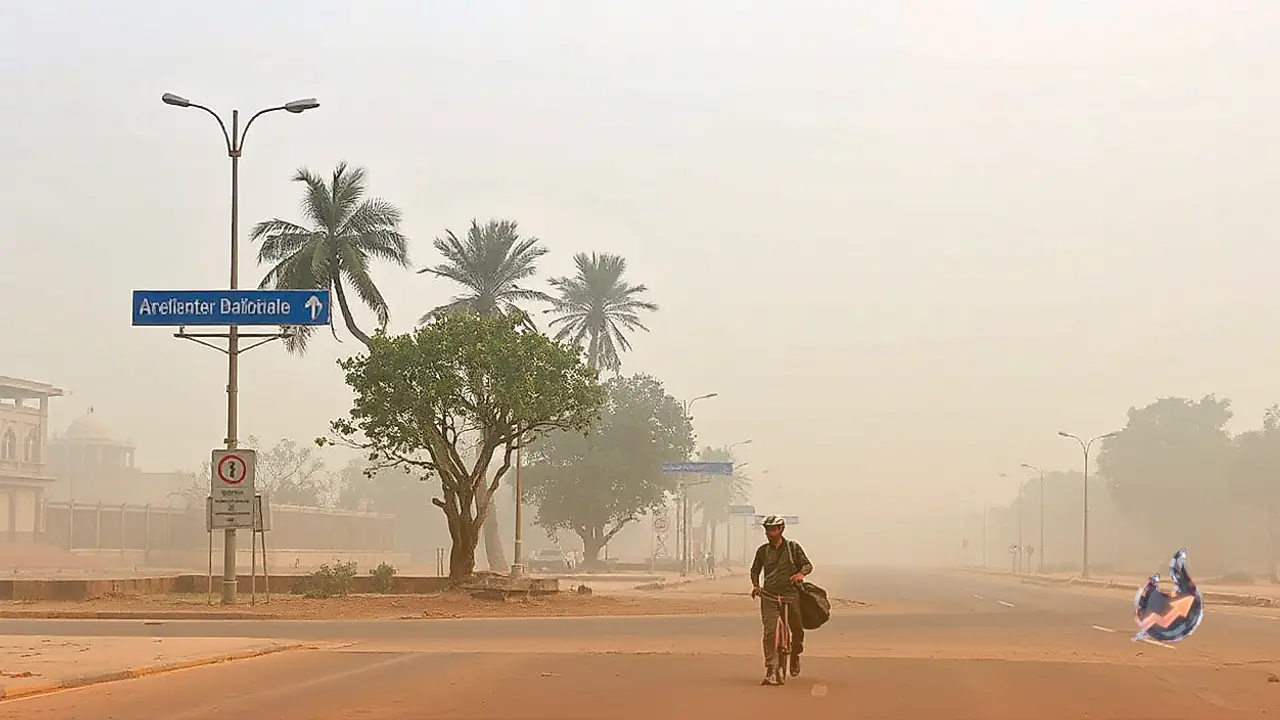

A suffocating layer of toxic smog coupled with morning fog enveloped the National Capital Region, severely worsening outdoor breathing conditions and restricting air quality into hazardous territory. On Friday morning, plunging temperatures and trapped particulate matter combined to create dense haze across the metropolitan area. The capital recorded an overall average Air Quality Index (AQI) of 403 on November 13, placing the city firmly in the severe category on official environmental scales.
Monitoring Stations Touch the 500 Upper Limit
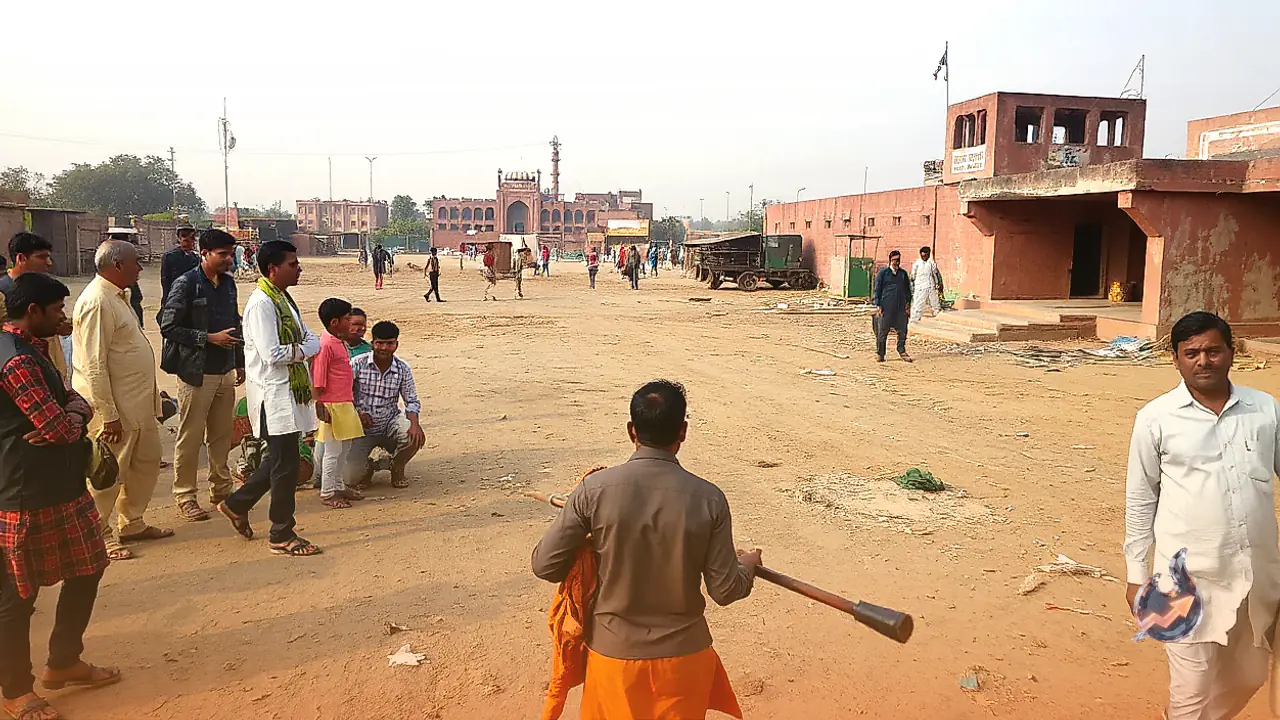
Air quality across several pockets of Delhi deteriorated to critical thresholds, with monitoring equipment at multiple locations registering readings up to 500, which is the upper measurement parameter monitored by the Central Pollution Control Board (CPCB). Heavily impacted zones include Delhi IIT, the dense heritage commercial hub of Chandni Chowk, and the busy traffic junction of ITO. Commuters and early morning pedestrians in these areas reported acute symptoms such as severe eye burning, throat irritation, and a choking sensation while moving along roadways.
Readings Across Measurement Stations
Data from environmental monitoring equipment placed across the city showed varying degrees of hazardous air across zones. In central Delhi, the air monitoring station situated at Major Dhyan Chand National Stadium recorded an AQI of 363. While this figure stood below the peak readings observed at other hot spots, it remained well within the very poor category, posing notable health risks to sensitive individuals and the broader public alike.
The Compounding Impact of Fog and Toxic Smog
The accumulation of pollution is being intensified by sluggish wind speeds and high morning humidity, which trap suspended dust, vehicle exhaust, and combustion particles close to the ground. This combined fog and smog phenomenon has significantly degraded visibility during commute hours and heightened daily environmental risks for office commuters, street workers, and two-wheeler operators. Environmental and medical guidelines recommend reducing prolonged outdoor physical activities until weather conditions clear the dense haze from ground level.