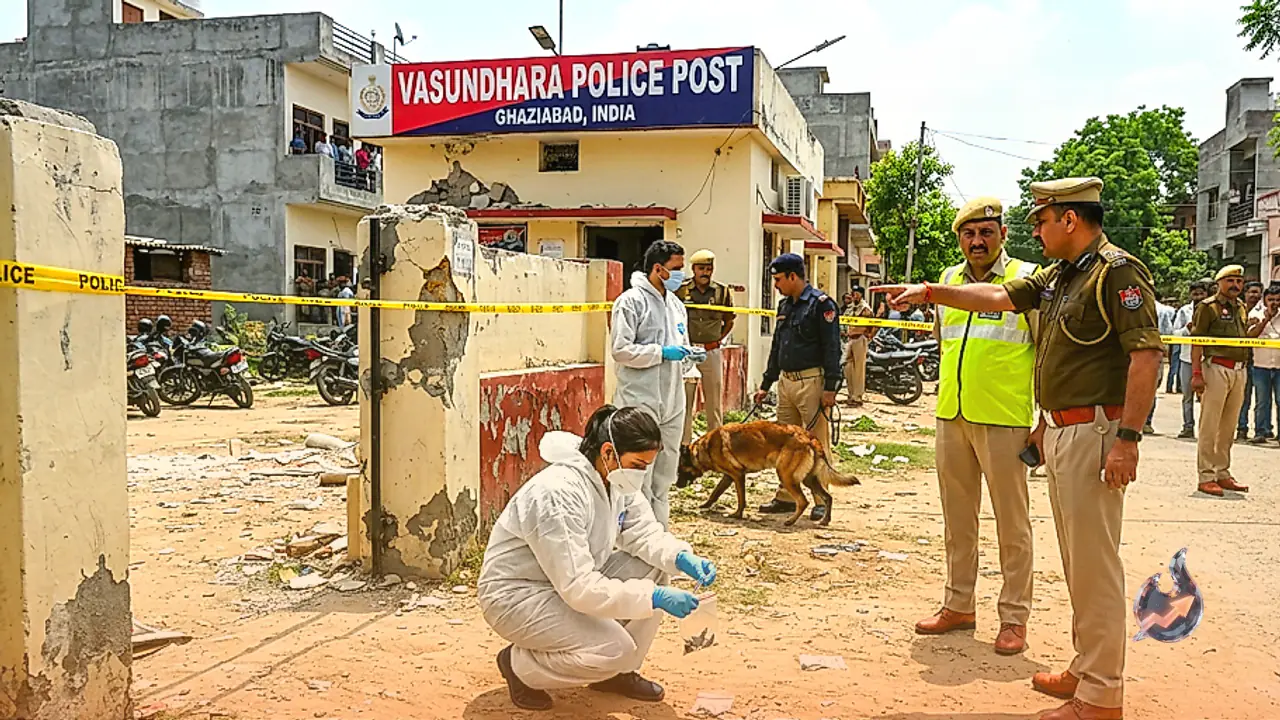





















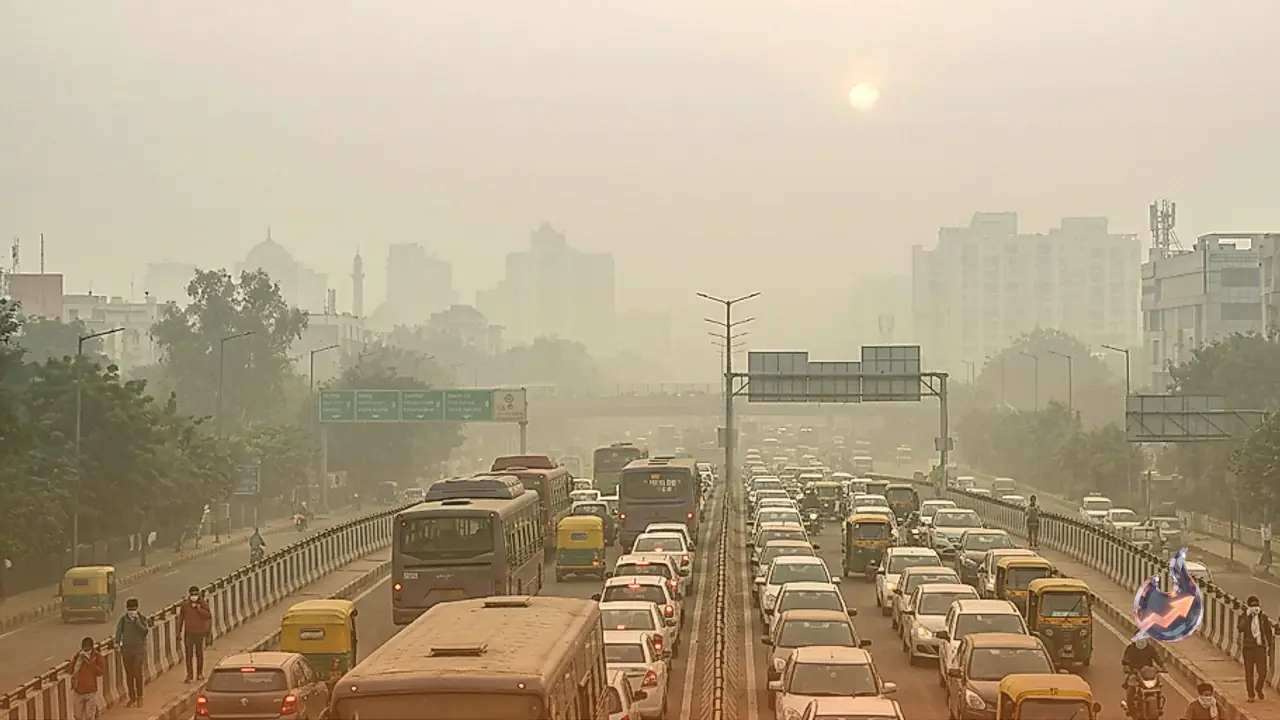

Residents across the national capital region are gasping for clean air as thick smoke from agricultural fires in neighboring states drifts across the plains. The seasonal clearing of paddy fields through burning has accelerated sharply, pushing the total number of recorded stubble fires in Punjab past the three thousand mark. Administration officials and environmental boards continue deploying penalties and legal actions, yet the fields continue to catch fire.
Latest Figures From Pollution Control Boards
Data compiled by the Punjab Pollution Control Board indicates that a total of 3144 incidents were documented across the state between September 15 and November 6. The daily tally shows no signs of slowing down. Registry numbers stood at 2787 cases as of November 5, but jumped significantly within just a single day to reach 3144. Incidents are heavily concentrated in specific districts, with Tarn Taran leading the state by a wide margin.
District Wise Breakdown Of Farm Fires
Tarn Taran district records the highest number of stubble burning cases with 611 documented events. Ferozepur follows closely behind with 410 cases, Sangrur records 281 incidents, Bathinda registers 262 cases, and Amritsar reports 231 instances. Smoke billowing from these agricultural belts mixes directly into the regional atmosphere. This additional pollutant load arrives precisely when Delhi and its adjoining cities are already battling severe air quality deterioration.
Fines And Financial Penalties Imposed
Government authorities are actively penalizing individuals caught setting fire to agricultural residue. According to the state pollution board, environmental compensation amounting to 54.55 लाख रुपये has been levied across 1077 separate cases so far. Out of this total penalty amount, authorities have successfully recovered 30.05 लाख रुपये from violators. However, the state response extends far beyond monetary fines.
Legal Cases And Land Record Red Entries
Law enforcement agencies have registered 795 FIRs under Section 223 of the Bharatiya Nyaya Sanhita, which targets disobedience to orders duly promulgated by public servants. Furthermore, authorities have marked 931 red entries in the land revenue records of farmers found burning crop residue. Tarn Taran accounts for the highest share with 301 red entries, while Ferozepur records 98 such entries. These land record entries carry severe practical consequences, barring affected landowners from securing agricultural loans or selling their property.
Seasonal Pressures And Comparative Historical Data
Agricultural experts note that farmers face intense time constraints between late paddy harvesting and the subsequent sowing of wheat crops, prompting some to burn stubble for rapid field clearance. Historical records show fluctuating figures across recent years, with 5114 cases registered during the 2025 harvest season, 10909 cases recorded in 2024, and a much higher 36663 incidents documented in 2023. With the current season still underway, officials fear the final count may climb higher before harvesting concludes entirely.