







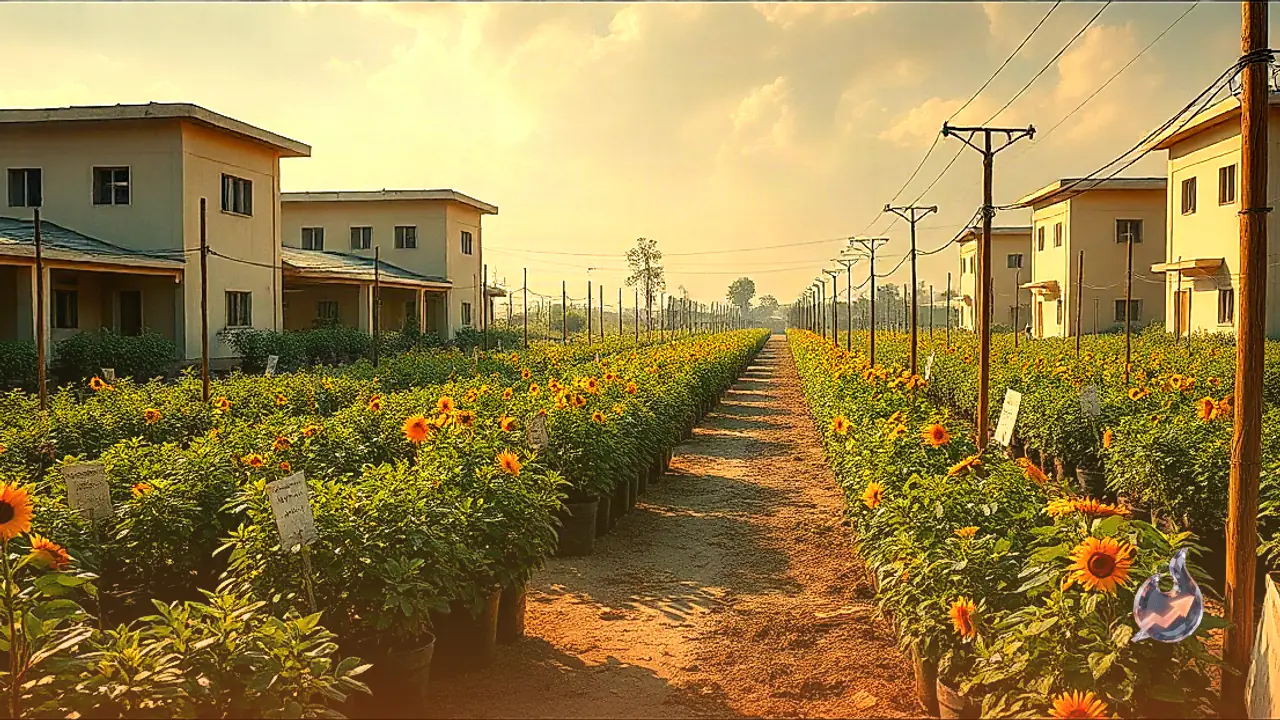

















Careful field management during the early growth phase of eucalyptus plantations lays the foundation for long-term timber yield and commercial returns. Crop protection scientist Dr Hadi Hussain explains that small eucalyptus saplings face severe developmental setbacks if basic horticultural practices are ignored. Implementing scientific agronomic practices early on allows the trees to gain both height and trunk girth rapidly, significantly increasing their market value when harvested for timber.
Regular Weed Elimination and Basin Maintenance
Wild grasses and invasive weeds sprouting around young eucalyptus saplings pose direct competition for critical underground resources. These unwanted plants vigorously absorb soil moisture and vital nutrients, directly retarding the growth pace of the main sapling. Crop protection scientist Dr Hadi Hussain advises farmers to clear the soil basins around the plants thoroughly. Removing weeds ensures that ample sunlight and airflow reach the root zone. To achieve accelerated height growth, field basins should be cleaned at least twice a month.
Balanced Fertilisation and Root Protection
Providing balanced nutrition is essential to stimulate rapid vegetative development and thicken the trunk. Farmers should enrich the soil using well-decomposed farmyard manure or organic compost. In addition, administering moderate quantities of NPK fertiliser strengthens the main stem. When applying fertilisers, keep the nutrients slightly away from the primary stem to prevent burning tender roots. Light irrigation right after applying fertilisers facilitates quick dissolution and absorption of nutrients by the root network.
Drainage Precautions and Irrigation Timing
Excess moisture during the monsoon season poses serious risks to young plantation blocks. Stagnant water around the root perimeter restricts aeration and triggers destructive root rot diseases. Developing effective drainage channels across the field ensures rapid evacuation of rainwater. Conversely, if prolonged dry spells occur after the rains stop, providing light irrigation once a week prevents drought stress and keeps the root zone consistently moist.
Termite Management and Pest Control Measures
Young eucalyptus saplings are particularly vulnerable to destructive subterranean pests, especially termites that attack root systems. To counter termite attacks, mix Chlorpyrifos with water and drench the soil around the base of each sapling. Incorporating neem cake into the soil also serves as an effective natural repellent against soil pests. Regularly inspecting the foliage helps growers spot early signs of infestation and take timely pest control measures to sustain unhindered growth.
Pruning Side Branches and Providing Physical Support
To produce high-value commercial timber, trees must grow straight and develop a clear, knot-free central trunk. Farmers should carefully prune away lower, dry, or unproductive side branches, directing all vegetative vigour into the leader shoot. Always use clean, sharp pruning implements to avoid injuring bark tissue or inviting pathogen entry. If saplings bend under wind pressure, tying them gently to sturdy bamboo stakes provides the necessary structural support for upright growth.
Periodic Soil Hoeing and Root Aeration
Periodic light hoeing around the base of the saplings prevents soil compaction and improves sub-surface aeration. Following heavy monsoon downpours, the topsoil tends to harden into an impenetrable crust that stifles root expansion. Hoeing loosens the crust, allowing roots to penetrate deeper into the ground. A deeply anchored root system protects trees from toppling during heavy storms while simultaneously improving water and fertiliser uptake.
Fencing Against Stray Cattle and Grazing Animals
Protecting vulnerable saplings against grazing livestock, particularly goats and stray cattle, remains vital throughout the first year after transplanting. Stray animals devour tender shoots and foliage, instantly stunting tree development. Establishing protective perimeter wire fencing or erecting dense bamboo barriers around the plots shields the young trees, allowing uninterrupted vegetative progress.
Maintaining Optimal Spacing Between Trees
Overcrowded plantations lead to intense competition among saplings for air and sunlight. Maintaining adequate spacing between individual eucalyptus trees allows their canopies and roots to spread freely. Proper spatial arrangement ensures that trees expand uniformly in both diameter and height. Whenever weak or dead saplings are spotted, farmers should promptly replace them at the recommended distance to maintain uniform canopy growth across the entire acreage.