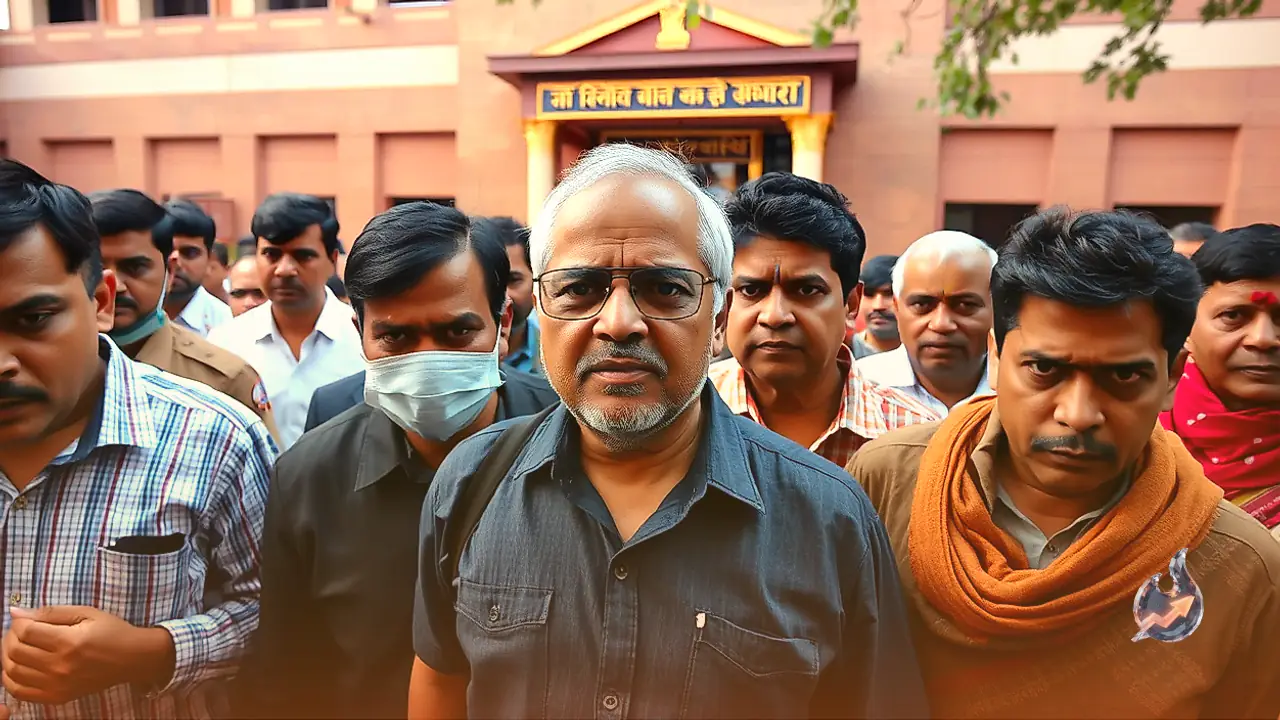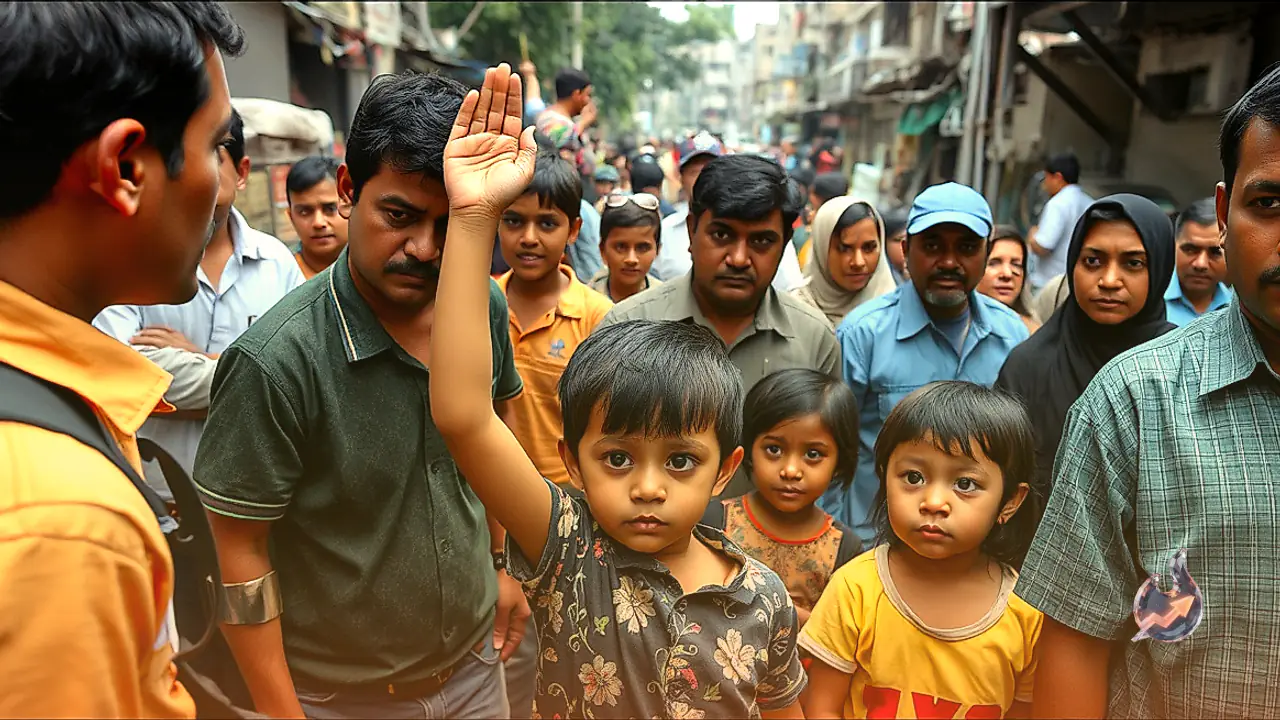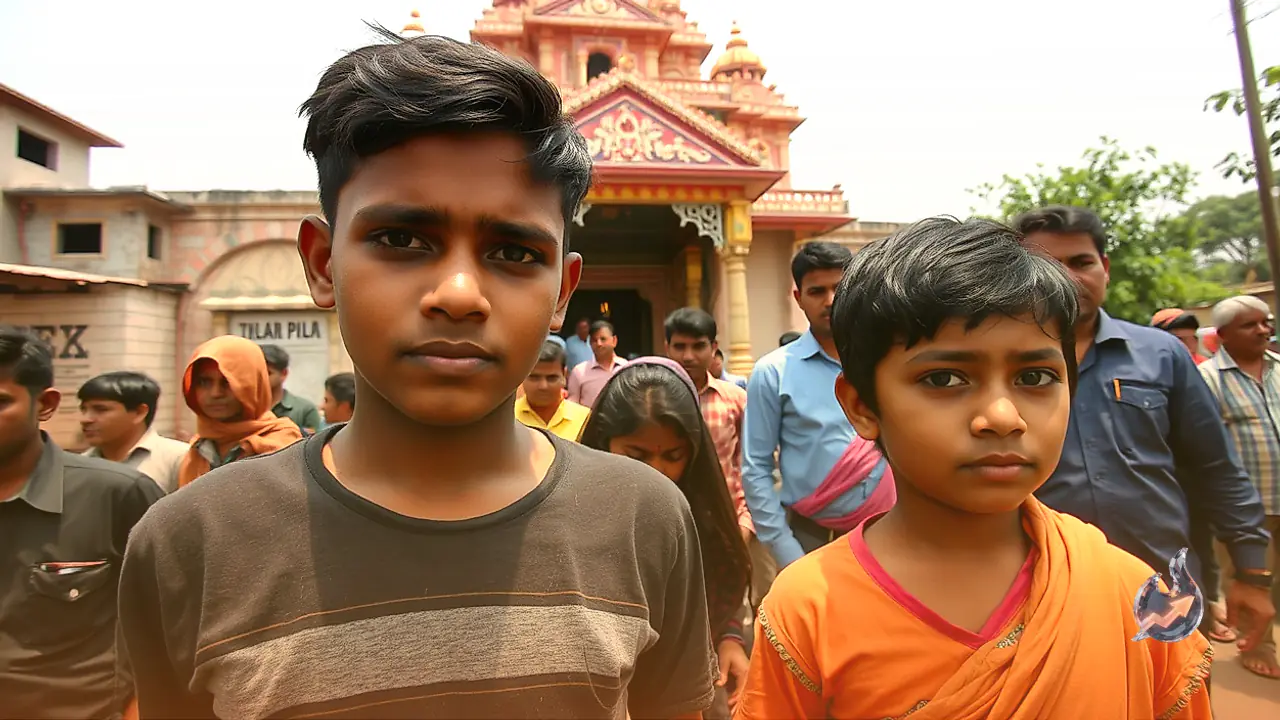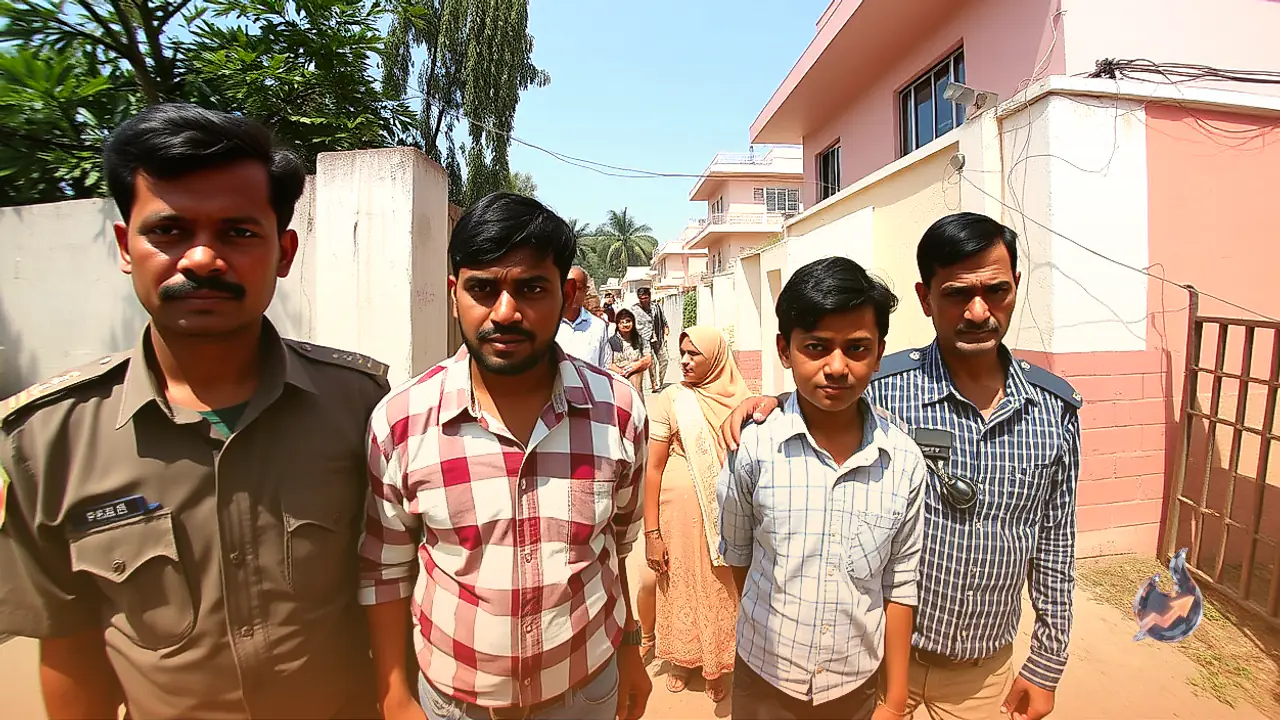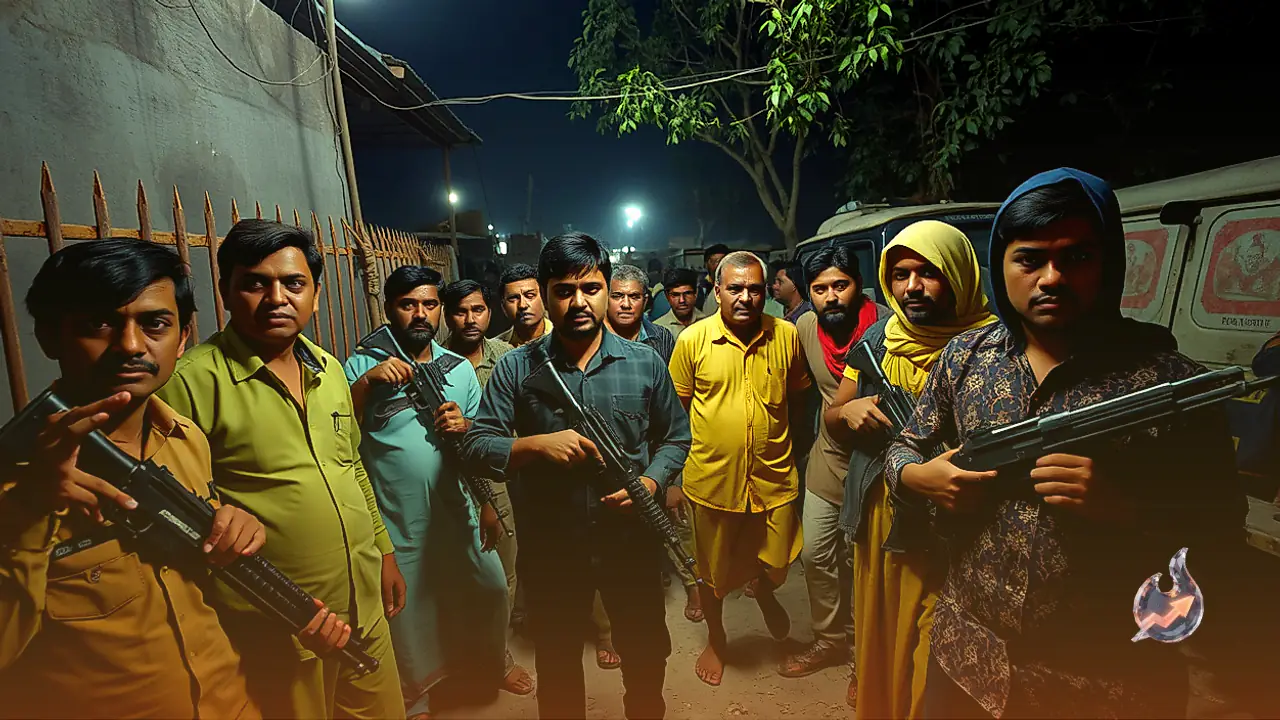


















Tensions surrounding institutional neutrality and democratic accountability have reached an unprecedented peak across the country as widespread public resistance mounts against the ongoing revision of electoral rolls. What initially began as technical objections raised by political parties has rapidly evolved into a coordinated civic and political uprising, drawing students, farmers, civil rights activists, and major political figures into the streets. Protests have spilled over from administrative corridors onto national capitals and foreign capitals alike, accompanied by intense courtroom battles challenging preventive arrests and administrative guidelines that critics allege disenfranchise large segments of the population.
Legal Showdowns and Administrative Pushback Over Youth Detentions
The prolonged confinement of youth coordinators Saurav Das and Ashutosh Ranka, associated with the Cockroach Janta Party, has triggered significant legal friction in the national capital. The founder of the outfit, Abhijeet Dipke, has publicly challenged the state machinery, asserting that judicial and administrative procedures are being intentionally dragged out to delay their liberation. Dipke, who recently secured his own release from custody after furnishing a peace bond before a local court, emphasized that there are no legitimate legal grounds to keep the two young men behind bars. He maintained that procedural hurdles are merely an excuse to prolong an arbitrary deprivation of liberty.
Echoing these concerns, Ratna Singh, who leads the legal wing of the outfit, voiced grave disappointment regarding the handling of the matter before the Special Executive Magistrate. She pointed out that while all substantive prerequisites and legal formalities necessary to grant release had been duly submitted, the magistrate chose to prioritize an alleged threatening text message rather than engaging with the core merits of their bail application. Pointing to unnecessary adjournments and procedural stonewalling, the organization confirmed it has consulted senior legal counsel Kapil Sibal and intends to initiate formal legal proceedings against administrative officers who continue to sanction unlawful detention.
Student Mobilization and Clashes on Capital Streets
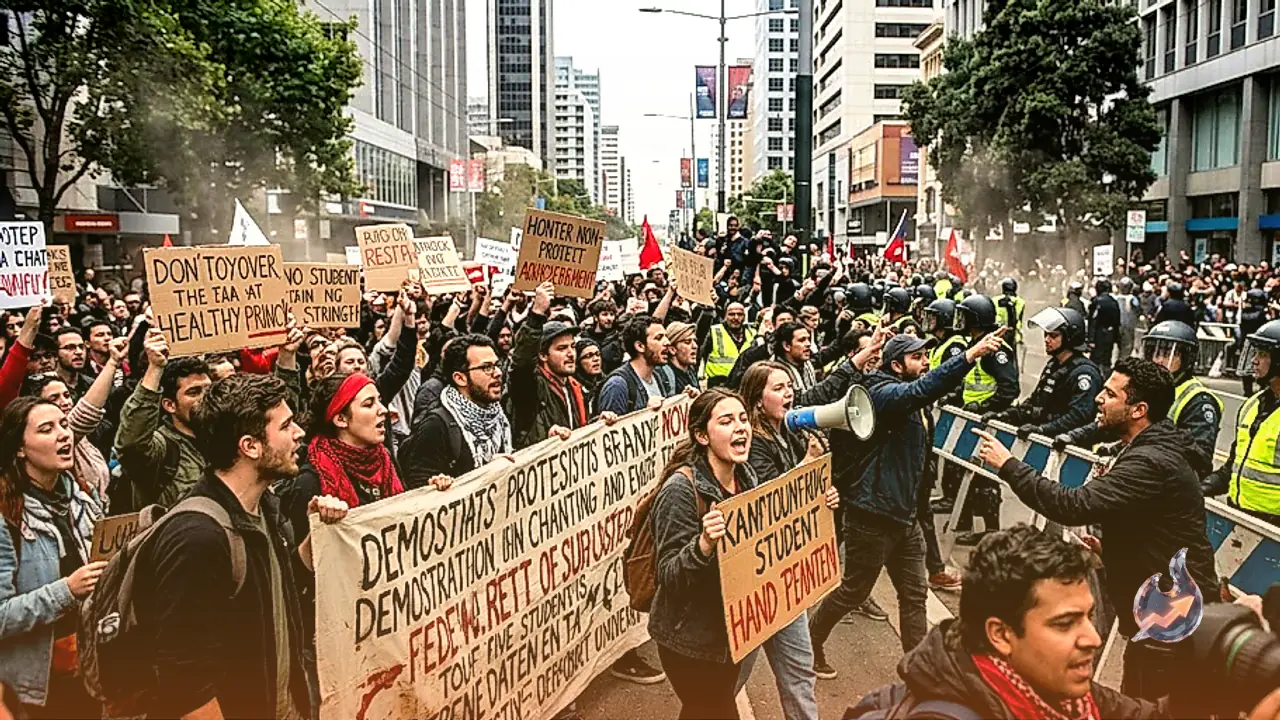
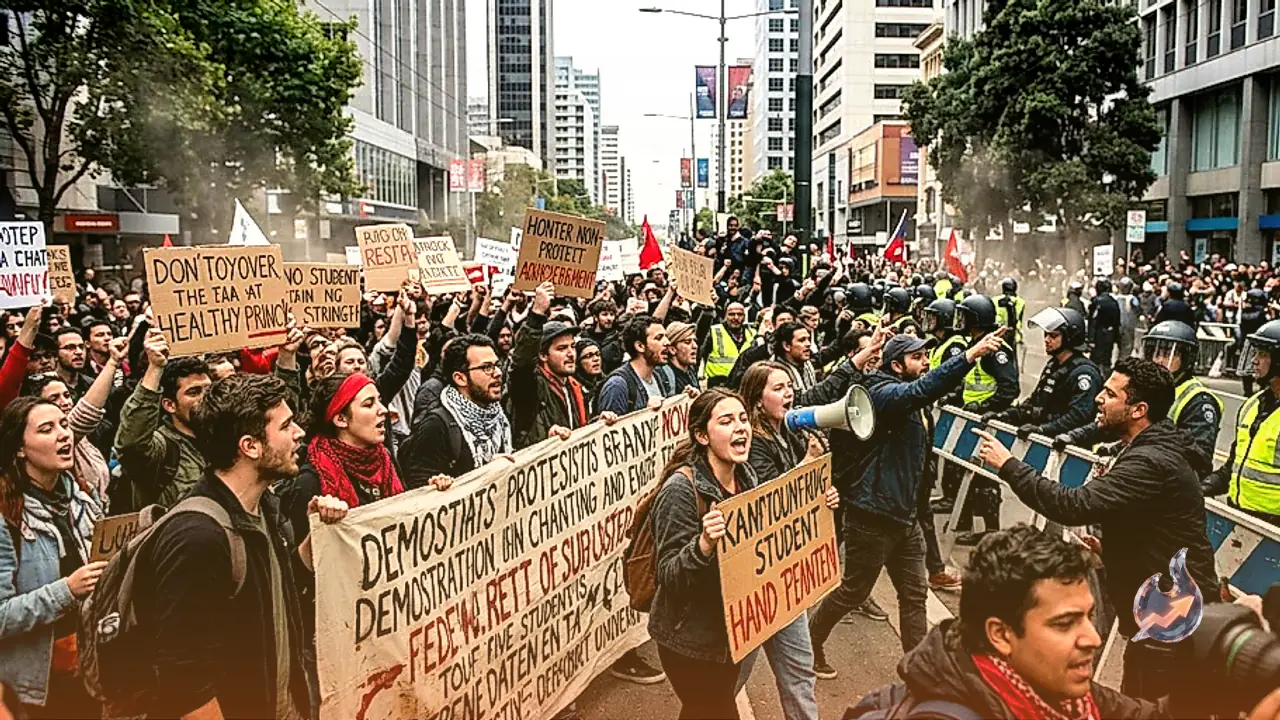
Simultaneously, university students and youth groups have expanded their agitation against the Chief Election Commissioner Gyanesh Kumar. The National Students Union of India organized a major mobilization dubbed the Ungli Toh Uthegi Hallabol March, setting off from their headquarters and proceeding toward Jantar Mantar under the leadership of their national president Vinod Jakhar. Carrying placards questioning the moral authority of the commission, the student leaders insisted that the credibility of democratic processes cannot be maintained when substantial segments of the electorate suspect institutional bias. The marchers vowed to sustain their pressure until the head of the poll body resigns from his post.
The confrontational atmosphere escalated further with serious allegations leveled by youth political wings against law enforcement authorities. The Indian Youth Congress publicly claimed on social media platforms that students engaging in peaceful public assembly were met with severe state brutality. Their statements highlighted instances of excessive physical violence, intimidation, and the inappropriate treatment of female student protesters by police personnel. Promising relentless legal retribution against police officials who act outside constitutional boundaries, the youth wing declared that coercive measures would fail to quell public dissent.
Digital Campaigns and High-Level Political Confrontations
In addition to street demonstrations, opposition parties have turned to digital avenues to galvanize public opinion. The Indian Youth Congress rolled out an interactive digital campaign labeled Digital Ravan Dahan through a dedicated online portal, inviting citizens across the nation to participate in a symbolic vote identifying the ten symbolic heads threatening Indian democracy. This digital initiative reflects a conscious effort to channel public frustration into measurable civic engagement, providing a continuous platform of support for the ongoing physical demonstrations stationed around the national capital.
Meanwhile, political rhetoric reached a fever pitch in Goa, where prominent opposition leader Rahul Gandhi launched a fierce verbal assault against the highest levels of governance. Addressing a massive gathering in Margao after completing a two-kilometer march alongside party cadre during the Goy Rakhon Yatra, he specifically named Prime Minister Narendra Modi, Home Minister Amit Shah, and Chief Election Commissioner Gyanesh Kumar. Warning that those responsible for manipulating voter rolls would eventually face justice, he insisted that the constitutional rights of ordinary voters are non-negotiable and cannot be dismantled by executive overreach.
Coordinated National Oversight and Electoral Transparency Demands
To institutionalize its resistance, the principal opposition party has established an extensive nationwide surveillance network. A specialized cohort of 208 observers has been assigned to monitor and execute the Vote Bachao Desh Bachao campaign across varied states and regional centers. The primary mandate of these designated observers is to scrutinize localized revisions of electoral rolls, detect systematic irregularities, and mobilize grassroots communities against potential voting disenfranchisement, ensuring that the movement remains coordinated and resilient over the long haul.
Addressing the latest regulatory announcements, senior parliamentarian Jairam Ramesh argued that popular outrage is already compelling institutional retreats. He referenced a recent decision by the Election Commission to provide political parties with readable, machine-friendly voter registries, a fundamental transparency measure that had been systematically denied since 2018. Ramesh maintained that this reversal was driven solely by widespread public mobilization. Furthermore, he claimed that the Special Intensive Revision risks disenfranchising as many as 130 million citizens across the country, reiterating the demand for an immediate suspension of the revision and the removal of the commission leadership before regular summary revisions take effect in 17 states and union territories.
Voter Deletions and Grassroots Impact on Marginalized Groups
The ground-level ramifications of the aggressive voter revision drive have begun to surface vividly in regional districts. In Andhra Pradesh, former Srikakulam District Congress Committee president Pedada Parameswara Rao sounded the alarm over the mass removal of circular migrant laborers from the voter lists. Explaining that over 500,000 workers from the district migrate temporarily to other economic hubs for livelihoods while maintaining their permanent residences, families, and identity documents locally, Rao declared it unconscionable that their franchise was stripped under the guise of discrepancies. He urged the commission to rectify the purge and restore their fundamental democratic rights without bureaucratic harassment.
In contrast to the regional complaints, administrative bodies in the capital have presented progress reports defending the revision methodology. According to figures shared by the office of the Chief Electoral Officer of Delhi, approximately 26 lakh cases out of more than 33 lakh flagged entries involving logical discrepancies or unmapped households have been successfully addressed. Officials noted that Booth Level Officers have been conducting field visits to collect supporting paperwork directly from citizens, stating that nearly 78.5 percent of identified anomalies have been reviewed to guarantee that eligible electors remain on the final registry.
Constitutional Questions and the Limits of Preventive Custody
The broader implications of using police powers to suppress public gatherings have also landed directly before the Supreme Court of India. Renowned academician and columnist Apoorvanand Jha has filed a comprehensive legal petition challenging the arbitrary application of Section 163 of the Bharatiya Nagarik Suraksha Sanhita. Represented by senior advocates Nitya Ramakrishnan and Akriti Chaubey, Jha argued that the routine characterization of peaceful democratic gatherings as potential breaches of peace is an unlawful tactic employed by authorities to carry out preventive detentions and extinguish political assembly.
At the same time, the apex court has agreed to scrutinize the long-standing legal protections enjoyed by top electoral officials. Acting on a petition submitted by the Association for Democratic Reforms, the court issued formal notices to the Union Government regarding lifelong immunity granted to Election Commissioners for decisions executed while holding office. Petitioners argue that conferring comprehensive civil and criminal immunity undermines democratic transparency and insulates public servants from necessary constitutional accountability when voter rolls are compromised.
Farmer Mobilization and the Historical Echoes of Rollbacks
Expanding the coalition of dissent, agrarian bodies operating under the Samyukt Kisan Morcha have signaled their intent to enter the fray. Farmer unions have formally scheduled a massive protest march toward the national capital on October 23, demanding structural changes in the commission and the immediate ouster of Chief Election Commissioner Gyanesh Kumar. The entrance of farming communities into the agitation marks a critical escalation, transforming electoral scrutiny into a broad-based socio-political coalition capable of paralyzing administrative routines.
Many political observers draw direct comparisons between the current situation and previous mass movements, particularly the intense student demonstrations surrounding examination leaks that ultimately precipitated policy overhauls and cabinet resignations. A growing consensus among independent analysts suggests that faced with intense judicial scrutiny, street protests, and upcoming public rallies, the commission has effectively stalled the aggressive implementation of the intensive revision drive. While no formal notification declaring a complete cancellation has been released, the ground reality indicates that widespread popular resistance has created an administrative impasse.
Global Demonstrations and the Battle for the National Narrative
The controversy has also gained international traction, drawing the Indian diaspora into active confrontation abroad. Outside the British Parliament in London, hundreds of overseas Indian students and youth wings gathered at the statue of Mahatma Gandhi in Parliament Square to protest against voting revisions and administrative partiality. Holding placards and chanting slogans, the demonstrators demanded democratic safeguards for Indian voters. However, the event encountered a vocal counter-demonstration organized by supporters of Prime Minister Narendra Modi, necessitating active police intervention to establish physical boundaries between the two rival assemblies.
Within India, the ruling establishment has attempted to frame the growing wave of protests as an illegitimate push aimed at engineering regime instability akin to neighboring geopolitical crises. Opposition leaders have vigorously dismissed this rhetoric, responding that the ruling party is attempting to entrench itself permanently through institutional capture. With the Delhi Police officially issuing a no-objection certificate for an immense opposition rally slated for November 1 at the historic Ramlila Maidan, the battle over institutional independence and voter verification shows no signs of dissipating.