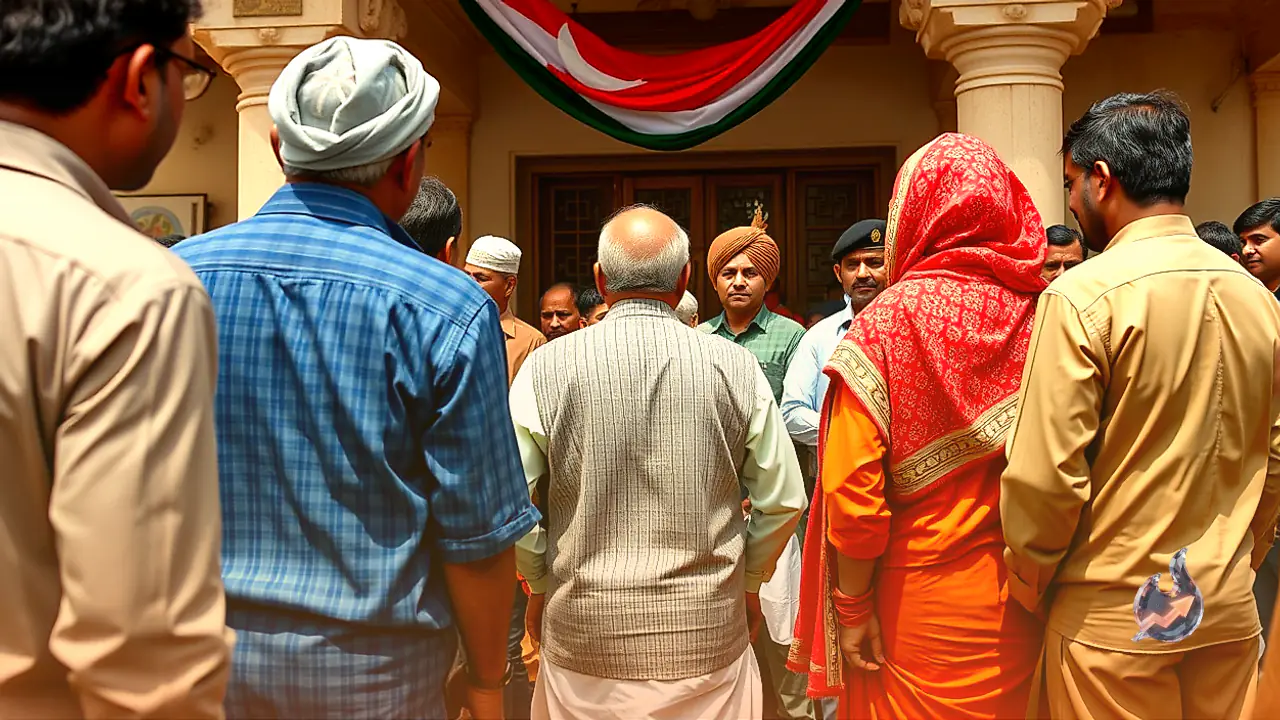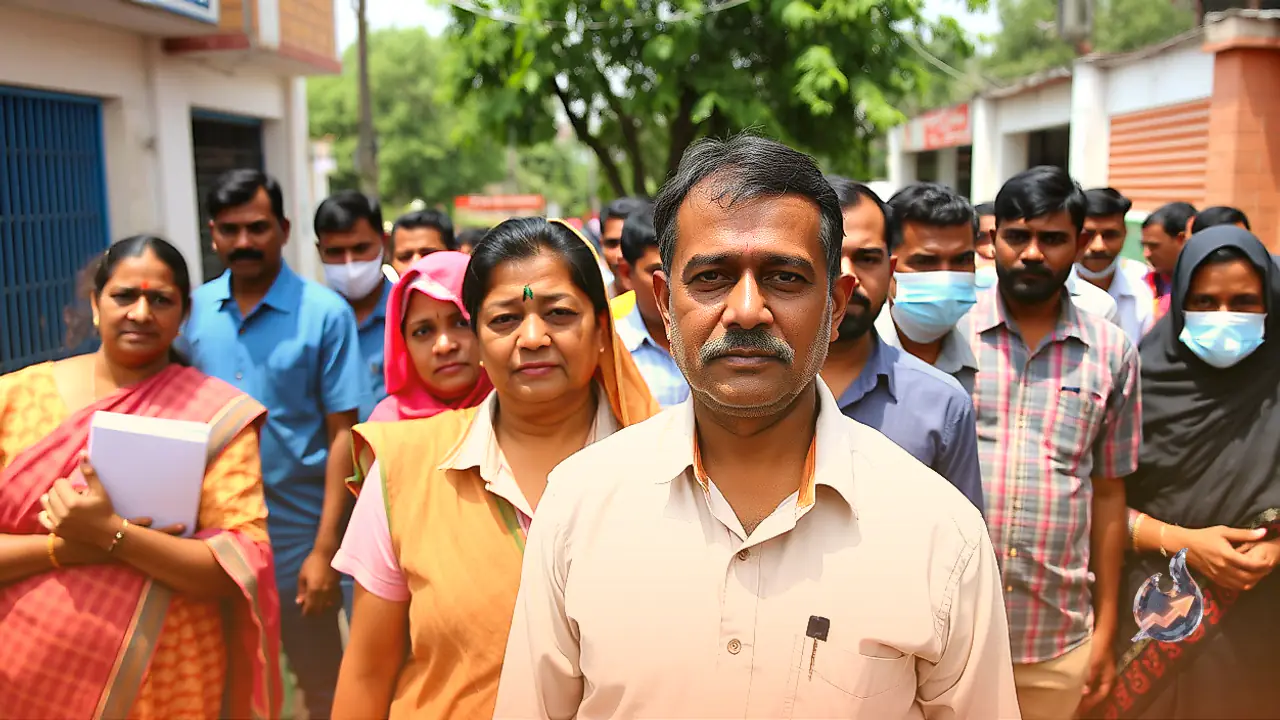




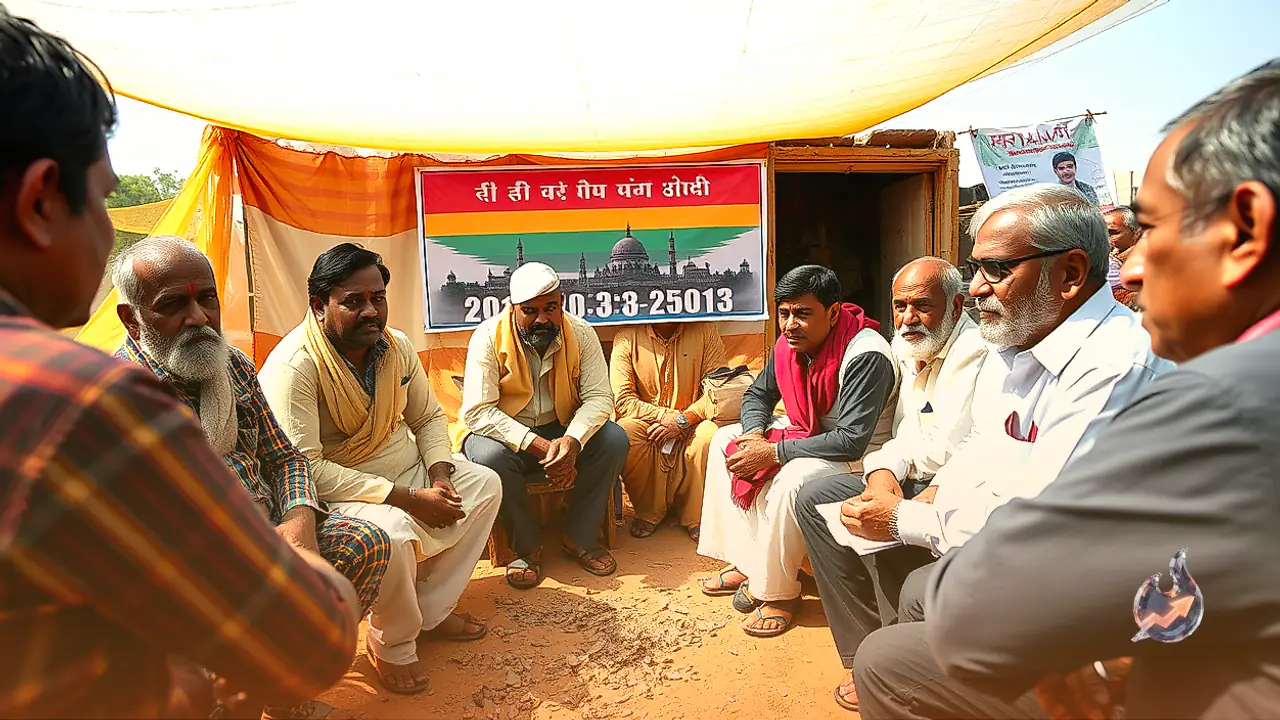














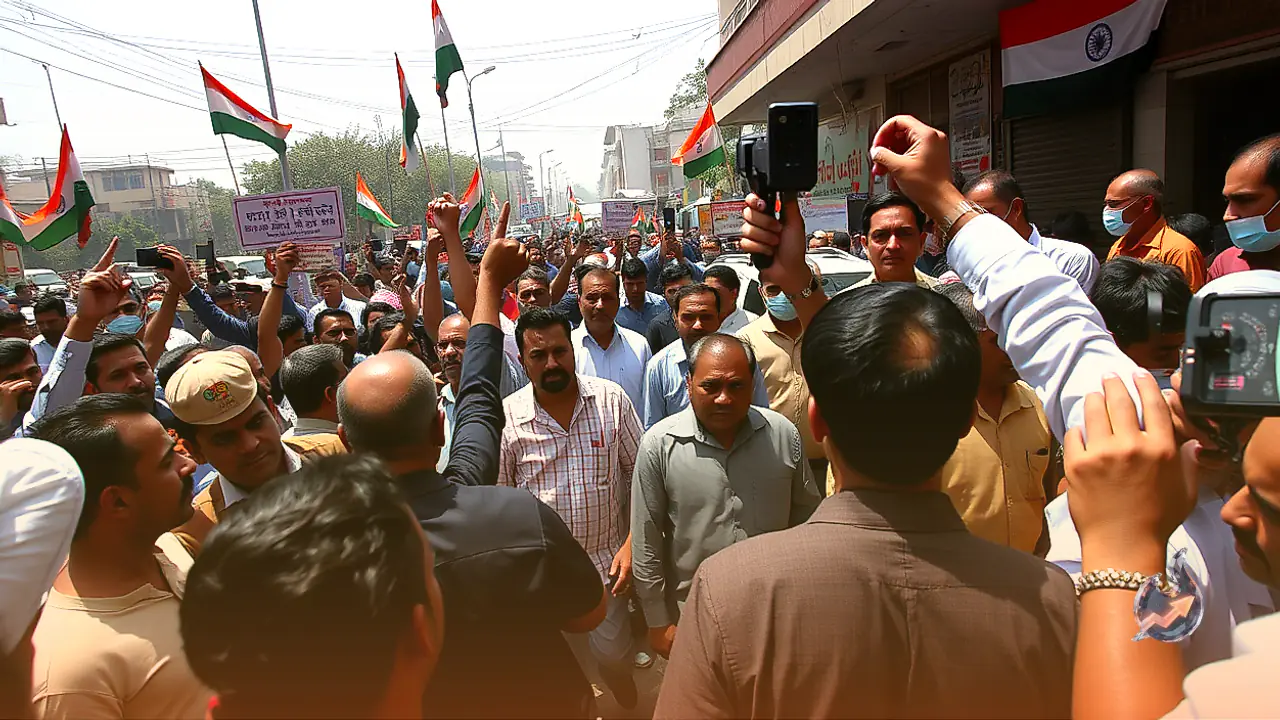

A fresh series of demonstrations, sit-ins, and public marches across various parts of the country has triggered a sharp political confrontation. While organizers and opposition figures assert that they are merely exercising their constitutionally guaranteed right to peaceful protest, political commentators and government supporters argue that the movement carries an ulterior political motive. Although Chief Election Commissioner Gyanesh Kumar's office has often been cited as the immediate point of contention, critics maintain that the ultimate target of this widespread agitation remains Prime Minister Narendra Modi, pointing to alleged efforts to destabilize the political landscape through coordinated narratives.
The Transition From Street Agitations to Supreme Court Scrutiny
The intensifying confrontation quickly moved beyond public venues into the corridors of the highest judicial authority. Opposition representatives and activists approached the Supreme Court with a battery of petitions, hoping to secure favorable legal rulings. However, the courtroom proceedings turned into a challenging ordeal for the petitioners, including legal advisors representing Rahul Gandhi, as their arguments faced rigorous scrutiny from the bench. Matters concerning alleged governmental apologies were placed under intense legal debate, ultimately dealing a strategic setback to the petitioners who had sought to leverage the judicial forum to mount political pressure.
Detentions in Tihar Jail and Growing Speculation Over Further Action
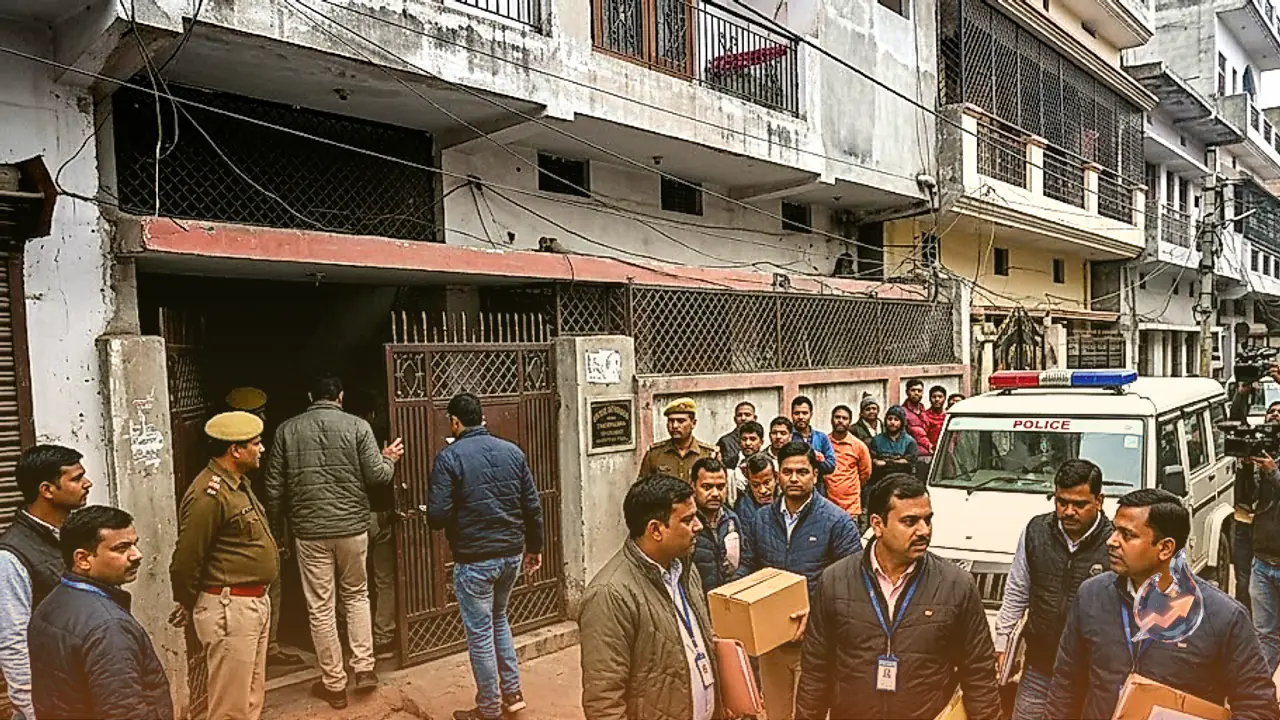
The controversy surrounding members associated with the Cockroach Party escalated significantly following the arrest of key figures. Activists Sourav Das and Ashutosh Ranka were taken into custody and remanded to Tihar Jail, where they currently remain under judicial watch. Observers and political analysts are now closely watching whether law enforcement authorities will expand the scope of their inquiry to include other vocal figures, specifically Abhijit Dipke. Simultaneously, the intervention of international monitoring entities, including Amnesty India and Amnesty International, concerning the detentions of Das and Ranka has sparked debate over external interference in domestic legal proceedings.
Heated Exchange at Joint Press Conference and Foreign Model Comparisons
Tensions reached a visible high during a joint press briefing attended by Abhijit Dipke, Neha Bora, senior advocate Prashant Bhushan, and actor Prakash Raj. During the interaction, journalists and attendees raised pointed questions regarding Neha Bora's previous statements and wardrobe choices, particularly a symbolic design on her T-shirt that mirrored emblems seen during turbulent protests in Nepal and Indonesia. Critics highlighted controversial analogies drawn between Indian political resistance and the popular uprising in Bangladesh that culminated in the unseating of Sheikh Hasina, questioning whether an identical destabilization playbook was being pursued in India.
Electoral Mandate Versus Extra-Parliamentary Agitation
Public discourse has also zeroed in on recorded statements and press remarks made by Prashant Bhushan concerning regime change. Constitutional scholars and observers emphasize that in a constitutional democracy, power transitions are governed strictly by the ballot box and scheduled general elections, rather than extra-parliamentary mobilization. Growing pushback against aggressive street demonstrations was illustrated by public confrontations, including hostile sloganeering directed against party representatives at transit hubs like airports, reflecting a deeply polarized national mood.