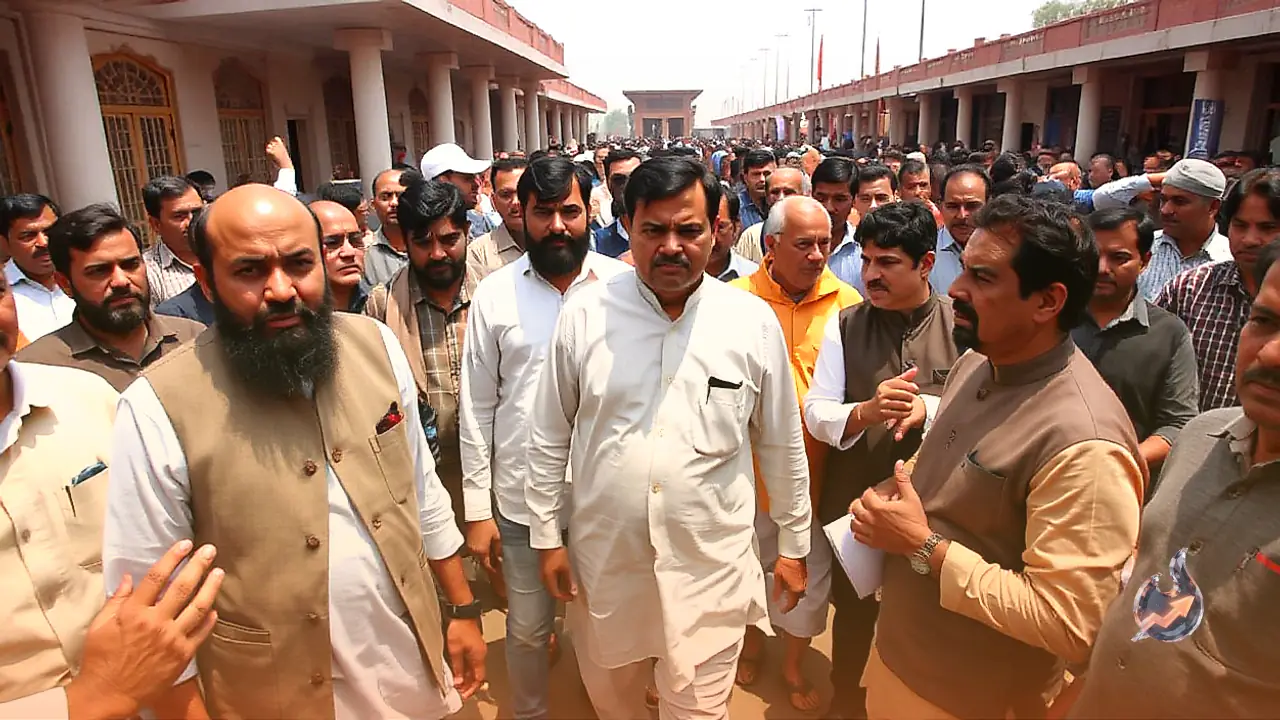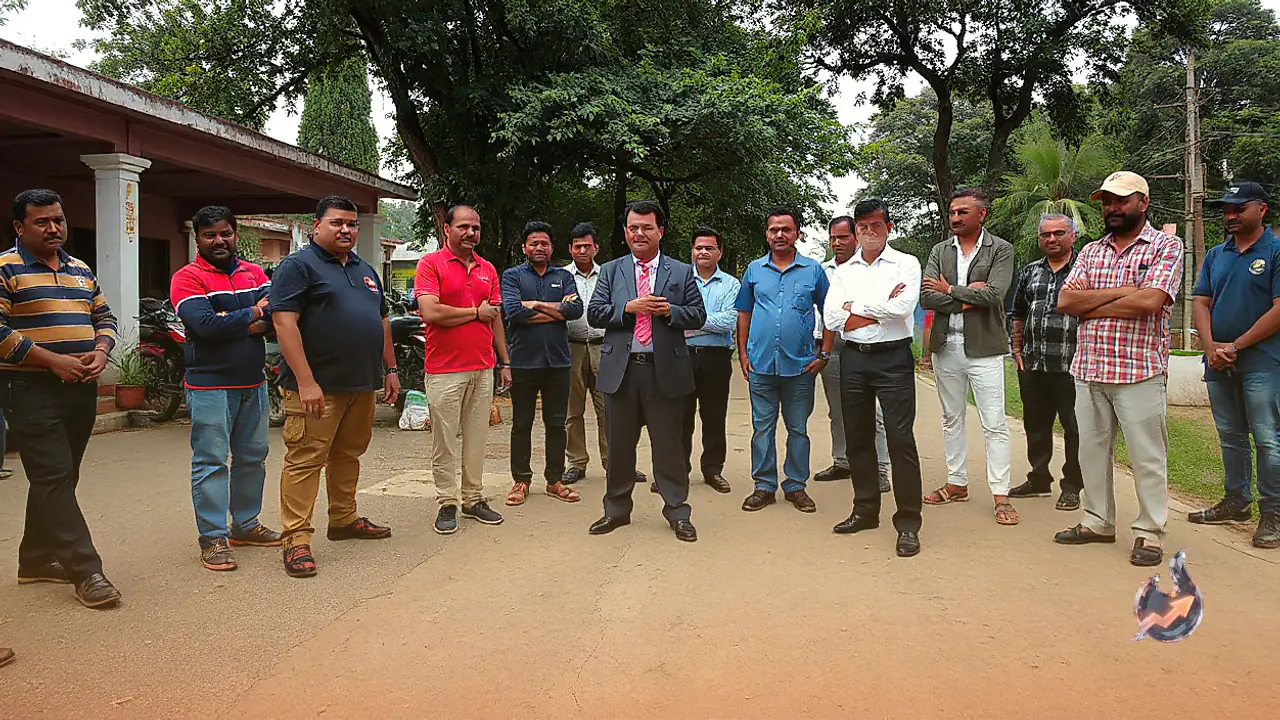
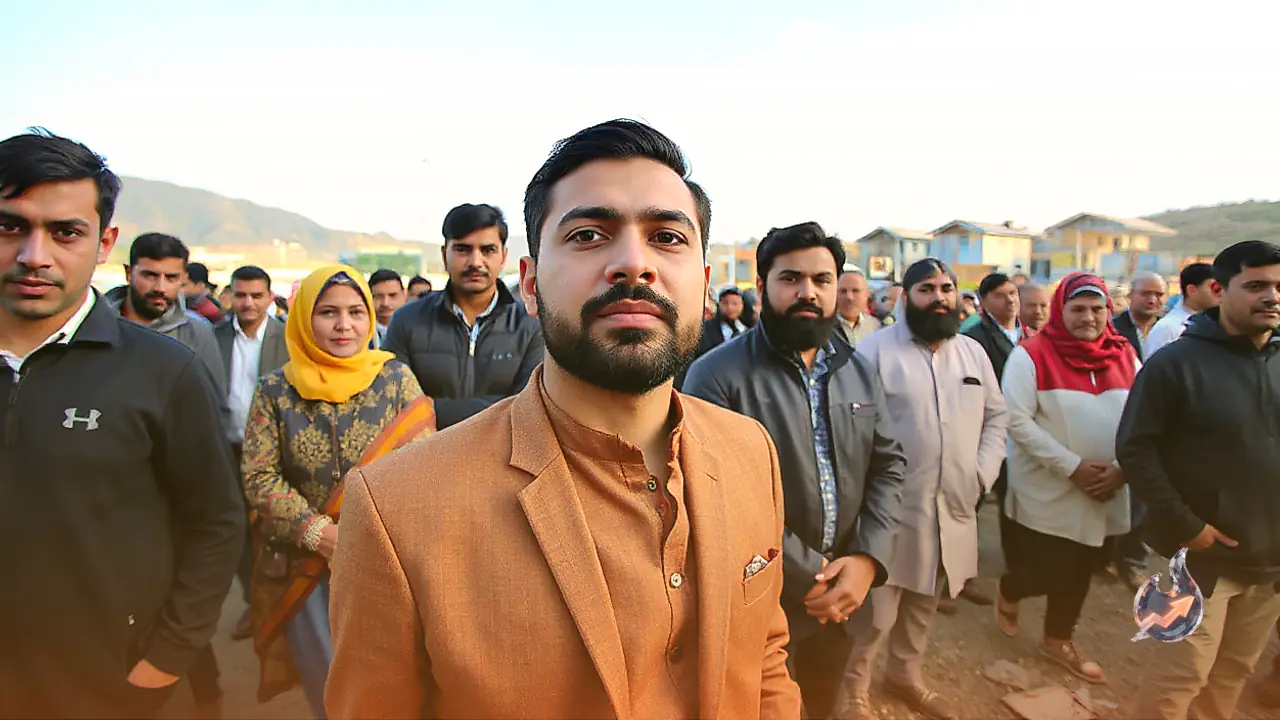
















Preparations for the upcoming 2027 Uttar Pradesh assembly elections witnessed an unmistakable echo of past traditions as Bahujan Samaj Party national coordinator Akash Anand arrived in Saharanpur on Monday. During the gathering, Anand declared Naresh Kumar Saini as the party's official candidate for the Nakur assembly constituency. The highlight of the event, however, unfolded when the newly named nominee placed a gleaming gold crown upon Anand's head. While party organizers maintained that the presentation represented a heartfelt honor from the Saini community, the visual swiftly reignited longstanding debates concerning the party's historic penchant for extravagant displays.
The Shadow of Past Controversies and Grand Offerings
The scene in Saharanpur brought back vivid memories of the political climate two decades ago, when party chief Mayawati's public appearances frequently triggered headlines due to opulent presentations. Throughout the 1990s and 2000s, presenting heavy silver maces, gold ornaments, and elaborate crowns during party rallies and birthday celebrations turned into a regular custom. Most notably, a massive gathering in Lucknow during 2010 made nationwide waves when Mayawati was felicitated with an enormous garland composed entirely of one thousand rupee currency notes, drawing sharp scrutiny toward the party's organizational finances and public conduct.
Opposing political groups, including the Bharatiya Janata Party, the Samajwadi Party, and the Congress, regularly denounced those spectacles as feudal displays disguised beneath the banner of social justice. Critics argued that such demonstrations mirrored regal indulgences rather than the humble ethos of a struggle for marginalized communities. In response, Mayawati and her senior leaders consistently defended the gestures, framing the gifts as authentic expressions of pride and devotion from a disenfranchised populace toward their emancipator, while accusing upper caste dominated outfits of resenting the growing confidence of underprivileged classes.
From Grassroots Awakening to Grand Regalia
This elaborate display culture stands in stark contrast to the humble beginnings envisioned by party founder Kanshi Ram. The founding patriarch conceived the movement to awaken, unite, and politically empower marginalized and oppressed sections through intense grassroots awakening. In those formative years, campaigns operated on shoestring budgets, with dedicated cadres cycling through villages and depending on modest collective contributions from common people. That grassroots simplicity underwent a major transformation following Mayawati's ascent to executive power in Uttar Pradesh during the 1990s and 2000s, gradually giving way to grand rallies, monument building, and majestic tokens of reverence.
Aspirations of Modernization Against Traditional Habits
When Mayawati designated her nephew Akash Anand as her political successor and entrusted him with central operational responsibilities, outside observers anticipated a comprehensive transition toward modern campaigning. Many expected the young leader to build a data driven structure, attract urban youth through social platforms, and establish professional organizational workflows. Anand indeed appeared to project a sharper approach by taking vocal stances on employment opportunities and law enforcement. Nevertheless, the recent gathering in Saharanpur demonstrates that local cadres continue to fall back on vintage practices of flattering the top leadership through lavish symbolic gifts rather than focusing purely on modern outreach.
Electoral Shrinkage and Shifting Social Coalitions
Ahead of the 2027 polls, the party faces severe erosion across its core voter segments. Even its traditional Jatav support base has shown signs of splintering, with significant portions migrating toward the BJP and Chandrashekhar Azad's Azad Samaj Party. The magnitude of this decline was underscored when the BSP secured just one seat in the 2022 Uttar Pradesh assembly contest, followed by a total blank in the 2024 parliamentary elections where it failed to win a single constituency. Meanwhile, figures like Chandrashekhar Azad, who secured a parliamentary seat from Nagina, have steadily cultivated a following through direct agitations on public welfare and youth concerns.
The Saharanpur outreach, accompanied by the crowning gesture, marks an unmistakable pitch toward non Yadav other backward classes, particularly the Saini group, which has predominantly backed the BJP in recent election cycles. Political observers suggest that contemporary voters, especially younger generations seeking tangible outcomes like quality education, stable jobs, and civic protection, are unlikely to be persuaded solely by ceremonial grandeur. If the party intends to stage a genuine recovery in 2027, its leadership must pivot away from symbolic crowns and focus on rebuilding precinct committees and addressing real economic distress.