



















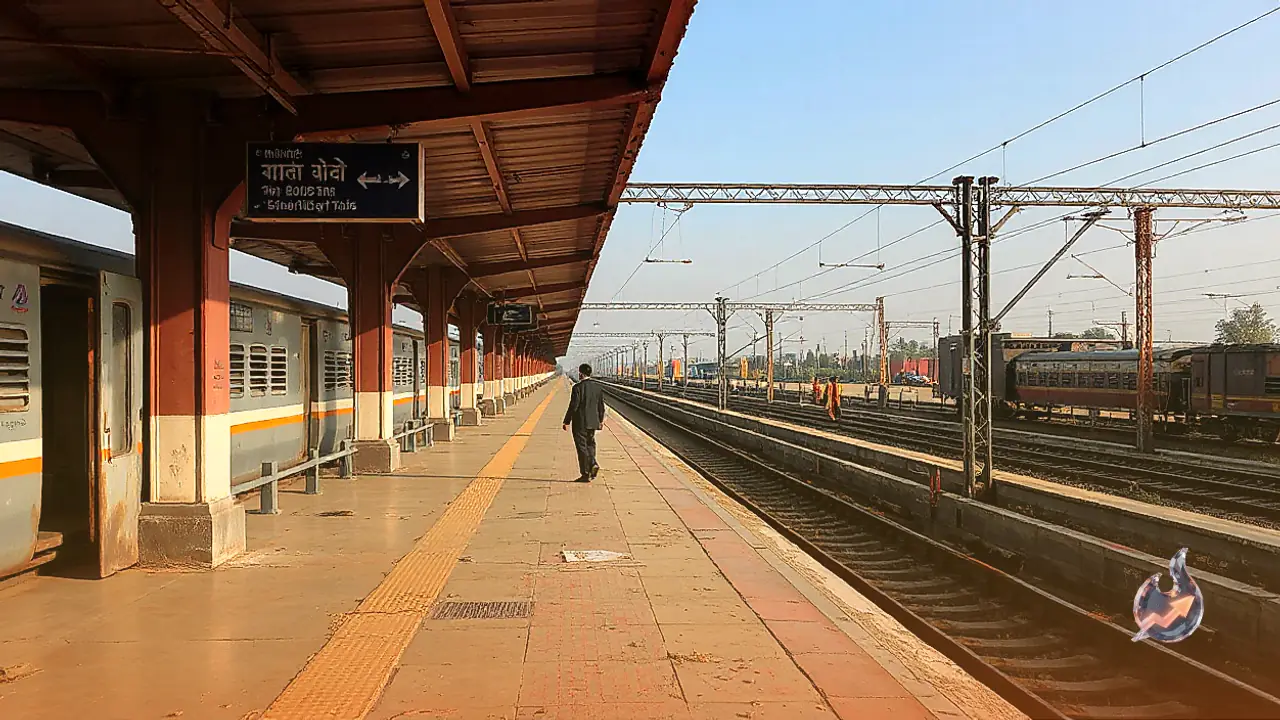

Transit operators across the National Capital Region have announced 20 extra daily trips for Namo Bharat train services starting Wednesday, November 4. The increased frequency spans the entire corridor connecting Sarai Kale Khan in Delhi with Modinagar and Modipuram in Meerut. Officials aim to persuade everyday commuters to leave private automobiles at home, while simultaneously easing peak festive travel loads anticipated around Diwali.
Severe Smog Prompts Drive for Cleaner Transit
The operational push comes as Delhi grapples with severe atmospheric pollution, recording an Air Quality Index of 397. Neighbouring urban hubs along the route, notably Ghaziabad and Meerut, are similarly recording air levels lingering in the very poor to severe brackets. Anti-pollution curbs under Graded Response Action Plan Stage 2 are already in place to arrest further deterioration. Furthermore, targeted vehicle restrictions barring specific automobile categories from entering Delhi took effect on November 1, leaving commuters in urgent need of clean transit options.
Multi-Modal Links and Digital Parking Tools
The high-speed rail corridor connects seamlessly with Indian Railways, Delhi Metro lines, inter-state bus terminals, and local city bus networks. Interchange stations such as Sarai Kale Khan, Anand Vihar, New Ashok Nagar, and Ghaziabad offer direct modal integration for seamless onward journeys. Commuters opting to drive to stations can utilise on-site vehicular parking facilities. Real-time slot availability is integrated directly into the Namo Bharat Connect smartphone application, allowing travelers to inspect parking capacity live before booking tickets and departing home.
Cutting Highway Congestion to Curb Emissions
Adding 20 trips each day is structured to deliver dependable timetable intervals and lower waiting times across the transit corridor. Planners anticipate that regular, swift departures will encourage daily car and motorbike users to switch to electric rail. Reducing motor vehicle traffic along the Delhi-Ghaziabad-Meerut highway corridor is expected to curb vehicular tailpipe emissions, supporting wider clean-air interventions across the smog-affected region.