
















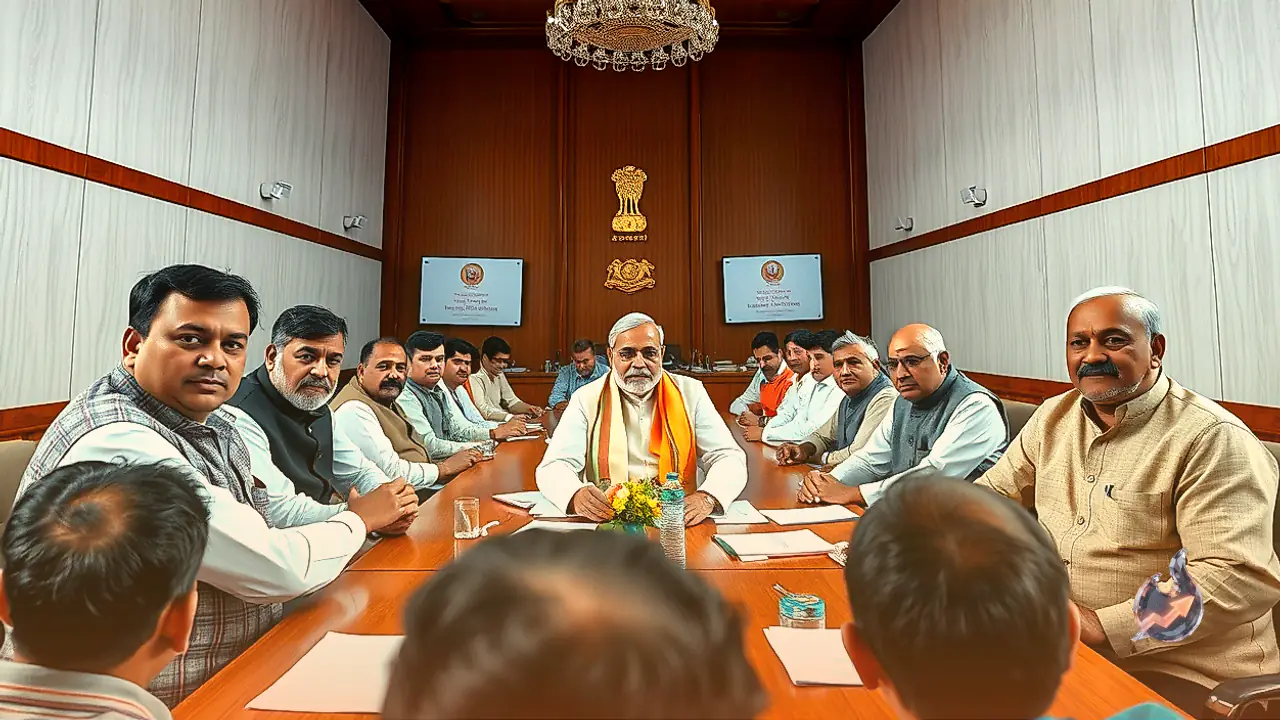

Speaking to journalists in Bengaluru on October 11, Congress President Mallikarjun Kharge launched a sharp attack against the central government, alleging a deliberate campaign to weaken the institutional independence of the Election Commission of India. Kharge argued that this erosion of autonomy is intended to facilitate electoral manipulation, and he announced that he and Rahul Gandhi will meet Chief Justice of India Surya Kant on October 12 to present the current challenges facing Indian democracy directly before the judiciary.
The Congress leader shared that both leaders had dispatched formal communications to the Chief Justice, seeking an audience on Monday between 4:00 PM and 5:00 PM. Kharge said, “We are going to meet the CJI on October 12. I have written a letter, and Rahul ji has also sent one. We have set a time between 4 and 5 PM. We will place the current situation before him. We cannot make demands of him, we can only present our appeal with folded hands.” He emphasised that their interaction aims to highlight institutional strain rather than pressuring the court for specific directives.
Internal Discord at the Election Commission and Scrutiny of the CEC
Directing his criticism at Chief Election Commissioner Gyanesh Kumar, Kharge alleged that dissent among commissioners within the poll body is being actively stifled. According to him, suppressing differing internal viewpoints has crippled the constitutional body, leaving it unable to function as an independent, neutral arbiter during elections.
Kharge stated, “The CEC is a constitutional body. They are independent. They can take independent decisions. But they are not letting them take independent decisions.” He asserted that two members of the commission had openly pointed out severe irregularities in how the body operates and shared their discomfort, yet no corrective action was undertaken. Kharge went on to claim that institutional compromises are being orchestrated to deliver electoral advantages to the ruling party, enabling it to form governments at the Centre and across various states.
Concerns Surrounding the 2023 Appointment Act and Immunity Provisions
A central pillar of Kharge's critique focused on the statutory framework enacted in 2023 that governs the appointment, conditions of service, and protections of the Chief Election Commissioner and other Election Commissioners. He alleged that the legislation created unprecedented shields to insulate top election officials from accountability.
Raising pointed questions about the statute, Kharge asked why an election commissioner should receive legal immunity that is not even extended to the President of India or the Chief Justice of India. He argued that granting lifelong immunity against mistakes and decisions creates space for electoral wrongdoing, EVM manipulation, and institutional subversion. Pledging to resist these measures, the Congress president insisted that such protections effectively amount to institutional fraud against the electorate.
Allegations of an Undeclared Emergency and Extensive Security Mobilisation
Targeting Prime Minister Narendra Modi and Union Home Minister Amit Shah, Kharge asserted that the country is currently enduring an undeclared emergency. He accused the top leadership of spreading institutional instability and using state machinery to clamp down on fundamental democratic freedoms.
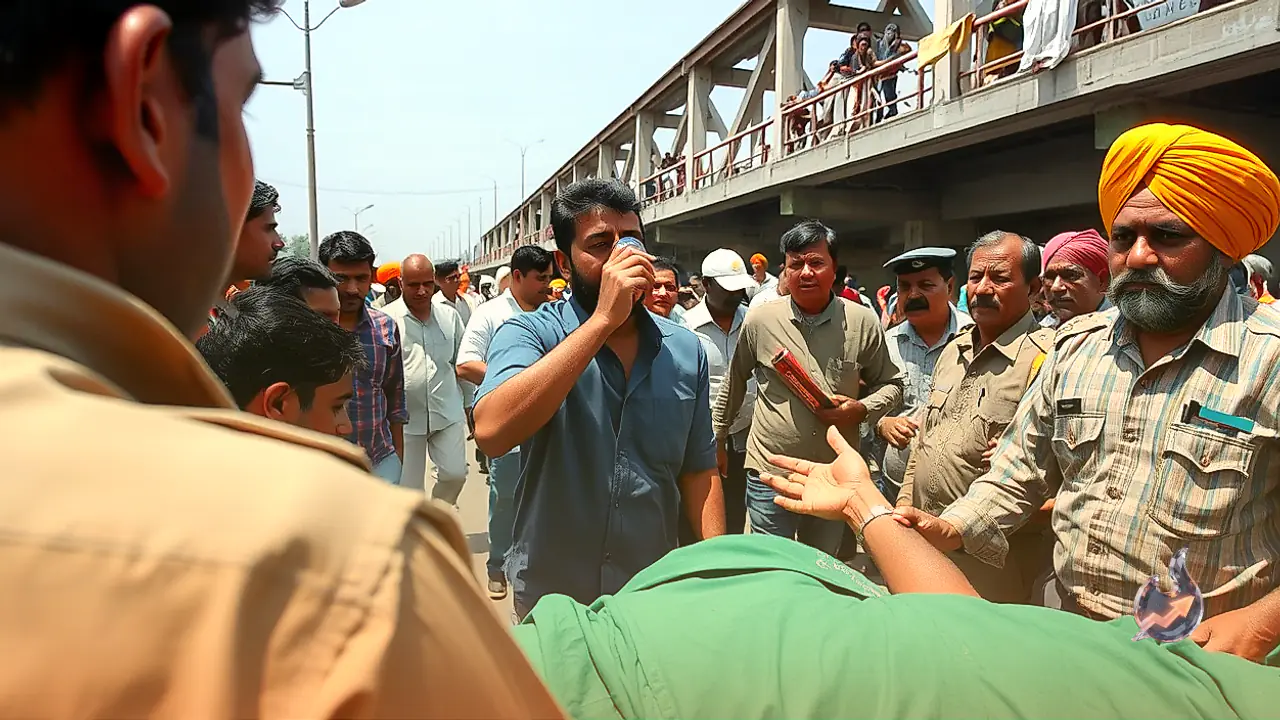
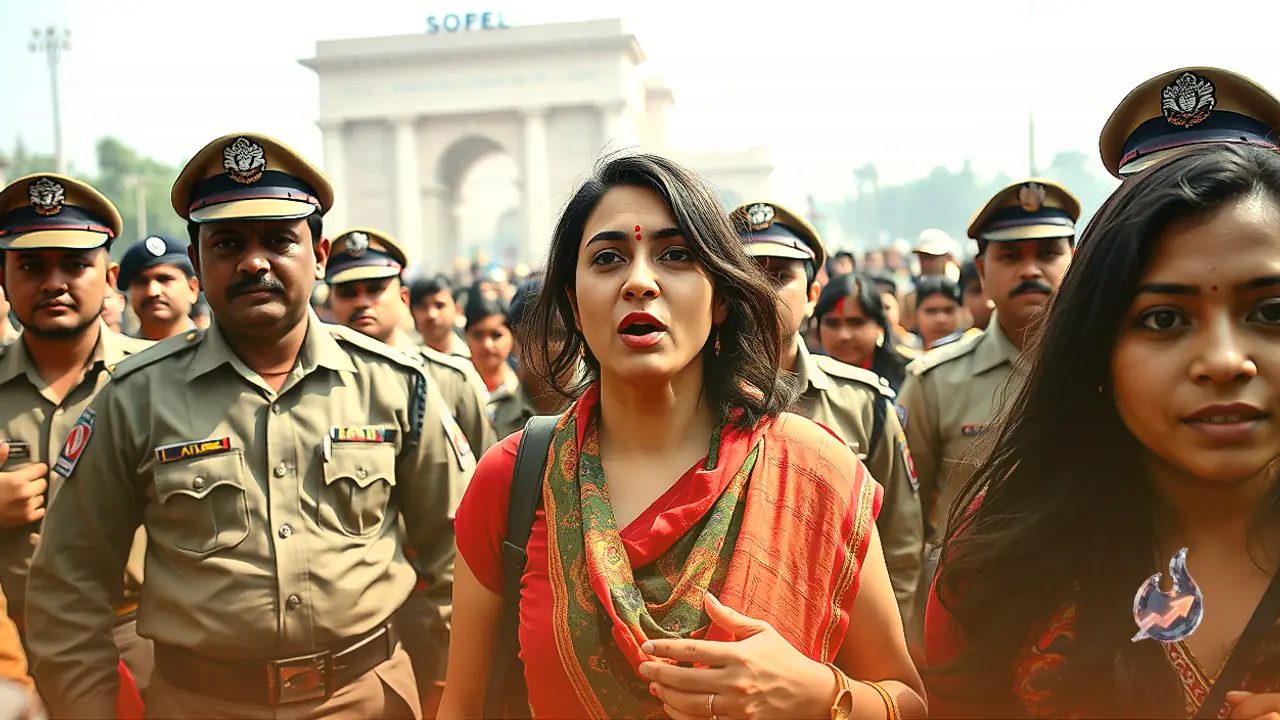
Pointing to the security measures deployed in the national capital, Kharge observed that approximately 32,000 police personnel were mobilized on October 10 to suppress demonstrations organized by opposition groups and CJP. He remarked that the scale of police mobilization reflected official unease over public discontent. The deployment followed tense confrontations in Delhi, where CJP-led demonstrators sought to assemble at Jantar Mantar demanding the resignation of Chief Election Commissioner Gyanesh Kumar.
Detentions in the National Capital and the Political Standoff
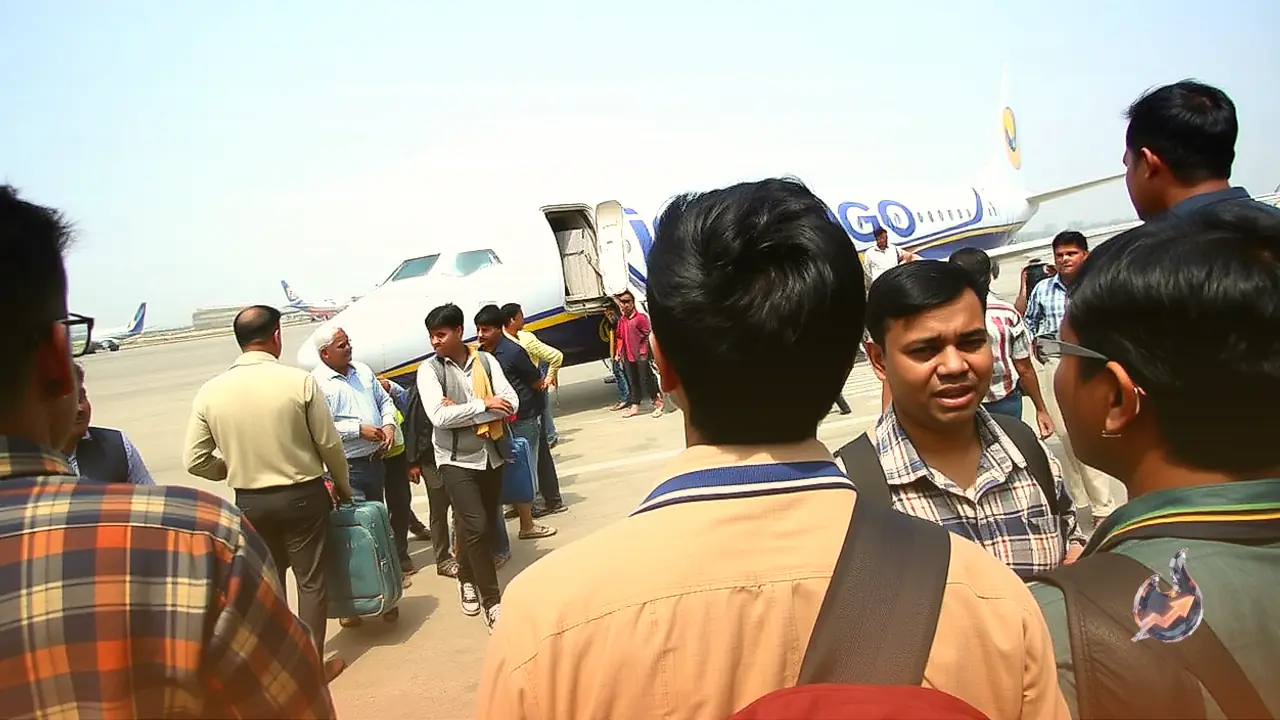
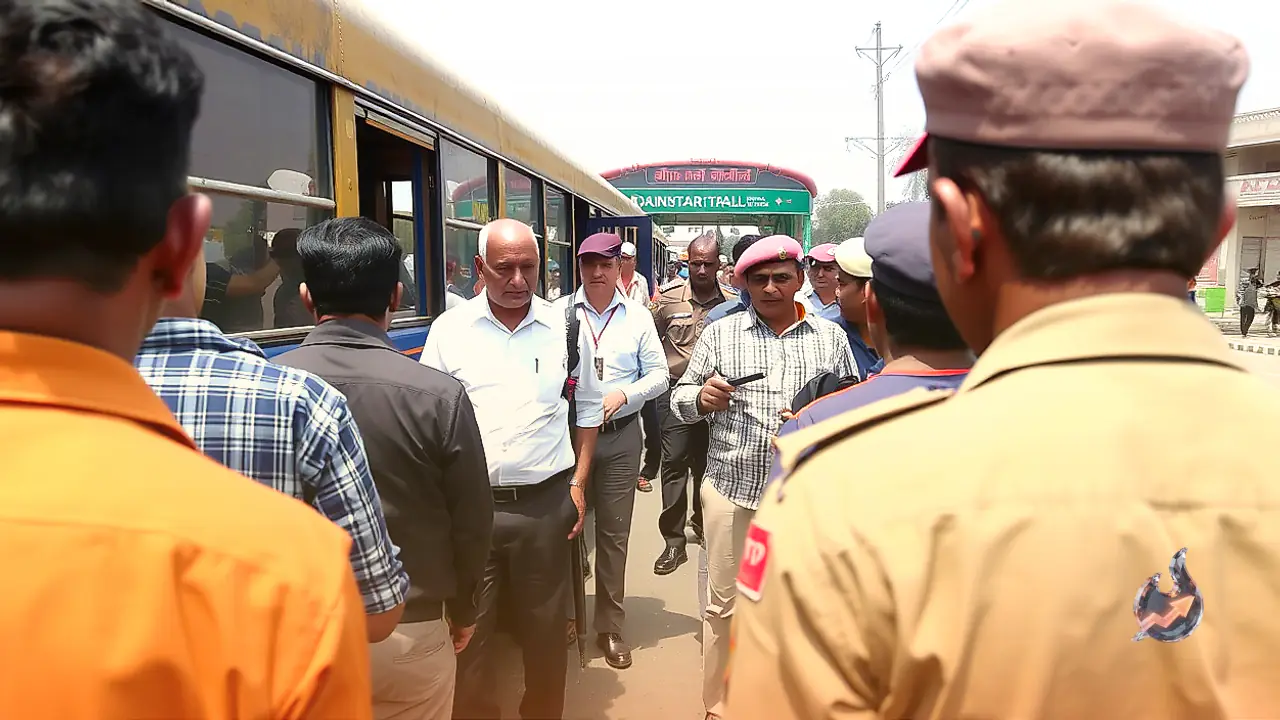
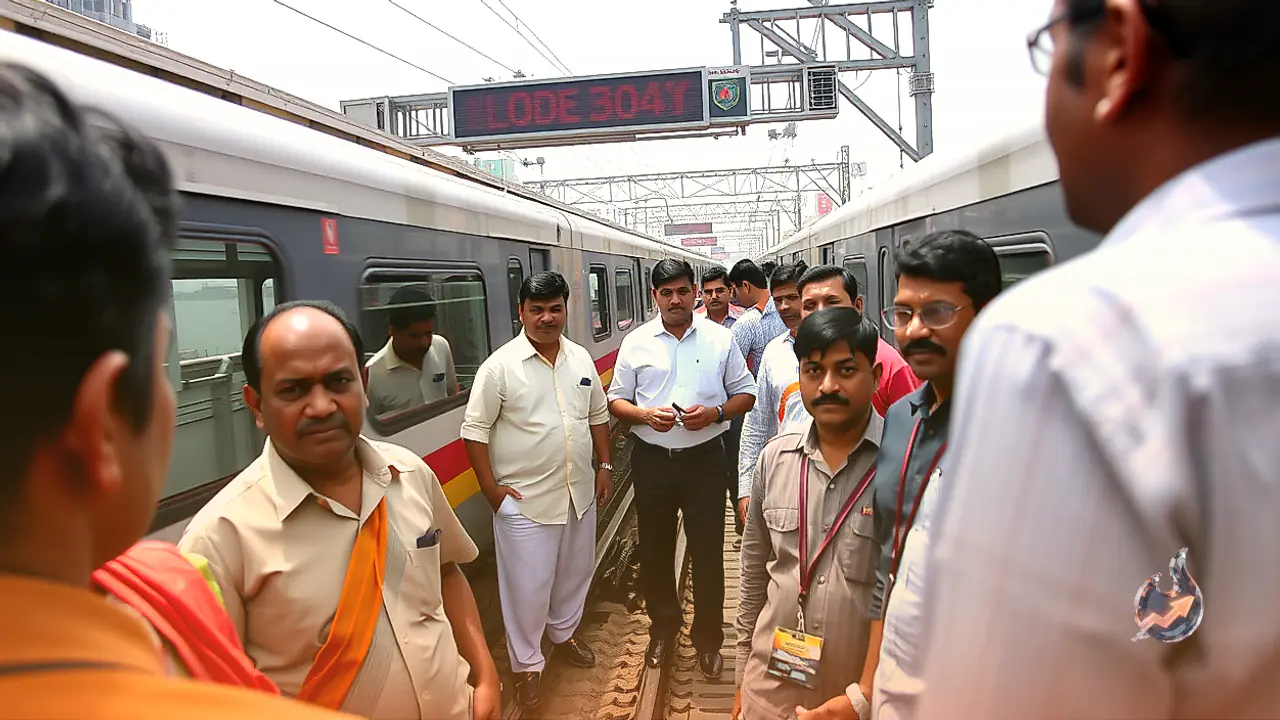
The enforcement measures in Delhi on October 10 involved aggressive preemptive tactics, including the detention of CJP figures Abhijeet Dipke, Ashutosh Ranka, and Sourav Das directly from an aircraft. Heavy barricades were erected along the Ghazipur border, while entrance gates across 45 metro stations were shut down to restrict commuter movement and curb gathering crowds.
Altogether, authorities took around 1,000 people into custody across the national capital. Among those detained were prominent opposition figures, including Aam Aadmi Party national convener Arvind Kejriwal, CPI(M) leader Pinarayi Vijayan, and TMC chief Mamata Banerjee. While opposition parties denounced the police actions as an outright suppression of democratic liberties, the ruling Bharatiya Janata Party mounted a counteroffensive defending the administration. Kharge affirmed that the joint outreach to the judiciary represents a crucial step in resisting attempts to curtail institutional accountability.