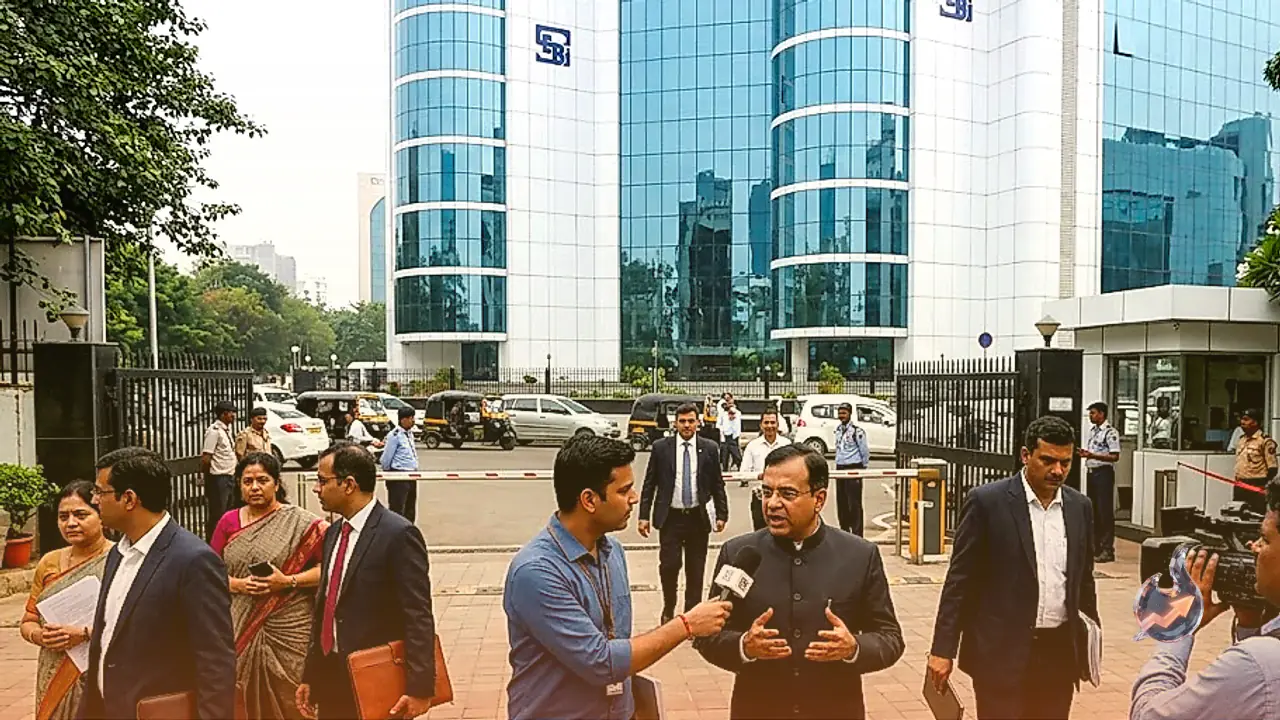
























Dalal Street has witnessed a striking rebound across information technology shares over recent trading sessions, breaking out of an extended phase of sluggish sentiment. The sudden upswing across Indian software services firms coincides with sweeping realignments across overseas equity markets. Financial analysts observe that this upward momentum is closely linked to shifting capital allocations across global technology segments rather than purely domestic drivers.
Domestic IT Giants Post Impressive Fortnightly Gains
Trading data from October 1 through October 14 highlights widespread accumulation across frontline Indian technology counters. HCLTech led the pack with an impressive 12.8 percent surge during this window. India's largest software exporter, TCS, advanced 11 percent, while Infosys climbed 9.6 percent. Wipro also recorded a strong showing with a 7.6 percent advance. Among mid-tier software providers, Coforge gained 6.2 percent, and Tech Mahindra moved up 4.4 percent.
Remarkably, these substantial gains materialized despite significant geopolitical headwinds. US President Donald Trump recently instituted stricter revisions to green card protocols and visa norms. Such regulatory tightenings in the United States typically raise compliance hurdles and operational headwinds for Indian offshore services firms, yet equity markets thoroughly brushed aside these risks.
Nifty IT Surge Mirrors Global Technology Sell-off
The pace of accumulation accelerated sharply in subsequent trading, with the Nifty IT index leaping 2 percent on October 15. That single-day jump capped an extraordinary 8 percent rally across just 3 trading sessions. However, contextualizing this domestic strength requires examining parallel turbulence across international trading floors.
Equities tied to artificial intelligence ventures and specialized semiconductor manufacturing have faced persistent liquidation across the United States and Asian financial hubs. Market watchers interpret the Indian rally as a classic case of sectoral reallocation. As institutional investors grew wary of stretched valuations and operational headwinds in chip foundries and nascent AI enterprises, capital flowed toward established Indian software contractors whose core earnings remain heavily anchored to American corporate demand.
Capital Spending Doubts and Valuation Strains in AI
The retreat in AI-linked stocks across Wall Street and Asian bourses extends far beyond routine profit-taking. Fundamental operational questions have begun surfacing around long-term economic returns. Global tech conglomerates have poured staggering sums into constructing modern data centers, procuring cutting-edge processors, and expanding high-end computing facilities.
Shareholders are increasingly scrutinizing whether these massive infrastructure outlays will generate proportionate bottom-line expansion within reasonable timeframes. Compounding these worries is sticky inflation in the United States, which keeps borrowing costs elevated and exerts ongoing pressure on the Federal Reserve to consider higher interest rates. Any further monetary tightening typically impairs richly valued technological assets that depend heavily on discounted future cash flows.
Heavy Liquidation Across East Asian Semiconductor Hubs
Market contractions across East Asian semiconductor capitals have been particularly severe. South Korea's benchmark Kospi plunged over 8 percent on October 15, while Japan's Nikkei slipped 5 percent during the same trading session. Global manufacturing powerhouses such as Samsung and SK Hynix experienced aggressive selling pressure, reflecting broader apprehensions surrounding hardware demand and supply chain margins.
Enterprise Software Models Benefit from Hardware Headwinds
Unlike pure-play semiconductor fabricators or hardware creators, India's premier technology corporations maintain diversified enterprise service portfolios. Their commercial engines focus on deploying cloud migrations, designing robust cybersecurity architectures, delivering comprehensive system integrations, and operationalizing practical AI applications for global enterprises.
This distinct business structure positions Indian IT vendors as pragmatists who convert enterprise technological adoption into reliable cash flows. Financial analyst VK Vijayakumar noted that the correction underway in AI shares could establish a constructive opening for Indian equities. This reallocation could also help slow down the persistent foreign institutional outflows that have weighed on domestic markets in recent months.
Quarterly Outperformance and Emerging Horizon Risks
Domestic corporate scorecards have provided meaningful support alongside global rotation trends. HCLTech benefited from exceptionally strong operational updates, having delivered September quarter expansion exceeding 21 percent, with its annualized AI business generating approximately 220 million dollars in revenue.
Conversely, while peers such as Wipro saw less dramatic quarterly operational boosts, they nonetheless enjoyed the broader sectoral tide that lifted counters like TCS. Maintaining this upward trajectory will hinge on whether foreign portfolio participants choose to curtail or maintain their net selling across Indian equities. Furthermore, should elevated US inflation prompt tighter enterprise spending curbs or additional interest rate hikes, corporate IT budgets could contract, eventually presenting fresh hurdles for Indian offshore service providers.