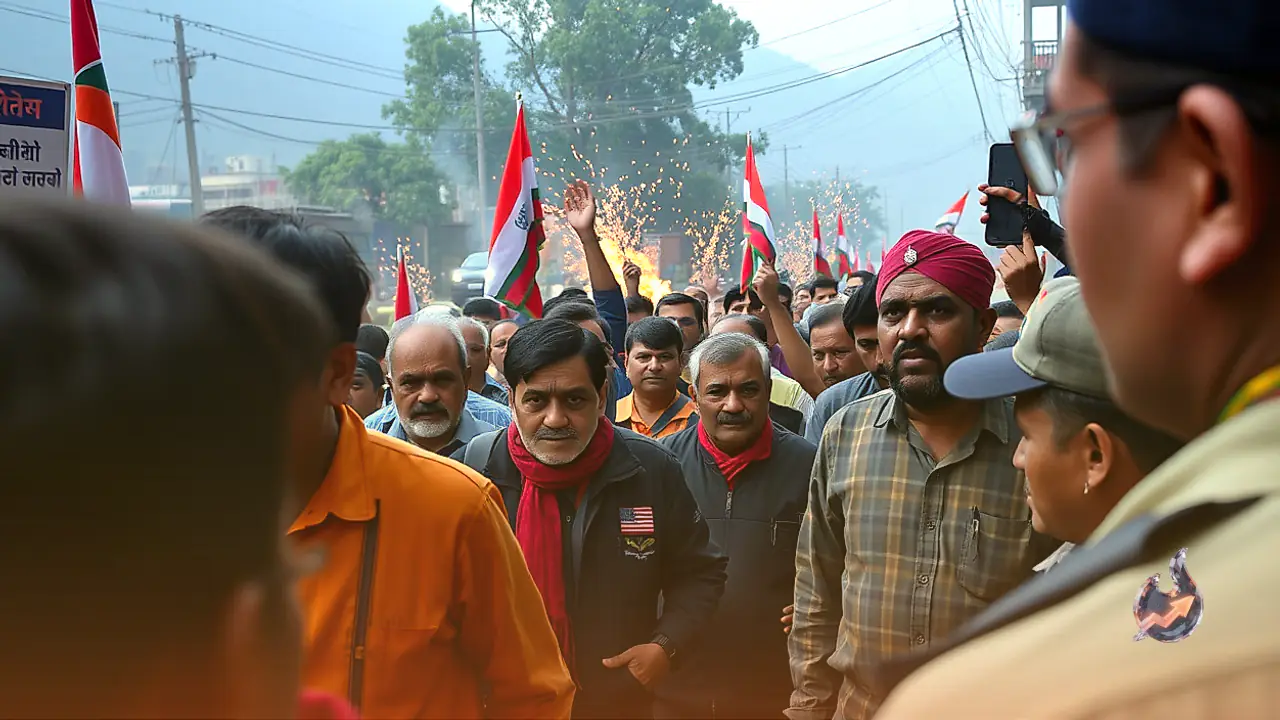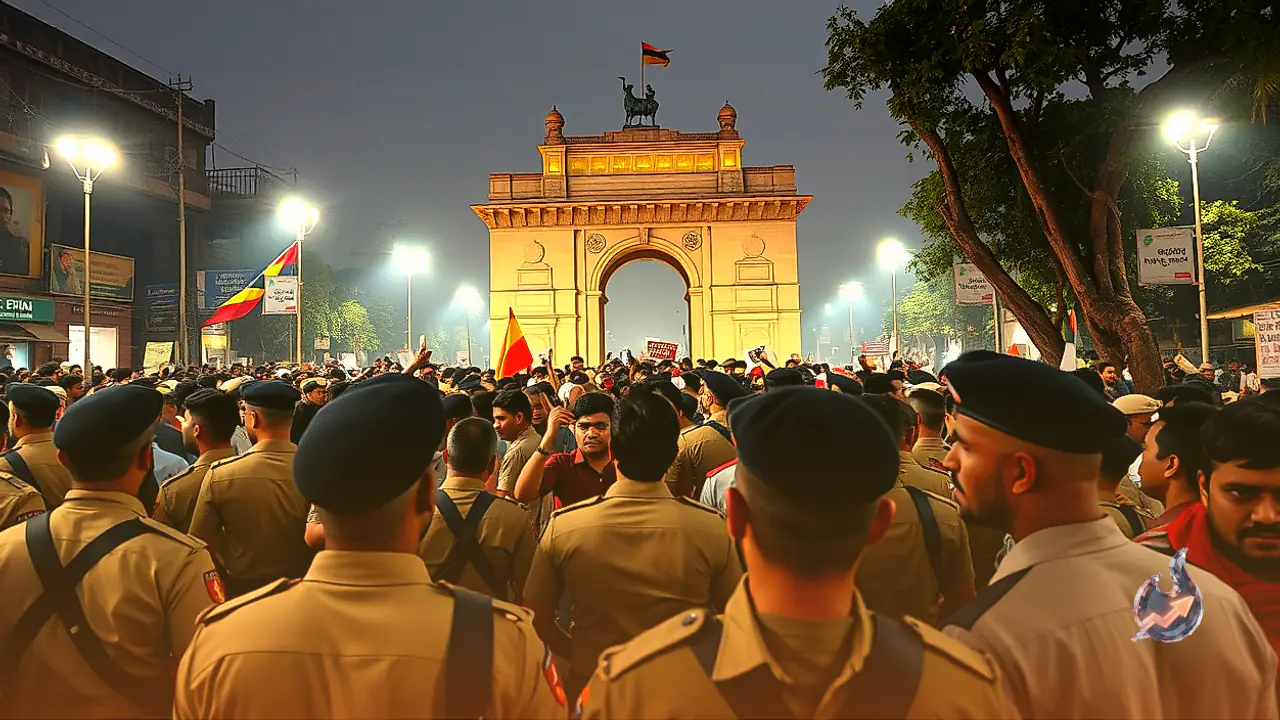
















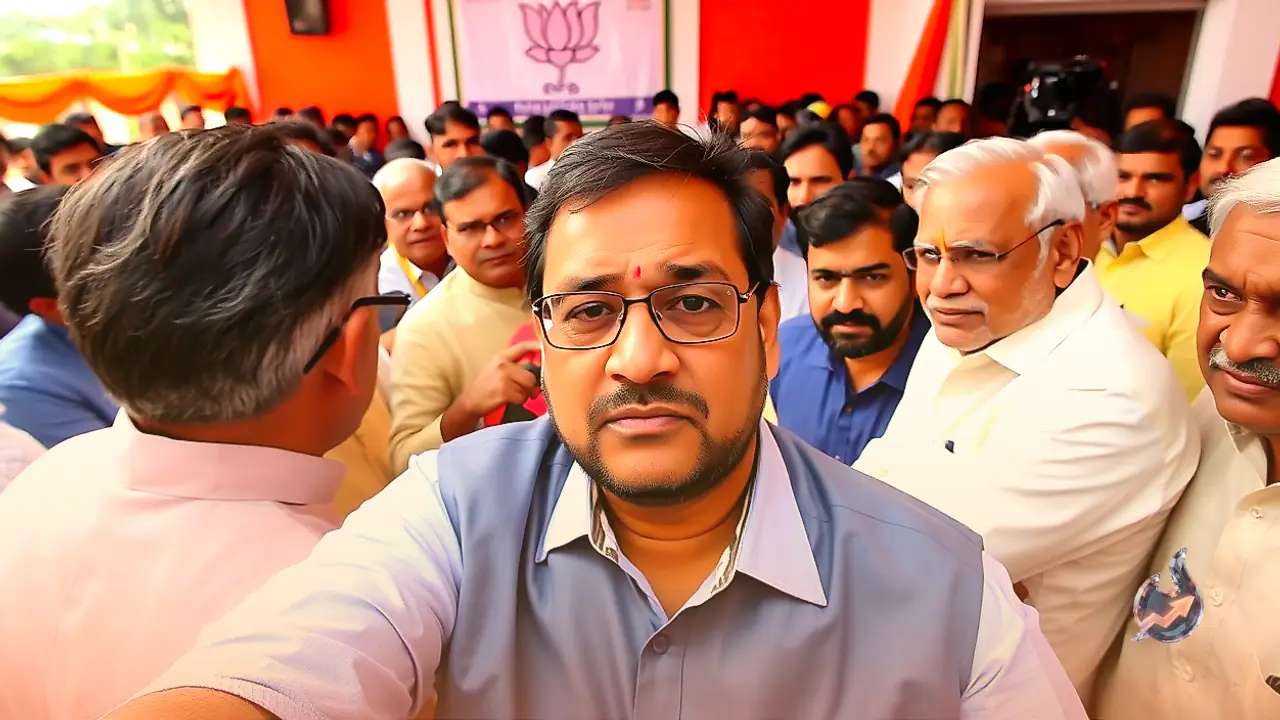

A sharp political confrontation has erupted following an attempt by senior opposition figures to involve the judiciary in their ongoing battle against the election machinery. Congress leader Rahul Gandhi and party president Mallikarjun Kharge had formally sought an appointment with Chief Justice of India Surya Kant to voice grievances regarding election integrity. However, the Chief Justice turned down the requested interaction on grounds that related matters are already under active consideration before the Supreme Court. The refusal triggered an immediate counteroffensive from the Bharatiya Janata Party, which accused the opposition of crossing institutional boundaries.
Ruling Party Accuses Opposition of Disregarding Separation of Powers
Criticising the move on social media platform X, BJP spokesperson Gaurav Bhatia asserted that the judiciary must remain strictly insulated from daily political battles. He argued that the opposition's impatience for political power had led Rahul Gandhi to confuse constitutional law with political posturing. According to Bhatia, the Chief Justice's decision to decline the meeting sends an unequivocal message that constitutional institutions cannot be dragged into partisan confrontation.
Addressing the symbolic display of the legal text by opposition leaders, the BJP spokesperson remarked, “Read it, respect it and understand the principle of separation of powers.” He emphasized that merely carrying a copy of the Constitution does not equate to comprehending its spirit, adding that the founding document serves as a guide for governance rather than an instrument for political demonstration.
March to the Top Court and Key Demands Put Forward by the Opposition
The opposition parties have significantly escalated their offensive against Chief Election Commissioner Gyanesh Kumar, scheduling a demonstration march towards the Supreme Court on October 12. Both Rahul Gandhi and Mallikarjun Kharge had addressed letters seeking time between 4:00 PM and 5:00 PM on Monday to present a formal memorandum directly to the Chief Justice.
Their planned petition included pressing demands to prevent alleged vote theft, secure the immediate resignation of the Chief Election Commissioner, suspend the ongoing Special Intensive Revision (SIR) of electoral rolls, and reinstate the traditional paper ballot mechanism. With the top court already seized of similar legal petitions, the request for an audience was turned down, leaving the political dispute to play out in the public arena.