
























Western Rajasthan is celebrated not just for its warrior heritage and architectural fortresses, but equally for its strategic commercial foresight. Situated at the southwestern tip of Pali district, the bustling town of Sumerpur operates as the undisputed economic nerve center of the Marwar region. The Maharaja Umaid Singh Krishi Upaj Mandi located here forms the largest trading floor for food grains and oilseeds across the arid belt. What currently functions as an indispensable supply corridor connecting farmers, wholesale merchants, and distant distribution hubs began as a visionary urban and commercial initiative early in the twentieth century.
The Commercial Vision of the Jodhpur Royal Rulers
The township owes its establishment to Maharaja Sumer Singh (1911–1918 AD), the 34th ruler of the Princely State of Jodhpur. During the early years of the twentieth century, as rail networks and modern transit routes were being expanded across Marwar, Maharaja Sumer Singh identified this critical geographic intersection where the frontiers of Mewar, Sirohi, and Marwar converged. His objective centered on establishing a well-planned commercial settlement that could provide local cultivators with a dedicated marketplace for their agricultural yields while serving as a bustling transit node for cross-regional commerce. Commemorating his initiative, the emergent township was named Sumerpur.
Founding of the Maharaja Umaid Singh Krishi Upaj Mandi
Following the passing of Maharaja Sumer Singh, his successor Maharaja Umaid Singh took charge of Jodhpur and transformed this developmental blueprint into institutional reality. To structure wholesale commodity trading and provide cultivators with formal auction facilities, he laid the cornerstone for the sprawling agricultural yard, officially titled Maharaja Umaid Singh Krishi Upaj Mandi. This organized platform dismantled fragmented middlemen practices, providing structured trade security to the agrarian community across Western Rajasthan.
Impact of the Jawai Dam on Regional Agricultural Yields
A transformative turning point in the fortunes of the township arrived with Maharaja Umaid Singh initiating the construction of the Jawai Dam to insulate the Marwar plains from recurrent famines. Once irrigation waters from the Jawai reservoir reached agricultural holdings across Sumerpur and adjoining rural clusters, local crop production experienced a dramatic surge. Enhanced soil productivity and dependable irrigation encouraged the cultivation of high-yield oilseeds and specialty crops. This monumental boost in agricultural volumes channeled vast surpluses into the Sumerpur market yard, elevating its status to unprecedented commercial heights.
Key Commodities and National Market Recognition
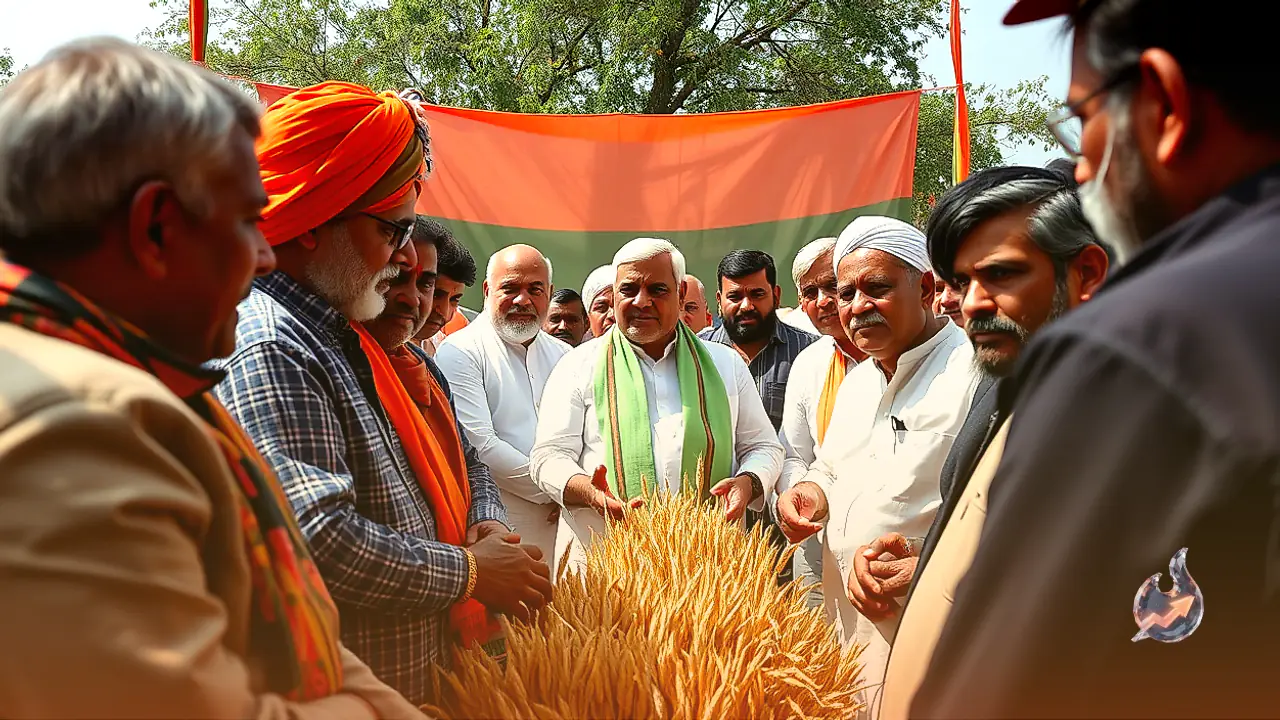
The Sumerpur market yard caters as the primary sales terminal for agricultural producers across Pali, Jalore, Sirohi, and Barmer districts, as well as adjoining agrarian tracts along the Gujarat border. The local commodity variety known as Sumerpuriya wheat has gained widespread nationwide renown for its superior grain texture and premium milling quality. Alongside wheat, heavy daily consignments of mustard, cumin, castor seed, and diverse oilseeds attract bulk commercial buyers and processing enterprises from across the country.
Strategic Transportation Links and Diverse Commercial Expansion
A critical catalyst behind the enduring supremacy of Sumerpur is its strategic transit positioning. Seamless integration with active railway lines and high-capacity four-lane highway arteries facilitates the rapid dispatch of grain consignments directly to commercial seaports in Gujarat as well as consumer states across South India. Beyond agricultural commodities, Sumerpur has established a formidable commercial footprint across Rajasthan as a prominent wholesale destination for pure desi ghee, grocery merchant networks, and automotive spare parts distribution.