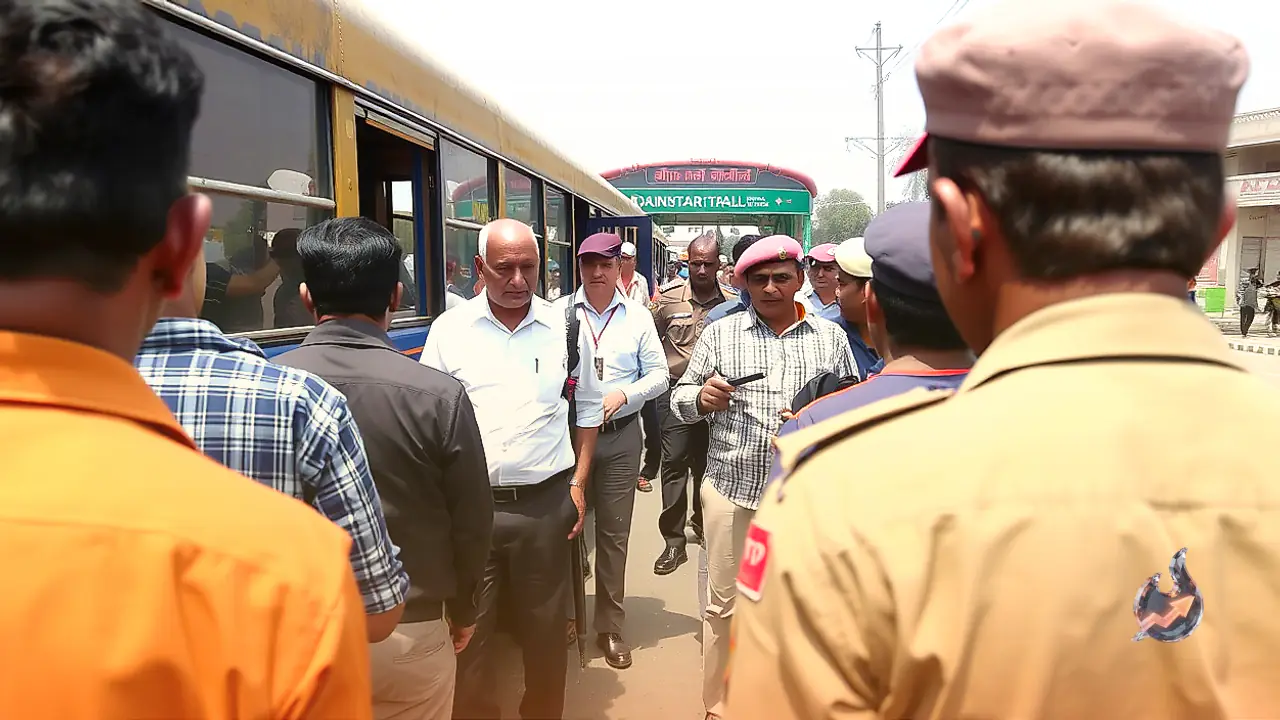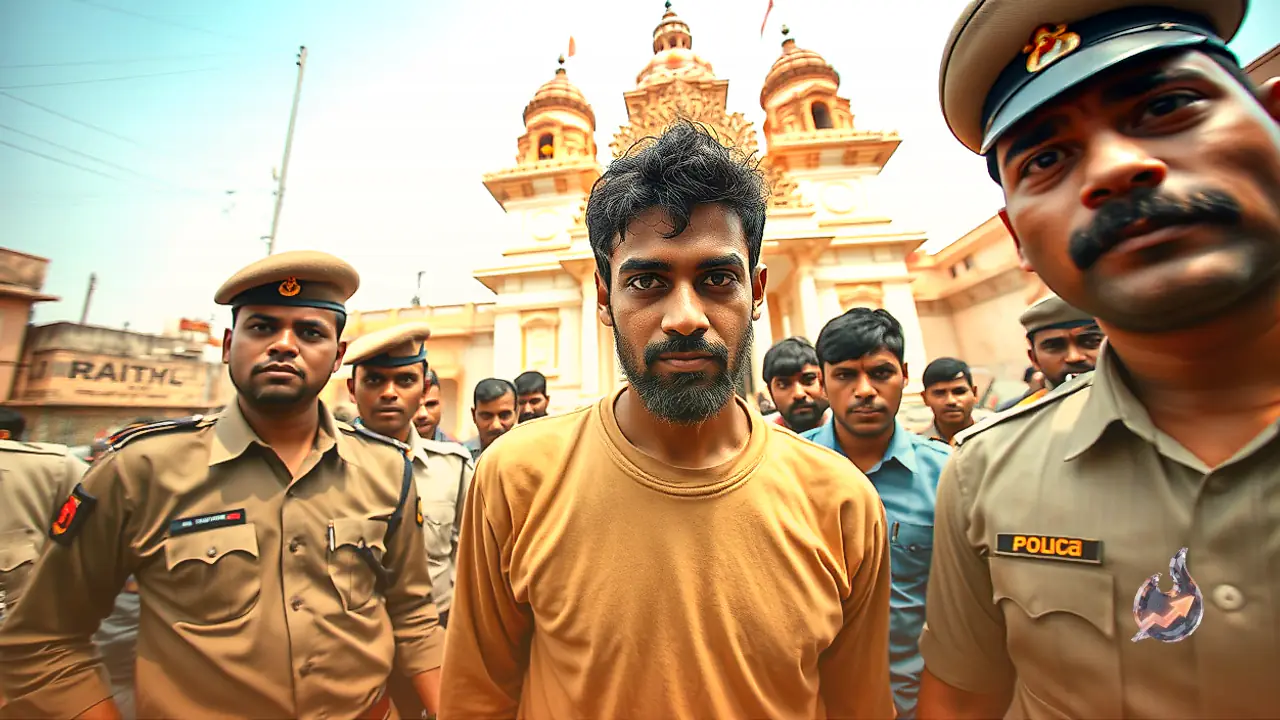


















A high-profile leadership transition at the Uttar Pradesh Congress headquarters in Lucknow descended into chaos on Sunday, 11 October 2026. The occasion was organized for Aradhana Mishra Mona to formally assume the position of state unit president, with outgoing state chief Ajay Rai present to facilitate the transfer of responsibility. However, moments before the official proceedings could commence, internal factionalism violently spilled into the open.
Dispute Over Passage Escalates into Violence
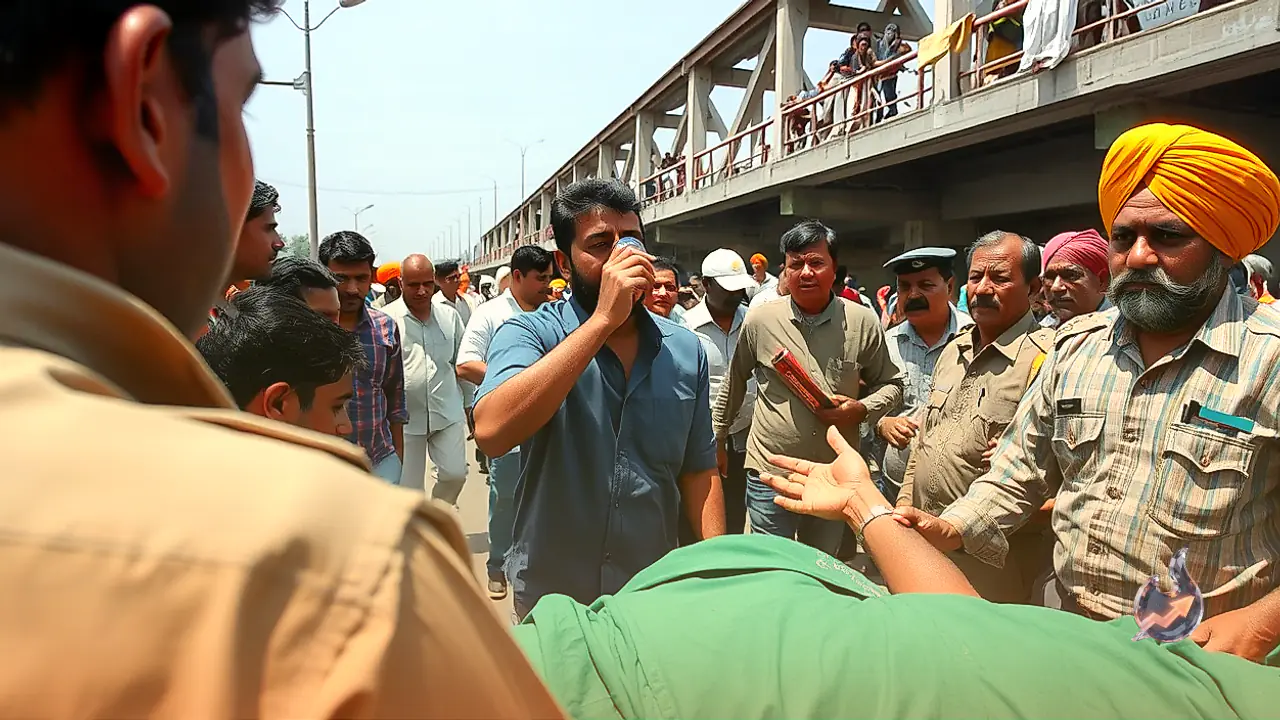
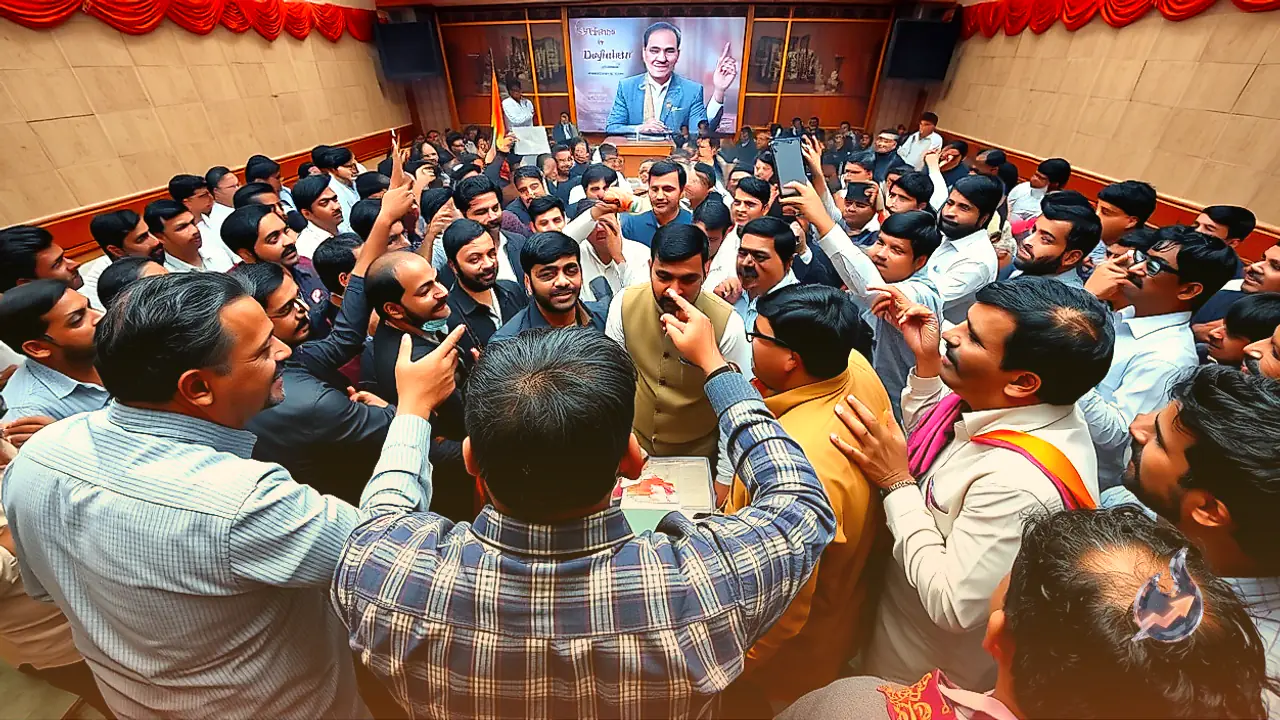
Tensions flared when loyalists of Ajay Rai requested that a passageway within the party premises be cleared. This triggered a heated exchange with a group affiliated with municipal councillor Mamta Choudhary. What began as verbal sparring over an alleged objectionable remark swiftly deteriorated into foul language and physical confrontation. Workers from both sides charged at one another inside the building.
The confrontation rapidly turned chaotic as supporters hurled chairs, traded blows, and attacked one another with footwear. Following the scuffle, Ajay Rai accused rival members of misbehaving with him and his loyalists. Visibly incensed by the treatment meted out to his delegation, Rai walked out of the venue and staged a sit-in protest outside the premises. Senior organizational functionaries alongside local police personnel had to step in to defuse the situation and persuade Rai to relent.
Opposition Seizes on Internal Ruckus
The embarrassing disorder immediately handed political ammunition to the ruling Bharatiya Janata Party. The state unit of the BJP released footage of the brawl across social media platform X, mocking the factional feud and labeling it a reflection of deep-seated indiscipline within the opposition party. Opponents argued that an outfit unable to maintain decorum inside its own office lacks the capacity to govern the state.
Factional Rivalries and Caste Balancing Challenges
The unrest highlights significant structural vulnerabilities for the party as it attempts to revamp its grassroots machinery ahead of the 2027 assembly elections. Ajay Rai had long maintained an active profile across Uttar Pradesh, working to energize cadres and mount opposition against the ruling dispensation. In a bid to construct fresh political equations, the high command appointed Aradhana Mishra as president alongside Imran Masood as working president.
This arrangement sought to construct a delicate balance involving Brahmin representation through Mishra and Bhumihar backing via Rai. Yet, the friction witnessed on the first day exposed deep undercurrents of resentment. Whenever incumbent leaders are replaced, preserving the dignity of long-standing officeholders is critical to preventing cadre disenchantment. The spectacle of conflict during a formal handover signals persistent difficulties in bridging divide between rival camps.
Broader Political Ramifications Ahead of Polls
The public display of hostility may compromise the party's negotiating position in future seat-sharing parleys with the Samajwadi Party. Demonstrations of internal fragility typically invite greater pressure from regional allies during coalition bargaining, potentially tilting the strategic balance in favor of Akhilesh Yadav. Furthermore, the chaotic scene undermines the national narrative of unity and tolerance championed by Rahul Gandhi.
Nonetheless, political observers suggest that treating Rai's immediate grievance as a total breakdown across the entire state structure would be premature. The central challenge now shifts to how effectively party managers resolve lingering tensions and restore mutual trust between outgoing and incoming factions. The newly installed leadership team faces an uphill task in restoring cadre morale, fortifying booth-level networks, and instilling strict organizational discipline.