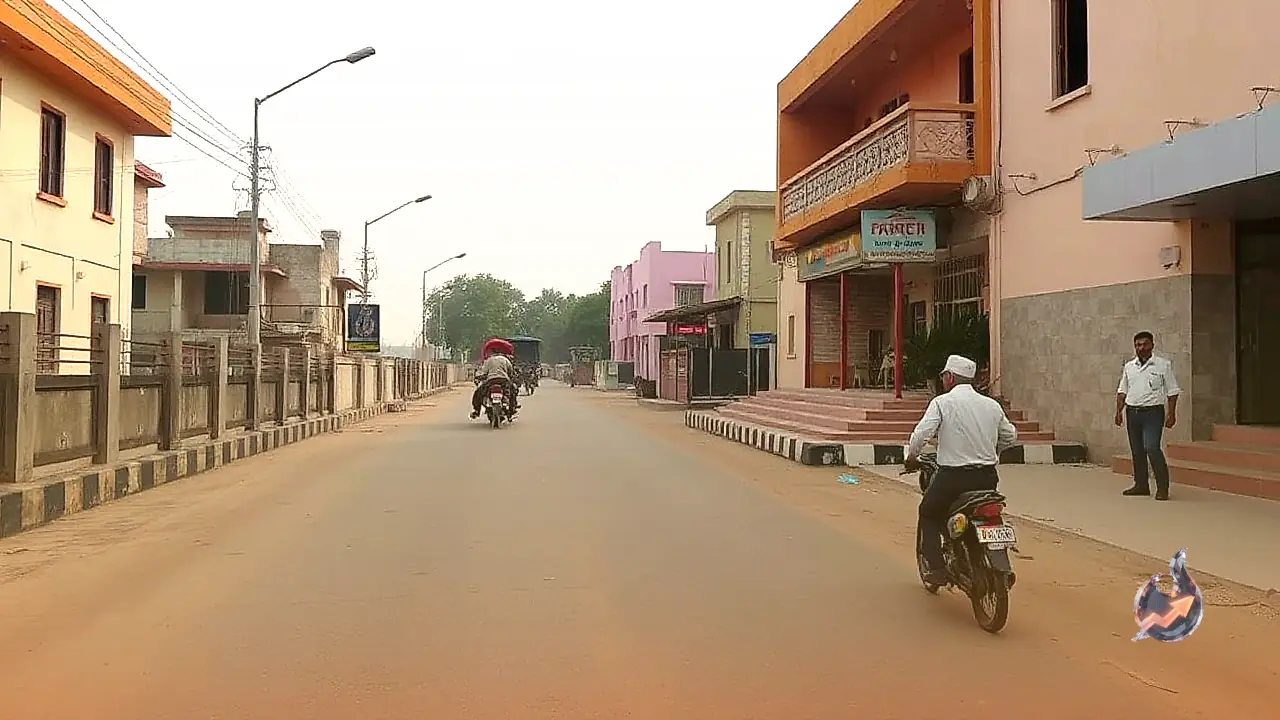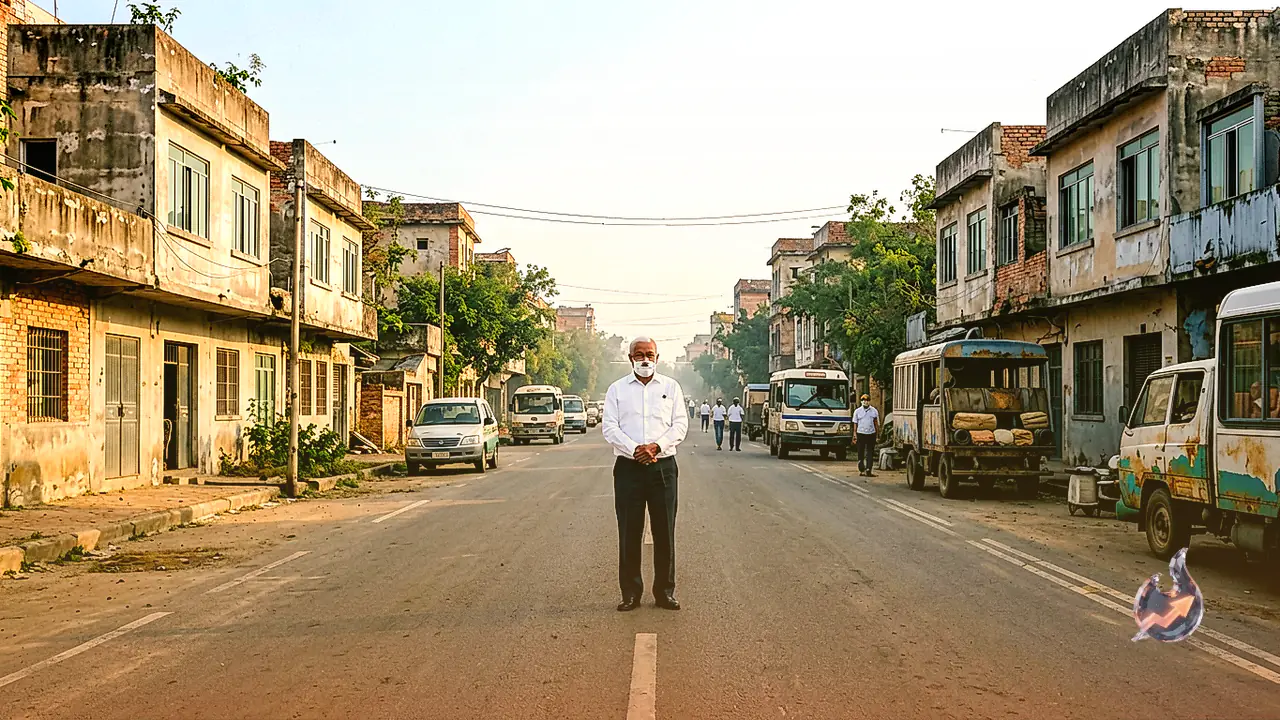






















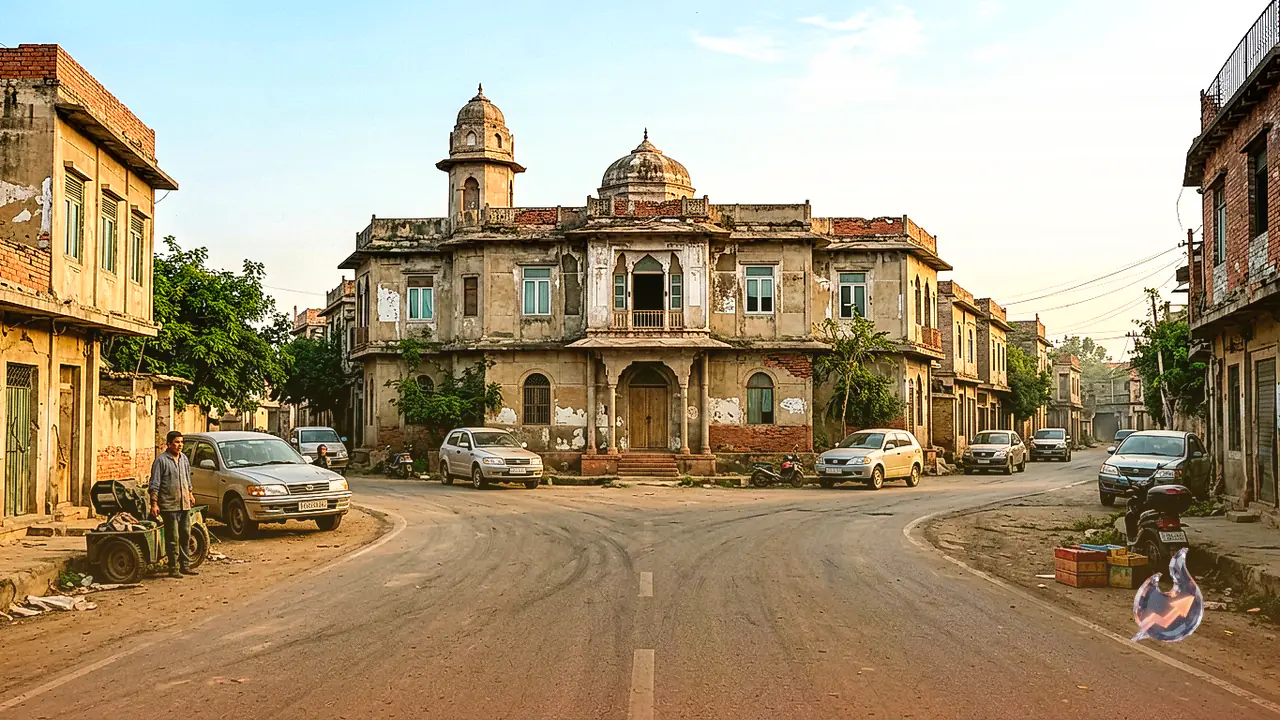

A cornerstone of India's freedom movement, the country's very first Gandhi Ashram located in Ghathera village of Saharanpur district, Uttar Pradesh, is currently fighting for its survival amidst utter official neglect. While state and central governments are actively restoring historical sites into tourist destinations, this heritage campus where freedom struggle strategies were drafted is crumbling into ruins due to lack of preservation efforts.
A Strategic Sanctuary for Top National Leaders and Revolutionaries
During the British colonial regime, the ashram in Ghathera served as a vital sanctuary for revolutionaries operating across northern India. Prominent national figures including former Prime Minister Lal Bahadur Shastri and senior leader Kamlapati Tripathi frequently visited the center to hold confidential discussions and outline freedom strategies. The historic operation to burn down the Manani railway station was planned inside this ashram before being successfully executed by revolutionaries. Furthermore, representatives and villagers from 32 surrounding villages regularly assembled here to coordinate grassroots resistance against British authorities.
Establishment by United Provinces Justice Minister
Saharanpur held a strategic position during the independence struggle led by Mahatma Gandhi. To provide an organized base for regional freedom activities, the foundation for the center was laid in April 1939 near Delhi Road in the Rampur Maniharan assembly region. Kailash Nath Katju, who was then the Justice Minister of the United Provinces, established the facility, which gained full prominence as the nation's premier Gandhi Ashram by 1943. Whenever local freedom fighters needed a secure location for confidential consultations, the Ghathera ashram remained their primary choice.
A Nationwide Training Hub for Gandhian Cadres
Beyond functioning as a venue for high-level political meetings, the Ghathera campus operated as a comprehensive training facility for national cadres. Young volunteers were educated here in Gandhian ideology, village industries, spinning, and public service. Upon completing their instruction, trained personnel were deployed to manage Gandhi Ashrams established across various provinces of India. Through this process, the Saharanpur center served as an operational nerve center strengthening the nationwide Gandhian network.
Awaiting Restoration During Amrit Kaal Celebrations
Literary scholar Dr. Virendra Azam noted that Saharanpur remained closely tied to every major movement initiated by Mahatma Gandhi. Although the nation is celebrating Amrit Kaal, this iconic landmark has suffered persistent disregard over the decades. The structure is currently in a dilapidated condition, with walls and roofs giving way. Local historians and community members have urged authorities to grant the ashram protected heritage status and develop it into a memorial museum so future generations can learn about its role in India's independence.