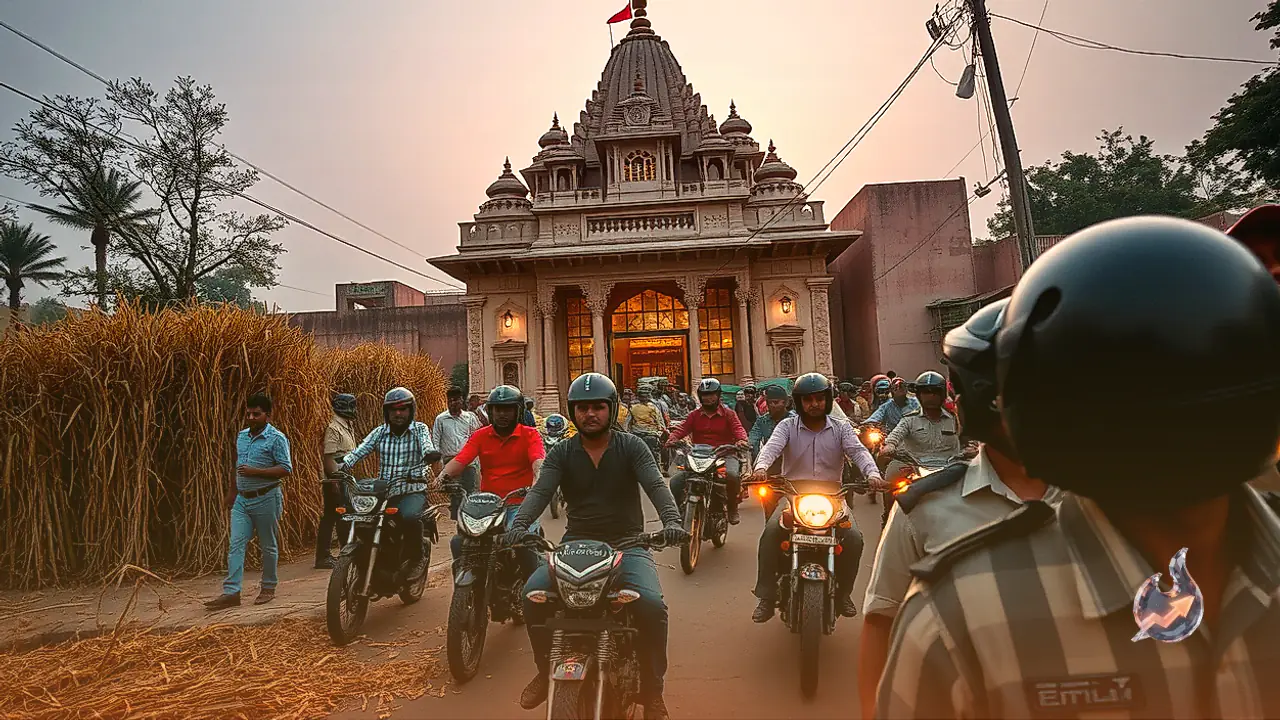















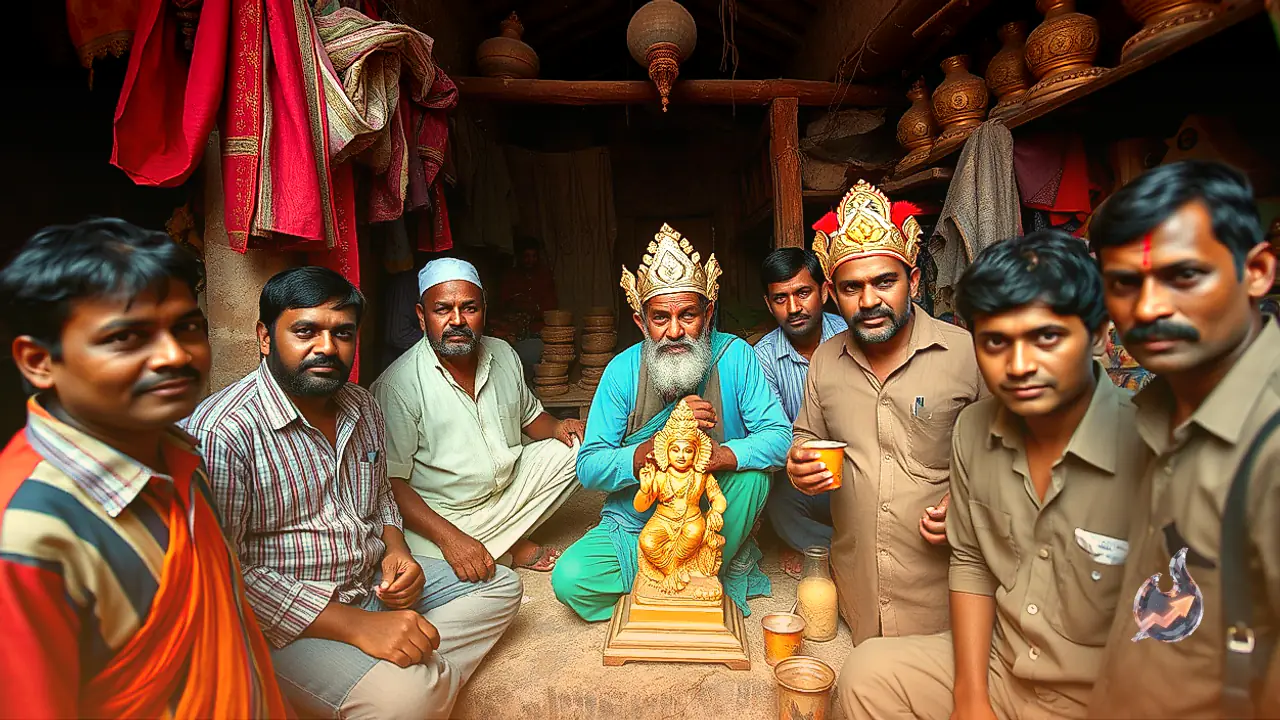

During the festive season of Sharad Navratri, the historic city of Jhansi in Uttar Pradesh witnesses a compelling picture of communal harmony and shared cultural heritage. Amid the citywide spiritual fervour, artisan Abdul Khalil stands out as a prominent sculptor devoted to carving idols of Goddess Durga. His household has remained deeply committed to the craft of making religious sculptures for nearly 40 to 45 years. What originally started as an artisanal livelihood under his father has now blossomed into a sustained family tradition. Abdul Khalil has carried this skilled practice forward with meticulous dedication, and remarkably, his own children are now demonstrating a keen interest in mastering the craft.
A Craft Passed Across Generations
The practice of sculpting idols in Abdul Khalil's household has traveled smoothly from one generation to the next. His father spent decades crafting depictions of diverse Hindu deities. Growing up around the workshop, Abdul Khalil watched his father work day after day, gradually absorbing the intricacies of handling clay, shaping armatures, and refining structural outlines. Over time, observing turned into active learning, allowing him to gain hands-on experience in bringing fine facial expressions and balanced anatomy to life. Following his father's demise, the complete responsibility of keeping the family vocation afloat landed on Abdul Khalil. He stepped forward to carry the craft forward with identical rigor, passion, and meticulous attention to detail, maintaining the standard established decades earlier.
The Intricate Process of Sculpting Durga Idols
Transforming raw earth into an imposing idol of Maa Durga is an elaborate, multi-stage procedure that demands technical precision and immense patience. The process begins with constructing a sturdy internal framework using bamboo and wood to support the weight of the structure. Once the foundation is secured, specialized clay mixtures are applied in layers to flesh out the figure. Carving delicate facial features, detailing the hands and mudras, and maintaining proper physical proportions across multiple limbs represent the most sensitive parts of the work. Any disproportion can disrupt the overall aesthetic harmony. After the clay dries thoroughly, smoothing washes are applied before moving to coloring and ornamental embellishment. From base coats to final touches of paint and decorative clothing, each stage requires deep technical focus, as every element plays a pivotal role in bringing out the divine presence of the finished idol.
Festival Rush and an Emerging Third Generation
Whenever the days of Navratri draw near, demand for goddess idols surges sharply across the region, creating an intense work schedule for artisans. Abdul Khalil relies on his decades of practical knowledge to manage the heavy workload and deliver customized orders on time. For him, every completed idol represents not merely a commercial order, but a continuation of the artistic skills he acquired from his father. Over the decades, this work has become central to his life and personal identity. The newest link in this generational continuum is formed by Abdul Khalil's children. Having observed their father fashioning clay into divine forms throughout their upbringing, they are eager to learn the art themselves. They frequently assist around the workspace, learning how to prepare clay and practicing preliminary structural forms. While achieving mastery over such a detailed craft demands prolonged practice and rigorous patience, their active participation ensures the family tradition will continue into the future.
Bridging Communities Through Common Traditions
The work of Abdul Khalil's family reflects an authentic facet of Jhansi's inclusive culture, where craftsmanship easily transcends religious divides. Sculpted by the steady hands of a Muslim craftsman, these depictions of Maa Durga become central sacred objects for devotees celebrating Navratri in pandals and homes. While the artisan invests creative focus and labor into perfecting each feature, worshippers welcome the finished idols with reverence and deep faith. Spanning roughly four to five decades, this dedicated pursuit is no longer just a household livelihood; it has matured into a treasured family legacy handed down through time. From father to son, and now towards the grandchildren, the craft demonstrates how shared cultural traditions, artistic endeavor, and honest craftsmanship can bring diverse communities together in mutual respect.