




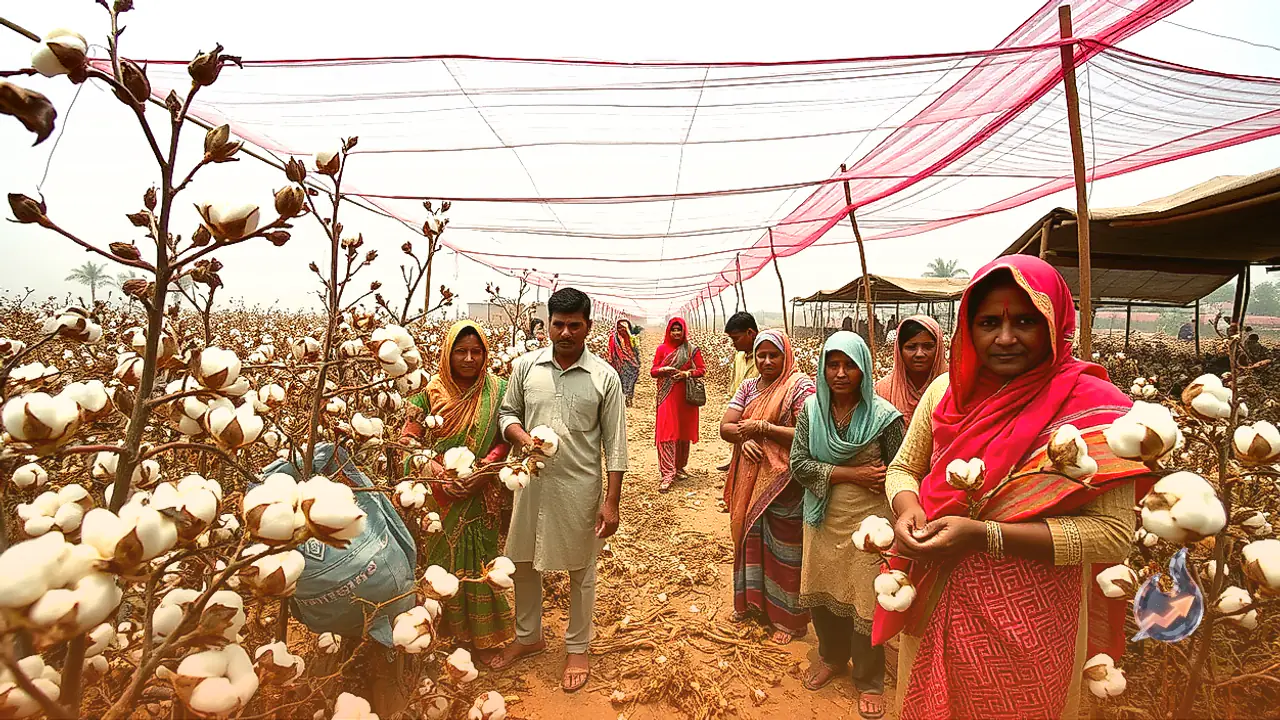















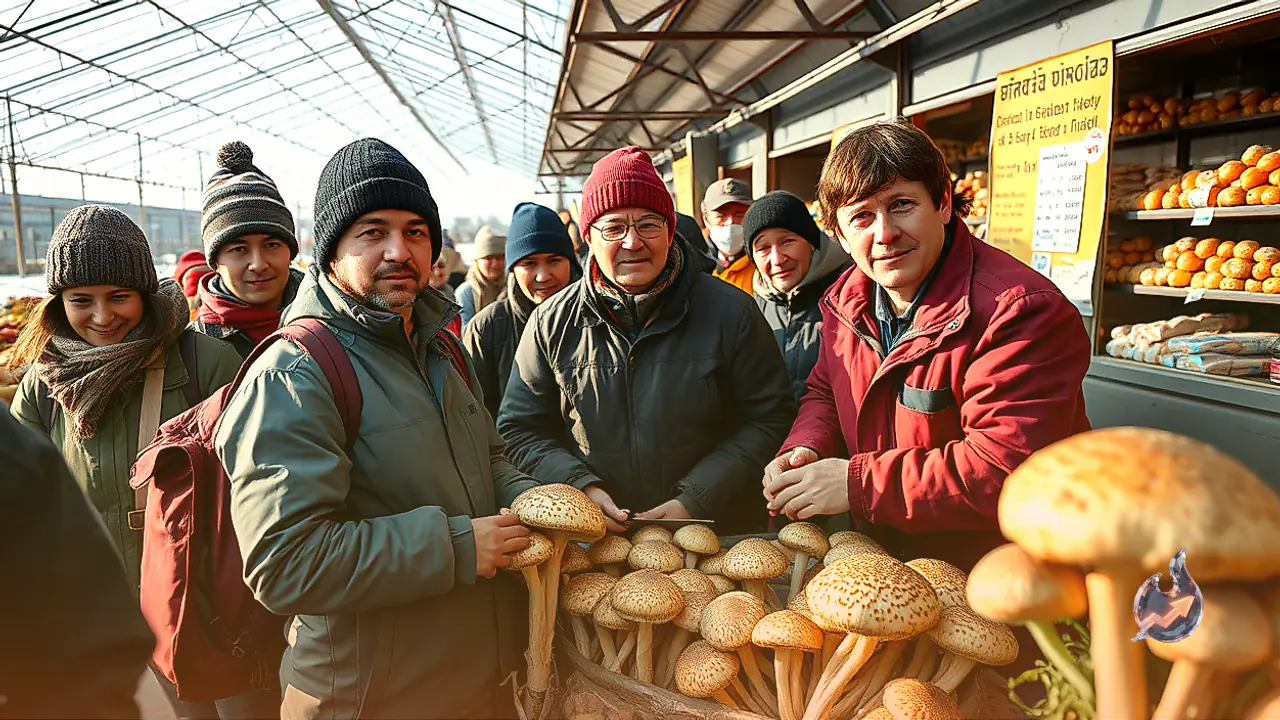

With the arrival of the winter season, rural regions witness an active resumption of mushroom cultivation. Growers across Deoghar and several parts of Jharkhand prepare to cultivate oyster and button mushrooms in large volumes. While cold weather offers ideal growing conditions that result in robust yields, it frequently triggers a severe economic challenge for producers. When massive volumes of harvest flood local markets simultaneously, excessive supply causes spot prices to plummet steeply. After dedicating days and nights of labor to raise the crop, farmers find themselves forced to offload produce at throwaway rates. In addition, harvest that fails to sell quickly turns perishable, rotting away and resulting in painful financial setbacks. However, strategic planning and diversification can transform this seasonal vulnerability into a lucrative venture.
Advance Marketing Plans Beyond Fresh Harvest
Growers must transition away from a model that relies exclusively on selling perishable, raw mushrooms directly from the beds. Dr. Vivek Kashyap, stationed at Krishi Vigyan Kendra in Deoghar, explains that farmers need to outline their commercialization and preservation plans before sowing even begins. Whenever local wholesale markets offer lucrative rates for fresh produce, selling raw harvests directly remains a sensible choice. However, the moment market prices dip or retail demand softens, growers should divert excess yields toward preparing processed food items. Embracing this dual approach ensures that farm produce is utilized efficiently while relieving growers of the compulsion to sell at steep losses during seasonal gluts.
Processing Yields into Diverse Food Products
Venturing into value addition enables agricultural producers to convert surplus mushrooms into a wide range of consumable food items. Farmers can develop mushroom bhujia, biscuits, badi, pickles, papad, and dehydrated mushroom powder. Additional offerings can also be crafted to align with localized food habits and regional consumer preferences. For instance, dehydrated mushroom powder can serve as a nutritious culinary ingredient across multiple recipes, whereas items like pickles and papad can be packaged securely and stocked for extended retailing windows. Through this shift, growers cease to be mere raw commodity sellers and instead establish an identity as food processors who connect directly with households.
Minimizing Crop Spoilage and Extending Shelf Life
The primary advantage of processed food production lies in curbing post-harvest wastage. Fresh mushrooms possess a remarkably brief shelf life, making rapid liquidation essential right after harvesting. In the absence of an immediate, well-organized sales channel or cold storage, cultivators are frequently left with no option but distress selling. Conversely, drying mushrooms to formulate powder or incorporating them into preserved preparations significantly extends the duration they remain safe for consumption. How long these finished items last depends largely on processing techniques, moisture regulation, packaging integrity, and proper storage environments.
Focusing on Hygiene, Packaging, and Technical Guidance
Unlocking reliable farm profits requires producers to emphasize post-production standards alongside crop yields. Merely creating processed goods is insufficient; adhering to strict hygiene, quality benchmarks, durable packaging, and catering to consumer taste are critical pillars of success. During the initial rollout, growers should manufacture smaller batches to evaluate customer acceptance. Distributing these initial lots across neighborhood grocery shops, self-help groups, local bazaars, and directly to known consumers helps determine market appetite. Securing technical training and expert guidance from the local Krishi Vigyan Kendra prior to starting production provides invaluable operational expertise.