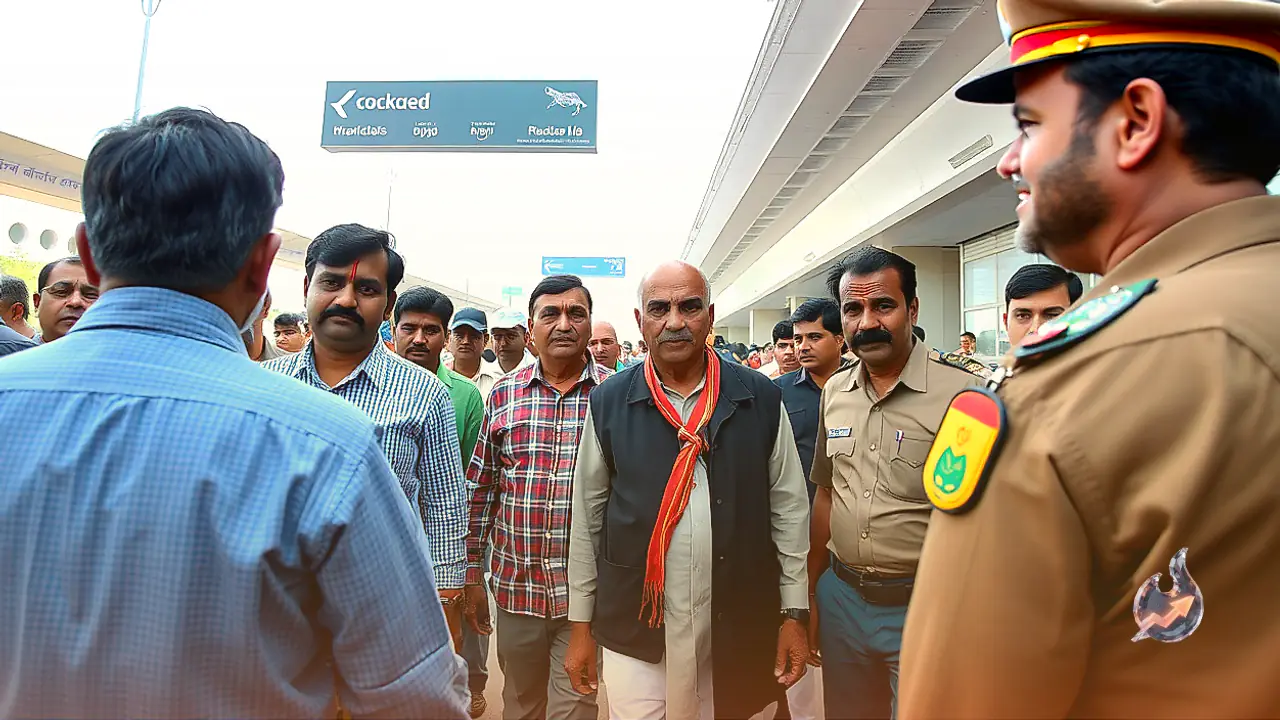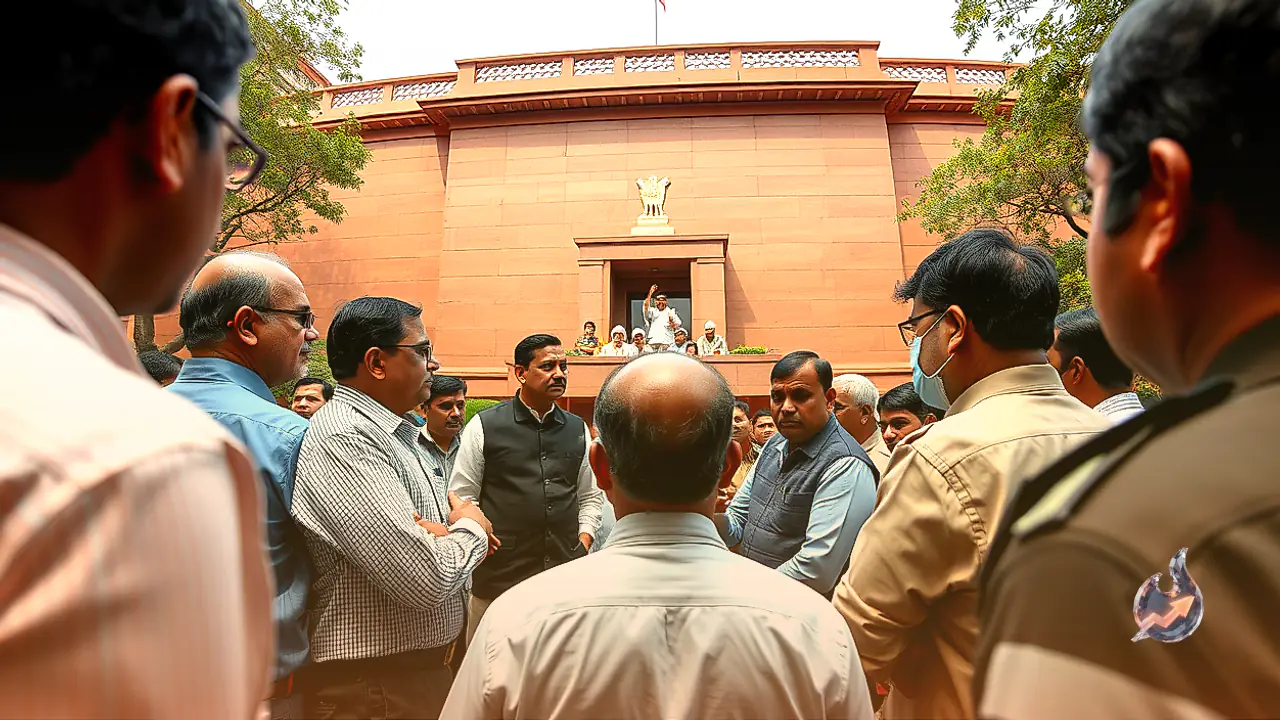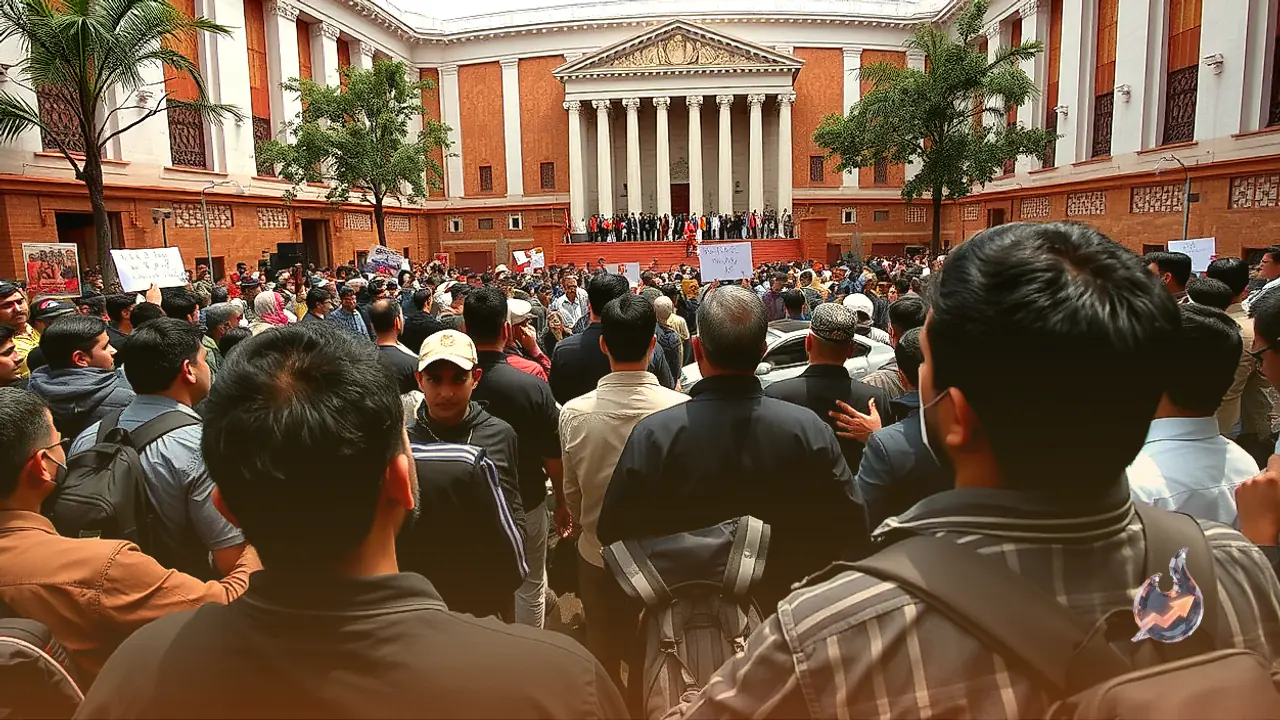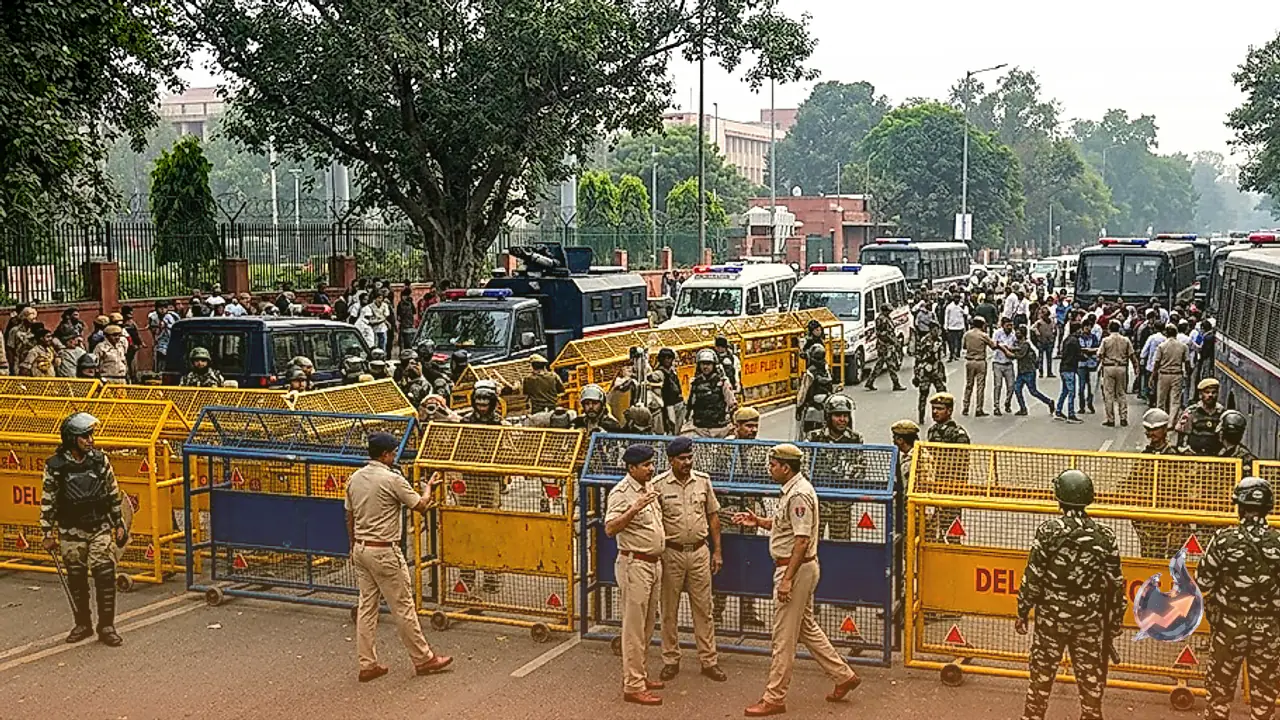
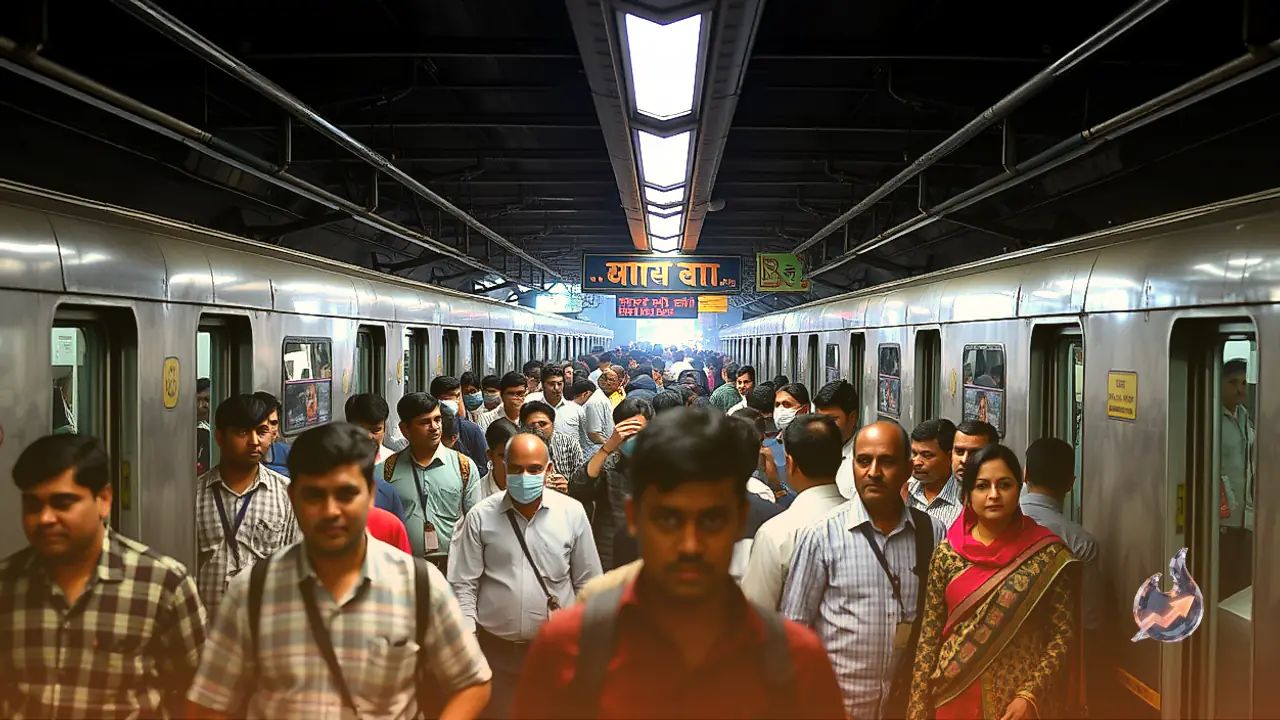




















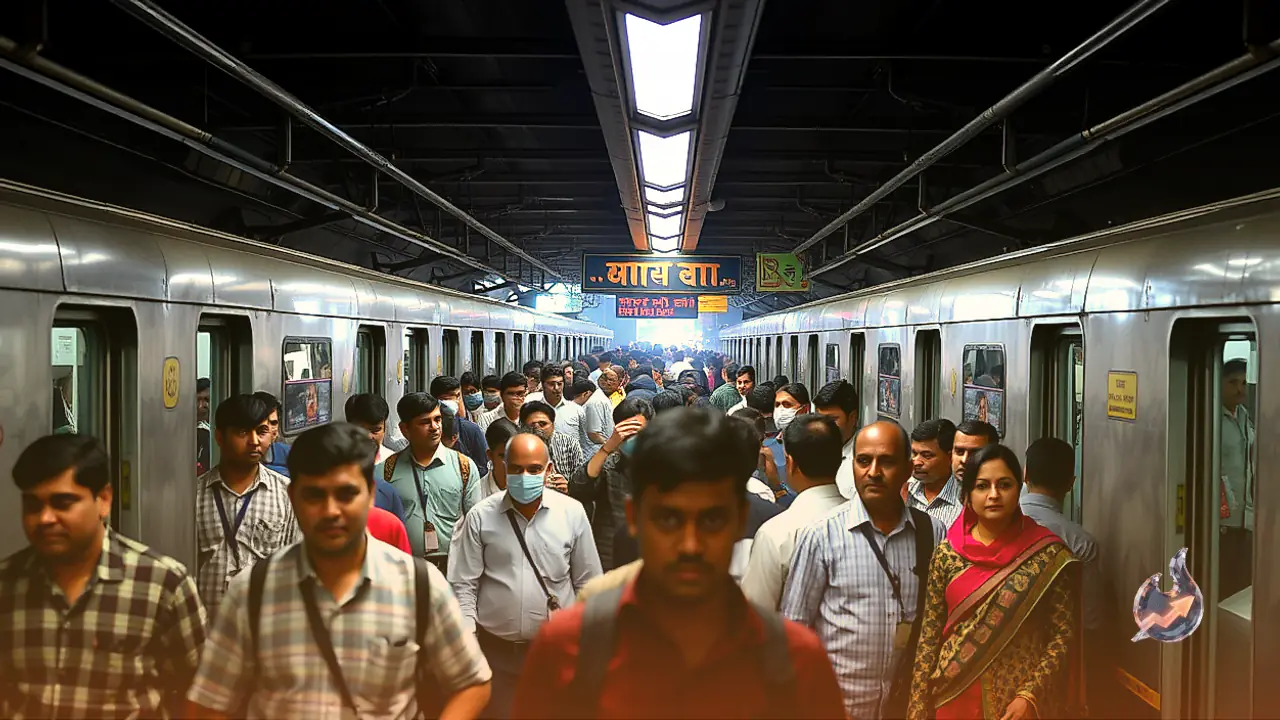

Commuters navigating the national capital on Sunday face a sharply divided transport reality. Those relying on subterranean transit or intercity trains can breathe a huge sigh of relief, as the comprehensive restrictions clamped across the mass transit system have been formally rescinded. All forty-five stations whose entry and exit points remained strictly shut behind police barricades since late Friday have welcomed passengers back. Concurrently, Indian Railways confirmed that scheduled departures and arrivals will adhere strictly to their regular timetables. However, motorists and bus passengers intending to traverse central sectors and New Delhi face extensive roadblocks and diversion corridors that promise considerable delay.
Complete Metro Network Fully Restored with Interchange Facilities
In a late-night operational update issued around 10 PM on Saturday, the Delhi Metro Rail Corporation confirmed the immediate reopening of every passenger gate across its sprawling system. The decision effectively re-establishes seamless cross-network movement, including the reactivation of critical interchange connections that had left thousands of weekend passengers stranded. Strict curbs had been placed on urban transit starting 9 PM on Friday night, paralyzing normal movement in anticipation of widespread demonstrations.
Authorities had originally mandated closures across fifty-seven underground and elevated stations. Following sharp observations during hearings before the Supreme Court, administrative officials scaled back that sweeping number to forty-five locations. Among the key stations impacted were major interchange hubs including Rajiv Chowk, Central Secretariat, Patel Chowk, Janpath, Mandi House, ITO, Kashmere Gate, and New Delhi. Security planners had justified the extensive shutdown by citing intelligence inputs that demonstrators might mobilize through subterranean routes into sensitive administrative zones. The lifting of these barricades now returns vital connectivity to everyday commuters.
Railway Timetables Back on Regular Operational Schedule
Intercity travelers have also received welcome reassurance from railway authorities, who confirmed that passenger services will run according to normal Sunday operating charts. The network had experienced disruption on October 9 and 10, when several passenger trains faced abrupt cancellations and revised departure schedules. Railway management attributed those operational snags to severe vehicle backlogs and acute traffic gridlocks on key arterial roadways linking primary terminal points. While passengers are encouraged to cross-check real-time train status via official communication channels before heading out, no restrictive train curbs remain active for Sunday.
Thirty Key Intersections Face Traffic Curbs in New Delhi and Central Zones
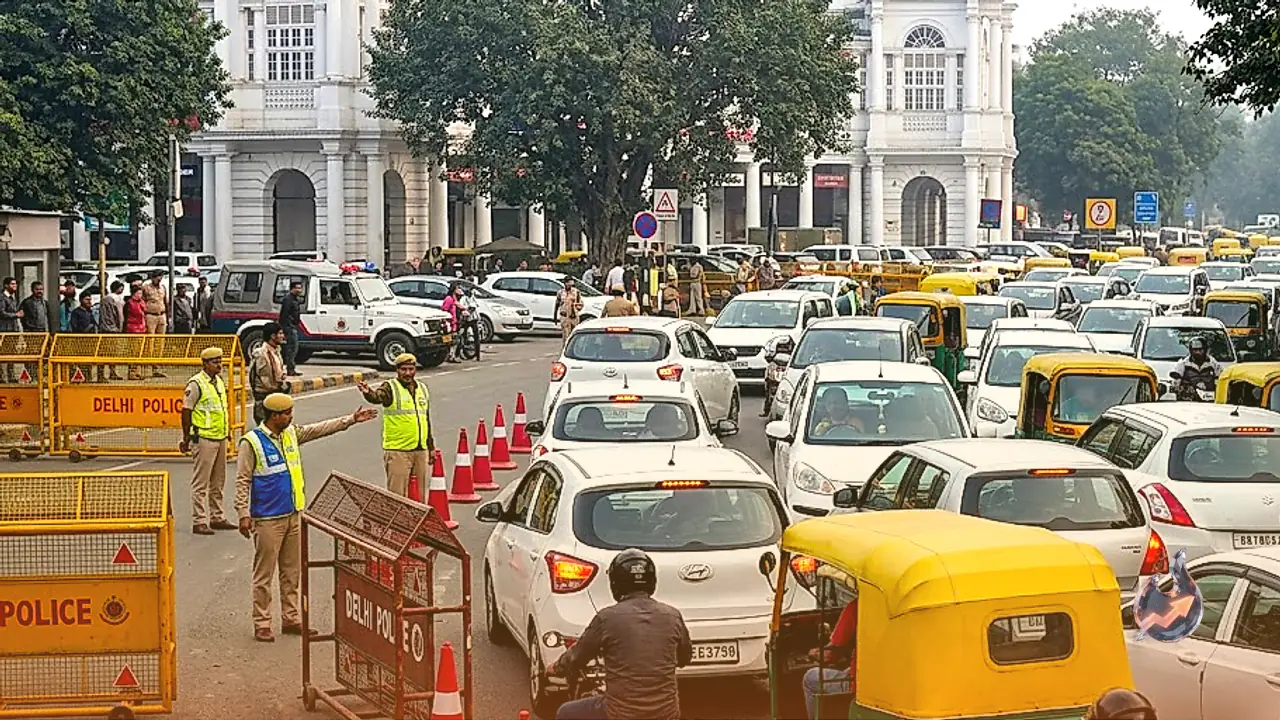
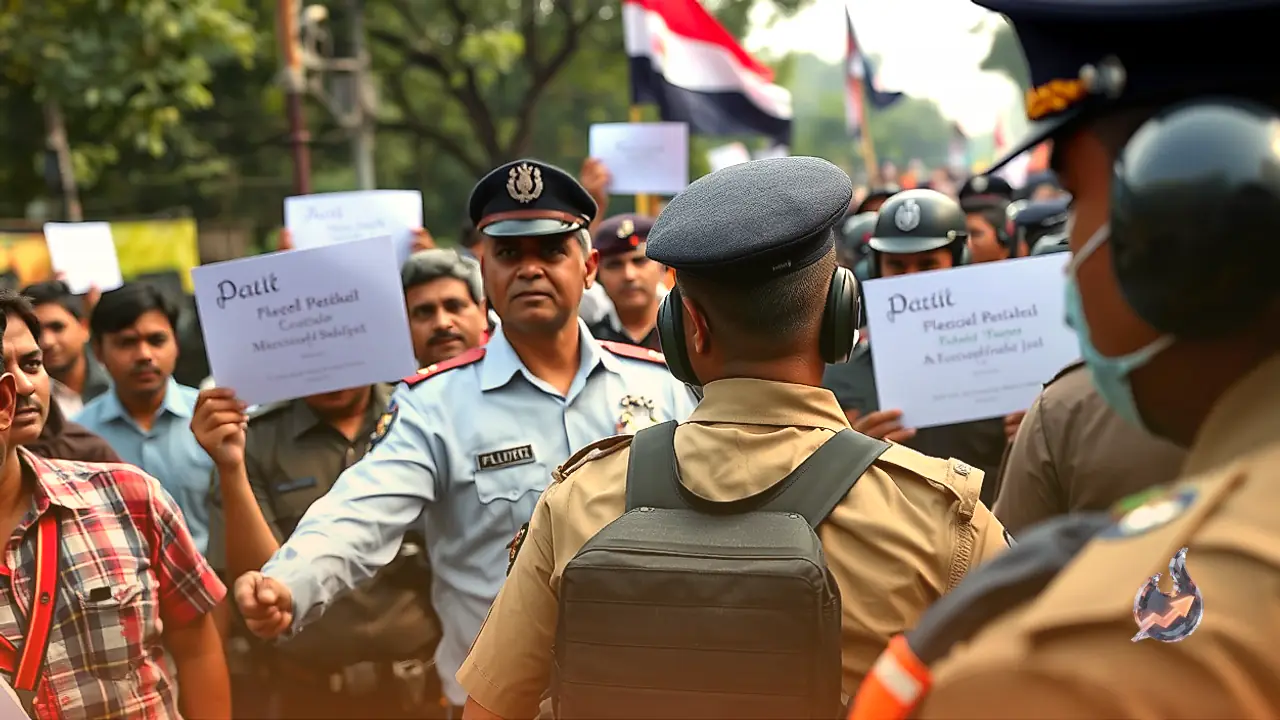
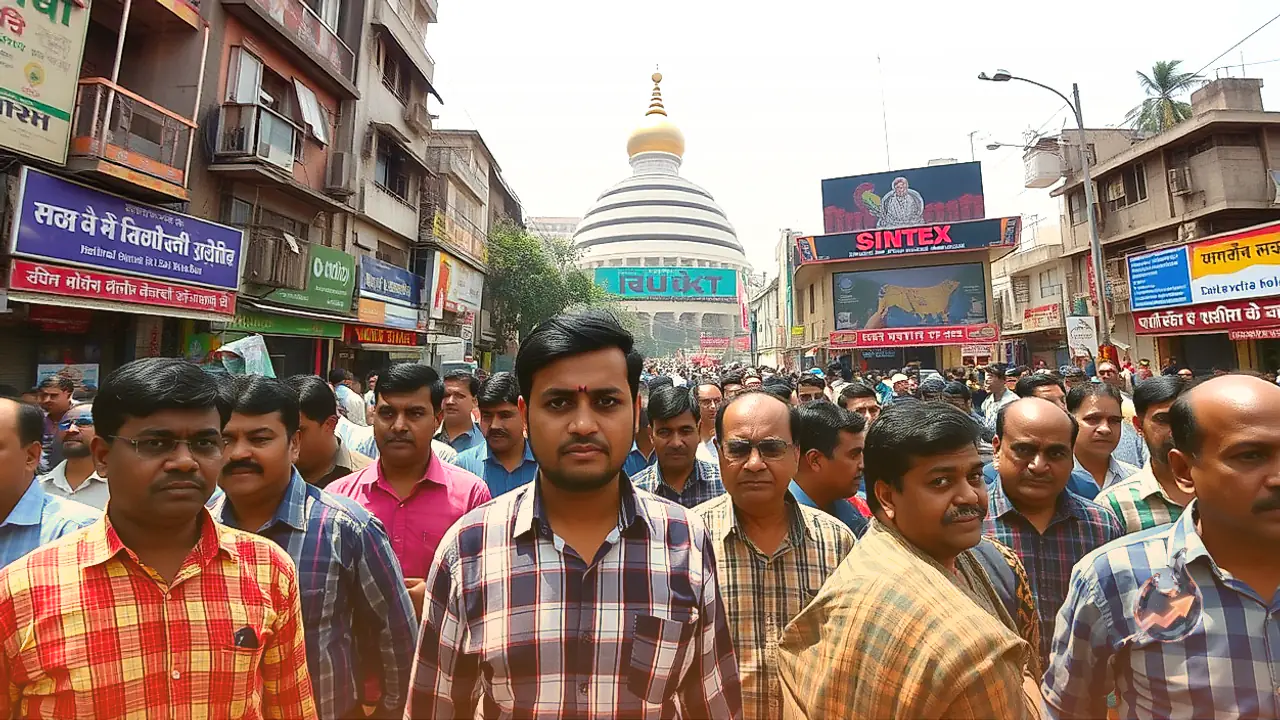
Conditions across the municipal road grid will be far more challenging throughout Sunday. In response to a planned protest gathering organized by CJP, Delhi Traffic Police initiated active vehicular monitoring and selective corridor closures across roughly thirty prominent intersections and roundabouts beginning at 6 AM. The regulatory curbs center heavily around Connaught Place, Jantar Mantar, and adjacent government avenues, creating a ripple effect across arterial connectors throughout the wider downtown zone.
Traffic advisories highlight several critical routes and junctions where vehicle movement will be heavily constrained or diverted
- Jhandewalan and Panchkuian roundabouts
- Minto Road and Deen Dayal Upadhyay Marg
- The Chelmsford Road junction connecting with Connaught Place Outer Circle
- Lodhi Road Flyover and the Neela Gumbad roundabout
- The intersection of Sardar Patel Marg and Panchsheel Marg
- Corridors running underneath Bhikaji Cama Place and the Moti Bagh flyovers
- Ashoka Road and Jantar Mantar Road roundabouts
- Jai Singh Road and Parliament Street crossing
- Gole Dak Khana and Patel Chowk roundabout
Disruptions will likewise extend into segments of the Outer Circle of Connaught Place, particularly thoroughfares feeding Barakhamba Road and Parliament Street. Enforcing officers have noted that dynamic rerouting will be implemented on the fly based on evolving congestion levels.
Important Travel Guidelines for Airport and Rail Hub Passengers
Travelers attempting to reach Indira Gandhi International Airport, New Delhi Railway Station, Old Delhi Railway Station, or interstate bus terminals at Kashmere Gate and Anand Vihar are advised to build substantial buffer time into their itineraries. Diversion loops and barricaded bypasses threaten to extend road commutes significantly beyond regular estimates. Law enforcement agencies strongly urge motorists to avoid unnecessary travel across the designated central sectors. Drivers should track live traffic updates through official bulletins and opt for peripheral radial routes wherever feasible.
Supreme Court Prepares to Hear Contempt and Detention Pleas
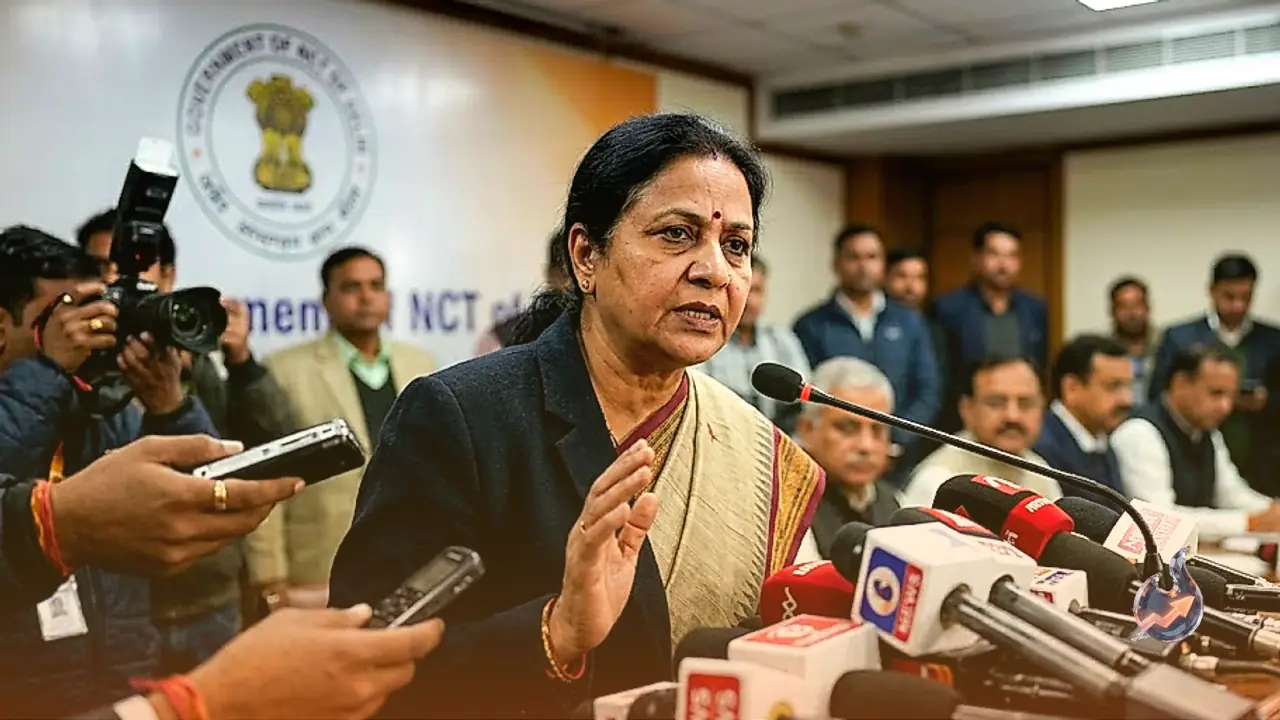
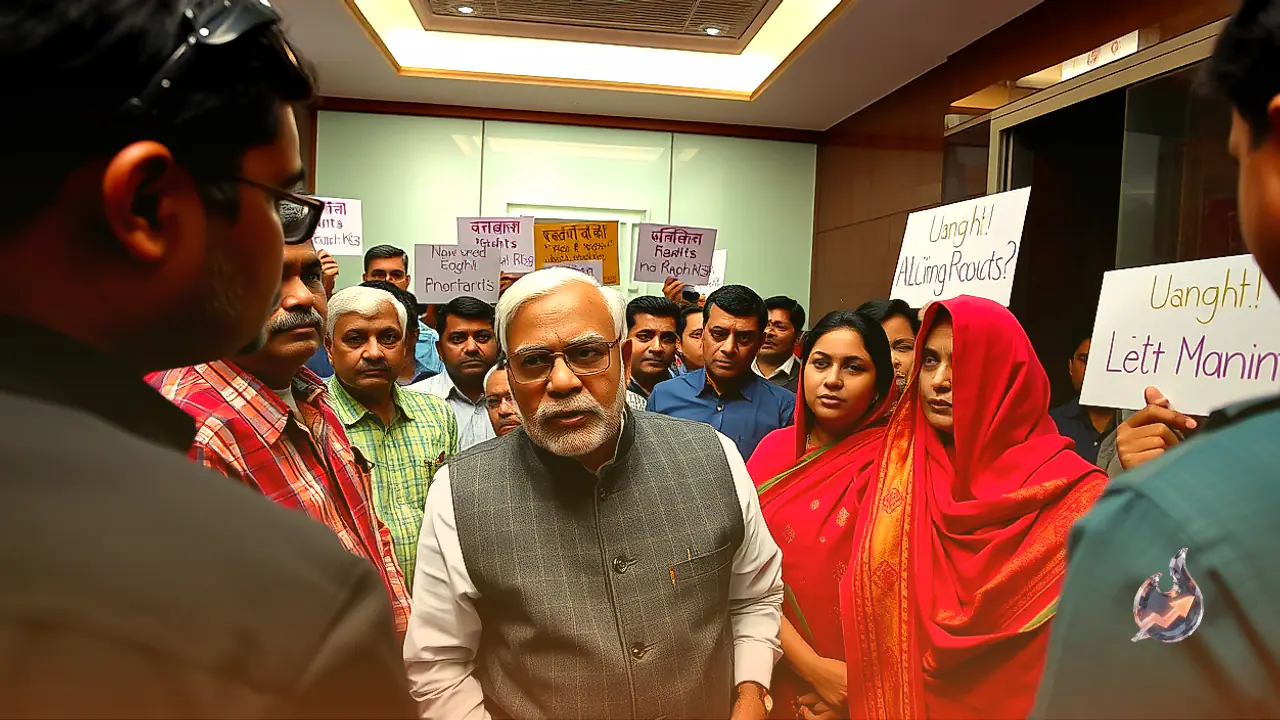
The broader controversy surrounding the sudden travel shutdown has shifted into the legal arena. A contempt petition currently sits before the Supreme Court accusing executive authorities of violating established judicial guidelines governing public transport restrictions during law enforcement actions. The petitioner contends that sweeping station closures inflicted unnecessary hardship upon ordinary city residents, alleging further that official advisories were not disseminated with sufficient advance notice. These claims await formal judicial review. Alongside the transport matter, the top court will also consider pleas concerning the administrative detention of opposition figures and activists during Saturday demonstrations, making Sunday a pivotal day for civic policy and security governance in the capital.