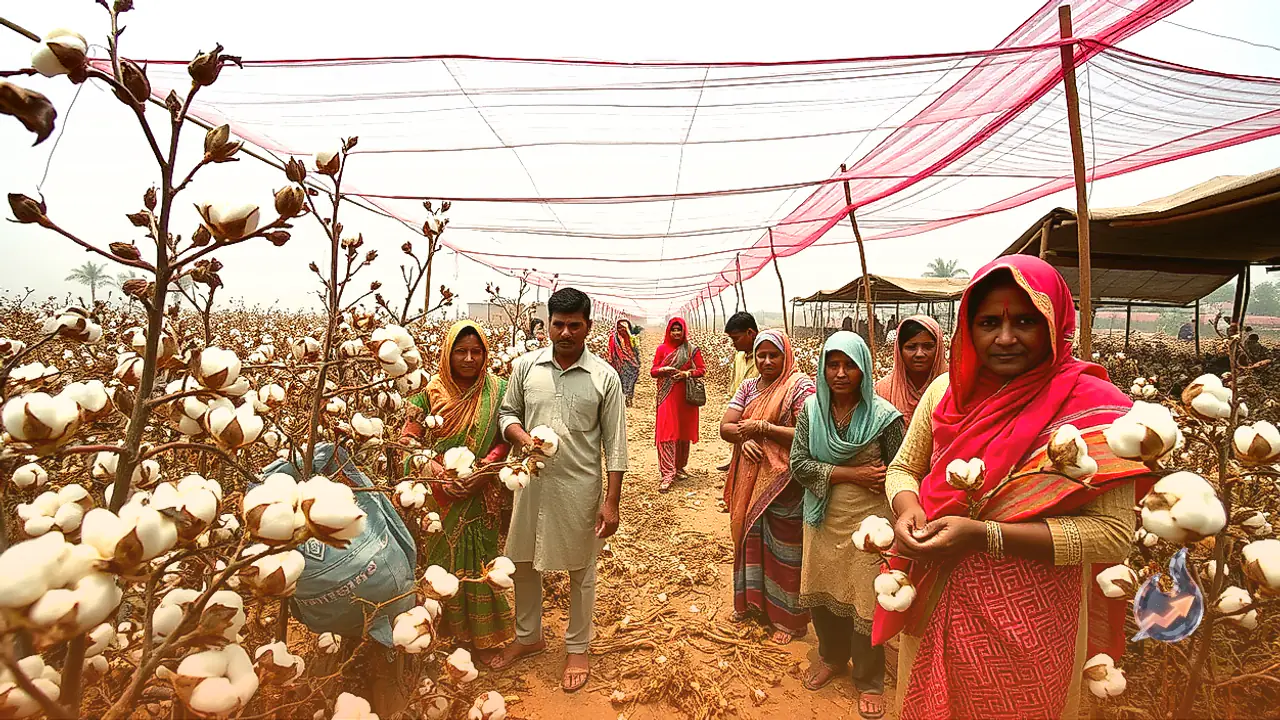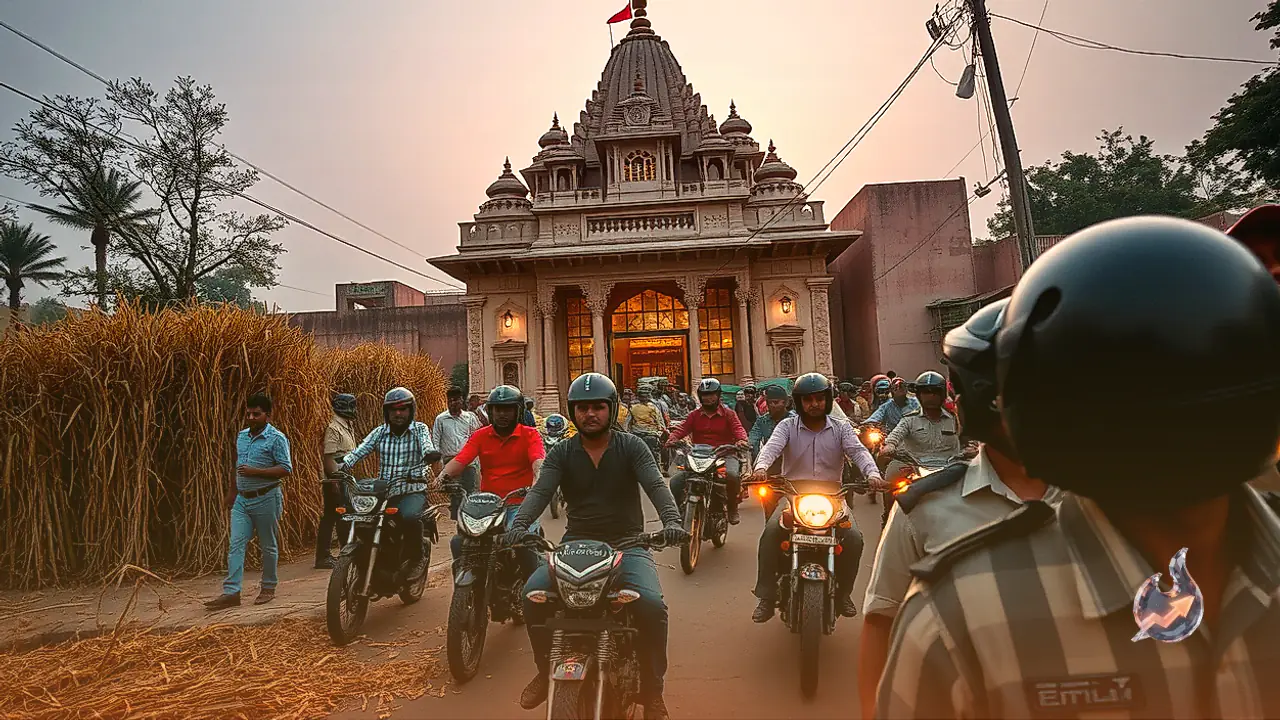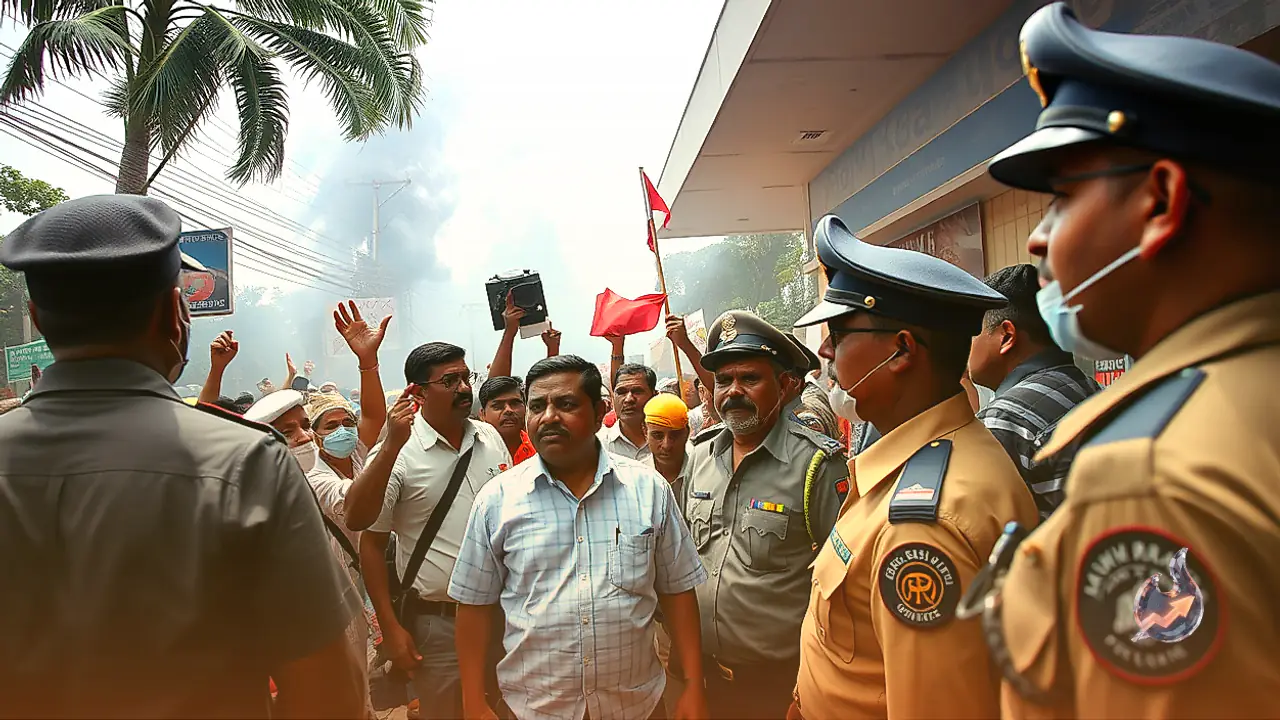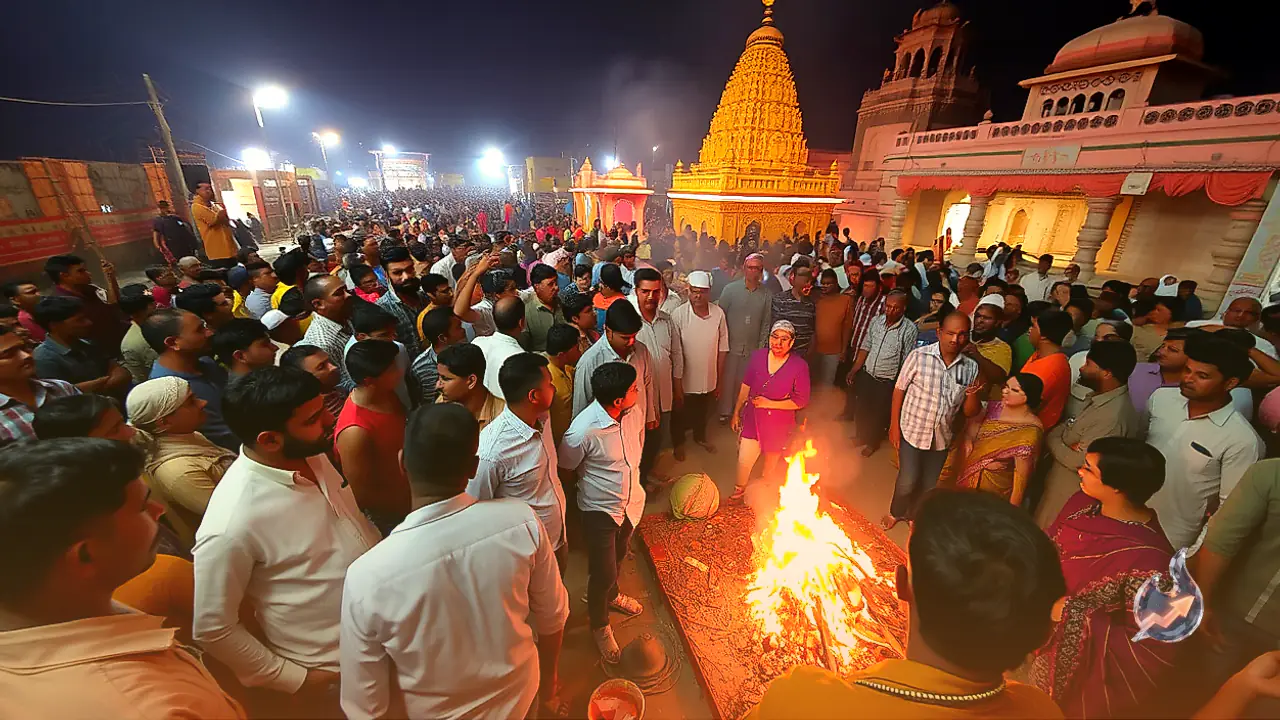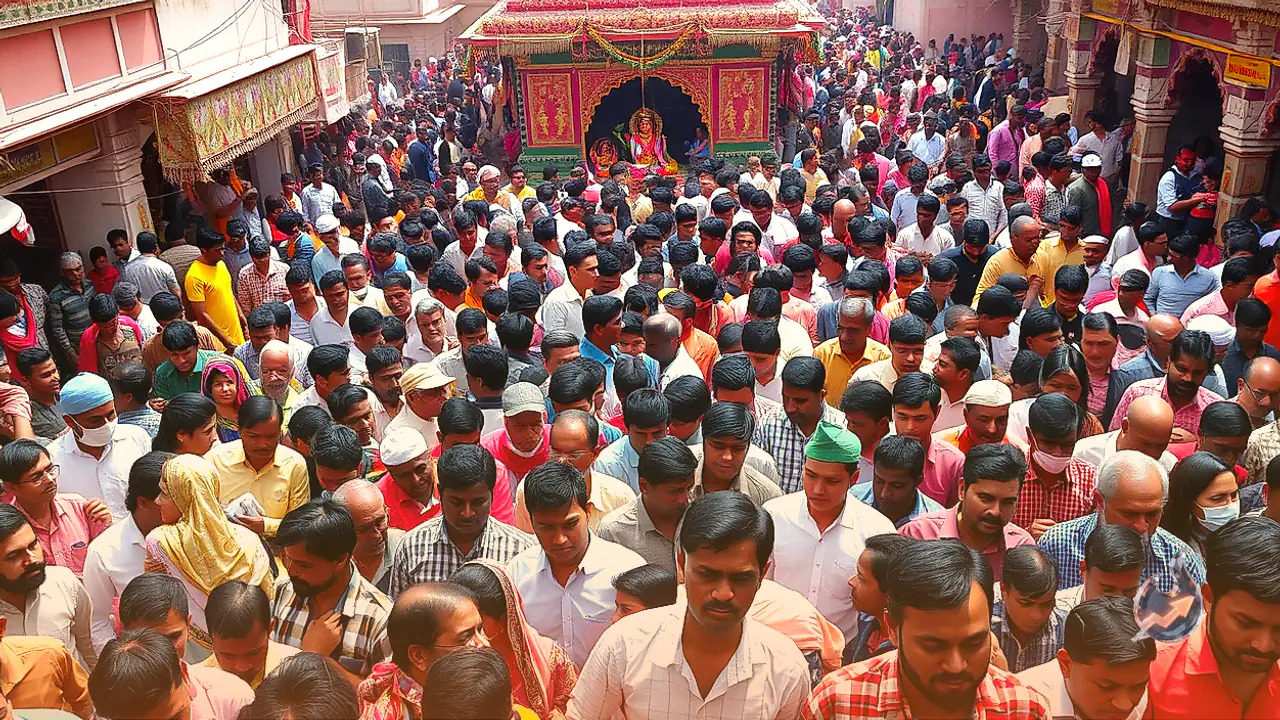

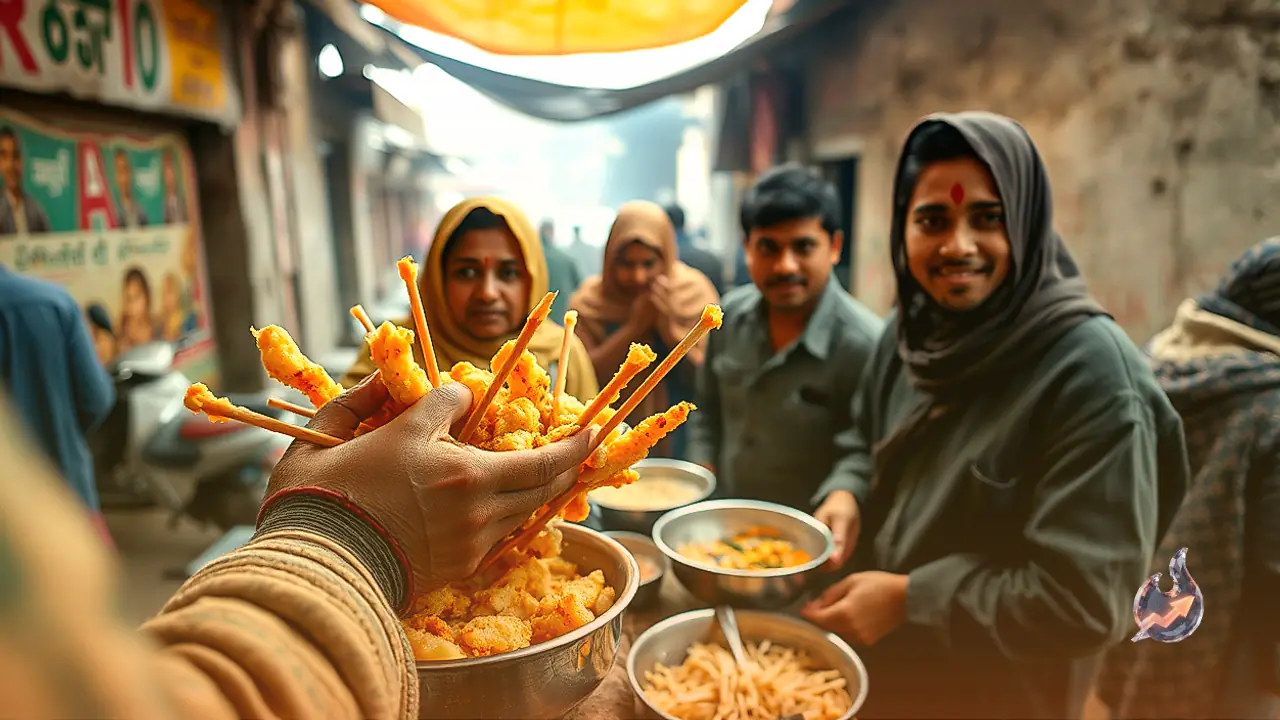
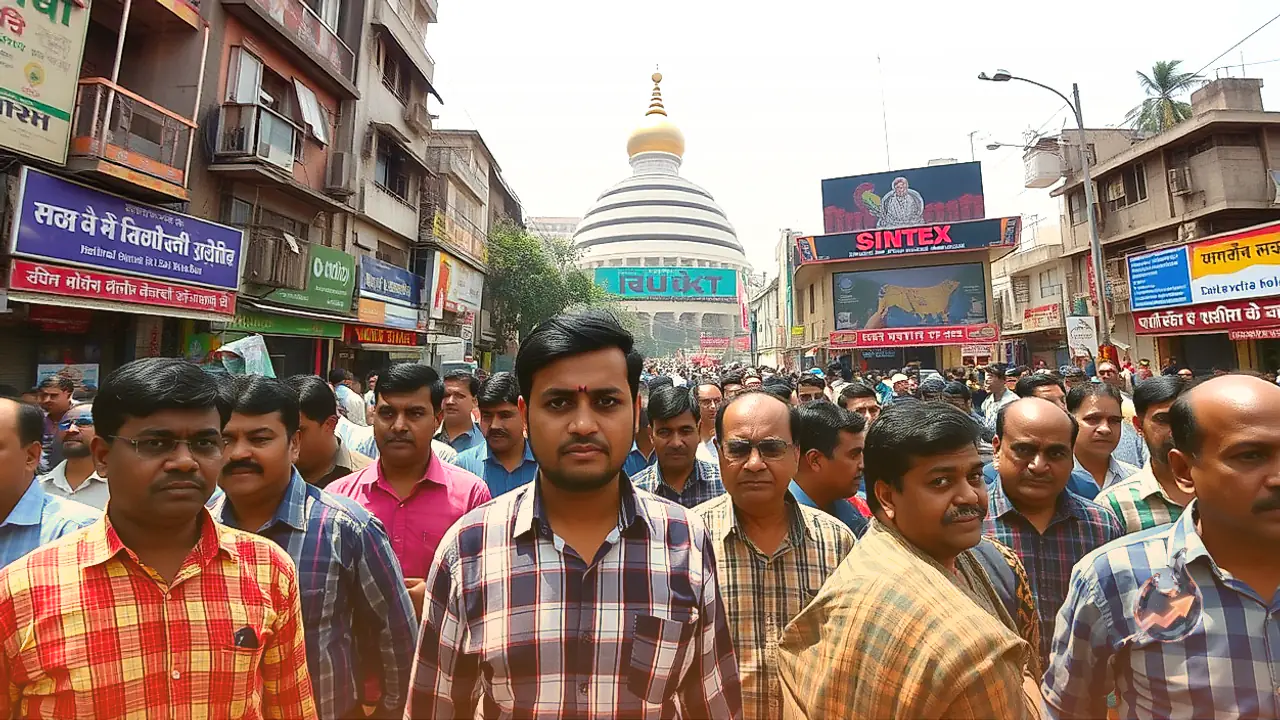
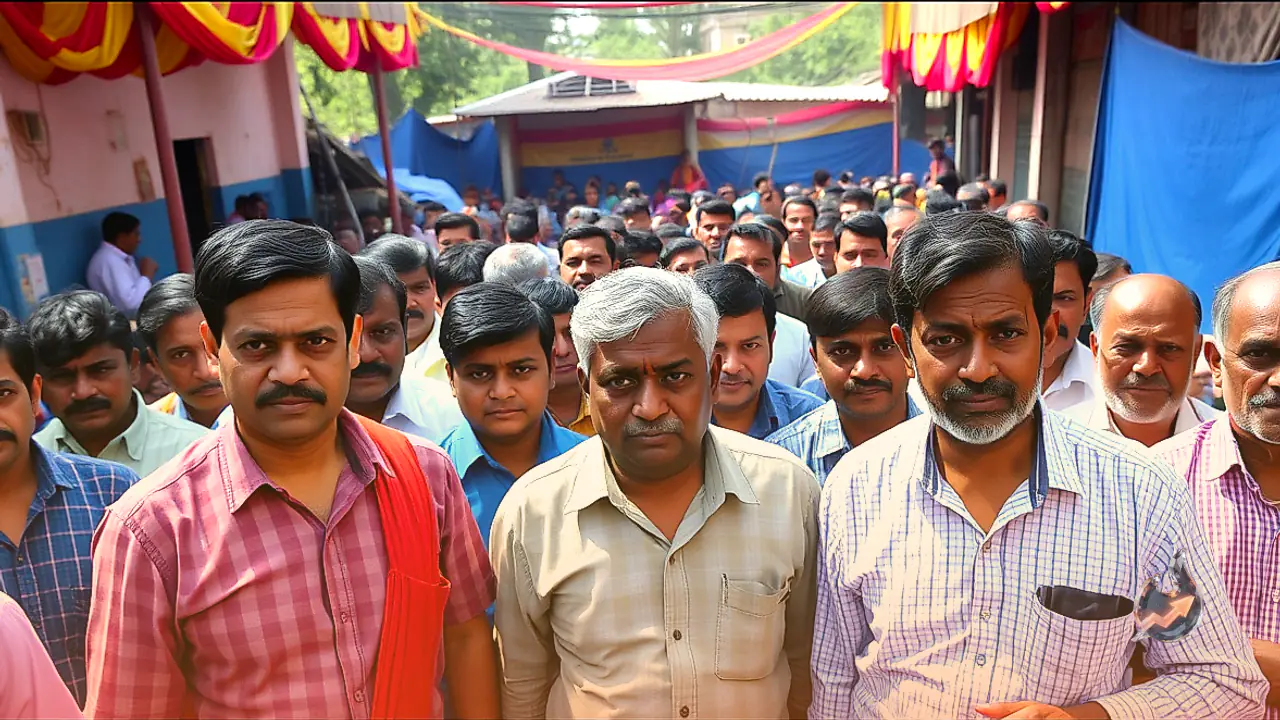















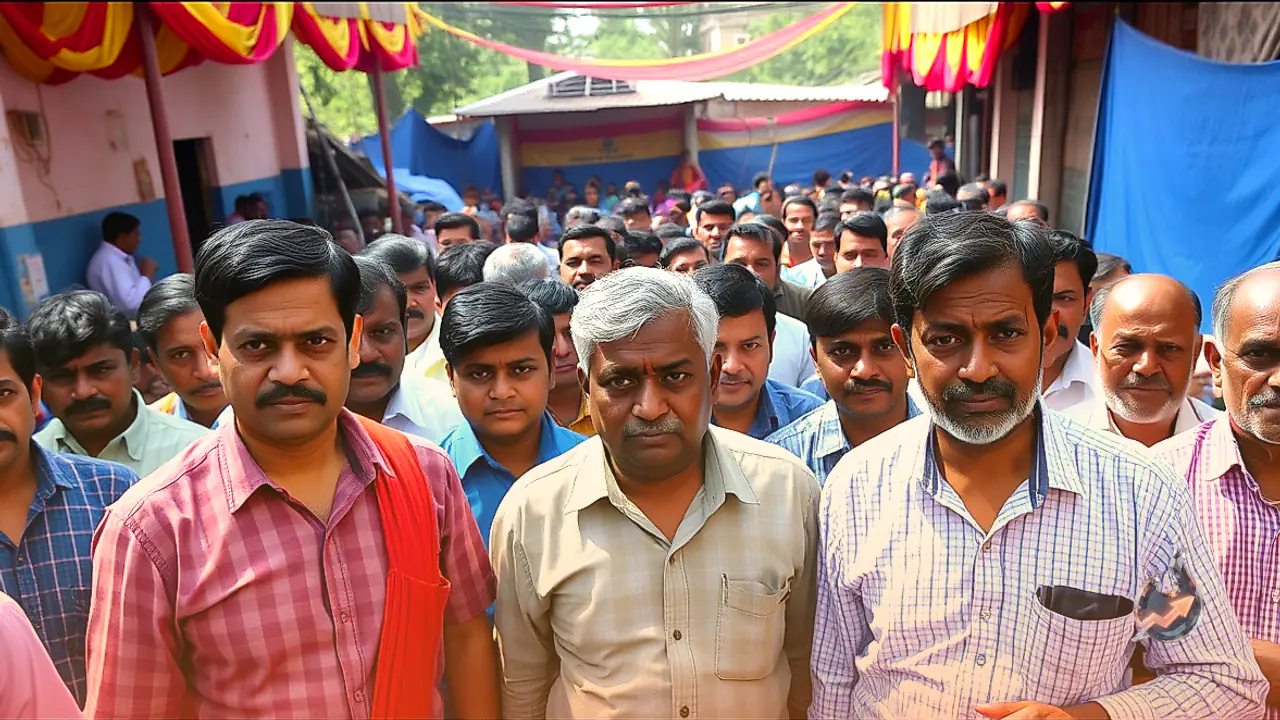

Political maneuvering across rural Rajasthan has begun gathering serious momentum ahead of the upcoming Panchayati Raj elections. From village common squares and roadside stalls to community gatherings, discussions around local leadership, candidate profiles, and governance records are dominating daily discourse. Prospective aspirants for posts including sarpanch, ward panch, panchayat samiti member, zila parishad member, pradhan, and zila pramukh have actively launched outreach drives to consolidate community support. Alongside the electioneering, villagers are taking a critical look at the public infrastructure delivered over the previous term. For rural voters, the central test remains whether elected representatives remain accessible and accountable to public grievances once the voting concludes.
Delimitation Reshapes Sherpur Panchayat Dynamics
The territorial boundaries and electoral arithmetic of Sherpur gram panchayat in Sawai Madhopur district have seen significant shifts in recent times. Formerly recognized as Khilchipur, the administrative unit underwent a delimitation process that brought the villages of Ramsinghpura and Kutalpura into its fold. Following this reorganization, the composite panchayat currently accounts for around 3600 registered voters. This voting bloc of roughly 3600 residents will hold the balance of power in the forthcoming local body elections. As informal deliberations over suitable contenders gather pace, rival camps are working overtime to expand their grassroots influence across the three merged habitations.
Evaluating Past Leadership and Representative Absenteeism
Public appraisal of previous administrative tenures in Sherpur reflects mixed sentiments among the populace. A substantial section of residents expresses satisfaction with the functioning of former sarpanch Omprakash Saini, pointing out that grievances brought before the sarpanch received fair hearings and prompt follow-up. However, strong resentment lingers regarding higher-tier elected functionaries. Locals openly observe that key figures such as the pradhan, zila pramukh, and other senior representatives rarely visit the villages outside election cycles. Voters are insisting that future leaders must remain engaged on the ground throughout their full tenures rather than restricting interactions to campaign periods. Politically, the Sawai Madhopur panchayat samiti was previously led by Nirma Meena of Congress as pradhan, while the zila pramukh post was earlier occupied by Sudama Meena, also of Congress. With polling around the corner, localized political strategy sessions across the area have intensified.
Paved Roads Without Drainage Trigger Waste Accumulation
The condition of civic amenities in Ramsinghpura village highlights persistent gaps in municipal planning. While paved roads have been constructed across various parts of the settlement, the glaring omission of accompanying drainage channels has created chronic hazards. Without proper drains, domestic wastewater spills over onto transit routes, leading to persistent waterlogging. This continuous pooling of filthy water breeds foul odors and escalates the risk of vector-borne illnesses for neighboring households. Villagers maintain that roadway expansion must be integrated with functional runoff gutters so that community spaces remain free from hazardous stagnation and sanitary decay.
Three Years of Idleness for Jal Jeevan Mission Water Tank
The most acute grievance in Ramsinghpura concerns basic drinking water access. Under the auspices of the Jal Jeevan Mission, a massive public water tank was constructed approximately three years ago at an expenditure running into lakhs of rupees. Despite three full years having elapsed since physical completion, piped water supply to households has still not commenced. Crucially, tap water connections to individual homes have not even been installed. Consequently, the costly utility structure remains completely idle while residents continue to struggle with water scarcity. Villagers are demanding answers as to why drinking water distribution remains stalled despite the primary storage reservoir standing ready for years. As the election approaches, Sherpur voters are setting the civic agenda around fundamental infrastructure like water and sanitation, leaving candidates to prove whether fresh leadership or continuity can finally resolve these prolonged failures.