





















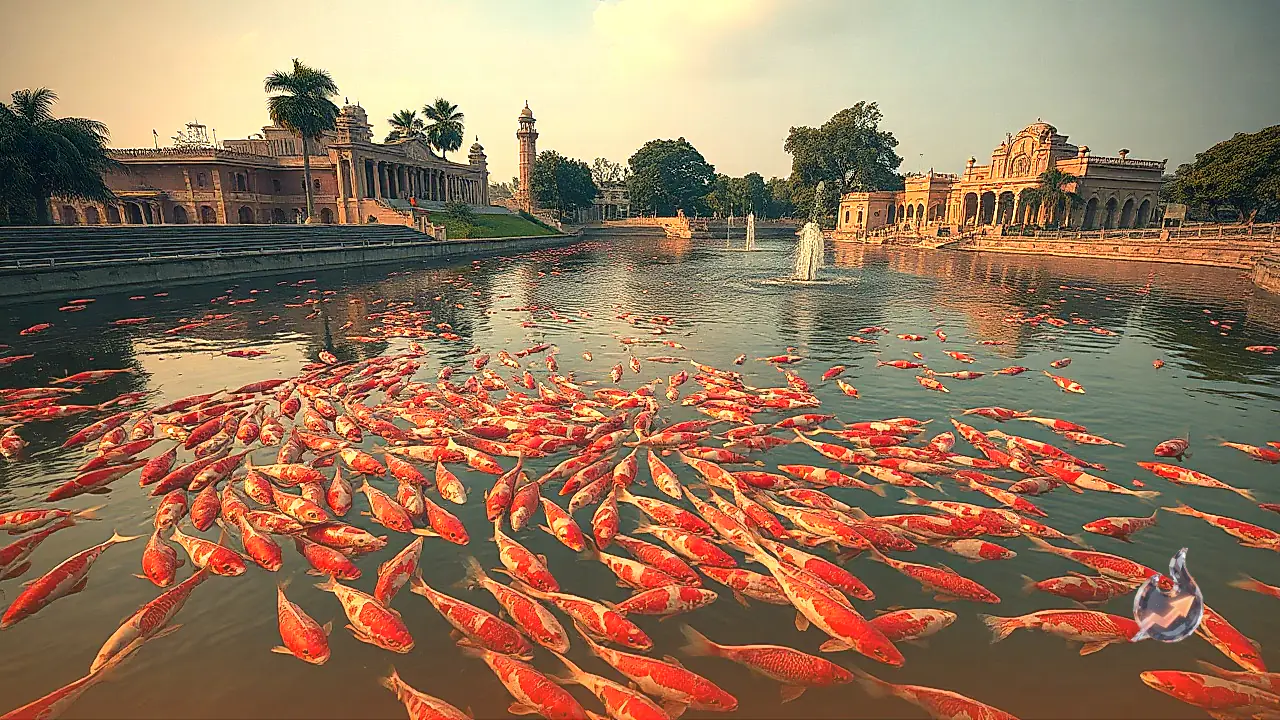

A severe ecological crisis has gripped the lake at Kanpur Zoological Park in Uttar Pradesh following two separate incidents of mass fish deaths over the past few days. The lake, which normally serves as a lively center of attraction for zoo visitors with fish swimming near the surface, saw hundreds of dead fish floating in the water. The sudden die-off has alarmed zoo authorities, triggering a round-the-clock emergency cleanup and aeration drive. Management has mobilized resources to improve overall water quality and rapidly boost dissolved oxygen levels to prevent further loss of aquatic life.
Contamination and Overpopulation Trigger Oxygen Depletion
According to zoo officials, a combination of biological pressure and external pollution precipitated the tragedy. Over time, the fish population within the enclosed lake had multiplied significantly beyond its optimal capacity. This dense population exerted continuous demand on the available dissolved oxygen in the water column. The situation reached a breaking point when contaminated runoff from outside the park grounds managed to breach the perimeter and flow into the lake. The influx of polluted wastewater degraded the chemical quality of the water, causing dissolved oxygen levels to plunge rapidly. In aquatic ecosystems, sharp oxygen drops prove swiftly fatal, resulting in the localized mass mortality of the fish population.
Installation of Floating Fountains for Surface Aeration
To reverse the rapid decline in water quality, the zoo administration has implemented a dual mechanical and chemical mitigation plan. Floating aeration fountains are being deployed across the lake's surface. These mobile units float on the water while drawing liquid from below and shooting high-pressure jets into the surrounding air. As the dispersed droplets fall back into the lake, they absorb atmospheric oxygen, continuously enriching the aquatic environment. Furthermore, the constant mechanical agitation keeps the water column moving continuously, eliminating stagnant zones where toxins and anaerobic bacteria typically thrive.
Chemical Treatment with Oxygen Tablets and Toxin Binders
Alongside mechanical aeration, aquatic safety experts at the facility are administering chemical treatments directly into the water body. Dissolvable oxygen-releasing tablets are being introduced to provide an immediate boost in oxygen concentrations. Simultaneously, staff are applying toxin binders to neutralize harmful contaminants brought in by the external polluted runoff. Toxin binders work by chemically binding to dissolved pollutants and heavy metals, rendering them inert and preventing them from harming marine organisms.
Precedent of Water Hyacinth and Previous Dosages
This is not the first time the Kanpur Zoo lake has suffered from dissolved oxygen shortages. In previous instances, rapid proliferation of invasive water hyacinth and wild aquatic weeds choked the surface, blocking sunlight and severely lowering oxygen levels. During those earlier interventions, staff successfully treated the lake by dispersing a specialized mixture containing 25 kilograms of O2 Max oxygen tablets along with a solution of 40 kilograms of toxin binder. The current remedial protocols draw on those past lessons to stabilize the ecosystem rapidly.
Zoo Management Directives and Continuous Monitoring
Addressing the corrective measures underway, Dr. Kanhaiya Patel, Director of Kanpur Zoological Park, noted, "The oxygen shortage occurred due to high fish density combined with contaminated water entering from outside." He confirmed that comprehensive chemical treatments are currently active, with oxygen-enhancement tablets and neutralizing agents being regularly added to the lake. Dr. Patel added that the installation of floating fountains will ensure continuous circulation, while staff will maintain strict vigil over key water parameters to guarantee the long-term safety of all remaining fish and resident wildlife.