














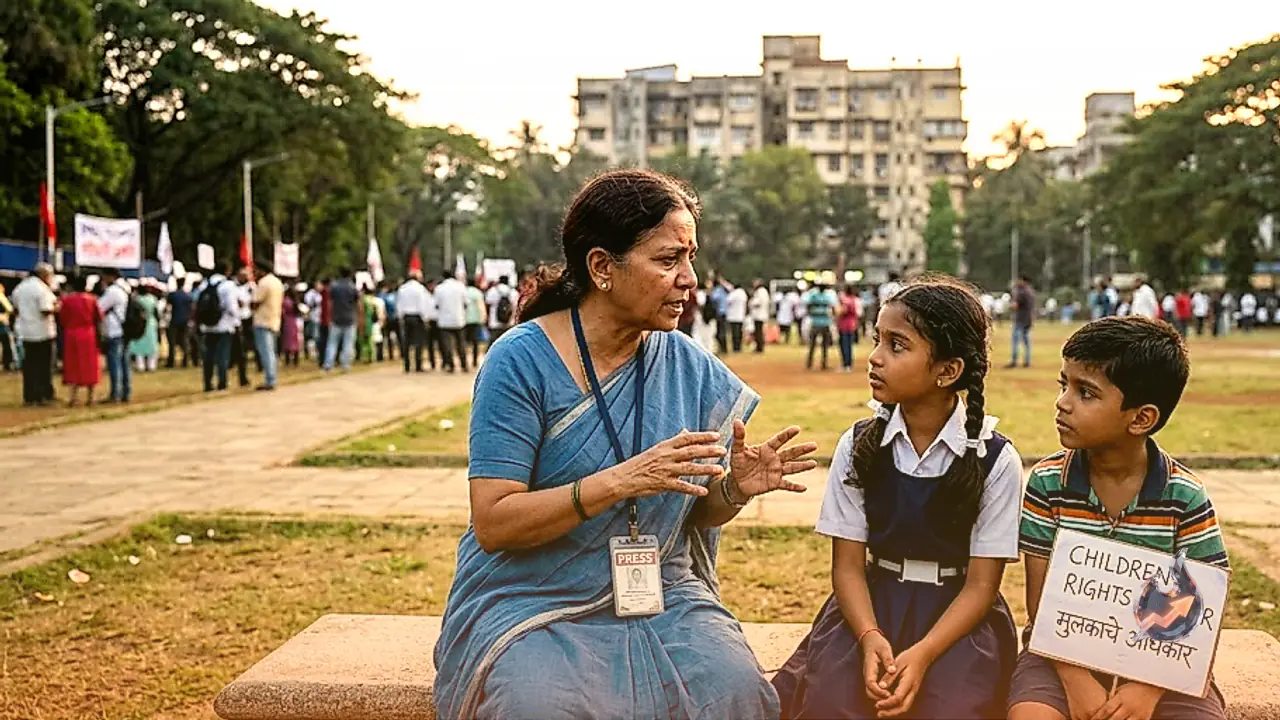

The National Human Rights Commission (NHRC) has officially intervened in the controversy surrounding the alleged involvement of underage children and the subsequent dissemination of their visuals online during a public protest held at Mumbai's historic Shivaji Park on October 2. Acting under Section 12 of the Protection of Human Rights Act, 1993, the rights panel stepped in following widespread public attention to digital media clips from the event. The formal hearing on the matter was conducted by an NHRC bench led by member Priyank Kanoongo, which resulted in sharp regulatory directions to multiple state and central authorities.
Protest Origins Over Electoral Rolls And The Initial Complaint
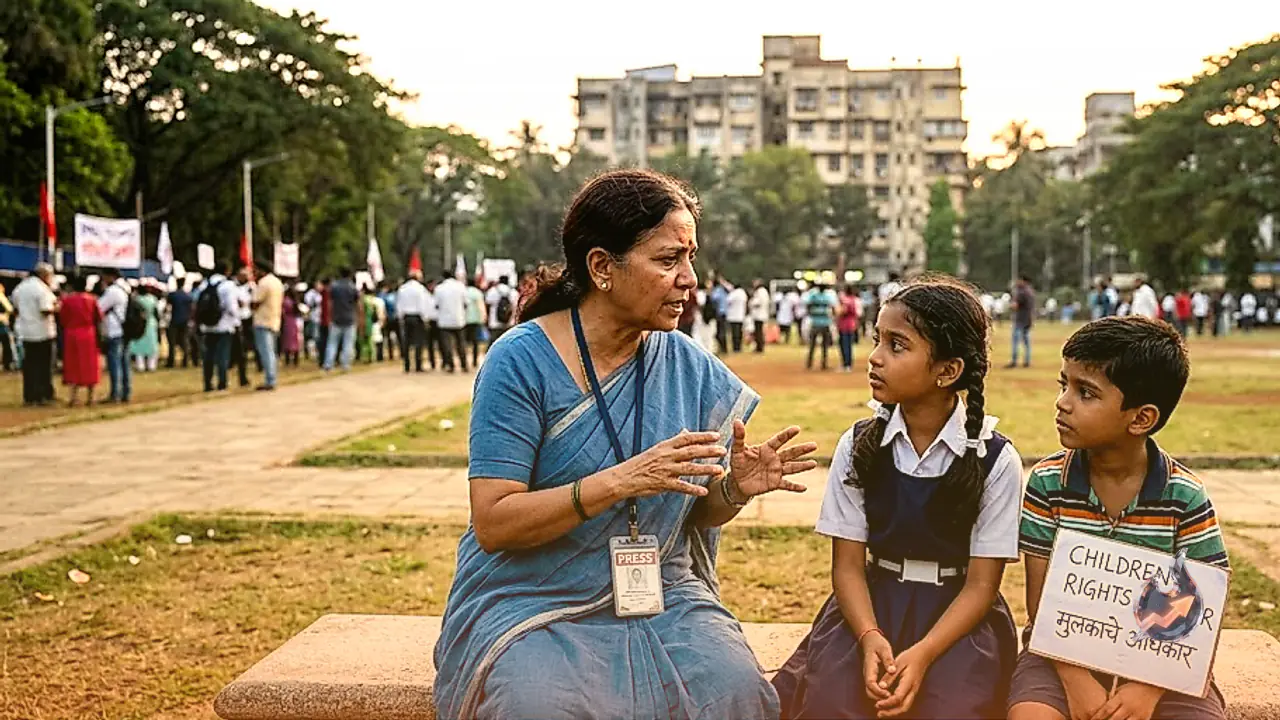
The public gathering at Shivaji Park on October 2 was organized by Cockroach Janata Party (CJP). The primary objective of the demonstration was to register a protest against alleged irregularities in the Special Intensive Revision (SIR) of electoral rolls and to demand the removal of Chief Election Commissioner (CEC) Gyanesh Kumar from his constitutional office. However, the political assembly took a contentious turn when footage emerged indicating the presence and active participation of children amid the charged crowd.
The formal intervention by the rights body was triggered by a complaint submitted by Satish Vaid, Head of Intervention at the Sewa Nyaya Utthan Foundation. The petition drew attention to several video clips and photographs circulating across social networking platforms. In some of these recorded visuals, a child was visibly hoisted above the assembled crowd while controversial and provocative slogans were reportedly being chanted. The complainant raised serious concerns that children were deliberately deployed by the organizers as physical shields to thwart lawful crowd control and prevent police intervention.
Suspected Pre-Planning And Directives To Law Enforcement
A central accusation highlighted in the petition is that the presence of minors was not merely coincidental or spontaneous. The complainant alleged that prior coordination regarding bringing children to the rally had occurred across online messaging groups and chat threads. The petition warned that the children's juvenile status was intentionally weaponized so that law enforcement personnel would be discouraged or legally restrained from dispersing the gathering.
Taking note of these serious allegations, the NHRC issued formal notices to the Mumbai Police Commissioner, mandating a thorough investigation into all available video recordings, photographs, social media posts, and related digital materials. The commission made it clear that if any cognizable offense is uncovered during this technical scrutiny, the police must immediately register a formal First Information Report (FIR). Furthermore, investigators have been instructed to trace the precise circumstances under which the minors ended up at the demonstration and determine the culpability of organizers, coordinators, accompanying guardians, and any third parties who aided their presence.
Digital Forensics, X Corp, And IT Ministry Compliance
Preserving the evidentiary trail of digital communications forms a crucial component of the commission's directive. The rights body ordered forensic examinations of the alleged chat groups to establish whether the mobilization of minors was indeed premeditated to hinder police action. Additionally, the commission directed authorities to evaluate potential violations under statutory child protection provisions, specifically highlighting Section 75 and Section 83(2) of the Juvenile Justice Act, 2015, alongside other relevant legal frameworks.
Addressing the secondary issue of digital exploitation, the NHRC directed strict oversight into the accounts broadcasting pictures and clips featuring these minors. Notices were dispatched to the Ministry of Electronics and Information Technology (MeitY) and the resident grievance officer of X Corp. in India. Both entities have been asked to secure all relevant digital records and evaluate whether necessary content moderation safeguards, child protection standards, and statutory duties were properly observed across online channels.
Child Welfare Protocols And Mandatory Progress Reports
Beyond punitive and investigative measures, the commission emphasized the immediate welfare and psychological recovery of the children involved. The Principal Secretary of Maharashtra's Women and Child Development Department received explicit instructions to coordinate rescue, care, and protective interventions. Wherever required, the affected minors are to be presented before the competent Child Welfare Committee (CWC) to ensure they receive professional counseling, psycho-social guidance, long-term care, and rehabilitation assistance.
Throughout every stage of the legal and administrative inquiry, authorities have been cautioned to strictly safeguard the privacy, confidentiality, dignity, and best interests of the minors involved. The NHRC has granted a strict one-week deadline for all concerned departments, including the police and tech regulators, to submit their comprehensive Action Taken Reports (ATR), which will ultimately determine accountability based on verifiable evidence.