






















Livestock farming serves as a vital pillar of the rural economy, where goat rearing stands out alongside cattle keeping as a dependable source of household livelihood. In earlier times, goats naturally relied on abundant green pasture, while dry fodder and mineral supplements were rarely provided. Over the years, goat rearing has evolved from a traditional domestic chore into a profitable commercial enterprise. This business is no longer confined to remote villages, as entrepreneurs in towns and semi-urban pockets are increasingly investing in goat farming. However, rapid population growth and shrinking pasture lands have made open grazing difficult for modern farmers. Despite these space constraints, veterinary specialists emphasize that letting goats graze outdoors remains indispensable for their health and overall growth.
Livestock Expert Shares Insights at Jehanabad Farmers Fair
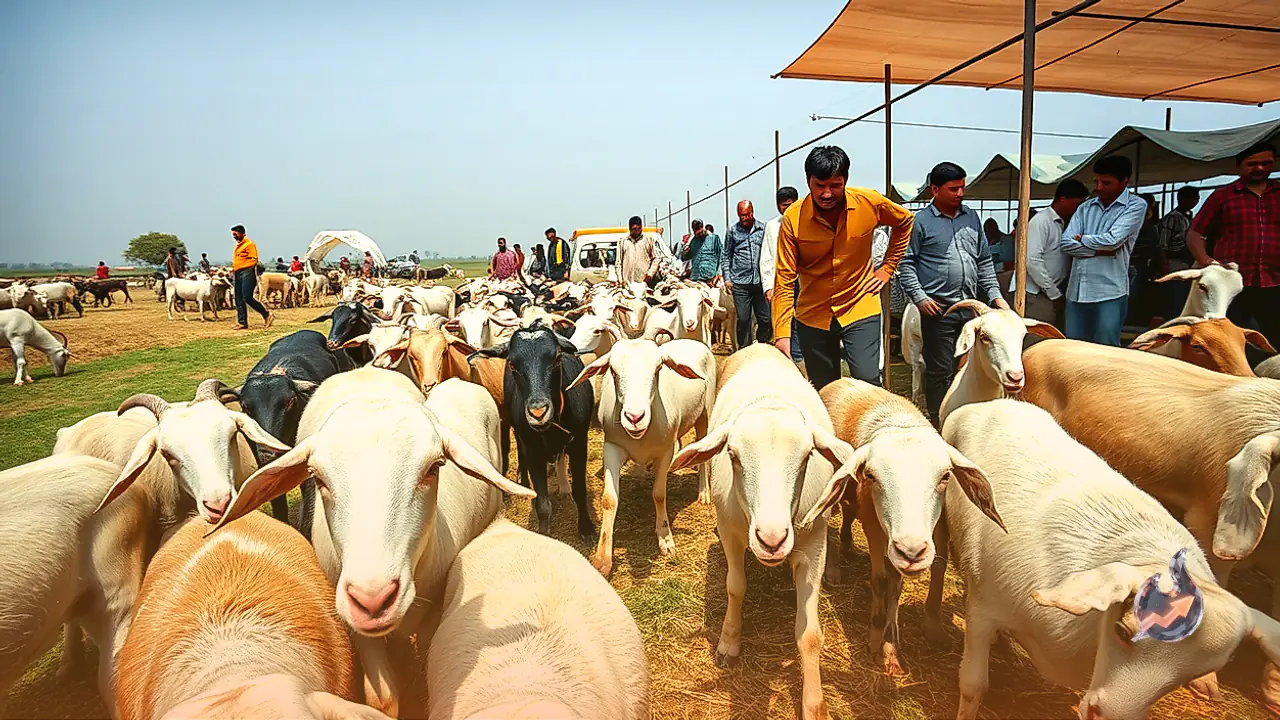
During a farmers exhibition and fair held in Jehanabad, agricultural and livestock experts gathered to share practical techniques with local producers. Among them was Dr. Dinesh Mahto, an animal husbandry expert associated with the Gandhar Krishi Vigyan Kendra in Jehanabad. Addressing goat keepers, he explained that acquiring livestock is relatively straightforward, but providing rigorous and scientific daily care is where real diligence is tested. He noted that if rearers expect healthy weight gain and optimal physical development from their herd, they must maintain disciplined husbandry practices alongside balanced nutrition.
Why Goats Require Eight Hours of Outdoor Grazing Daily
Addressing the core question of why open foraging is necessary, Dr. Dinesh Mahto underlined that goats should be taken out for open grazing every single day. Herd owners should allow their livestock to graze on green pastures for at least 8 hours on a daily basis. Allowing animals to spend eight hours roaming open pastures promotes steady physical development. This outdoor movement serves as natural exercise, which stimulates their metabolic activity and sharpens their appetite, encouraging them to consume adequate feed. Furthermore, direct exposure to sunlight while foraging under natural conditions significantly enhances the overall quality and texture of their meat.
Nutritional Value of Green Fodder and Enhanced Reproductive Health
The animal specialist further elaborated that fresh green forage supplies critical micronutrients, including vitamin A, vitamin C, and vitamin E. These vitamins help eliminate several recurring metabolic and health ailments in the herd. In particular, the combination of vitamin A and vitamin E significantly bolsters reproductive capability and increases their birth-giving capacity. Given these substantial nutritional and physiological benefits, experts have strongly urged goat rearers to allocate sufficient time every day to let their animals graze freely in open pastures.