
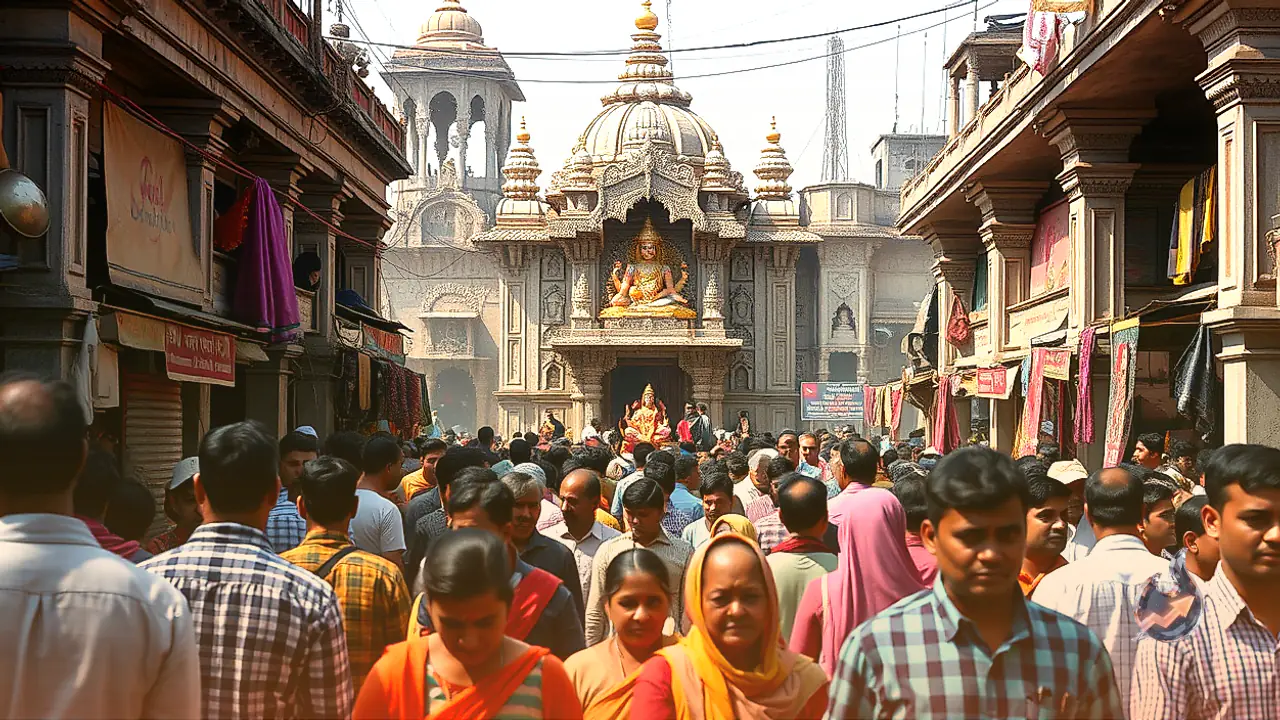
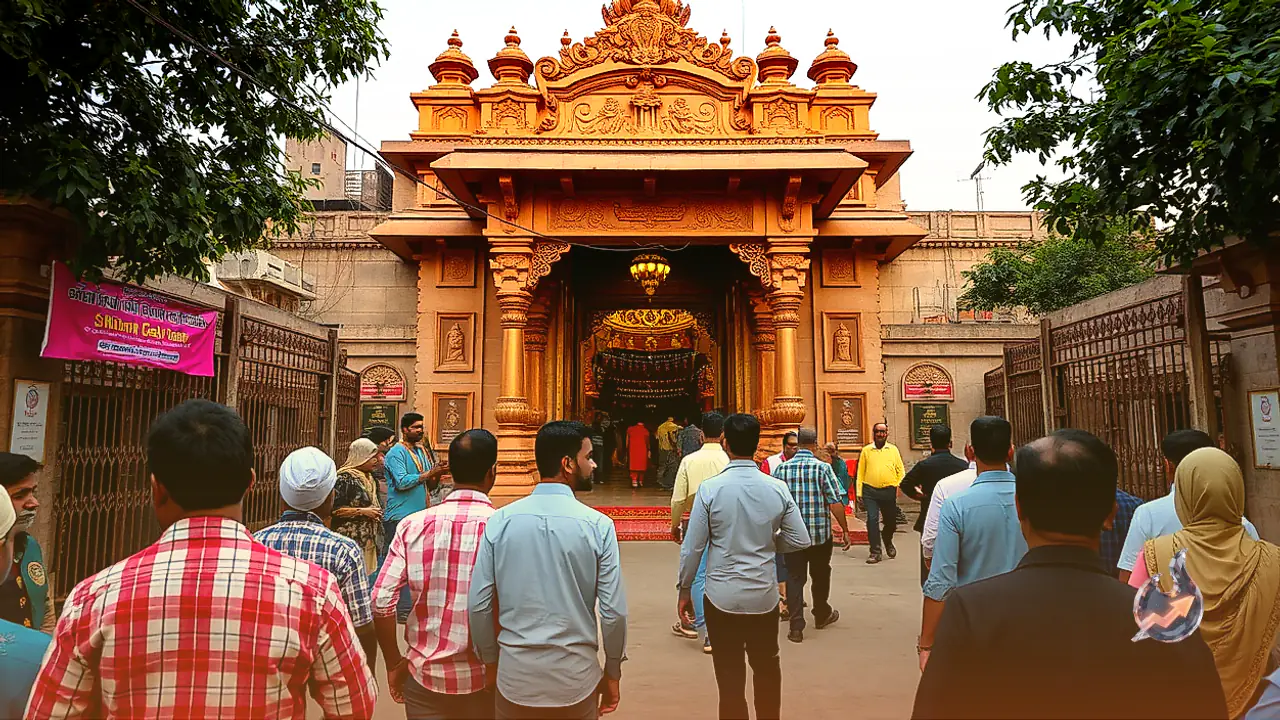

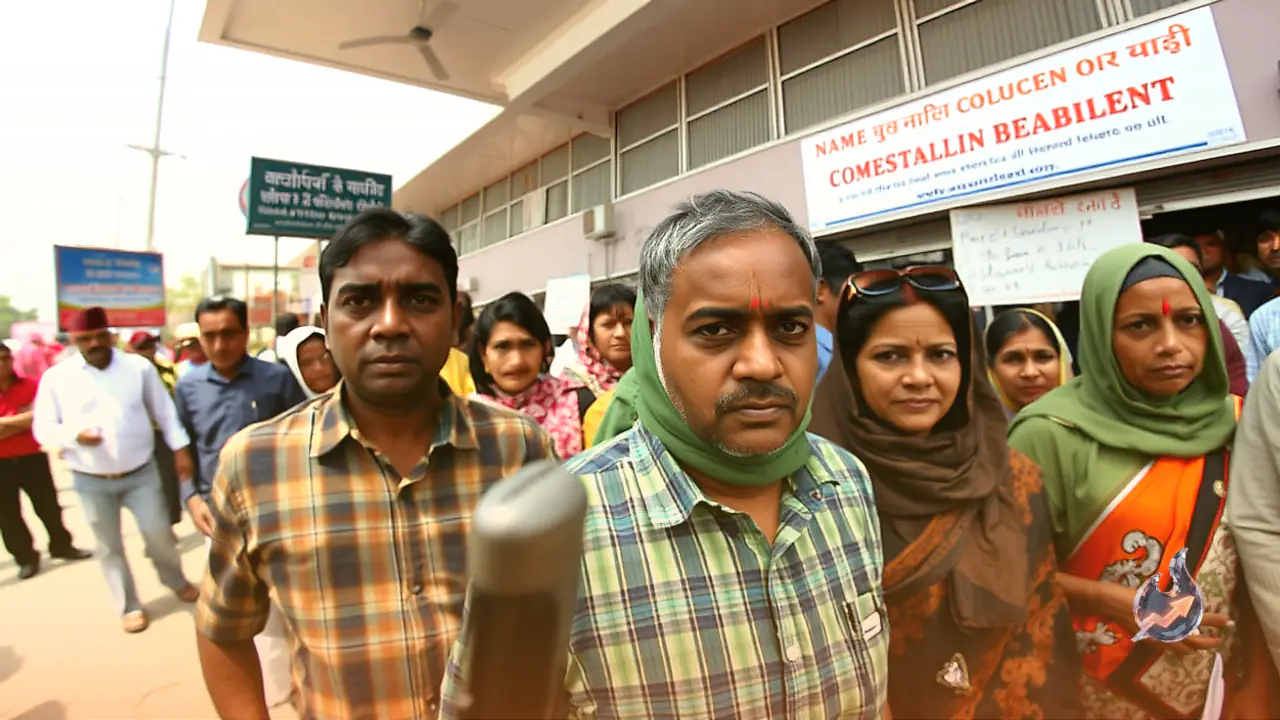

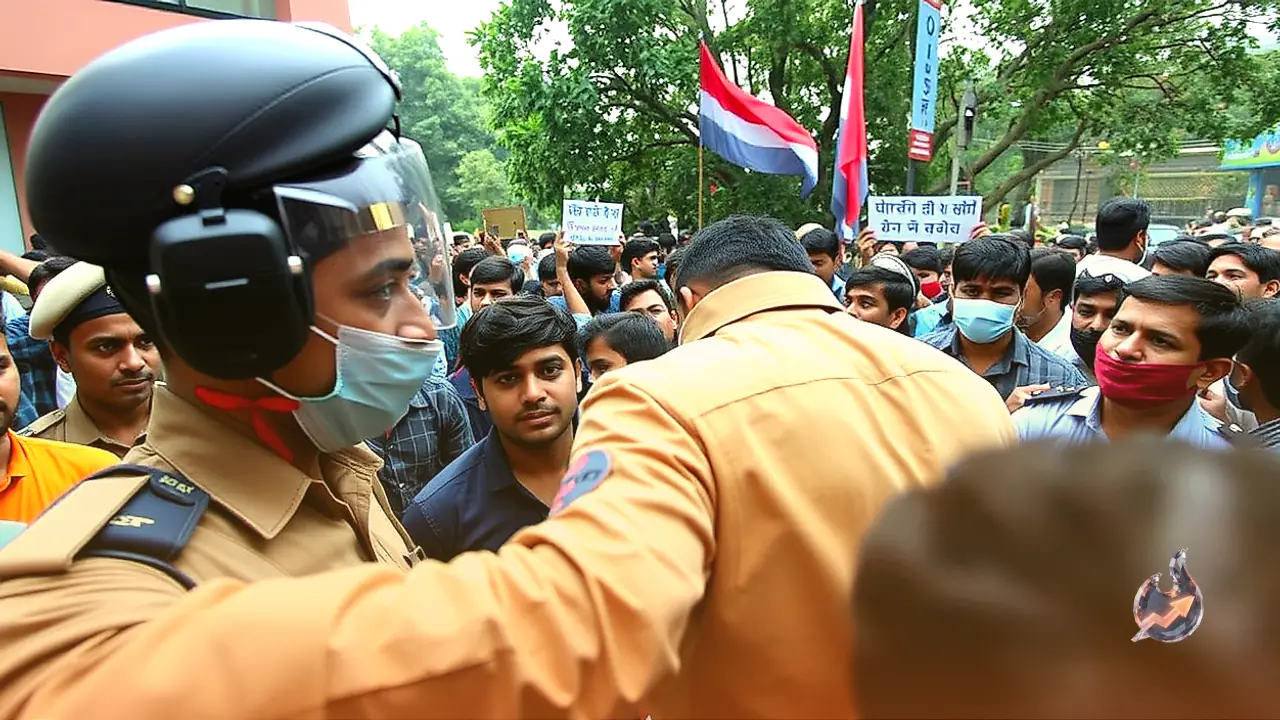















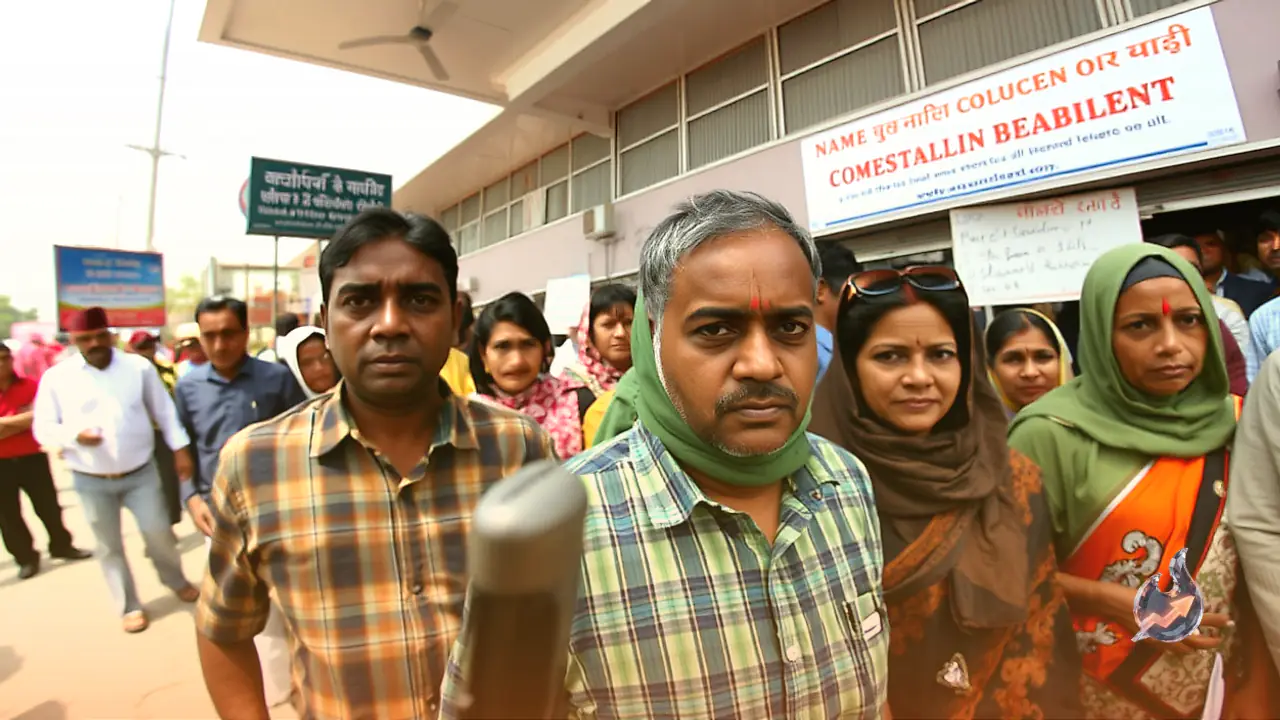

A wave of resentment is mounting among displaced families and local residents over moves to rename the mega aviation facility rising in Greater Noida. Displaced families currently relocated to Pocket-1 of the RR Colony in Jewar point out that they parted with their ancestral landholdings for the project, yet they continue to grapple with acute civic shortcomings, unfulfilled rehabilitation terms, and joblessness. Against this backdrop, news of modifying the name of the facility has intensified their frustration. Residents maintain that the original designation, Noida International Airport, is appropriate and should be preserved without alteration.
Objections to Naming Infrastructure After Political Figures
Local resident Satish Kumar voiced sharp opposition to altering the airport's identity. He contended that dedicating key public infrastructure to an individual political figure sets an unsound precedent. In his words, "Prime ministers will come and go, but naming an airport after an individual is not appropriate." He observed that numerous prime ministers have governed the country and completed their tenures over the decades, making it unnecessary and inappropriate to rename public assets after individual leaders. He insisted that the original title must be retained as it is.
Rajesh Singh raised similar concerns regarding the motivation behind the move. Questioning the administrative logic, he asked whether a change in governing parties in the future would trigger another round of renaming to match the preferences of whichever administration holds office. He stressed that local farmers and landholders made the actual sacrifice by surrendering their land, and administrative authorities should honour their sentiments by keeping the name Noida International Airport. Swaraj Singh echoed this stance, stating that the original name was the most fitting choice. He argued that public development projects ought to preserve their foundational, regional identity rather than being tied to any individual personality.
Rehabilitation Plots Hindered by Missing Deeds and Stringent Leases
The conflict surrounding the name reflects deeper, lingering distress over the execution of the resettlement program. Families forced to relocate have criticized the administration's rehabilitation process. Swaraj Singh explained that following displacement, affected households were allotted residential plots measuring 50 square metres each. During the acquisition phase, authorities had assured them that legal registration deeds for these plots would be completed after five years. However, affected residents report that even after the completion of that timeframe, the registry process remains stalled, leaving allottees without formal title deeds.
The continued enforcement of lease terms on these plots has introduced additional hardships. Under current stipulations, residents must obtain formal administrative permission simply to sell their property or let out portions of their homes to tenants. Swaraj Singh pointed out that such bureaucratic restrictions have proved especially burdensome for senior citizens, who find their mobility and autonomy severely constrained. Relocating from open rural village homesteads into cramped urban resettlement pockets has drastically altered their lifestyle, depriving them of their former independence and complicating routine daily tasks and livelihood activities.
Unfulfilled Employment Pledges and Growing Economic Strain
Loss of income remains the most pressing issue for the displaced community. Residents maintain that when their farmland was initially acquired for the aviation hub, officials had pledged that at least one person from every affected village household would receive employment. Yet, even as the sprawling airport nears operational readiness, most affected households have received no employment support. Families who had pinned their hopes on securing positions at the facility report that they have received neither government postings nor meaningful job placements within private enterprises operating at the site.
Ashok Kumar expressed his deep discontent with current conditions, indicating that affected families feel thoroughly misled. Displaced villagers explain that parting with their native villages severed their traditional agricultural livelihood, plunging multiple households into severe financial distress without adequate alternative sources of income to sustain their families.
Calls for Basic Rights, Clear Ownership, and Dignity
Displaced villagers also expressed ongoing grief regarding the compensation terms and valuation of the lands they surrendered. They explained that their ancestral acreage held profound generational and emotional value while serving as their sole sustainable source of livelihood. Relocation to the colony, residents argue, has failed to deliver the promised standard of living, leaving them without basic community infrastructure and adequate civic amenities. Villagers feel that amidst the fanfare of a multi-billion-rupee infrastructure venture, their genuine humanitarian concerns have been completely sidelined.
Residents of the Jewar settlement insist that authorities must immediately address their core grievances. They demand that the title Noida International Airport be permanently retained, that the registry procedures for the 50-square-metre plots be finalized and clarified without delay, and that all outstanding employment commitments made during land acquisition be honoured. Displaced families emphasize that while safeguarding the airport's identity matters to them, securing legal title deeds, meaningful livelihoods, and dignified living conditions is a matter of survival.