
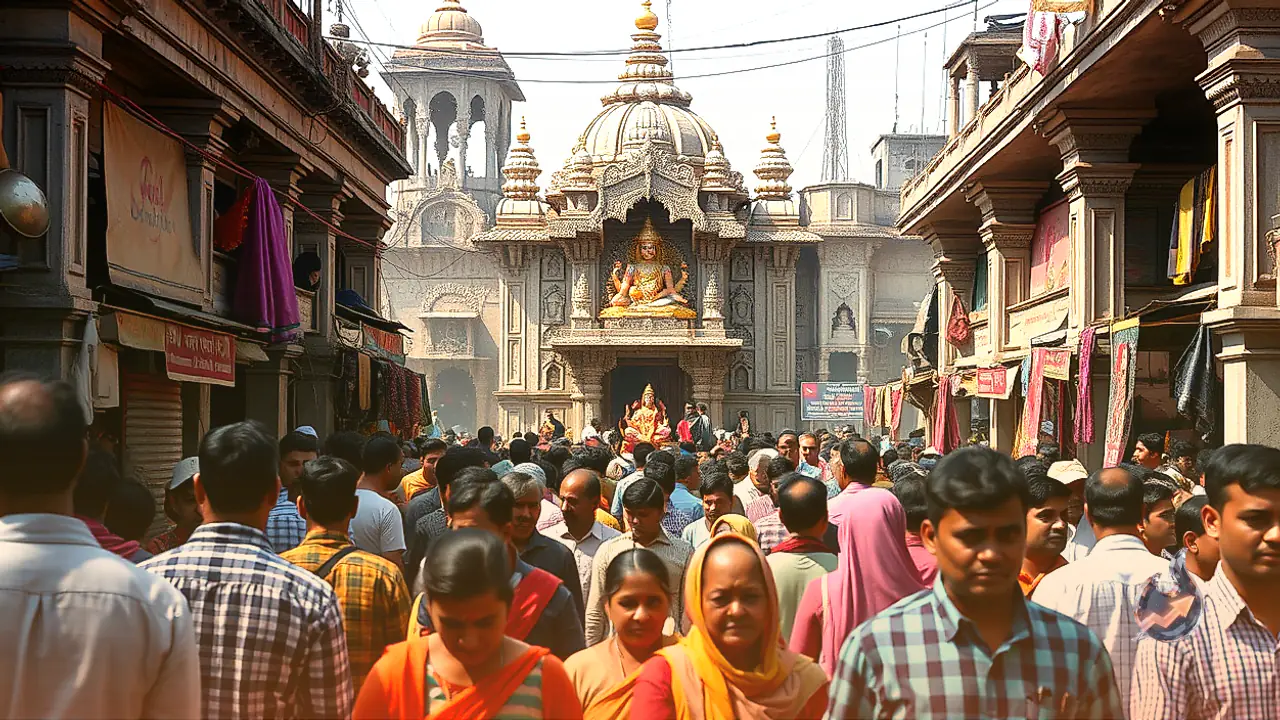
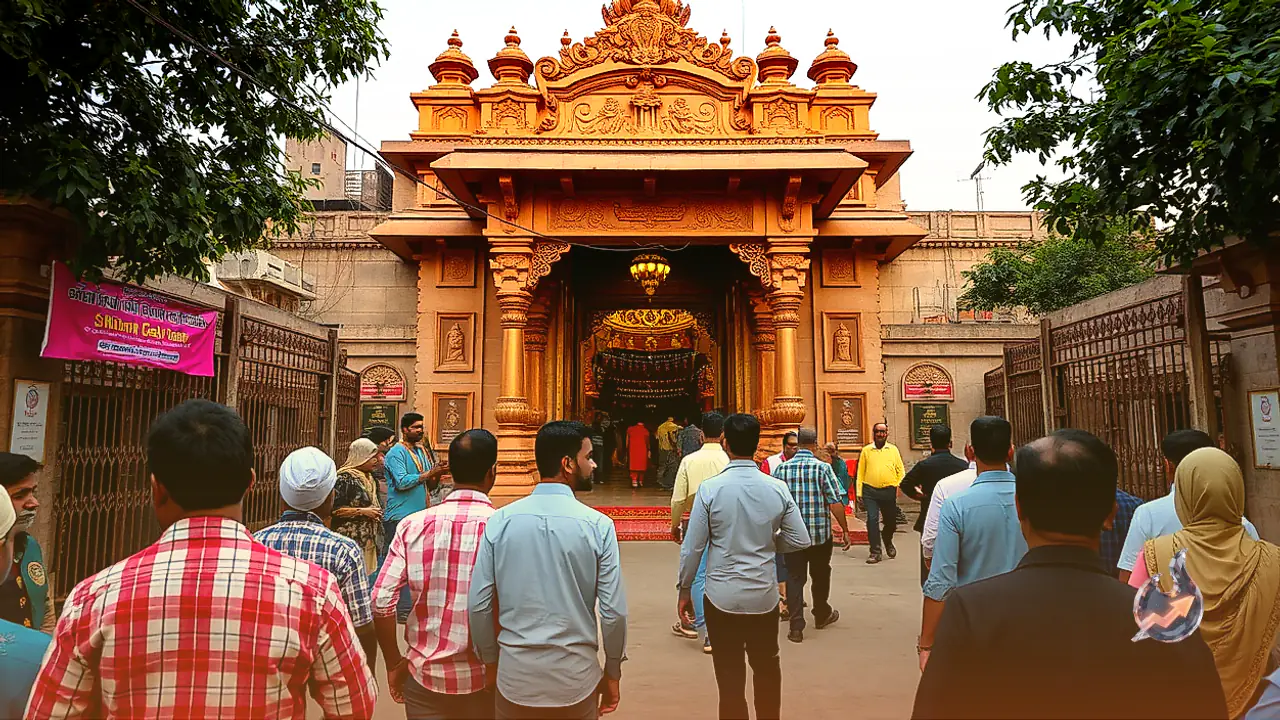
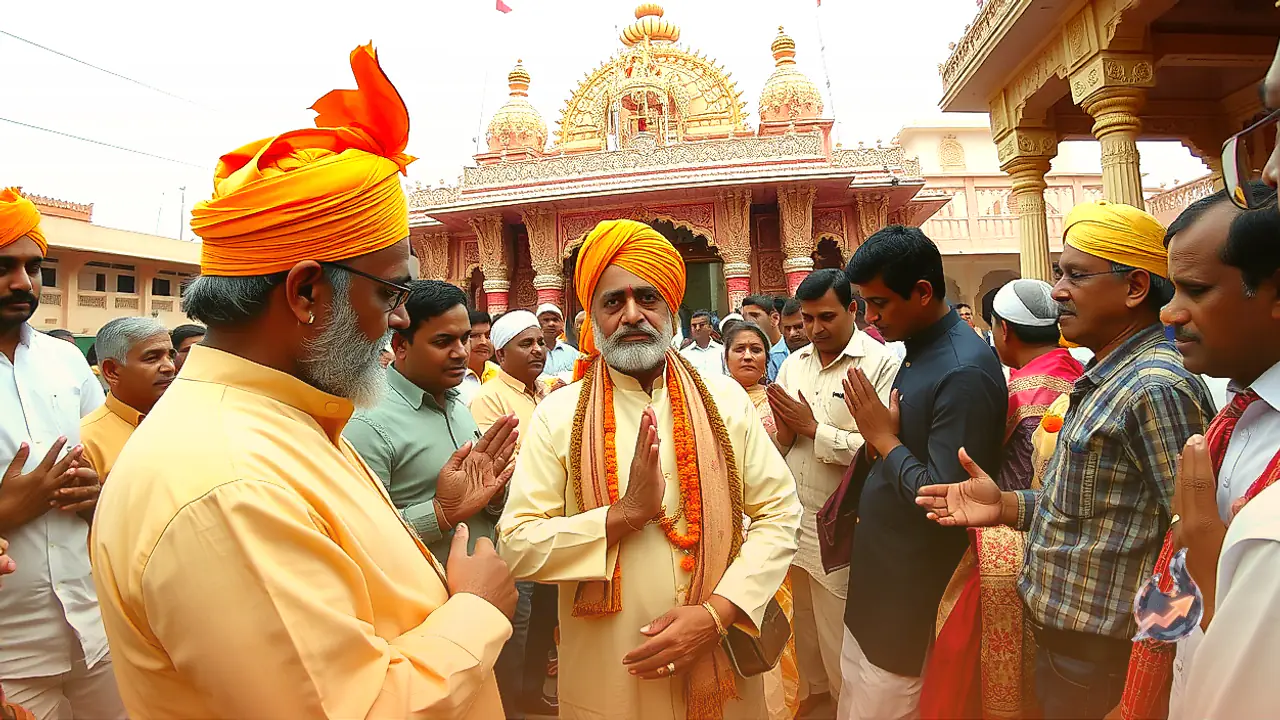


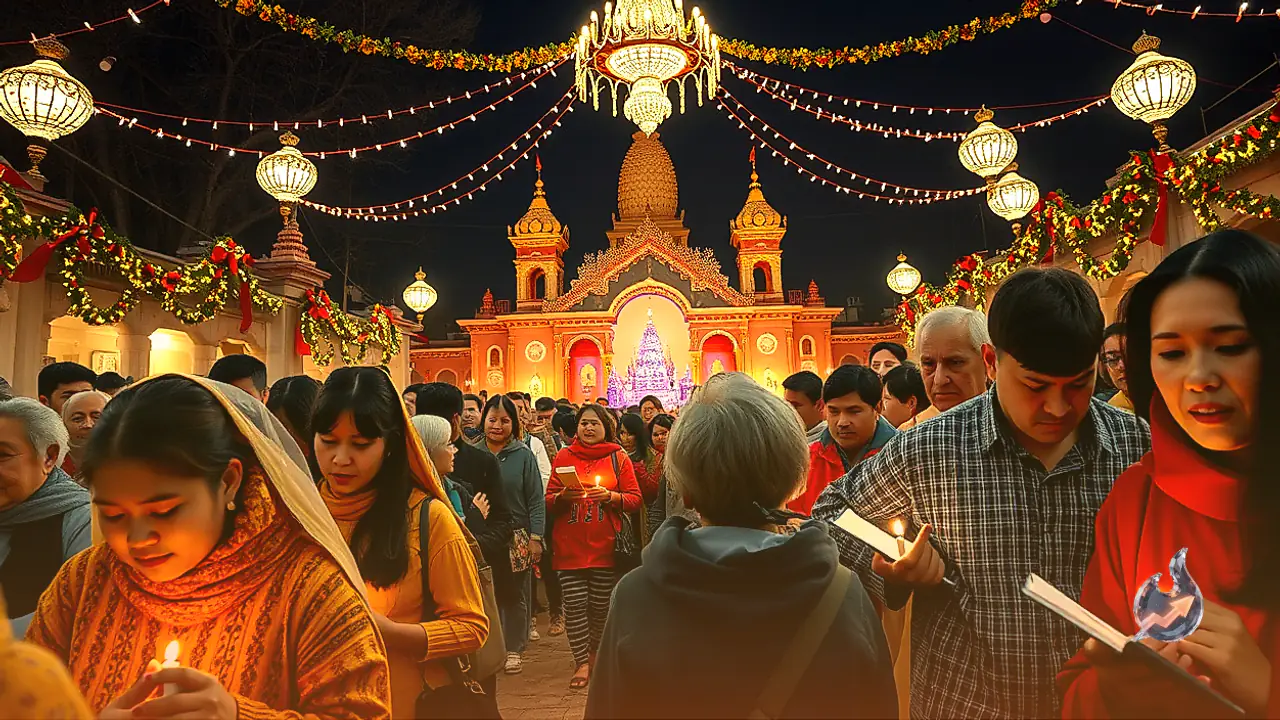














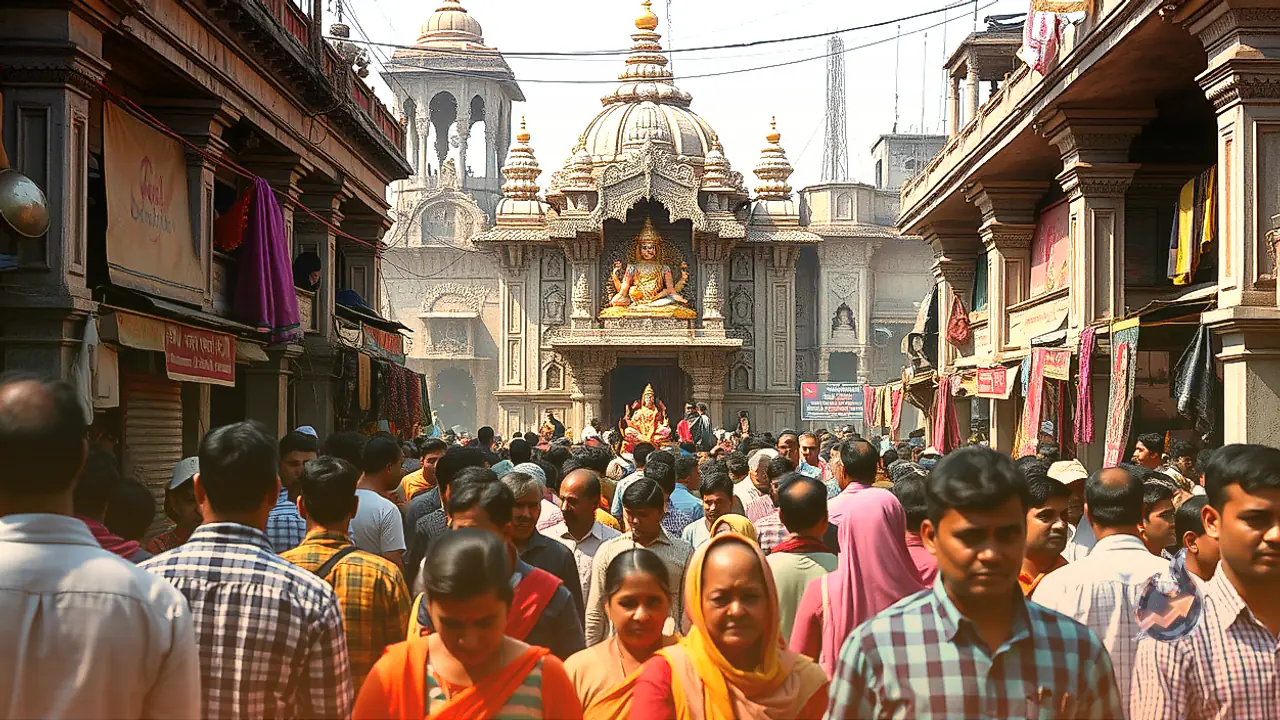

With the commencement of Sharad Navratri, temples across the region have begun echoing with devotional chants dedicated to Goddess Durga. The historic Ambika Devi temple in Ambala is witnessing long queues of devotees gathering from the early morning hours to offer their prayers. Far beyond being merely a revered center of faith, the shrine represents a profound landmark intrinsically connected to the heritage and identity of the city. According to well-established local beliefs, the city of Ambala derived its very name from Maa Amba Devi, a historical association that magnifies the spiritual significance of this shrine during the nine-day Navratri festival.
The first day of Sharad Navratri marks the traditional worship of Shailputri, the very first manifestation among the nine forms of Goddess Durga. Traditional beliefs hold that observing rituals and offering devoted prayers across the complete nine days of Navratri ushers enduring peace, happiness, and prosperity into the household. Anchored in this profound belief, devotees have been arriving in steady streams to seek divine blessings at the Ambika Devi shrine, prompting the temple administration to roll out elaborate arrangements for the festive period.
Three Centuries Of Heritage Architecture And Intricate Murals
Believed to be more than 300 years old, this historic temple continues to exhibit the architectural craftsmanship of a bygone era. The intricate paintings adorning the ceilings and inner walls, along with the traditional masonry, preserve a distinct aesthetic appeal that captivates visiting worshippers. For the thousands entering the shrine during Navratri, the visit offers not only an act of religious worship but also a direct connection with the long-standing cultural roots of the region.
Inside the sanctum sanctorum, worship is not conducted before a conventional idol but rather around the revered Pindi manifestation of the goddess. This ancient Pindi form has rested within the shrine since antiquity and continues to remain the core object of devotion for pilgrims.
Elaborate Adornments With Kolkata Blossoms And Dry Fruit Offerings
Temple authorities have arranged extensive decorations to mark the auspicious festival. Fresh floral consignments have been specifically sourced from Kolkata to curate daily decorations for the deity. Throughout all nine days of Navratri, the sanctum will showcase distinct decorative themes that change each morning.
Alongside the fresh flowers, the evening ceremonies feature an ornate decoration of the deity composed entirely of dry fruits. Once the ritual prayers conclude, these dry fruits are distributed among the gathered worshippers as blessed prasad. Devotees display immense enthusiasm for this distinctive evening custom, lining up to receive the sanctified offerings.
The Legend Of Durgam Rakshas And The Founding Of The City
Maa Ambika Devi is revered by devotees as an incarnation of Adishakti, the supreme primordial cosmic power. According to sacred lore, the goddess vanquished the demon Durgam in ancient times to end his reign of terror, after which she came to be celebrated and worshipped in the protective form of Goddess Durga. Temple traditions maintain that the shrine predates the formal settlement of Ambala itself.
Popular belief firmly roots the origins of the city's name in Maa Amba Devi. The preserved structure of the shrine, its traditional layouts, and the ancient Pindi form serve as a living link to that foundational era, seamlessly merging religious sanctity with municipal history.
Multigenerational Bonds And Devotees Arriving Across State Borders
The bond between local residents and the shrine often stretches back across generations. Amarnath, an elder devotee visiting the sanctum, recounted his personal connection of approximately 50 years with the site. Having visited the shrine since his early childhood, he noted that his parents and forebears were also regular worshippers here. He plans to sustain his visits by attending the morning and evening prayers on all nine days of the festival.
Similarly, Amit Kumar, a resident of Model Town in Ambala city, described his deep-seated reverence for the goddess while visiting the court with personal prayers. He shared that following his morning visit to the shrine, he would proceed to establish the sacred Navratri Kalash dedicated to Maa Sherawali in his home.
The religious pull of the Ambika Devi shrine reaches well beyond local city limits. Pilgrims from several neighboring districts of Punjab and Himachal Pradesh travel to Ambala to pay homage during Navratri. The growing surge of worshippers demonstrates how shared sacred traditions and ancient urban heritage continue to thrive across northern India.