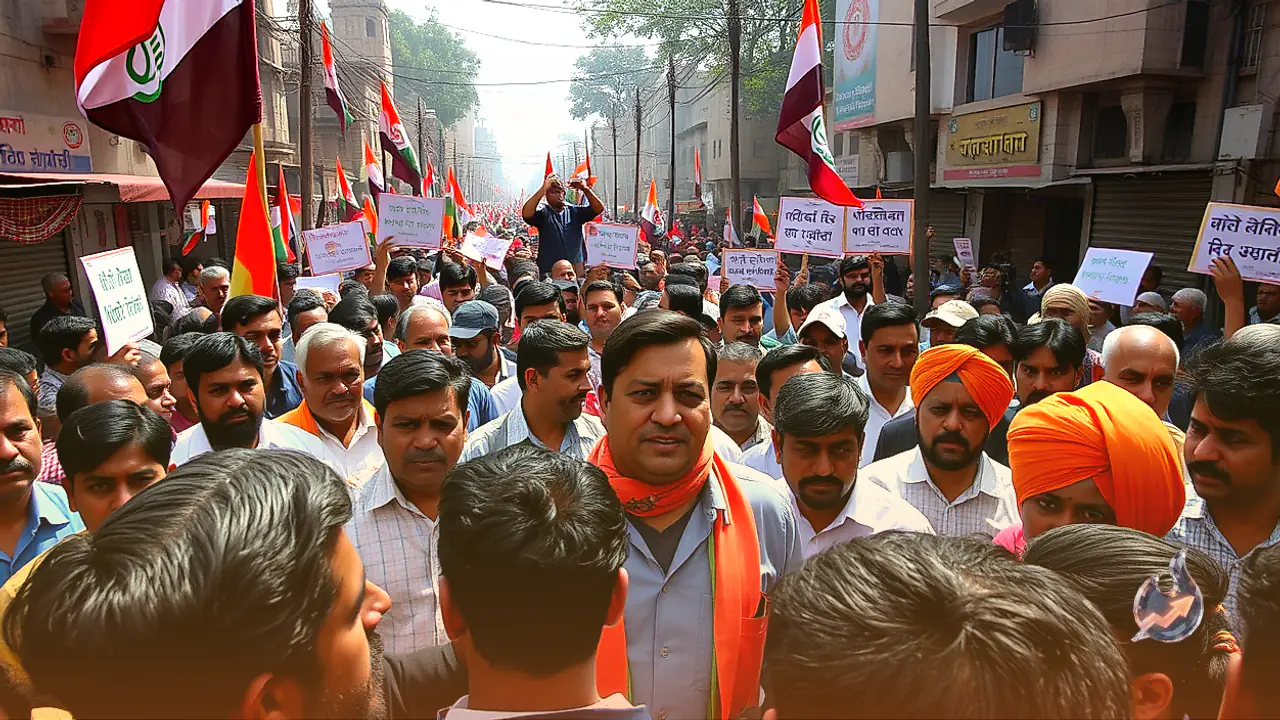


















Efforts by the opposition alliance to present a united front against Prime Minister Narendra Modi and the central government are facing severe friction across key electoral states. While demonstrations were organized in New Delhi and Mumbai on Gandhi Jayanti seeking the resignation of Gyanesh Kumar, the coalition is struggling to maintain cohesion where electoral stakes are high. From sharp disagreements over seat allocations in Uttar Pradesh to leadership shakeups and factional feuds in Punjab, regional realities are testing the alliance well ahead of upcoming polls.
Demonstrations at Jantar Mantar and Police Interventions
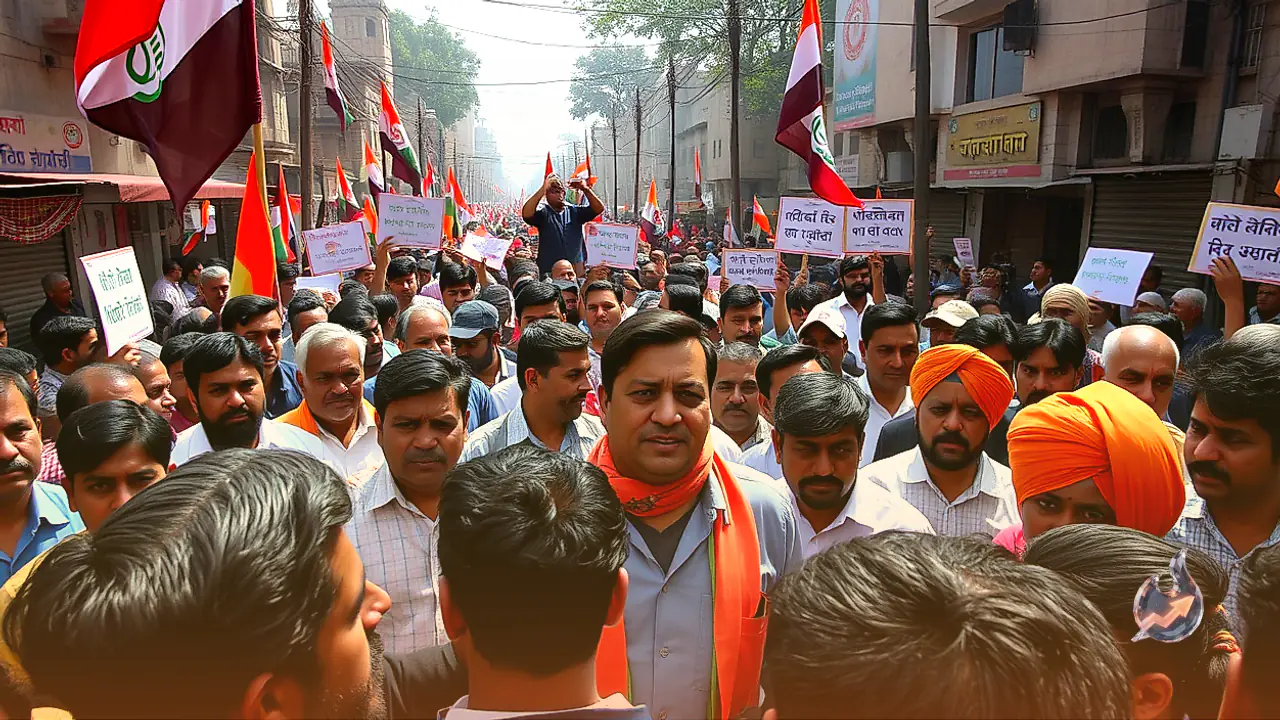
On October 2, Gandhi Jayanti, opposition leaders and party cadres gathered at Jantar Mantar in the national capital to mount a high-profile agitation. However, the gathering lacked administrative permission, prompting Delhi Police to intervene and clear the venue. Approximately 1,000 demonstrators were detained during the police operation, including prominent political figures such as Saurabh Bharadwaj, Atishi, Sanjay Singh, and Neha Bora.
The mobilization continued into the following day when Neha Bora called for a fresh demonstration at Jantar Mantar at 1:00 PM on October 3. Police authorities once again denied permission and deployed personnel to prevent any gathering, leading to the detention of around 150 individuals. Following the events, Rahul Gandhi accused the police of mistreating female demonstrators, an allegation that Delhi Police formally denied. The police registered three separate FIRs in connection with the unrest. The participation visibly dwindled over the two days, dropping from hundreds on the first day to only dozens on the second.
Shivaji Park Gathering and Human Rights Scrutiny in Mumbai
A parallel protest was organized at Shivaji Park in Mumbai centered on the same demands regarding Gyanesh Kumar. During this gathering, Abhijit Dipke directed sharp criticism toward both the Delhi Police and Prime Minister Narendra Modi. While Abhijit Dipke publicly commended the Mumbai Police for their initial conduct, the demonstration quickly became entangled in legal and procedural controversies. Mumbai Police registered an FIR against the organizers of the protest.
The event drew further scrutiny after formal allegations emerged regarding the involvement of minors in the rally. Satish Vaid, Head of Intervention at the Sewa Nyaya Utthan Foundation, submitted a formal complaint to the National Human Rights Commission citing photo and video evidence circulating on social media. The complaint alleged that a child was hoisted above the crowd while provocative slogans were chanted, and claimed that pre-protest group chats discussed bringing minors along to serve as human shields against potential police action. Taking cognizance of the matter, the National Human Rights Commission issued a notice seeking a comprehensive report within seven days.
Resignation of Amarinder Singh Raja Warring and New Punjab Leadership
Away from street agitations, the electoral ground in key states tells a contrasting story of division. In Punjab, internal discord within the Congress party culminated in a major organizational shift. Following deliberations by the party high command, Amarinder Singh Raja Warring stepped down as president of the Punjab Pradesh Congress Committee in the first week of October 2026. Warring had held the position since April 2022, having taken charge shortly after the party lost power in the state to the Aam Aadmi Party.
To navigate the leadership transition ahead of the 2027 assembly elections, the party appointed former hockey captain Pargat Singh as the new state unit chief. This appointment marks an effort to restructure the state organization before heading into a direct electoral confrontation with the ruling Aam Aadmi Party.
Factional Discord Between Charanjit Singh Channi and Raja Warring
The leadership exit followed months of persistent friction between factions loyal to former Chief Minister Charanjit Singh Channi and outgoing state chief Amarinder Singh Raja Warring. The Channi faction had actively opposed Warring remaining at the helm of the state unit. The rivalry between the two camps had manifested publicly through competing posters, contradictory public remarks, and struggles over organizational dominance across districts.
Beyond personal rivalries, the internal conflict reflects divergent political bases within Punjab. Charanjit Singh Channi represents an effort to consolidate Dalit voter support, while Amarinder Singh Raja Warring has aligned his political influence with Jat Sikh representation. This persistent infighting has led rival parties to describe Congress as a fractured organization in the state, even as the Bharatiya Janata Party concurrently characterizes the ruling Aam Aadmi Party as divided.
Electoral Rivalry Between Congress and the Aam Aadmi Party in Punjab
Despite appearing aligned on national platforms against the central leadership, Congress and the Aam Aadmi Party remain fierce adversaries on the ground in Punjab. Immediately upon assuming office, the new state Congress president Pargat Singh targeted the ruling administration. Congress has launched attacks alleging a complete breakdown of law and order under the Aam Aadmi Party government.
While Congress leaders express confidence about returning to power in 2027, the party must first resolve its deep internal fractures. Having suffered an electoral defeat in 2022, Congress faces the dual challenge of unifying its feuding camps while aggressively campaigning against the very regional party with which it shares stages in New Delhi.
Seat Sharing Stalemate Between Samajwadi Party and Congress in Uttar Pradesh
The divergence within the opposition bloc is equally visible in Uttar Pradesh, where alliance dynamics have hit an impasse over electoral arithmetic. State-level talks between Congress and the Samajwadi Party have exposed stark disagreements over candidate fielding. Congress has laid claim to 150 assembly seats across the state, but the Samajwadi Party is reportedly unwilling to concede even 50 constituencies to its partner. Although Congress has initiated organizational adjustments in Uttar Pradesh, regional partners continue to restrict its footprint, underscoring the deep structural divisions facing the opposition front outside the national capital.