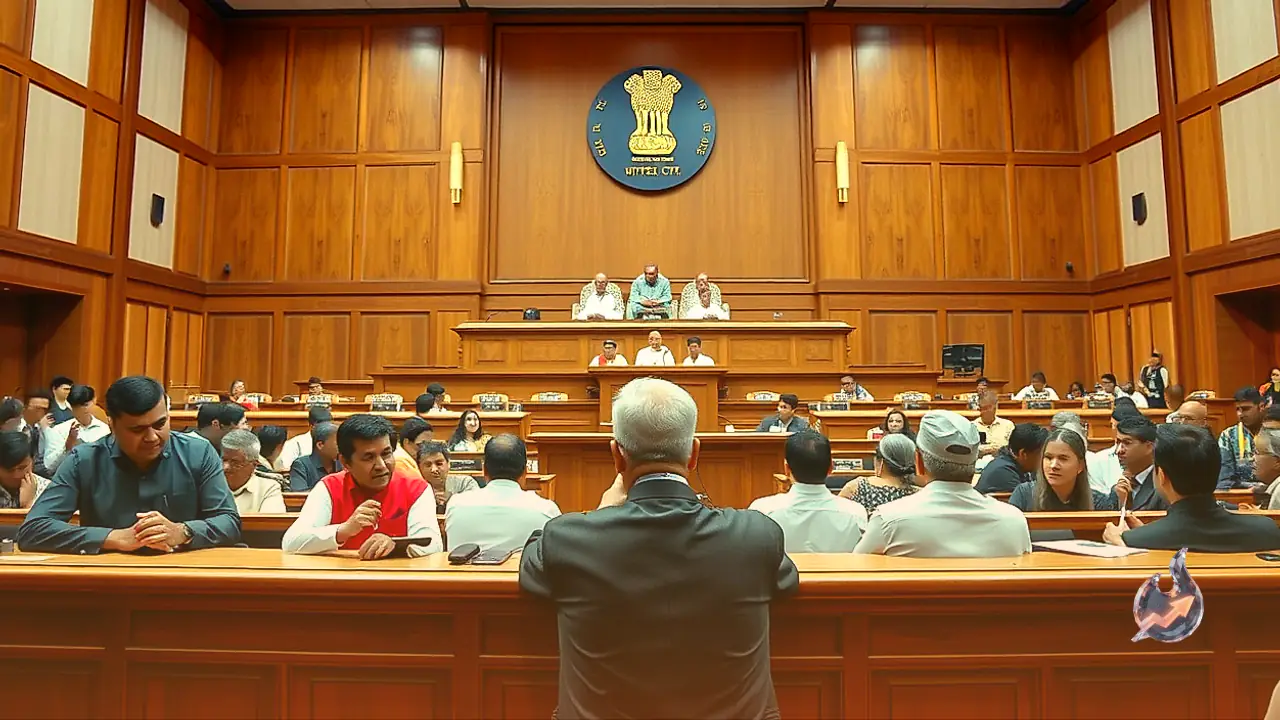

















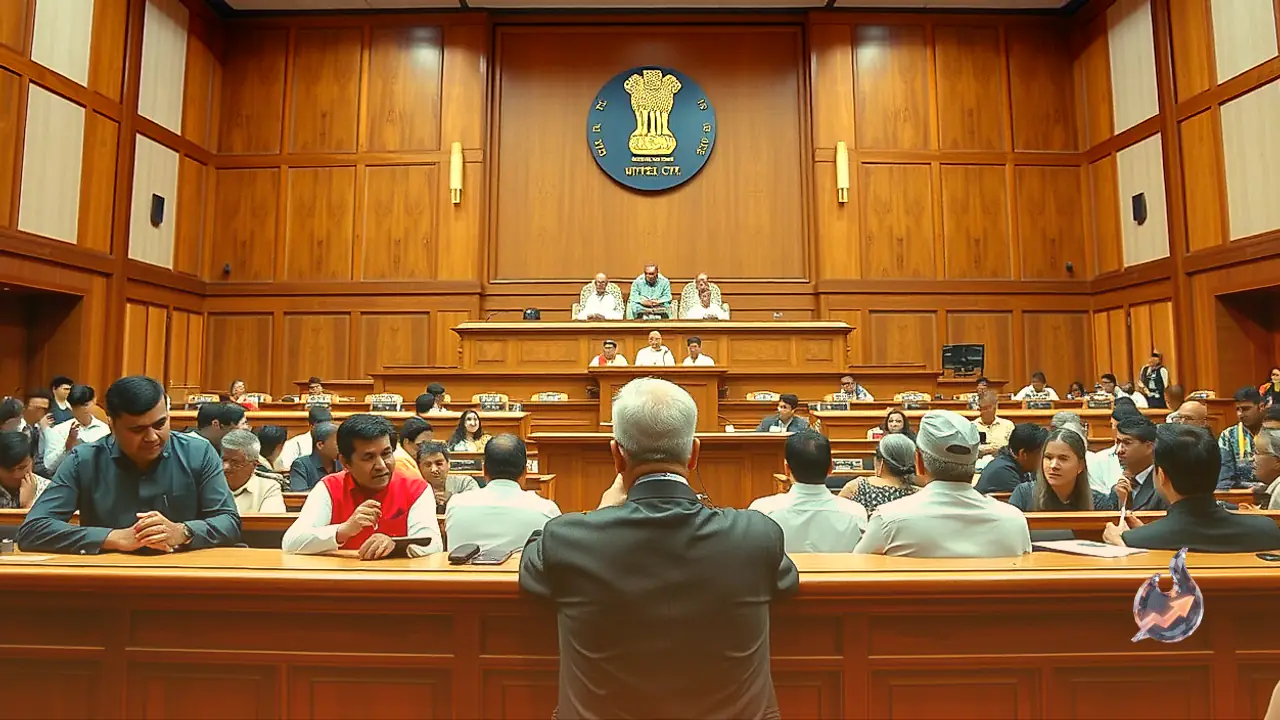

A significant judicial examination regarding the administrative functioning of India's election machinery is set to unfold before the nation's highest court. The Supreme Court has scheduled a key hearing on Monday, October 5, to take up petitions questioning the operational methods and unilateral governance allegedly adopted by Chief Election Commissioner Gyanesh Kumar. A three-judge bench comprising Chief Justice Surya Kant, Justice Joymalya Bagchi, and Justice V. Mohana will hear the arguments presented in separate public interest litigations challenging the protocols followed during the Special Intensive Revision (SIR) of voter lists. The legal challenges have been brought forward by Patna resident Rakesh Kumar Singh and advocate Shailendra Mani Tripathi.
Allegations of Bypassing Fellow Election Commissioners
At the heart of the petitions lies the grievance that the institutional multi-member character of the Election Commission has been compromised. The petitioners contend that major administrative and technical determinations were executed solely by the Chief Election Commissioner without securing the formal concurrence of Election Commissioners Sukhbir Singh Sandhu and Vivek Joshi. Because the Constitution vests election governance collectively in the Commission, the petitioners argue that any singular exercise of such powers lacks a valid legal foundation. They have urged the court to evaluate whether regulatory updates, software alterations, and field instructions related to the SIR exercise can be sanctioned without the collective agreement of the entire bench of commissioners.
Records of Dissent Across Ten Months
The controversy gained significant traction following disclosures that internal friction had arisen repeatedly within the commission. According to details placed before the bench, Election Commissioners Sukhbir Singh Sandhu and Vivek Joshi formally registered their objections on at least 14 separate occasions over a 10-month timeframe regarding SIR directives and regulatory circulars. Their reservations reportedly stemmed from crucial guidelines and technical modifications being implemented without their prior knowledge or formal recommendations. Responding to such controversies, the Election Commission has maintained that differences of perspective during internal deliberations represent normal institutional discourse and that every directive issued retains full legal enforceability.
Interim Restraint and Altered Governance Mechanism Sought
The public interest litigation filed by Rakesh Kumar Singh seeks immediate judicial intervention pending the final adjudication of the dispute. The plea requests the court to temporarily restrain Gyanesh Kumar from discharging his functions as Chief Election Commissioner until the proceedings conclude. To maintain operational continuity, the petition proposes that the everyday governance of the poll body be entrusted jointly to Election Commissioners Sukhbir Singh Sandhu and Vivek Joshi through mutual consensus. Furthermore, the petition urges that any vacancy arising from such judicial directions should be filled exclusively through a selection panel that includes the Chief Justice of India.
Safeguarding the Multi-Member Framework
The core legal premise advanced in the petitions rests on preserving the constitutional ethos of collective decision-making within the poll authority. The petitioners contend that decisions statutorily assigned to the commission as a collective body cannot be reduced to unilateral executive actions. Should the court find that unilateral choices were made on matters falling squarely under the collective mandate of the commission, the petitioners have asked that those determinations be declared unauthorized and void, with appropriate legal consequences enforced against administrative lapses.
Demand for Judicial Inquiry into Voter Deletions
In a parallel petition, advocate Shailendra Mani Tripathi has raised alarms over the scale of deletions executed during the special revision exercise, citing allegations that approximately 13 crore names were struck off the electoral registers. The petitioner has sought a thorough and independent probe into this massive purge of voter data, requesting the appointment of a special investigation team or a judicial inquiry led by a retired Supreme Court judge. The plea goes further to request criminal proceedings against the Chief Election Commissioner and other responsible officials for their alleged failure to perform statutory duties.
Forensic Evaluation of ECINet and ERONet Demanded
Technical integrity has also been brought under judicial scrutiny. The petitions seek a comprehensive forensic audit of the Election Commission's primary technological frameworks, specifically the ECINet and ERONet systems, to inspect the proprietary software modifications applied during the roll revision process. The petitioners have asked the bench to direct the Chief Election Commissioner to produce the statutory grounds for exercising collective commission authority individually. To substantiate their claims, the petitioners have urged the Supreme Court to call for the original administrative files, internal file notations, and official minutes of commission meetings.
Procedural Objections to Alterations in Registration Form 6
The petitions also challenge modifications introduced into Form 6, the standardized document utilized for new voter enrollment. The filings state that requirements compelling applicants to supply ancestry details and links to historical SIR entries were mandated through backend software updates rather than through formal statutory amendments to election rules. It is further highlighted that both companion election commissioners had formally placed their objections to these altered disclosure norms on record.
Absence of Statutory Amendments and Array of Parties
The petitions maintain that altering the scope and evidentiary requirements of a statutory enrollment form necessitates compliance with established rule-making procedures. Introducing onerous disclosure conditions purely via software programming, without amending the governing legal rules, is argued to be ultra vires and unconstitutional. To hold the administrative framework accountable, the litigation names the Union Ministry of Law and Justice, the Election Commission of India, Gyanesh Kumar, Sukhbir Singh Sandhu, Vivek Joshi, and senior election official Manish Garg as formal respondents in the proceedings.