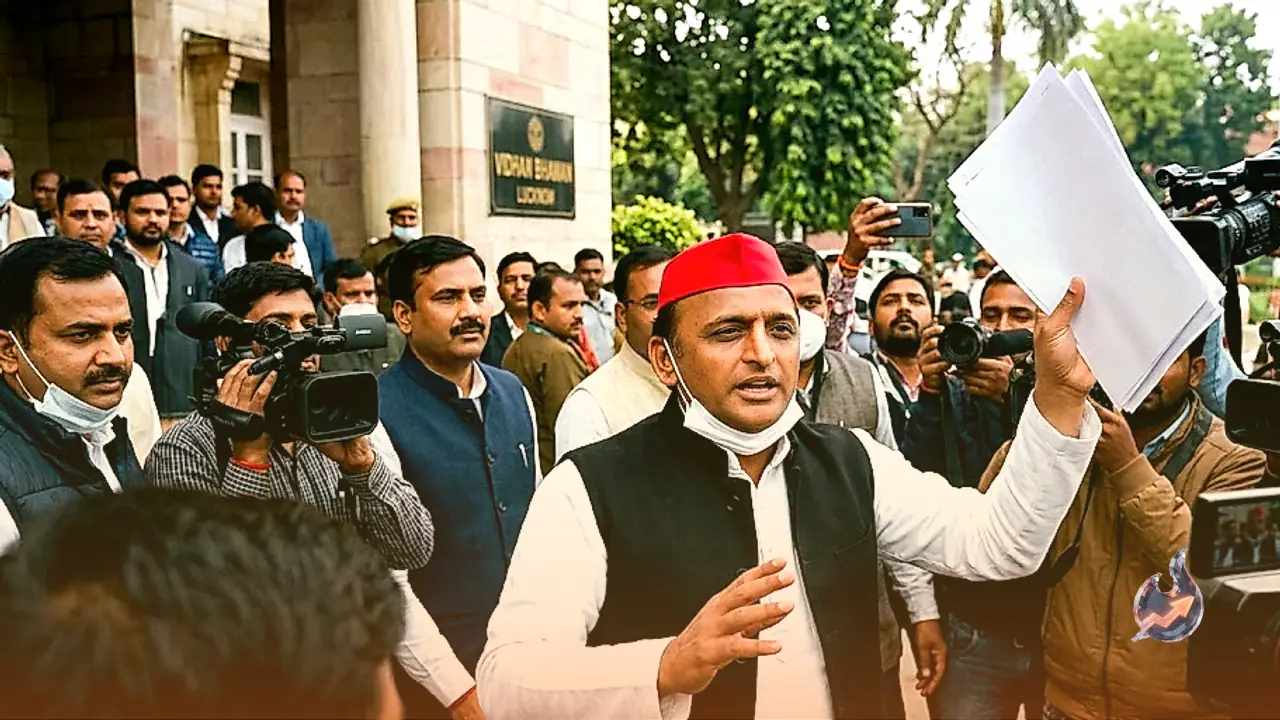
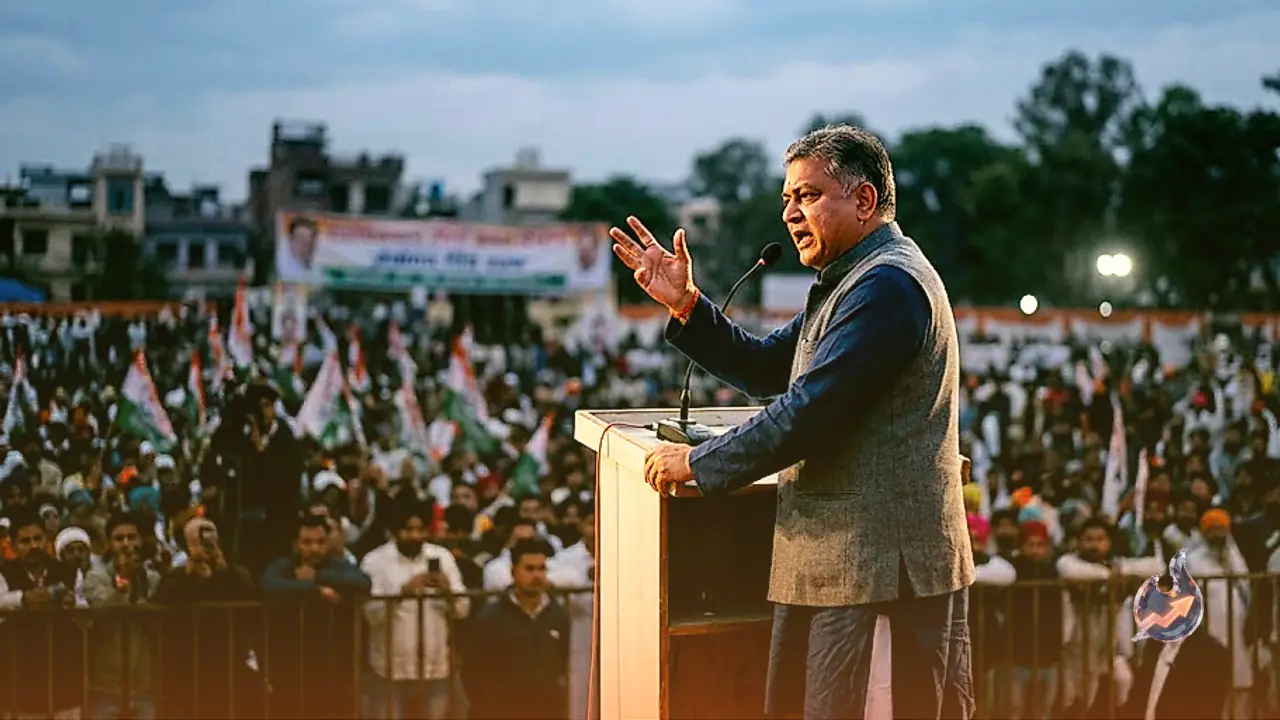
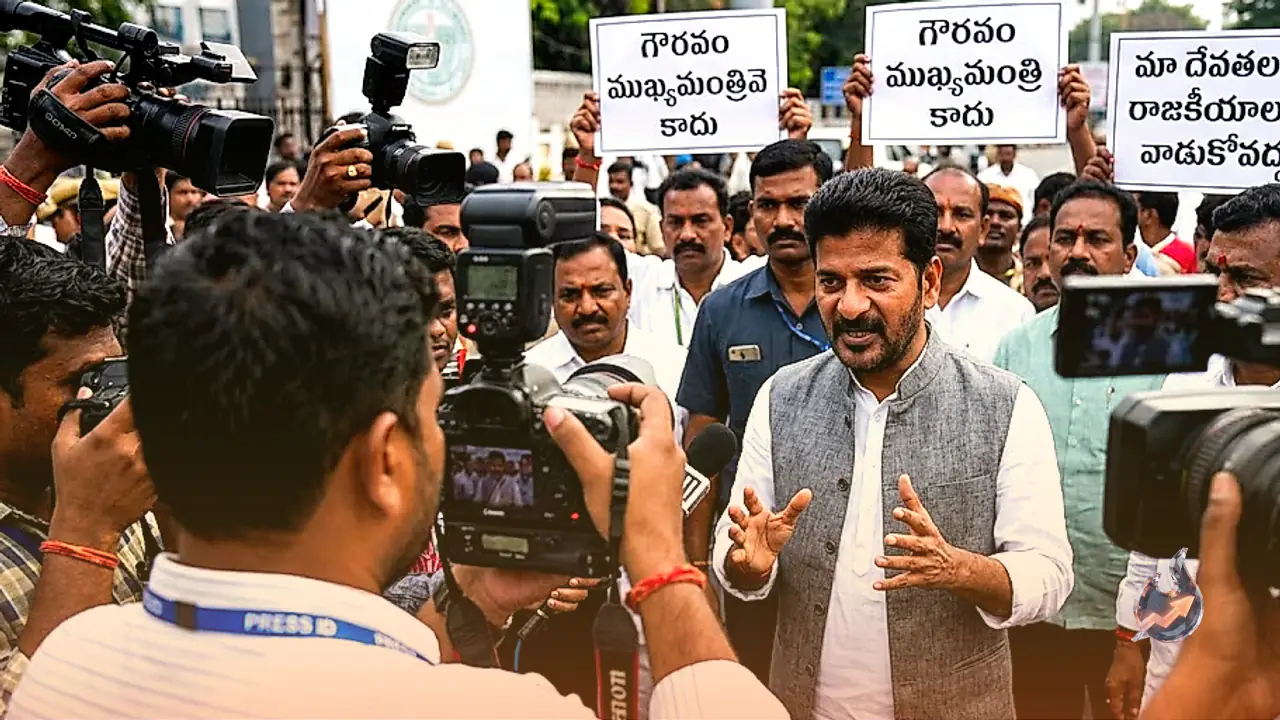
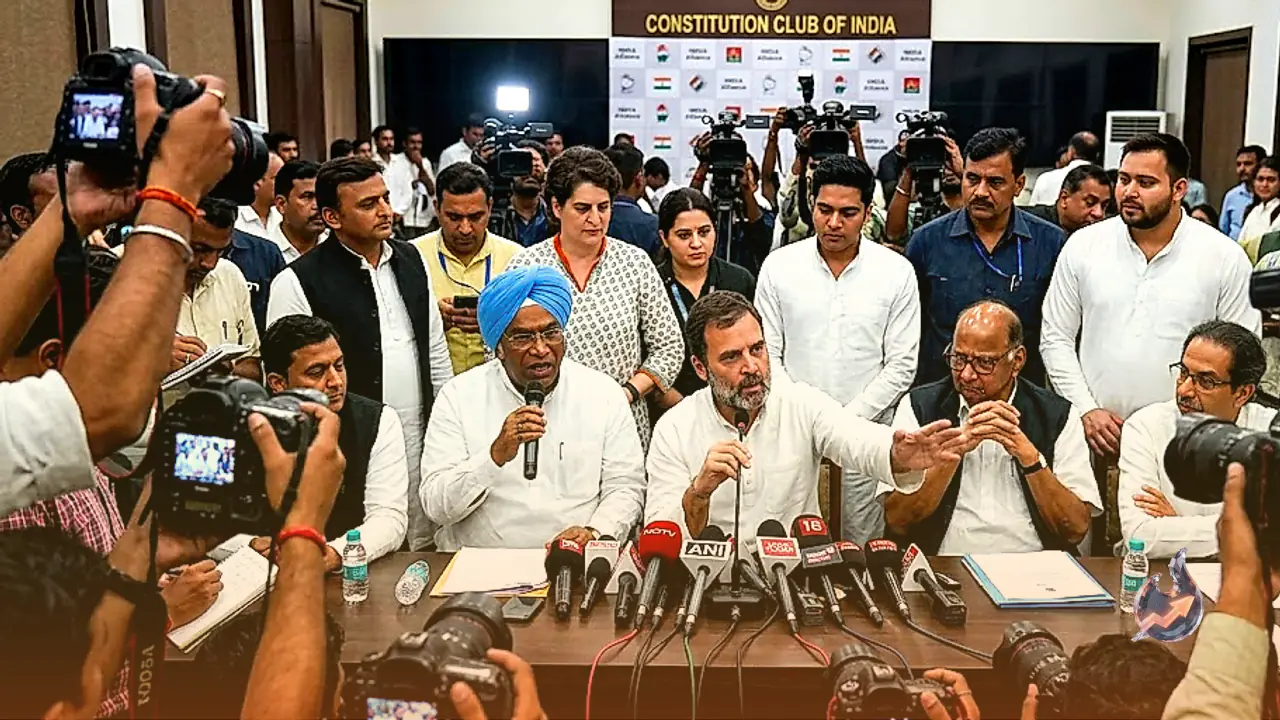














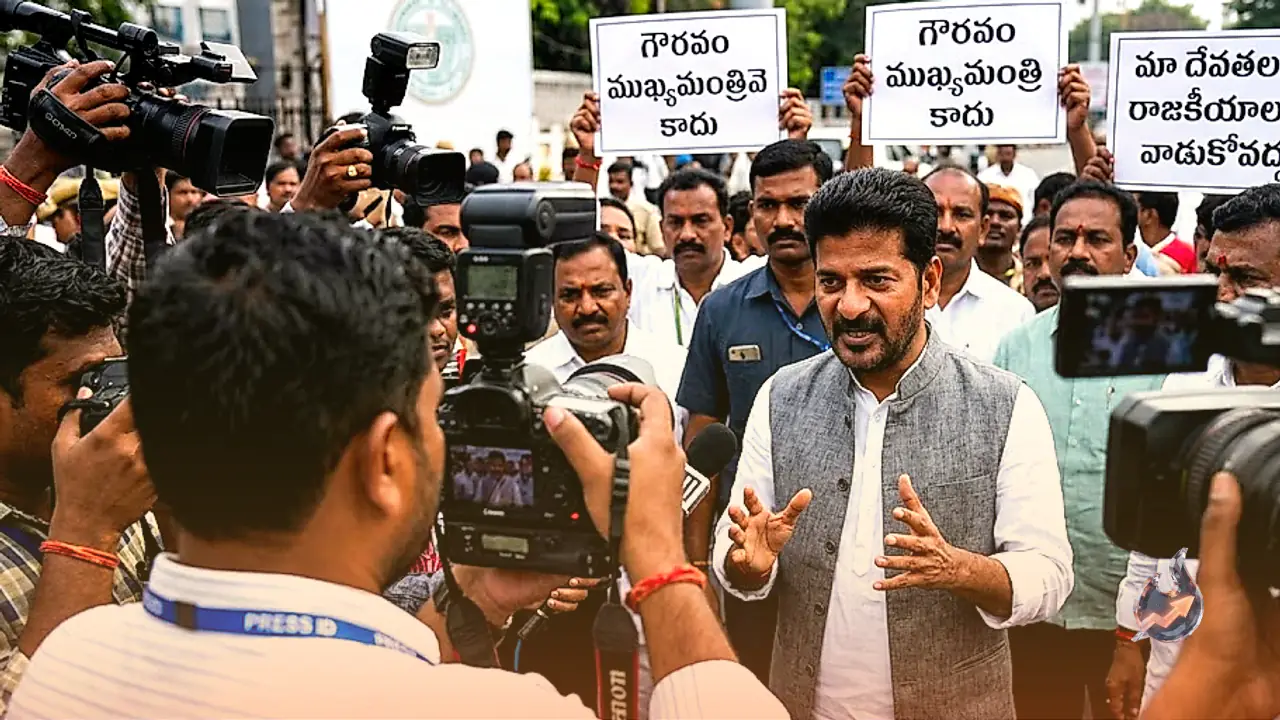

With the 2027 Uttar Pradesh assembly elections approaching on the political horizon, an intense ideological clash has surfaced over faith and regional identities. A sharp confrontation has broken out between the Bharatiya Janata Party and Congress leadership following remarks made by Telangana Chief Minister Revanth Reddy concerning Lord Ram and Lord Shiva. Addressing reporters in New Delhi on Monday, 29 September 2026, the Telangana Chief Minister drew sociological and cultural distinctions between the deities, drawing immediate criticism from the ruling party. As political temperature rises, strategists believe this rhetorical divergence could become a pivotal talking point in crucial upcoming state elections.
Controversial Arguments Spark Bitter Verbal Duel
Speaking to media personnel in the national capital, Chief Minister Revanth Reddy sought to challenge the political hegemony of the ruling party by presenting an unconventional demographic theory. He asserted a cultural divide between the northern and southern regions, categorizing traditional practices along mythological lines. Claiming that the ruling party had monopolized specific religious invocations, he contended that diverse cultural representations were deliberately being sidelined. Challenging the political narrative, he asserted, 'Shiv is the god of the poor and Ram is the god of the rich.' In addition, he questioned why slogans associated with Lord Shiva were seldom highlighted by his opponents.
Ruling Party Mounts Swift and Sharp Rebuttal
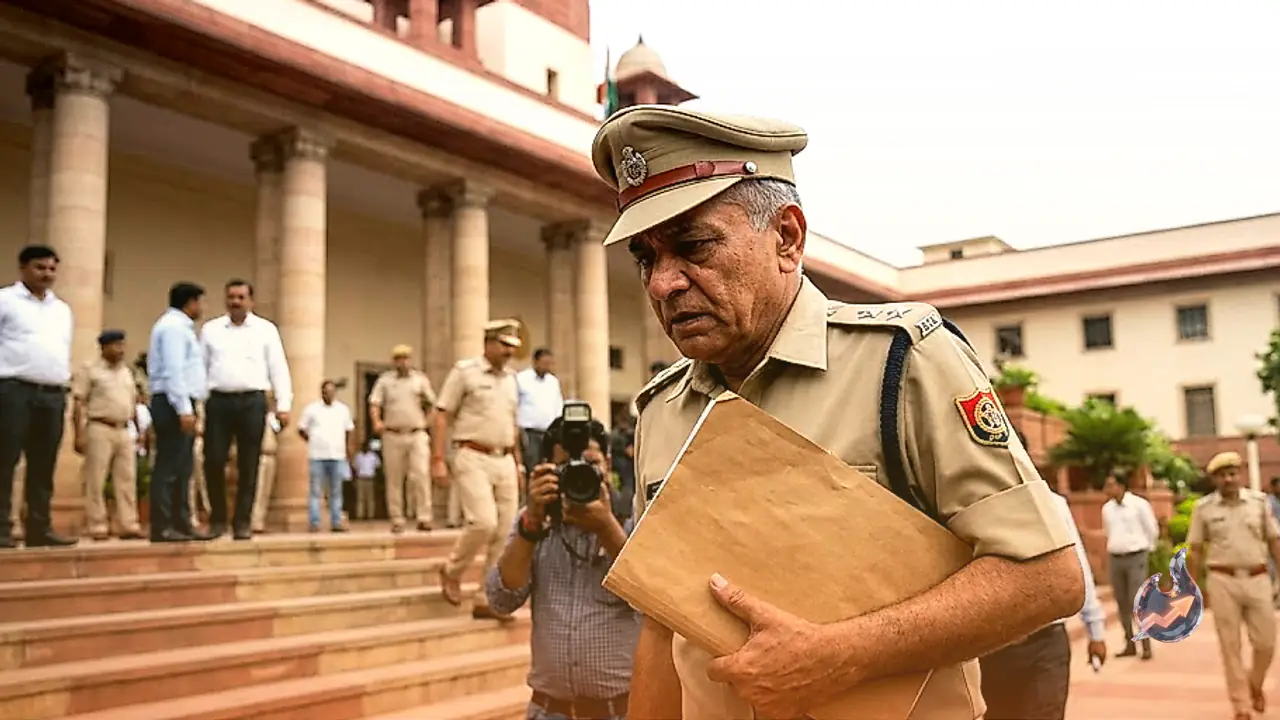
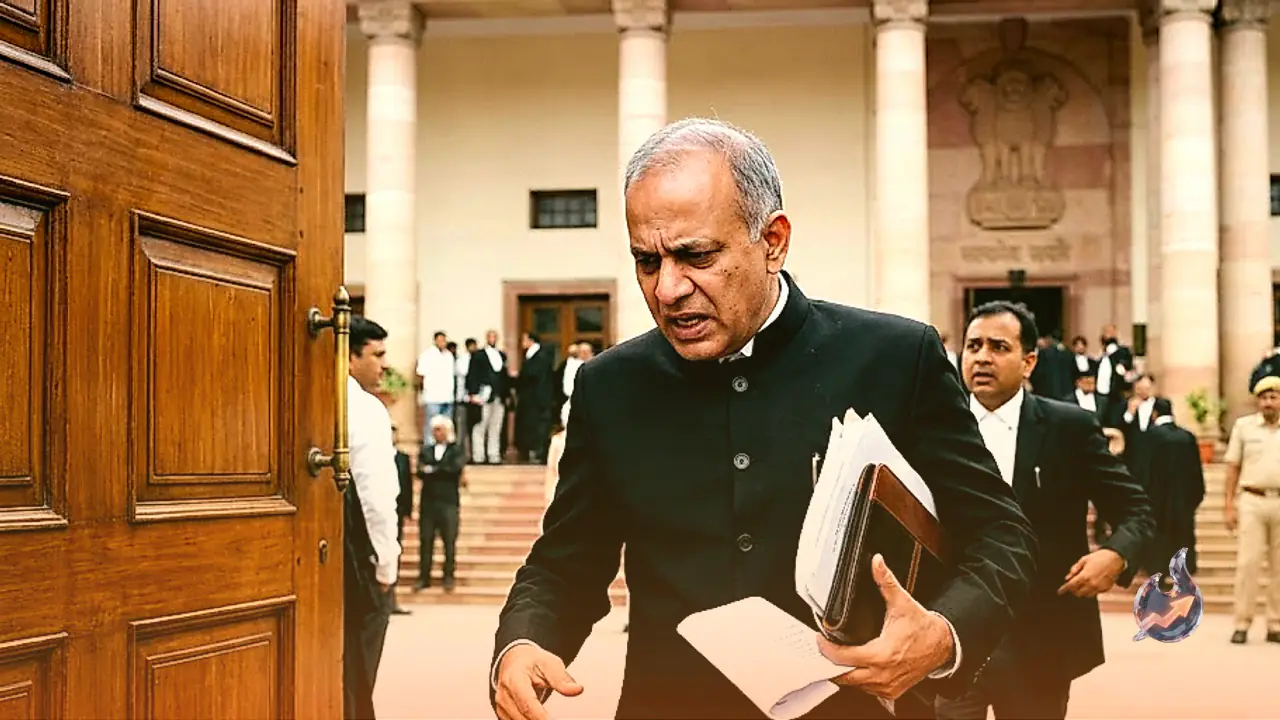
The controversial assertion was met with fierce condemnation from the saffron party. Addressing a press briefing, BJP national spokesperson and Rajya Sabha MP Sudhanshu Trivedi launched a blistering counterattack on both the Telangana Chief Minister and the broader Congress party leadership. Condemning the narrative, Sudhanshu Trivedi stated, 'The Congress party is trying to divide Hindu society.' He accused the opposition of descending to the level of creating fault lines among deities purely for electoral gains. The spokesperson further alleged that the opposition was driven by appeasement politics, labelled Rahul Gandhi as an atheist, and claimed that the opposition lacked genuine understanding of India's spiritual ethos.
The Strategic Calculus Behind Regional Narrative
Political analysts argue that this ideological salvo is far from an accidental outburst, reflecting instead an intricate regional calculus. Southern states have already been displaying increasing friction with the central government over contentious structural issues, including impending parliamentary delimitation and the equitable distribution of central tax revenues. Within this tense framework, promoting Shaivite heritage and invoking Dravidian identity appears to be an attempt to counterbalance the dominant religious rhetoric of the ruling regime. By characterizing traditional figures in economic and class terms, certain factions seek to craft a narrative that appeals to working class and marginalized demographics across state boundaries.
Electoral Implications for Uttar Pradesh in 2027
The state of Uttar Pradesh has consistently remained the epicentre of ideological and social churning in Indian politics. Since the consecration of the temple in Ayodhya, devotion to Lord Ram has served as a central pillar of political mobilization for the ruling dispensation. Amid these developments, Uttar Pradesh Chief Minister Yogi Adityanath has been holding back-to-back high-level meetings in Delhi to consolidate election preparedness. Attempting to brand an iconic deity as an exclusive symbol of the affluent class could risk alienating vast rural and working-class devotees across northern states, potentially accelerating electoral polarization rather than dismantling it.
Opposition Allies Face Dilemma Over Cultural Rhetoric
This escalating controversy places regional opposition partners in Uttar Pradesh, notably the Samajwadi Party, in a politically fragile situation. In northern states, particularly across Uttar Pradesh, public reverence for both Lord Shiva and Lord Ram is deeply interwoven without regional demarcation. Prime Minister Narendra Modi represents the historic Kashi Vishwanath constituency, blunting arguments that seek to detach Shaivite traditions from the ruling party's core support base. If the ruling party successfully frames these remarks as an external cultural affront designed to fragment social cohesion, local opposition allies might find themselves forced into an awkward defensive stance ahead of the 2027 assembly contest.