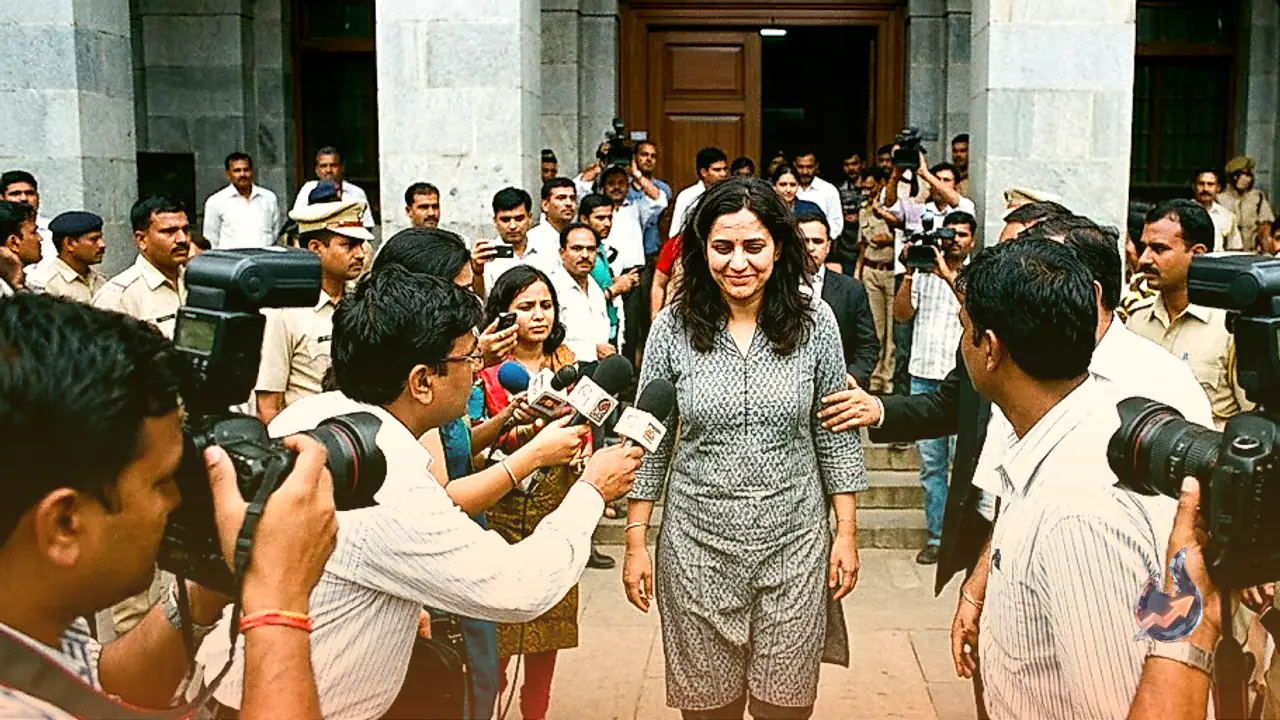
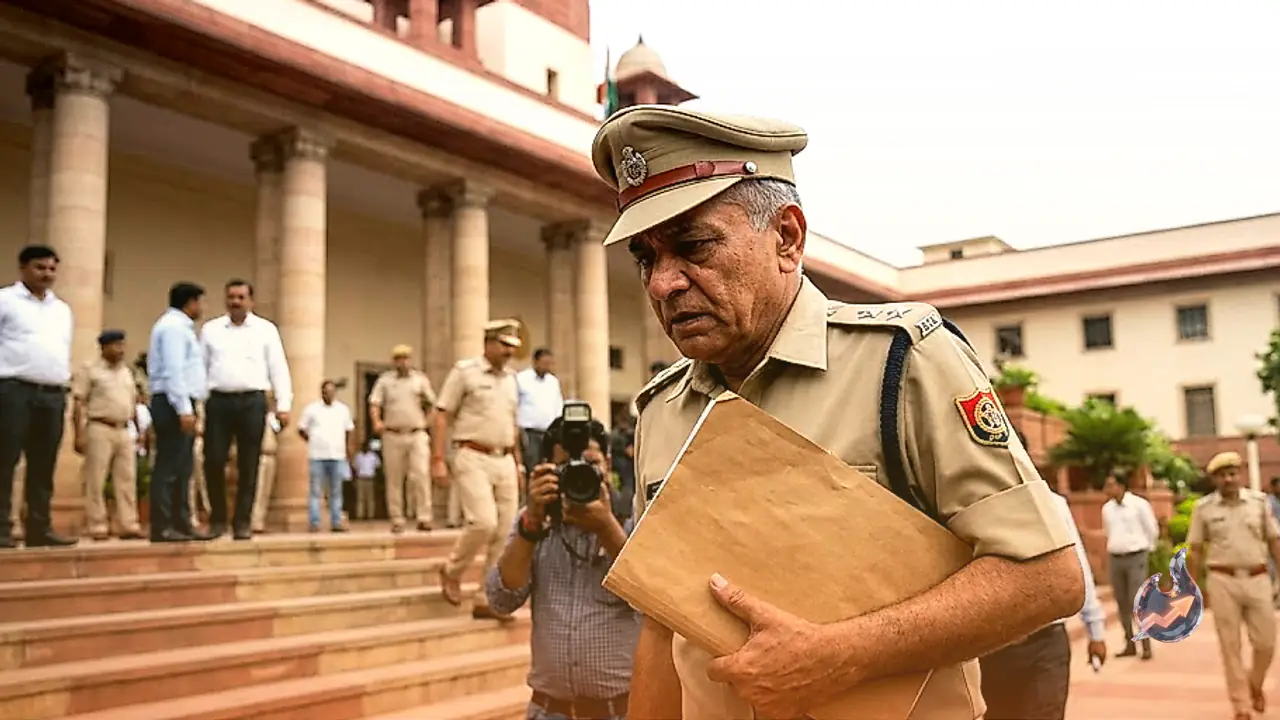

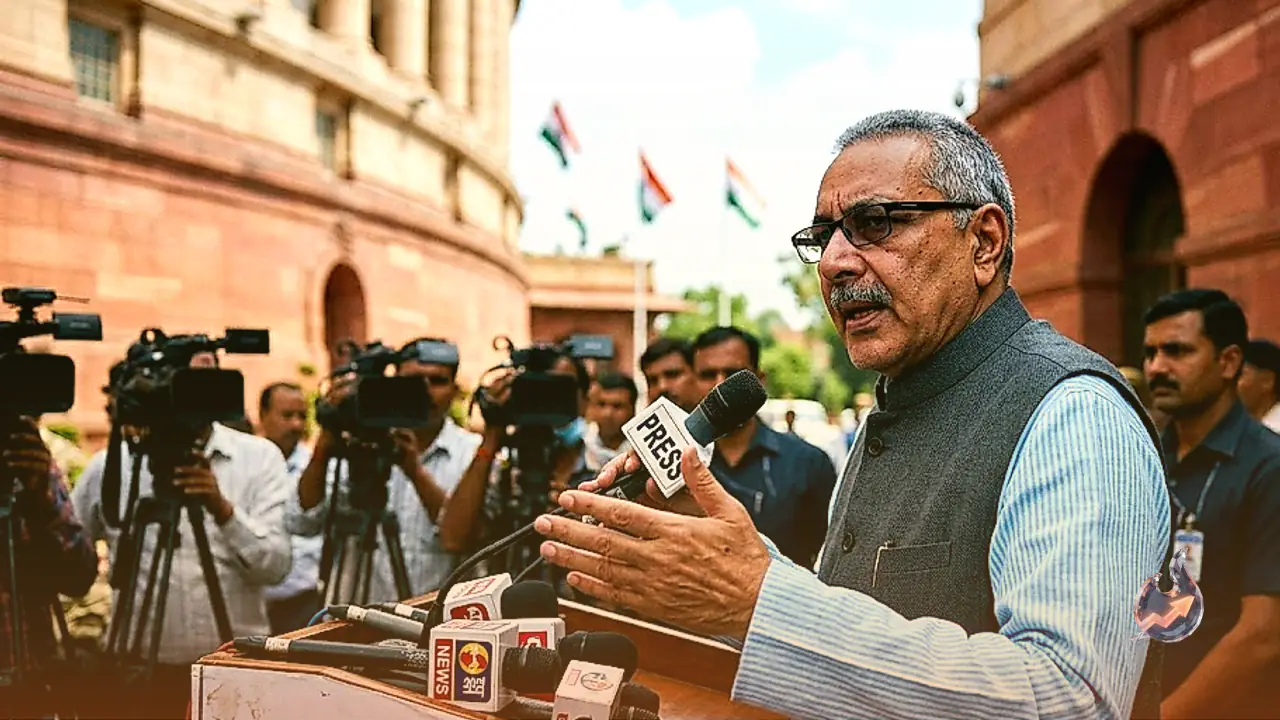

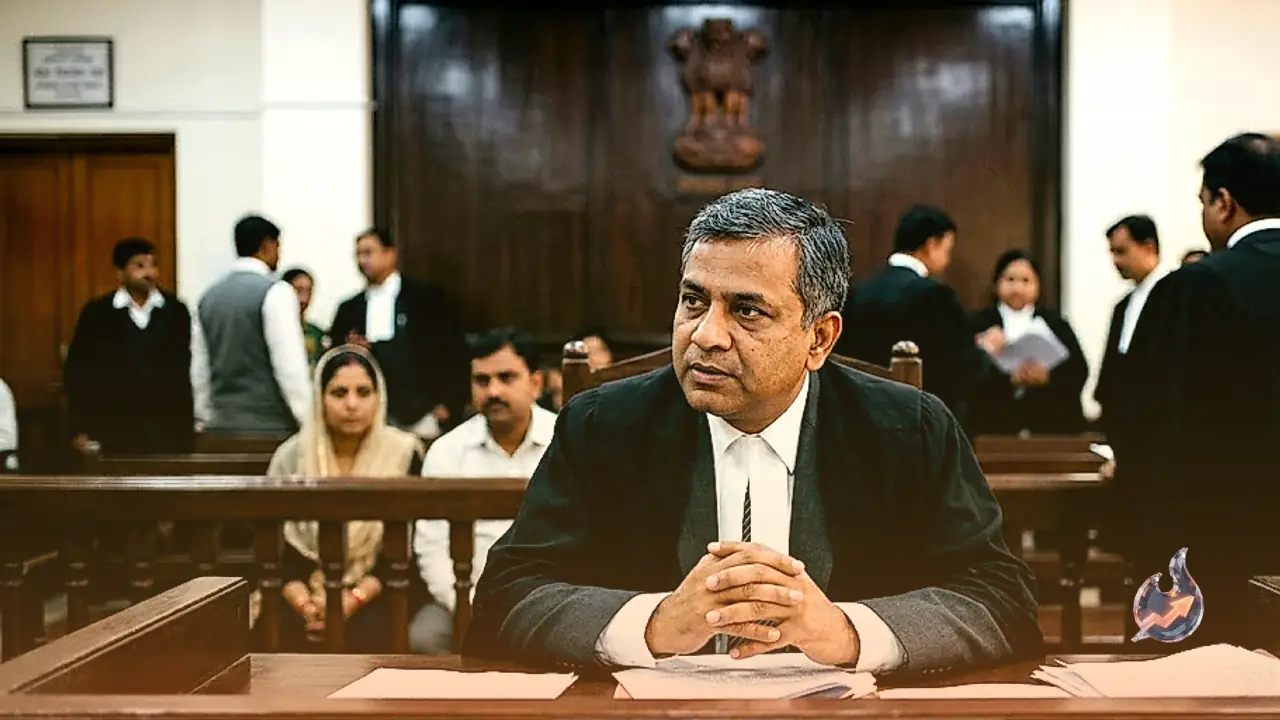















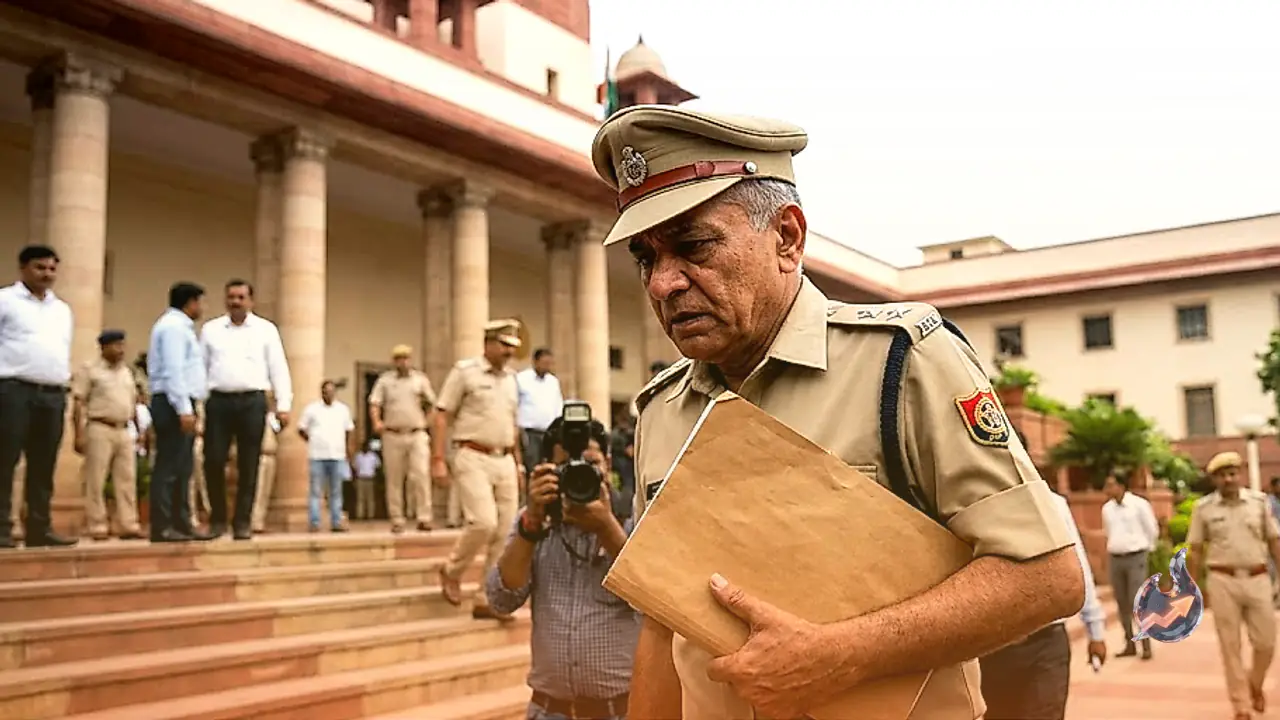

The Supreme Court on Wednesday September 30 issued an exceptionally sharp reprimand to state police authorities while hearing a matter arising from questionable entries in a First Information Report. A bench comprising Justice Sanjay Kumar and Justice Sanjiv Sachdeva expressed grave displeasure over glaring procedural irregularities in a criminal inquiry, noting that ordinary citizens would lose all faith in law enforcement if cases continue to be handled with such casual disregard for facts. In an unusually stern oral observation, the judges remarked that it would be preferable to dismantle the state police entirely and bring in the Central Bureau of Investigation for its investigations.
Caught Handed Over Yet Recorded As Unknown Offender
The controversy before the top court centered on a glaring contradiction at the very inception of the criminal case. According to the complainant, he had personally intercepted the errant motorcycle rider immediately following the incident and handed him directly over to the police personnel at the spot. Despite this immediate handover of the suspect, the police chose to register the formal complaint against unidentified individuals, leaving the accused column entirely blank.
This conscious omission drew fierce scrutiny from the bench, which directly challenged the counsel representing the police department. The judges questioned why the station house staff felt any necessity to register a case against an unknown motorcyclist when the actual individual had already been secured and surrendered at the scene. The court pointed out that when documented records deviate so brazenly from physical realities, public confidence in official accountability completely evaporates.
Tushar Identified Only After High Court Intervened
The trajectory of the investigation grew increasingly convoluted as higher judicial authorities entered the picture. The complainant apprised the Supreme Court that the identity of the detained motorist was incorporated into the official paperwork only after the High Court intervened and directed the police to submit a formal status report detailing their actions.
Upon reviewing paragraph 6 of the counter affidavit placed before the bench, it became evident that the individual was subsequently identified under the name Tushar. Adding to the gravity of the controversy, the subsequent inquiry ended up granting this very individual a clean chit, exonerating him of liability. The court found it deeply problematic that a suspect who was initially shielded under the label of an unknown person was later named under judicial pressure, only to be promptly absolved through an internal assessment.
Judicial Outrage Over Perceived Agenda And Cover Up Job
Evaluating the conduct of the investigating machinery, the bench remarked that an underlying agenda seemed visible in virtually every step taken by the personnel. The judges observed that while complying with administrative instructions is one aspect of duty, manipulating a criminal case to such an extreme degree represents an entirely unacceptable departure from lawful procedure.
Characterizing the investigative exercise as a cover up job, the court remarked that the less said about such methodology, the better. While the bench voiced extreme indignation regarding the possibility of disbanding the force and assigning tasks to federal investigators, these comments remained oral reflections of judicial displeasure rather than any binding decree to strip the state police of their statutory authority. The remarks were designed to highlight the profound erosion of professional integrity within the investigative process.
Vanishing Number Plate Mystery Raises Further Doubts
The anomalies in the investigation extended beyond the identity of the accused to encompass the material evidence collected from the scene. The complainant pointed out to the judges that when the two-wheeler was originally seized by the officers, it carried no visible registration plate whatsoever.
However, as the inquiry progressed, an official vehicle registration number miraculously surfaced in subsequent police documentation. The bench demanded an explanation for how an unnumbered vehicle gained a specific registration identity later in the record books without clear documentary substantiation. The court noted that these unexplained modifications at various junctures of the case file severely damaged the credibility of the entire probe.
Officer Summoned After Counter Affidavit Deemed Lifeless
Dismissing the written submissions tendered by the police department, the Supreme Court characterized the counter affidavit as completely uninspiring and devoid of substantive merit. The bench maintained that the government paperwork failed to address the foundational concerns regarding procedural fraud and selective exoneration.
Consequently, the court directed the concerned police officer to appear in person at the next date of hearing to provide a comprehensive explanation for the discrepancies. The officer must bring forward a better affidavit clarifying why a suspect secured at the scene was initially recorded as unknown, the evidentiary rationale behind eventually naming Tushar, and how the subsequent clean chit was justified under the law.