























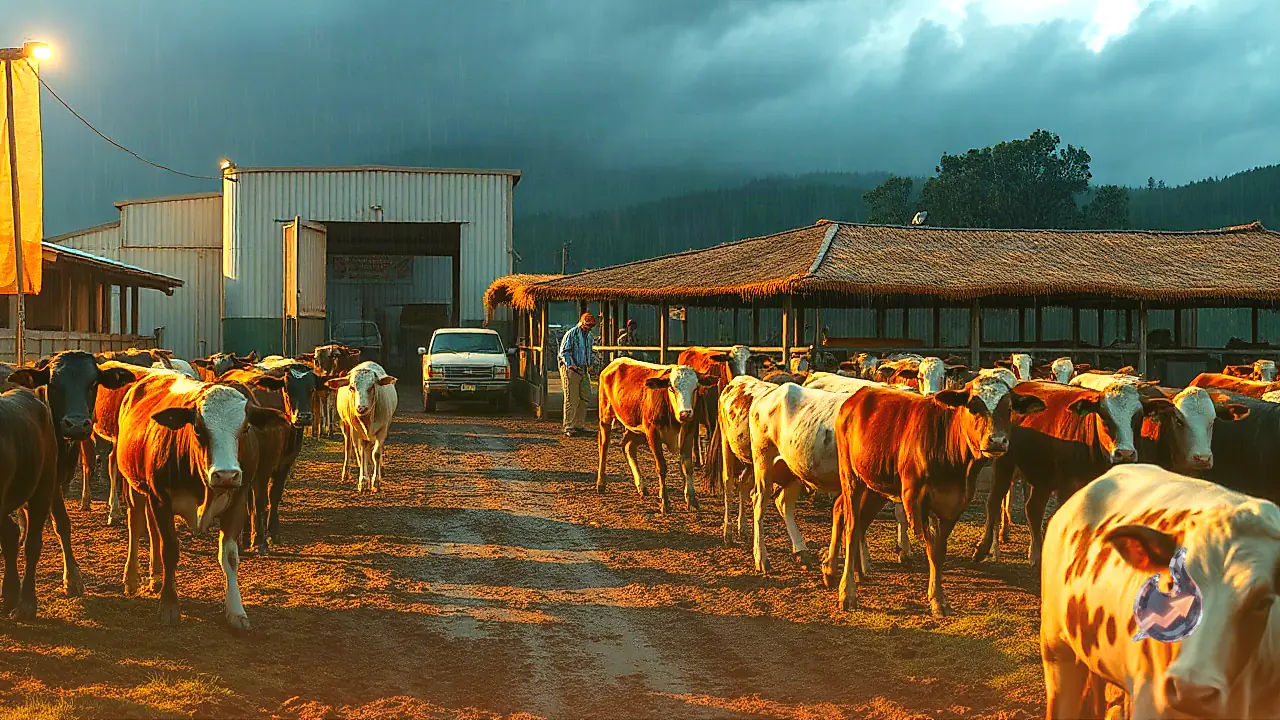

Shifts in environmental weather patterns take a heavy toll not just on people, but equally on the physical wellbeing of livestock. Rapid shifts in temperature, sudden rainfall, or sudden cold snaps weaken the immune defense of cattle, rendering them vulnerable to seasonal ailments. Under such conditions, any negligence regarding shelter hygiene, diet, or overall living arrangements can lead to severe veterinary complications. Deputy Chief Veterinary Officer Dr. Rakesh Kumar Tiwari pointed out that seasonal transitions demand heightened vigilance from livestock owners to prevent widespread illnesses.
Prevalent Seasonal Illnesses and Respiratory Complications
As the weather alters, animals frequently suffer from colds, persistent coughs, high fever, and varied respiratory difficulties. Respiratory stress often causes distress and rapid breathing among cattle. In addition, feeding animals stale, spoiled fodder or offering them contaminated water directly compromises their digestive tracts, leading to stomach disorders and reduced rumination. Ensuring fresh, clean inputs is essential to maintain their metabolic stability.
Understanding the Threat of Foot and Mouth Disease
Among contagious conditions, Foot and Mouth Disease poses a grave danger due to its rapid transmission. The infection spreads quickly when healthy animals interact with an infected carrier. Typical clinical indicators include painful blisters and ulcers appearing inside the oral cavity and along the hooves. These sores prevent livestock from chewing food comfortably and cause intense lameness. Livestock owners noticing such symptoms must contact a qualified veterinarian immediately rather than delaying care.
Maintaining Shelter Sanitation and Nutritional Standards
Housing premises must be kept consistently clean and completely dry to curb bacterial proliferation. Rainwater should never be allowed to accumulate near animal sheds, as stagnant pools serve as breeding grounds for pathogens. Animals require constant access to clean drinking water along with fresh, nutritionally balanced feed. Furthermore, shelters need adequate protection from chilly drafts and driving rain to keep the herd warm and sheltered.
Warning Signs and Proper Isolation Protocols
Caregivers must monitor their herds for telltale warning signs, including diminished appetite, extreme lethargy, continuous coughing, elevated body temperature, or labored respiration. If an animal exhibits any of these symptoms, it should be immediately separated from the rest of the herd to contain potential contagion. Administering home remedies or arbitrary medication without professional veterinary advice should be strictly avoided.
Vaccination as the Primary Line of Defense
Routine immunization schedules, particularly state-sponsored vaccination drives against debilitating contagious illnesses such as Foot and Mouth Disease, must never be skipped. According to Dr. Rakesh Kumar Tiwari, active daily monitoring, rigorous upkeep of hygiene standards, and prompt medical intervention are the most dependable measures for keeping livestock productive and safe throughout seasonal changes.