























Surat Bullet Train Station Roofing Completed Ahead of August 2027 Commercial LaunchIndia
16 Aug 2026, 3:25 pm (2 hours ago)· 2

Surat Bullet Train Station Roofing Completed Ahead of August 2027 Commercial Launch

Structural construction and roofing for the Surat bullet train station are now complete, paving the way for commercial operations between Surat and Vapi to start in August 2027 on the Mumbai-Ahmedabad High-Speed Rail corridor.

High-speed rail connectivity in India is moving closer to reality as structural construction and roofing work for the upcoming Surat bullet train station are now complete. The Ministry of Railways has slated the commercial operations for the initial 97 km stretch connecting Surat and Vapi to commence in August 2027. This milestone marks a key step forward in the 508 km Mumbai-Ahmedabad High-Speed Rail corridor, which aims to dramatically reduce travel time between the two financial hubs.

Diamond Architectural Theme for Surat Hub

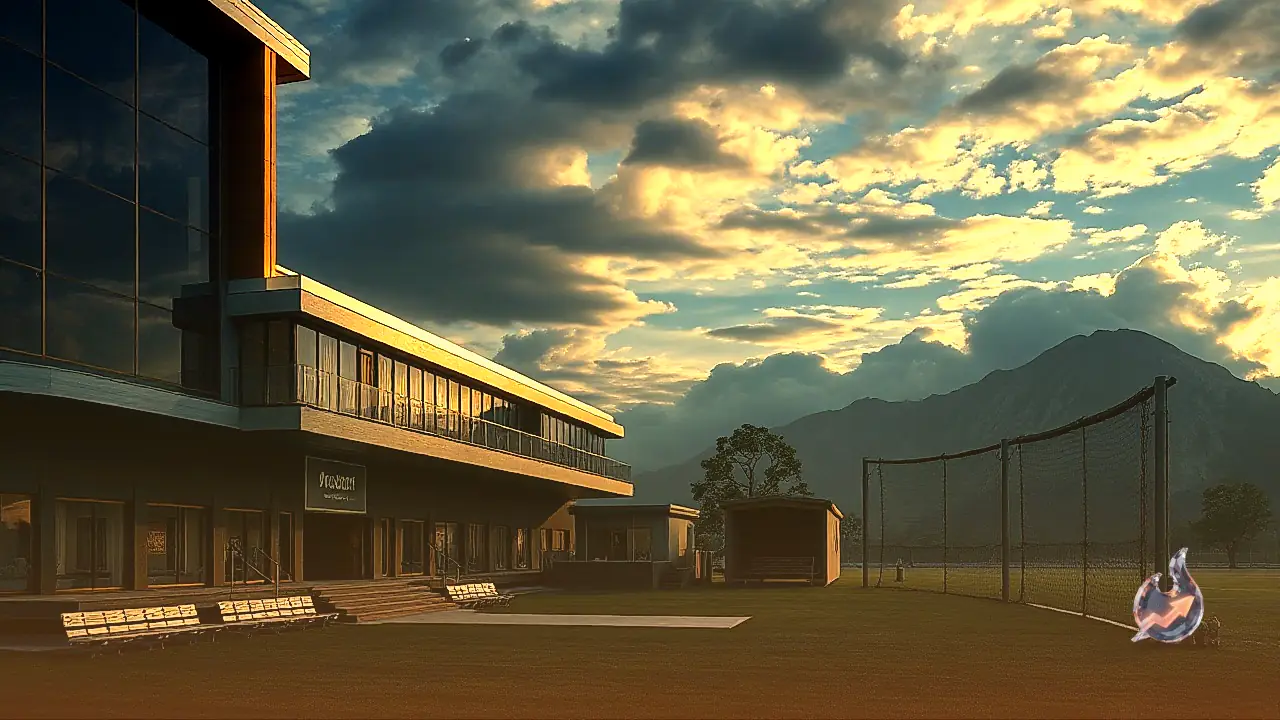
The design of the Surat bullet train terminal takes direct inspiration from the city's globally renowned diamond cutting and polishing industry. Architecturally, the building incorporates geometric shapes and reflective visual elements that mirror the sparkle of a cut diamond. While the external structural frame and overhead roofing work have concluded, engineering teams are currently focused on fast-tracking the interior finishing tasks to prepare the facility for passenger movement.

Also read

First Phase Launch and Technical Capabilities

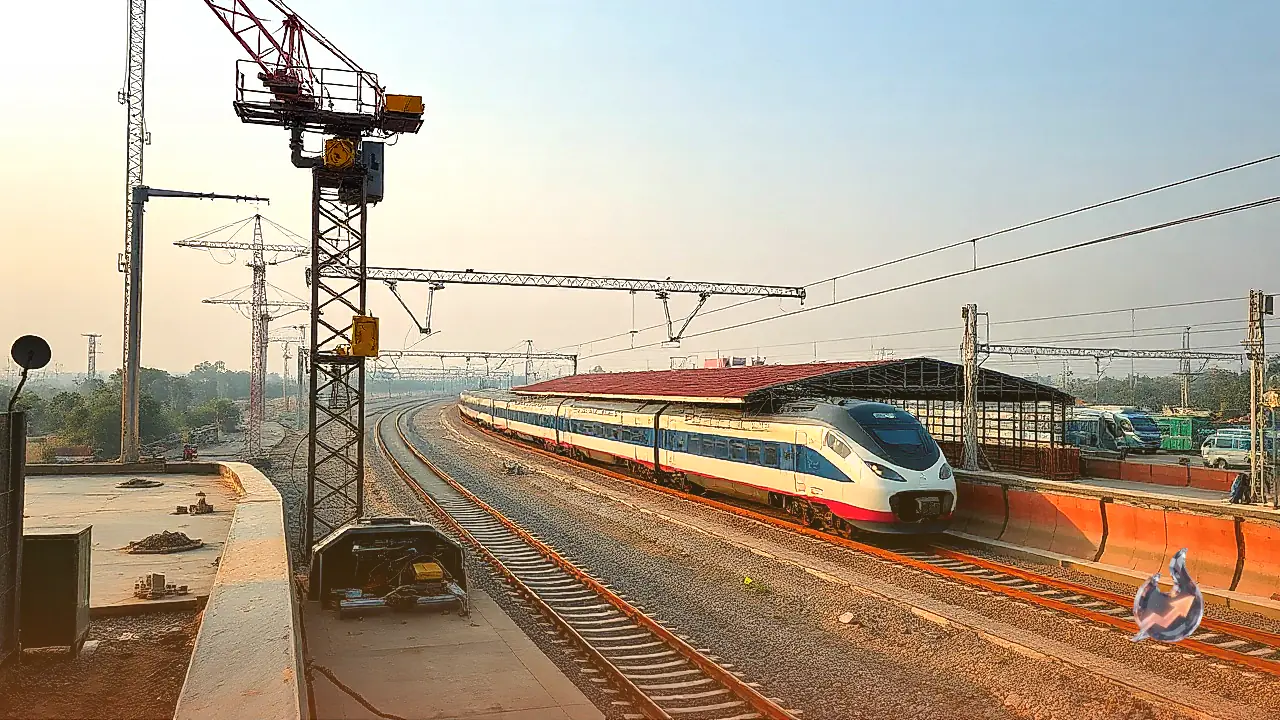
Under the official rollout plan, the inaugural phase will feature the B28 high-speed train set, an indigenously built bullet train model designed for high performance. Operating on the 97 km section between Surat and Vapi starting August 2027, the train will eventually operate at maximum speeds of up to 320 km/h along the entire corridor. This high-speed corridor is designed to provide passengers with a swift, modern, and efficient transit experience between Gujarat and Maharashtra.

Expanding Modern Rail Infrastructure in India

The 508 km Mumbai-Ahmedabad project represents a flagship venture in modernizing national railway infrastructure. Beyond cutting down transit duration between major industrial centers, the project establishes a technological foundation for future high-speed rail networks across the country. As interior work on key stations advances, the project lays the groundwork for next-generation transit solutions in India.


Questions & Answers

What is the current construction status of Surat bullet train station?
The structural frame and roofing work for Surat bullet train station are complete, and interior finishing work is currently underway.
When will bullet train services start between Surat and Vapi?
Commercial operations on the 97 km Surat to Vapi stretch are scheduled to begin in August 2027.
What inspired the architectural design of the Surat bullet train station?
The station's architecture is inspired by Surat's diamond cutting and polishing industry, incorporating geometric shapes and diamond motifs.
What is the maximum operating speed of the Mumbai-Ahmedabad bullet train?
Trains on the 508 km Mumbai-Ahmedabad High-Speed Rail corridor will operate at maximum speeds of up to 320 km/h.
Which train model will operate during the initial phase?
The first phase will utilize the indigenously manufactured B28 bullet train model.

Comments 2

Rohan Verma@rohan-verma·23m ago

This development at the Surat station is not just a structural milestone, but a potential game-changer for regional connectivity and logistics across major economic corridors. The scheduled launch of the 97 km initial phase in August 2027 will test India's readiness for advanced transportation networks. However, the true impact of this high-speed connectivity will depend on how effectively future phases expand to integrate other regional industrial hubs and secondary cities into the broader economic framework.

Karan Malhotra@karan-malhotra·22m ago

Building on Rohan's perspective, from a law enforcement and public safety standpoint, ensuring foolproof security for trains operating at 320 km/h will be a monumental task. Along this 508 km corridor, robust passenger safety measures, continuous track surveillance, and rapid emergency response frameworks must be seamlessly integrated to prevent any untoward incidents and uphold stringent public security standards.

Citizen journalism

Become a TrendKia journalist

Voice of the people

Share news, photos and videos from your area with TrendKia and let your voice reach the nation. Every citizen a journalist.

Join now
CH 01 LIVE
TrendKia TV ON AIR