





















A market complex constructed roughly 12 years ago in Netuahia village, located in the Thuthibari area near the India-Nepal border in Maharajganj district, stands in absolute ruin due to prolonged official neglect. Built with the objective of boosting regional trade and opening up fresh economic avenues for local youth, the commercial facility has failed to launch operations since its completion. Instead of bustling trade counters and vibrant commercial activity, the site now presents a deserted picture of unfinished development.
High Hopes and Multi-Crore Investment
At the time of its construction, the multi-crore infrastructure project generated immense optimism among residents of Netuahia and neighboring border villages. Local farmers, traders, and residents anticipated that a fully operational market would eliminate their need to travel long distances for buying and selling essential commodities and agricultural produce. Situated right next to the international boundary, the center held strong potential to capture cross-border commerce from buyers arriving from Nepal, potentially elevating it into a prominent trading hub akin to the established markets in Thuthibari and Garauda.
Infrastructure Decay and Theft
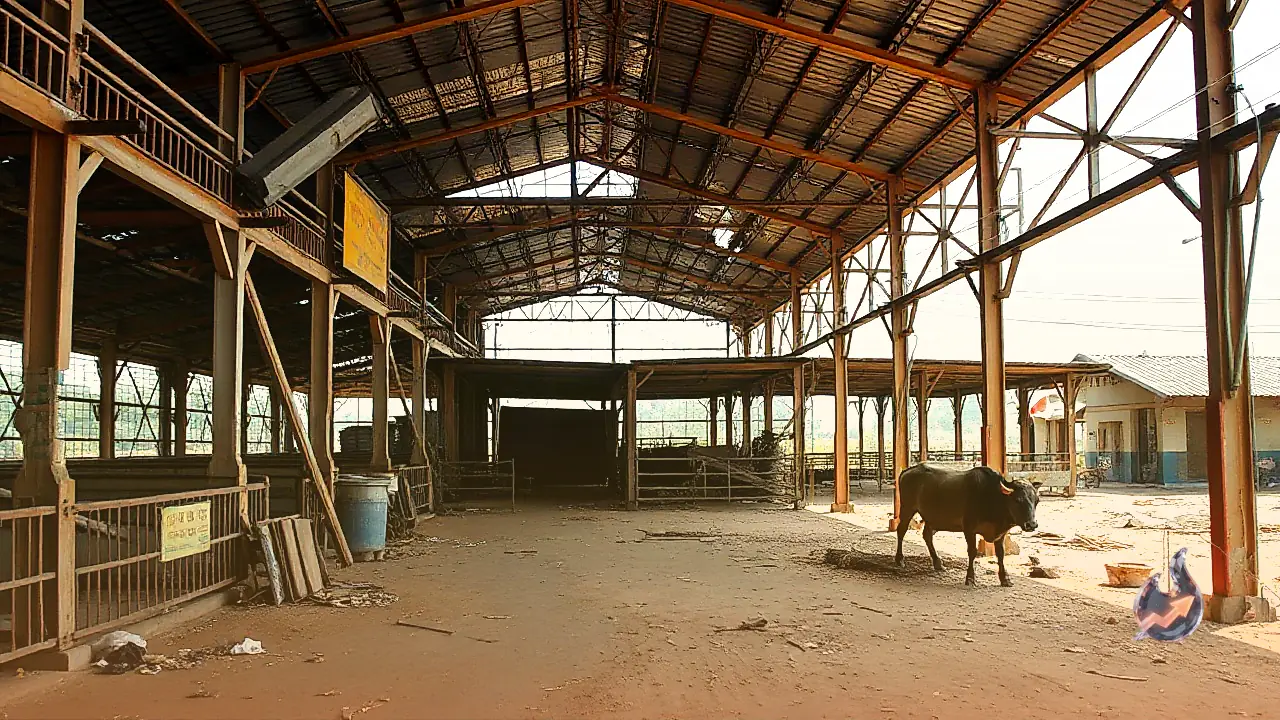
Due to more than a decade of disuse and a complete lack of maintenance, the once-promising infrastructure is crumbling rapidly. Portions of the main building walls have cracked, shop shutters are corroded or broken, and the boundary wall surrounding the premises has suffered severe structural damage. Taking advantage of the lack of security, thieves have removed and stolen various installed fittings and hardware from inside the complex. Consequently, a public infrastructure project intended to serve as a financial backbone for the area has fallen into complete disrepair.
Dashed Economic Hopes and Current Reality
Local residents express deep disappointment over the waste of public funds, emphasizing that the primary mandate of the multi-crore initiative remains completely unfulfilled. Had the authorities inaugurated regular market operations, small-scale merchants, local farmers, and unemployed youth would have gained an accessible platform to trade products and generate sustainable livelihoods. Today, the vacant and decaying premises are primarily utilized by local cattle herders for grazing and housing their animals. The broken shutters, damaged walls, and prevailing silence remain stark symbols of unfulfilled promises and stalled local development.