























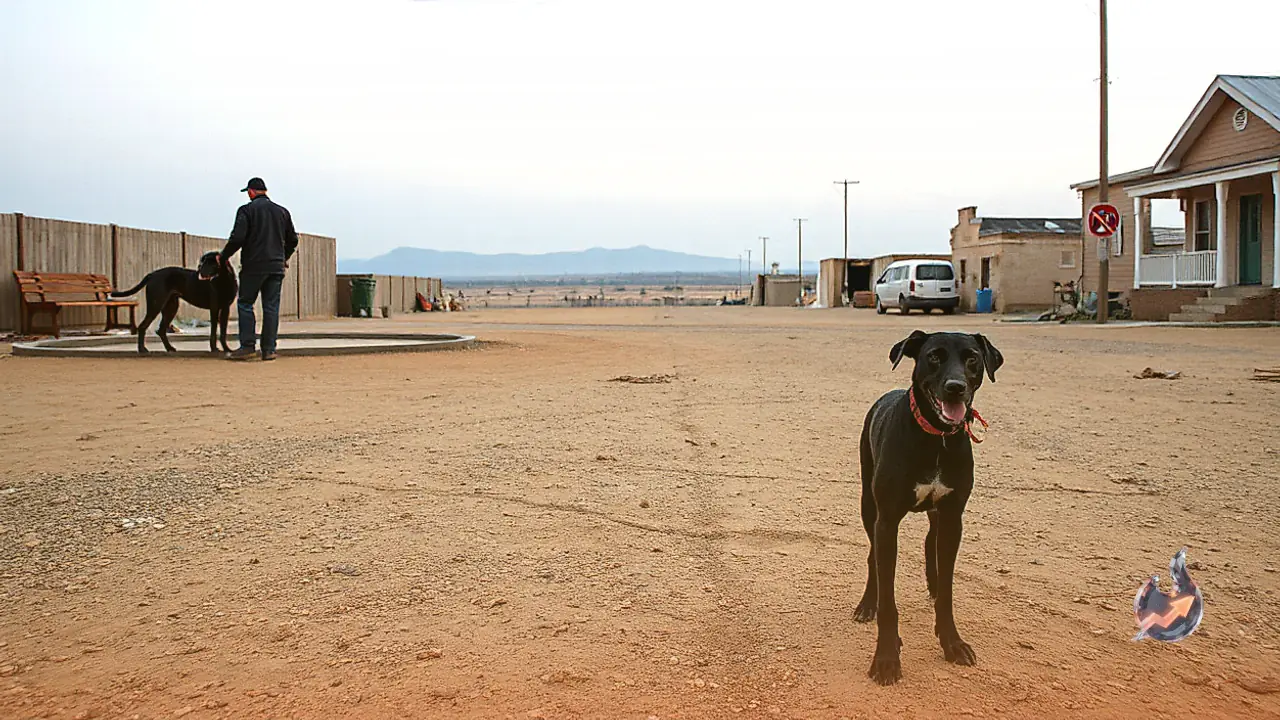

Confrontations over canine presence in public areas have evolved from heated exchanges on social media platforms into fierce disputes on residential avenues and inside courtroom corridors. On one flank stand animal advocates who argue for daily feeding routines, protective shelter, and compassionate care for street animals. Facing them are residents, parents, and community members troubled by packs roaming freely through neighborhood alleys, public parks, and housing societies. Their pressing questions concern the safety of young children, elderly strollers, and pedestrians, alongside concerns over sanitation and the practice of feeding animals right outside domestic gates. These frictions have repeatedly triggered tension in cities like Delhi and several other urban centers across the country, showing that the issue has outgrown routine neighborhood bickering.
Understanding this deepening divide requires looking far beyond reactionary posturing. The conflict touches upon the delicate balance between public safety and humanity's age-old obligation toward living creatures. A rigorous, research-oriented book titled 'Mera Munnu', authored by noted journalist and international affairs analyst Pushpranjan, examines this exact relationship. Rather than simply celebrating animal companionship, the work traces thousands of years of shared history, mutual trust, and emotional coexistence that have bound humans and canines together across generations.
The Historic Partnership Between Civilisation and Canines
For countless individuals, a domestic pet is neither an ornament nor merely a functional animal; it becomes a cherished family member, an emotional confidant, and an unwavering antidote to modern urban loneliness. The void left behind after their departure often remains unbridgeable. The deeper inquiry lies in exploring the historic turning points: how wild predators initially approached human fires, what environmental pressures transformed them into protective companions, and how domestic loyalty evolved into a defining trait across centuries of cultural development.
The spectrum of modern breeds showcases an extraordinary diversity of temperament and function. Breeds such as the German Shepherd, Labrador Retriever, Golden Retriever, Beagle, and Bulldog each carry distinct characteristics honed over decades. German Shepherds and Bulldogs, recognized for physical strength, instinctive alertness, and guarding capabilities, have become primary choices for security forces and police units. Meanwhile, Labradors and Beagles, endowed with an exceptional olfactory apparatus, serve as indispensable trackers in disaster recovery missions, narcotics detection, and explosive screening. Other companion varieties have earned global affection strictly for their gentle, dependable, and kid-friendly dispositions.
Alongside foreign breeds, the indigenous Indian Pariah dog represents an exceptional ecological success story. Shaped through natural selection over centuries within the diverse terrains of the Indian subcontinent, these native dogs have developed superior adaptability to extreme climatic swings, remarkable resilience against local pathogens, and minimal maintenance demands. Their innate street intelligence and hardy constitution distinguish them from heavily inbred imported varieties.
Guide Dogs: Organized Training and Public Service
One of the most profound illustrations of canine service to humanity emerged out of the devastation of modern warfare. Following the close of the First World War, which left countless soldiers visually impaired on European battlefields, Germany initiated systematic methods to train dogs as mobility guides. In 1916, the world's very first guide dog school for the visually impaired was founded in Oldenburg, Germany.
These methodically schooled animals proved capable of leading visually impaired handlers through congested streets, avoiding physical barriers, and navigating complicated urban pathways with safety and precision. Today, across numerous countries, guide dogs serve as an essential foundation for independence, dignity, and active civic participation for the blind. This structured service stands as a moving testament to the practical potential of animal-human trust when guided by systematic training and institutional support.
Mahatma Gandhi's 1926 Discourse on Stray and Rabid Dogs
Perhaps the most thought-provoking chapter in the discourse surrounding stray animal governance is the historical position adopted by Mahatma Gandhi. Widely revered as the premier champion of non-violence, tender mercy, and kindness toward all sentient life, Gandhi's public statements from 1926 present a surprisingly unsentimental, pragmatic framework that remains profoundly relevant to current urban arguments.
When confronted with the crisis of rabid, aggressive, and unmanaged street dogs, Gandhi maintained that if an animal posed an imminent, severe danger to public safety and no practical means remained to isolate, restrain, or treat the creature, putting an end to its life was a justifiable measure. For Gandhi, the philosophy of non-violence did not denote the rigid, absolute preservation of life under every conceivable circumstance; it demanded a broader compassion coupled with an unavoidable civic responsibility toward human society and the elimination of unbearable torment. His evaluation directly challenges modern polarities, raising the fundamental governance question of how societies must balance compassion toward animals against the primary imperative of human safety.
Cruelty, Exploitation and the Contemporary Indian Reality
Humanity's record with canines has not been uniformly benevolent. Darker manifestations of exploitation continue to surface, perhaps most vividly seen across the border in parts of rural Pakistani Punjab, where organized dog fighting persists. There, powerful and heavy breeds like the Bully Kutta are forced into violent arena clashes. These brutal bouts attract widespread illegal wagering and are often perversely treated as symbols of hyper-masculinity and feudal social status. Despite statutory prohibitions, weak enforcement and administrative neglect allow these bloody spectacles to continue, exposing the grotesque irony of reducing humanity's most faithful companion to an instrument of staged brutality and commercial amusement.
The ongoing crisis on Indian streets must be analyzed within this broader lens. Terrifying instances of aggressive pack attacks on young children, the physical vulnerability of senior citizens taking morning walks, rising rabies fears, and compromised sanitation in residential enclaves are authentic public welfare crises. They cannot be dismissed as mere ungrounded hostility from critics of animals. Conversely, vigilante cruelty, poisoning, or violent displacement of stray dogs violates the moral fabric of an enlightened civilization. Resolving this urban dilemma demands moving away from hostile polarization and committing to rigorous municipal sterilization, systematic rabies vaccination, and the measured, responsible compassion that Mahatma Gandhi articulated nearly a century ago.