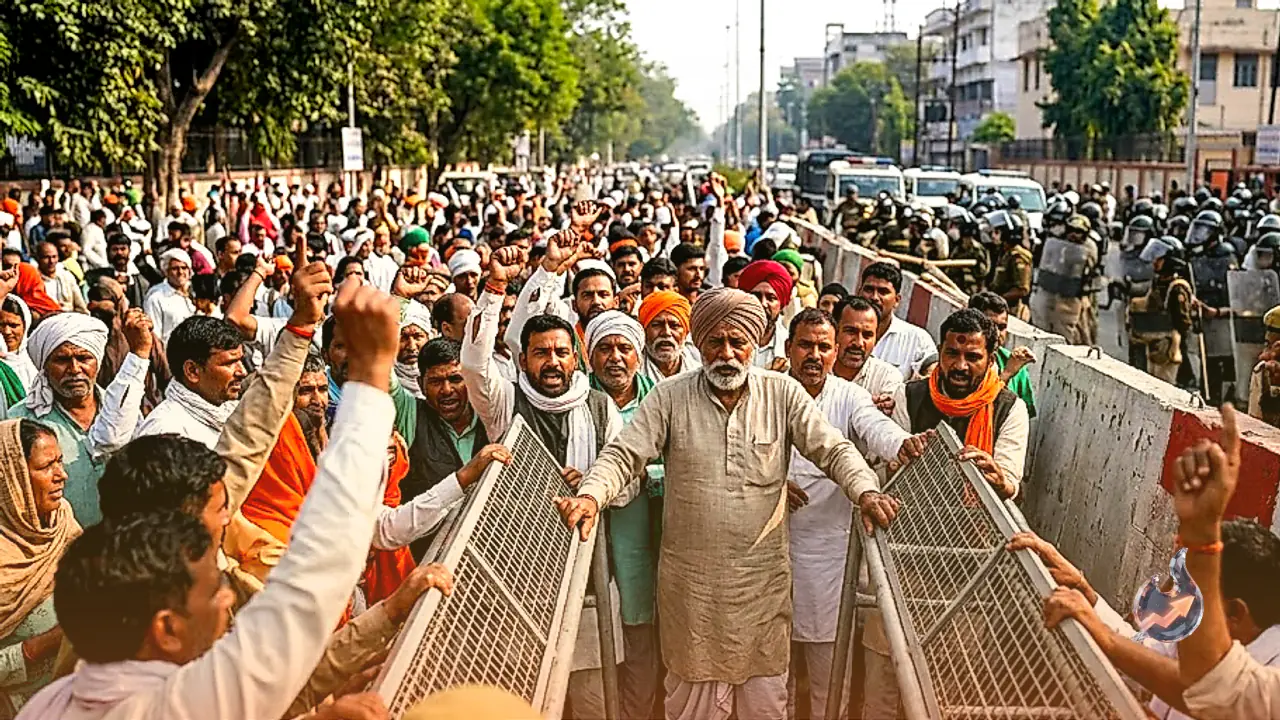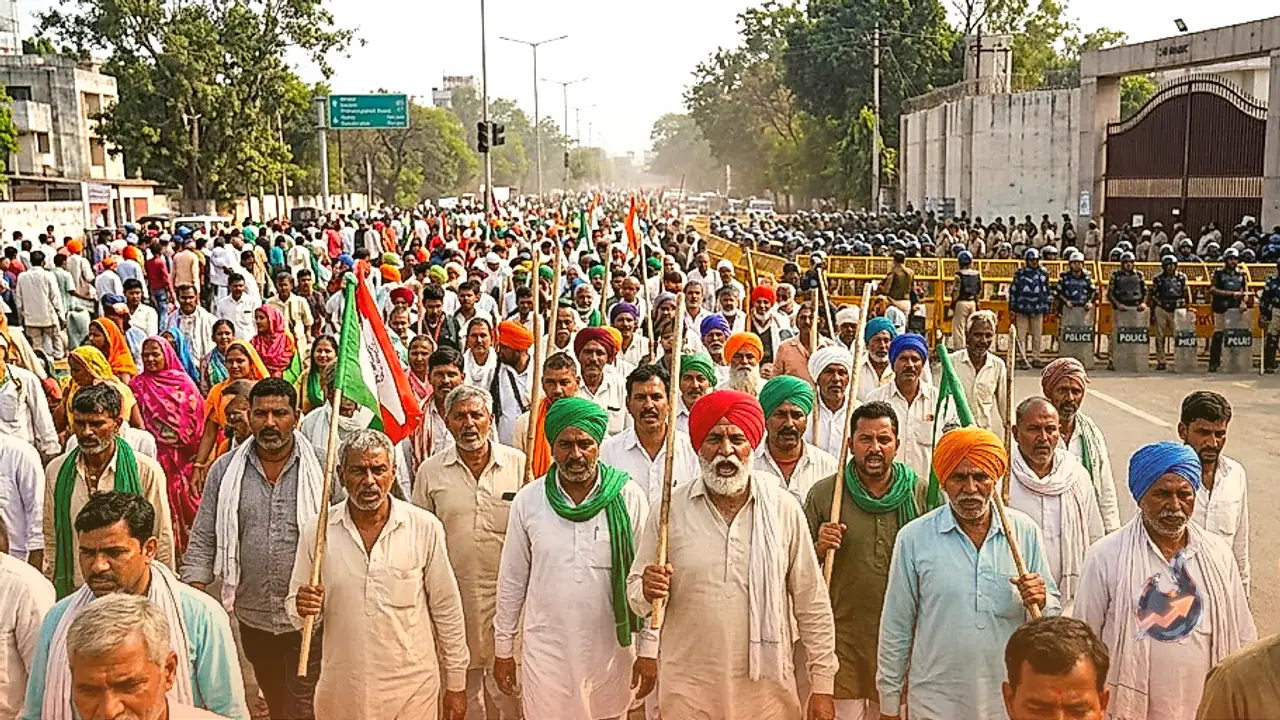

















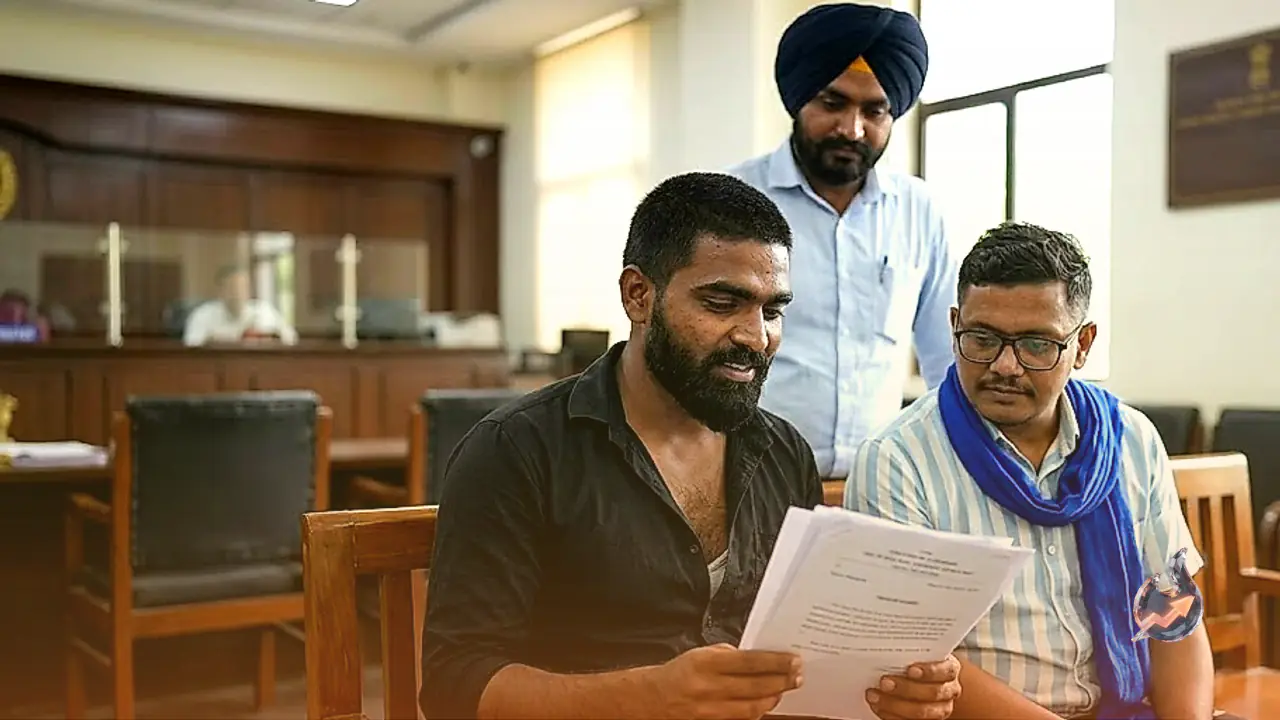

The central government has taken a positive stance regarding not registering cases against peaceful protesters at Jantar Mantar in Delhi and those who took part in the march toward Parliament on July 20. Sonam Wangchuk had been on a hunger strike at Jantar Mantar since June 28, and later ended his fast at Medanta Hospital in the presence of Union Ministers JP Nadda and Jitendra Singh. The central government had assured Wangchuk that action would not be taken against students who protested peacefully, and that the FIRs registered against demonstrators would be withdrawn.
How many cases were registered during the agitation
During the 36-day protest held at Jantar Mantar from June 13, 2026, to July 25, 2026, it has been claimed that roughly 15 to 20 FIRs were lodged in Delhi alone. Although the government has agreed to drop these matters, withdrawing such lawsuits requires following a prescribed legal procedure. Everyone must go through a standardized judicial process to achieve this.
The step-by-step procedure for withdrawing an FIR
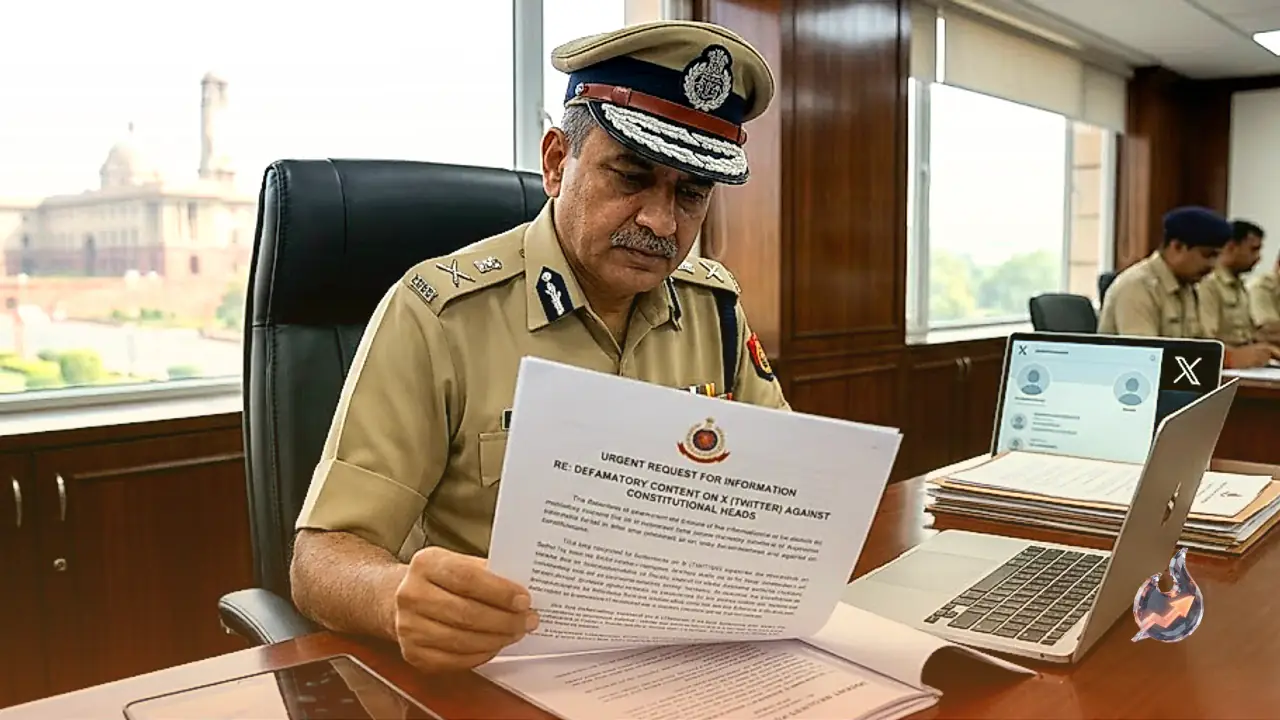
Once the government gives the green light, a specific legal framework is followed to withdraw a case. As soon as the official order is issued, legal action proceeds accordingly. Following the government directive, the state prosecution, specifically Delhi Police, writes a letter to the Lieutenant Governor stating that further proceedings in these matters are no longer desired.
Subsequently, approval comes from the LG. Once the LG's approval is received, the police inform the relevant court that they do not wish to prosecute these cases any further. It then rests upon the court to decide what further orders to issue on the application.
Following the police application, the final decision to completely quash or withdraw the case depends strictly on the court's orders. However, cases in which journalists filed complaints regarding attacks on themselves will not be withdrawn under this process.
Around 20 cases in total were registered in connection with the Jantar Mantar violence and allied incidents. Among these, 14 cases are linked to protests and violence, 1 relates to flying a drone without permission, and the rest were filed over assaults on journalists and police personnel themselves.
Three alternative legal routes for case withdrawal
Furthermore, if any obstacles arise within the primary procedure, the law provides a few alternative avenues, though they are somewhat distinct. The first option is a closure report by the police. Instead of making a political decision, the government can instruct the police to conduct an impartial review. If a charge sheet has not yet been filed in court and the police determine there is insufficient evidence against the students or that the case was filed merely due to the protest, the police submit a final report or closure report to the court. The magistrate accepting this brings the case to a close.
The second option is getting the case quashed directly through the High Court. If the legal sections involved are severe or the lower court offers no relief, the students or the government can collectively approach the High Court. Under Section 528 of the new criminal statute BNSS, the High Court holds the extraordinary power to completely set aside politically motivated or fabricated FIRs in one stroke.
The third option is the Lok Adalat. Minor offenses such as obstructing traffic, violating Section 144, or protesting without permission can be collectively resolved in a single day by the government and students mutually taking them to a Lok Adalat.
NDA MP opposition and political developments
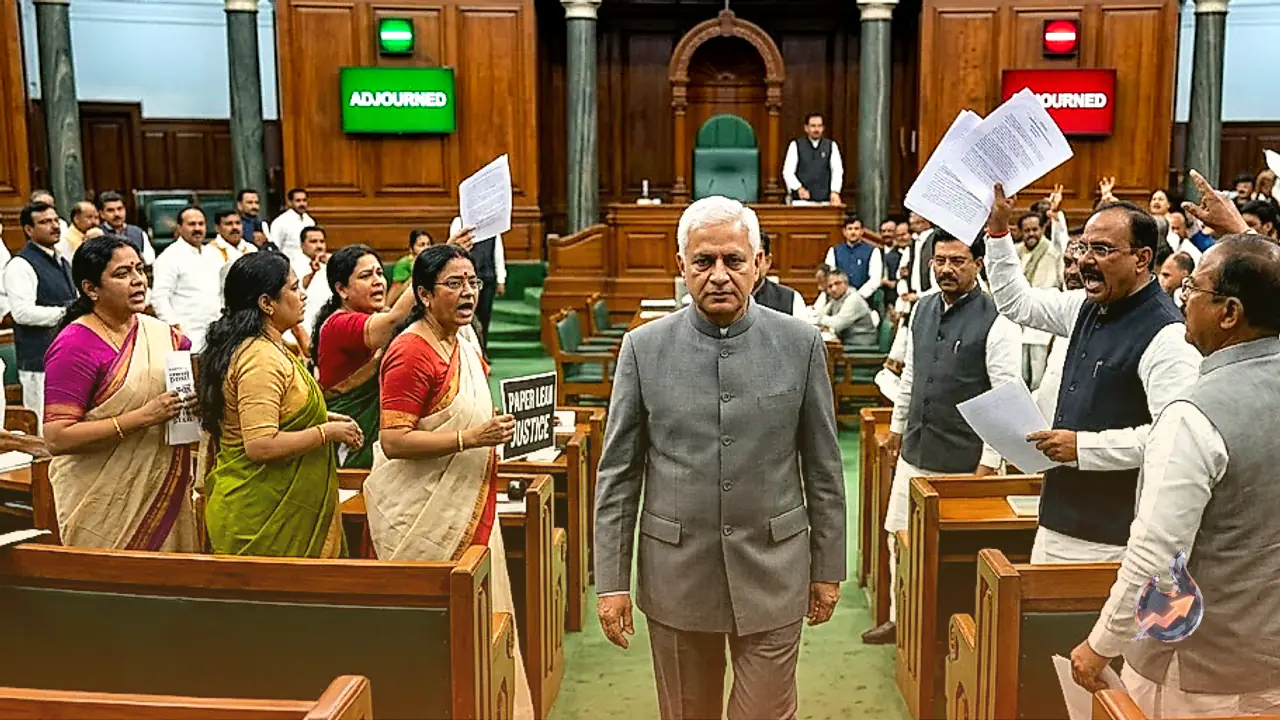
Meanwhile, NDA MPs themselves have stepped forward to oppose the police opening fire with AK-47s and resorting to a lathi charge against protesting students in Bihar. The NDA parliamentarian stated that such actions are wrong and they strongly oppose them.