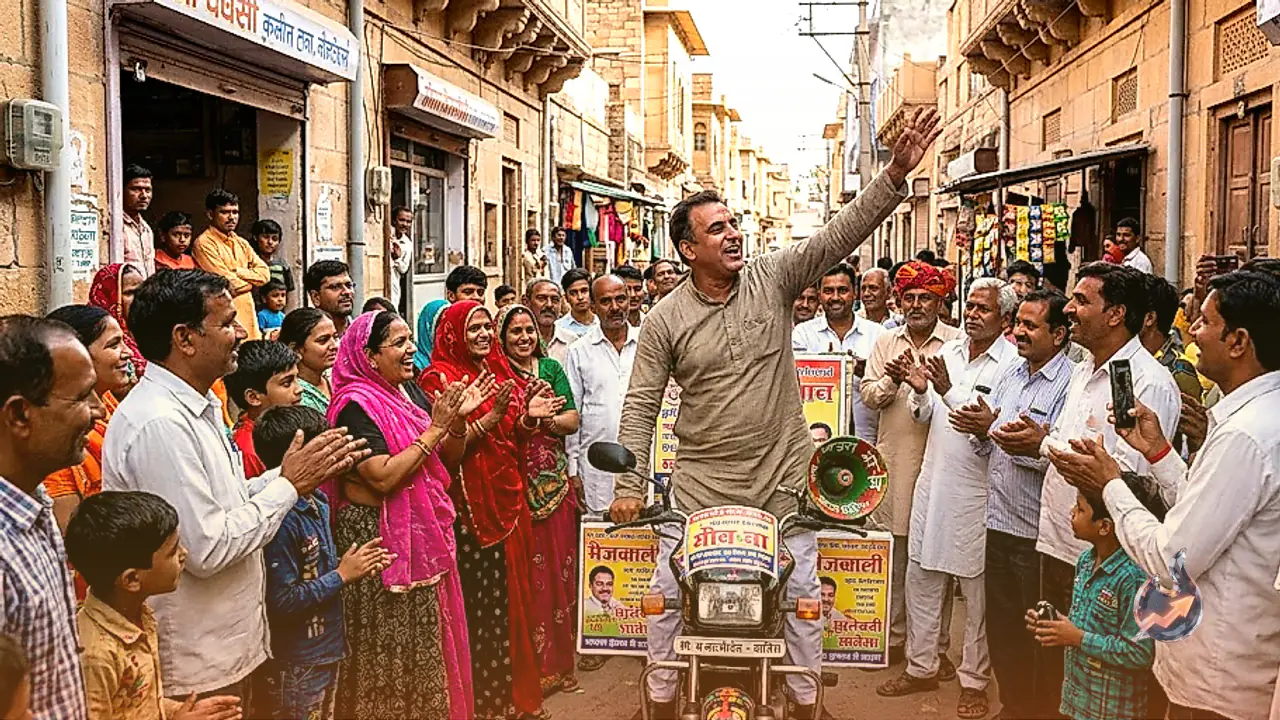
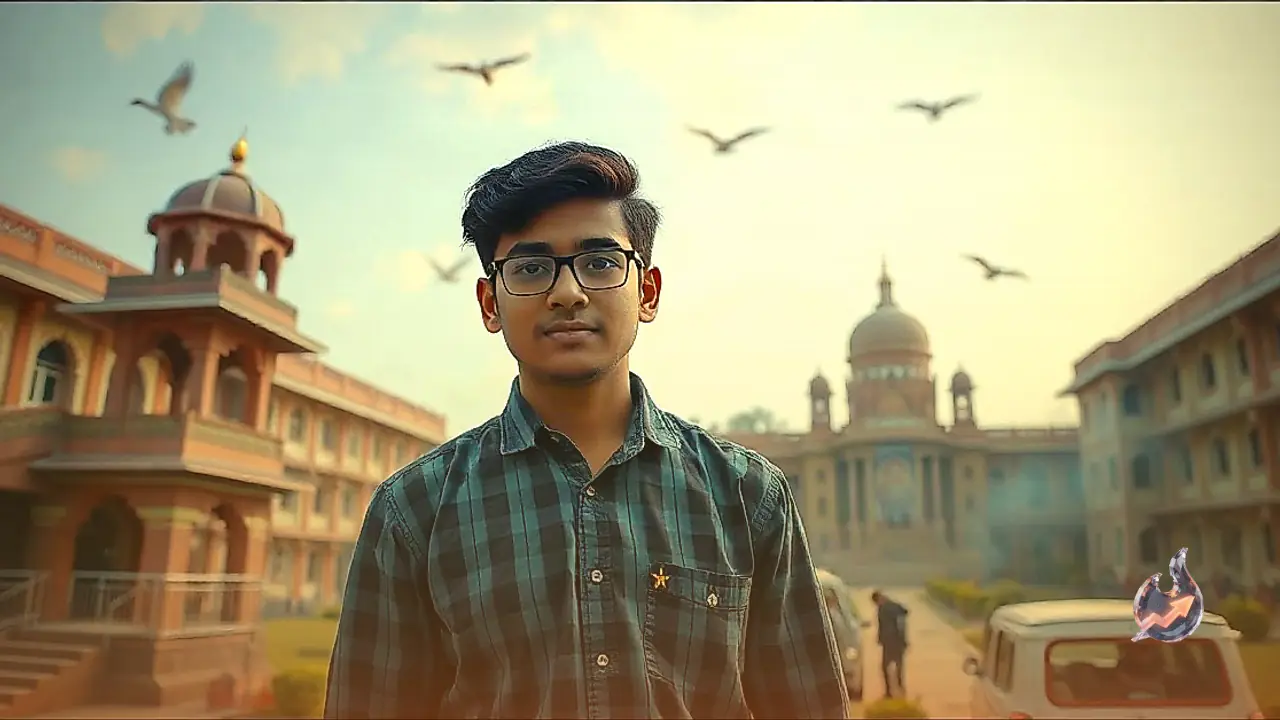


















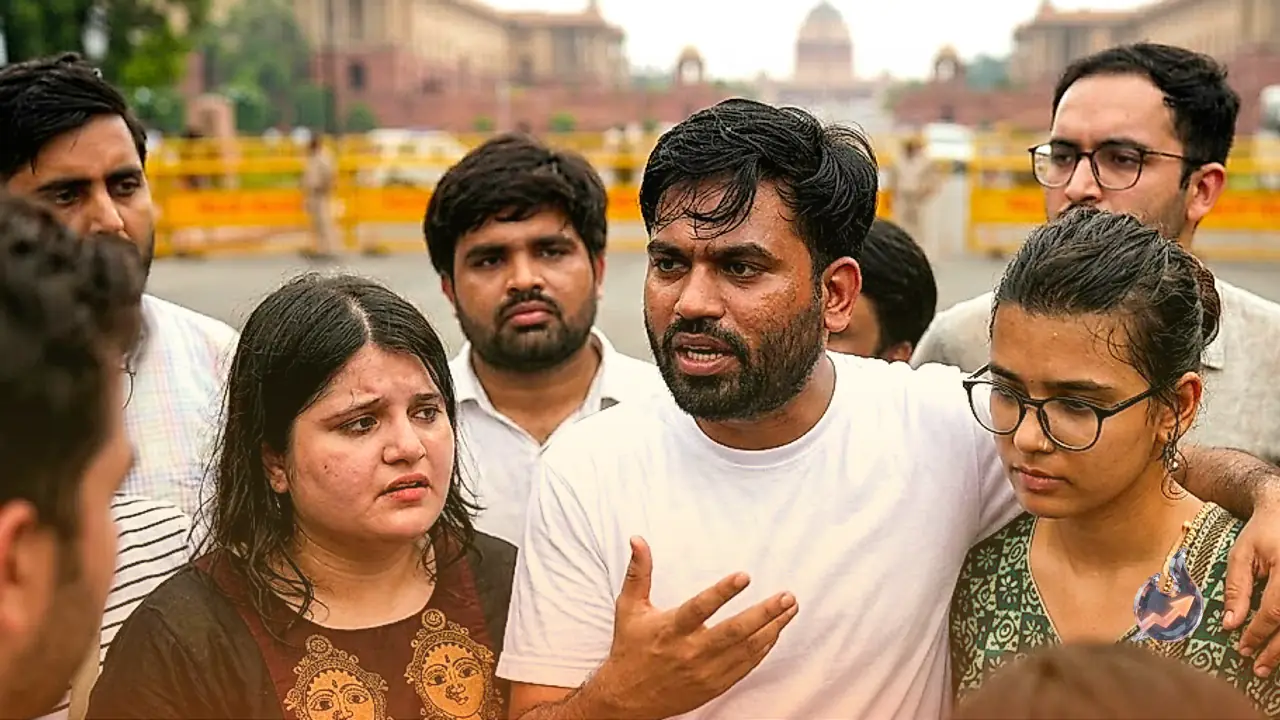

A deep internal rift has emerged within the Cockroach Janta Party (CJP) following the chaotic and violent 'Chalo Sansad' march, with key participants now openly rebelling against the organization's leadership. Veeru Bhai, a former protester who dedicated nearly a month to the movement, has formally distanced himself from the group, levelling severe allegations against CJP founder Abhijeet Dipke. According to the dissenting activist, the agitation has completely lost its original, impartial character and has instead morphed into a highly politicized proxy platform.
Shift from Non-Political Origins to AAP's 'B-Team'
The student-led movement initially gained traction following a notable remark made by the former Chief Justice of the Supreme Court, firmly positioning itself as a strictly non-political forum for student rights. However, Veeru Bhai claims that this independent facade has crumbled. He alleges that the CJP is currently functioning directly as a 'B-team' for the Aam Aadmi Party (AAP), deliberately serving external political interests rather than focusing on the genuine concerns of the student community. Furthermore, he highlighted that the crowds during the recent demonstrations were infiltrated by hooligans and unruly elements who had absolutely no connection to the students' cause, severely diluting the integrity of the protest.
Disappointment Over Missing AAP Leaders
The alleged political alignment brought with it expectations that ultimately went unfulfilled. The former CJP member revealed that the protesting students were given the impression that senior Aam Aadmi Party figures would physically stand with them on the streets. There was a strong anticipation that heavyweights like Arvind Kejriwal, Manish Sisodia, or Sanjay Singh would openly join the ranks during the critical Parliament march. He questioned the political strategy, asking why, if the movement supposedly had the backing of so many Members of Parliament, not a single prominent leader stepped forward to face the administration on the day of the march.
Allegations of Cowardice and Using Women as Shields
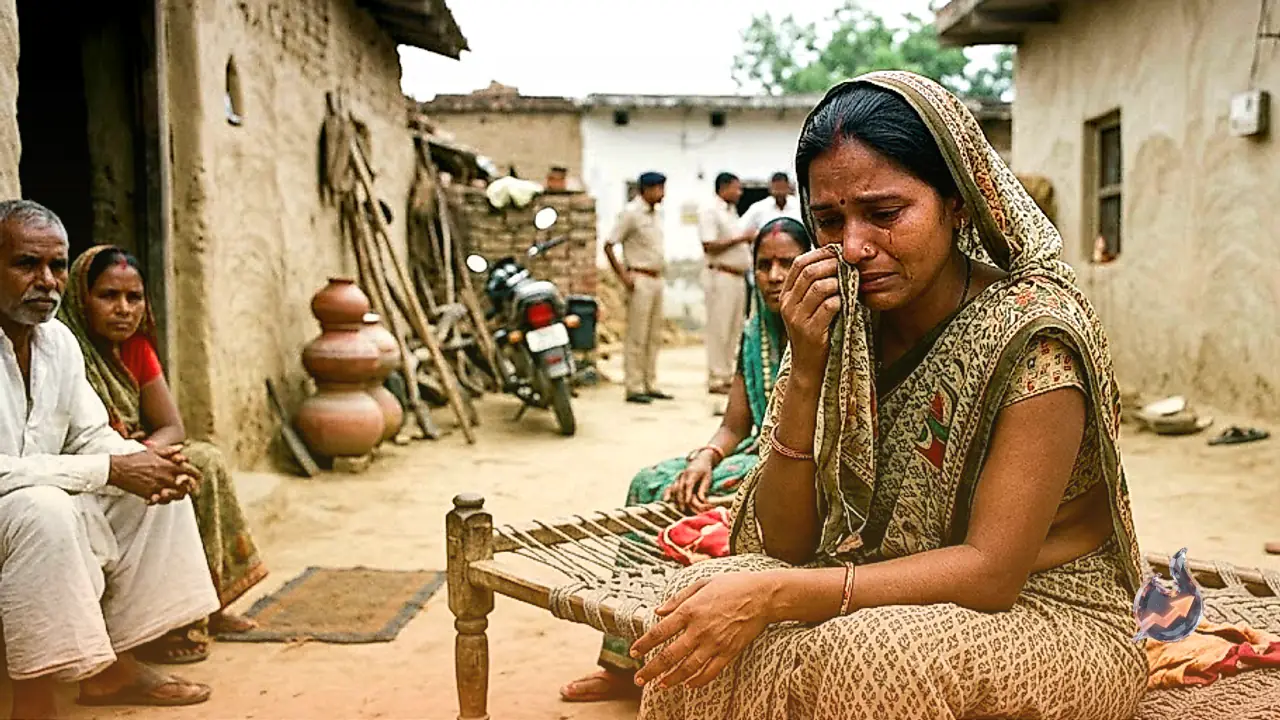
The most damning accusations from the former insider center on the conduct of Abhijeet Dipke and the core CJP leadership during the physical confrontation with law enforcement. Knowing fully well that a clash with the police was imminent, the top brass allegedly refused to lead from the front. Instead, Veeru Bhai asserts that the leadership deliberately positioned female protesters at the very front of the barricades. The prominent leaders reportedly stayed safely at the back of the crowd to ensure they could evade arrest or police batons. As a result of this tactical retreat by the organizers, numerous young students who were participating in a demonstration for the very first time were left completely abandoned and forced to face direct police action without any guidance.
Questioning the Logic of an Unauthorized March
The tactical decisions leading up to the confrontation are also under intense scrutiny. Delhi Police had explicitly denied official permission for the march toward Parliament, and heavy barricading had been visibly deployed across the area for several days prior. The former protester questioned the logic and morality of ordering unarmed students to push forward under such hostile conditions. He argued that if the CJP leadership was fully aware of the volatile ground reality, they were morally obligated to stand at the absolute front line and take responsibility, rather than pushing vulnerable students into a trap.
Aftermath of the Monday Clashes
The ill-fated march took place on Monday, organized with the primary demand of securing the resignation of Union Education Minister Dharmendra Pradhan. The event quickly spiraled into severe clashes between the assembled crowds and the police forces. Law enforcement authorities have officially accused the demonstrators of resorting to severe stone-pelting, causing extensive damage to public government property, and launching unprovoked physical attacks on security personnel. Conversely, the CJP maintains that their gathering was entirely peaceful and accuses the police of unjustified brutality, including unprovoked lathi-charges and the deployment of tear gas shells against students.
Massive Casualties and the Meeting with JP Nadda
The physical toll of the Monday violence was substantial. Official figures released by the Delhi Police indicate that a total of 178 individuals sustained injuries during the widespread chaos. This includes 118 police personnel and approximately 60 protesters, though the CJP insists that the actual number of injured students is significantly higher. Amidst this fallout, a delegation representing the CJP managed to secure a formal meeting with Union Minister JP Nadda. The organization's leadership is currently projecting this high-level discussion as a major milestone and the first significant victory of their agitation, claiming the government has provided assurances that their demands will be considered. However, the authorities have yet to issue any final, concrete decision regarding the students' core grievances.