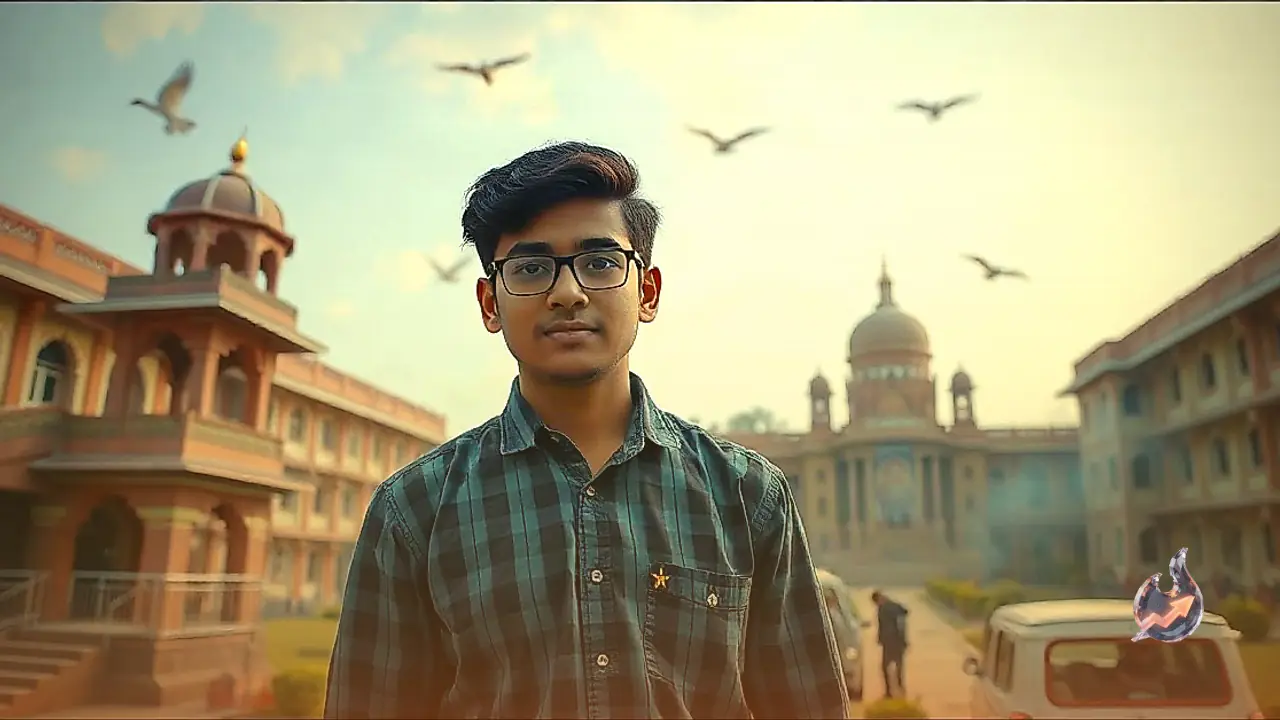























A schoolboy from Chhattisgarh's Sarguja district has pulled off something that is now being talked about across the region while he keeps up with his own studies. Mohit Sahu, a class 10 student at Sainik School in Ambikapur, the headquarters of the Sarguja division, has built a digital portal to teach the Sanskrit language, naming it 'Sanskritam Lab'.
Three months of work behind the portal
Mohit said he worked on the portal by carefully organising his daily study schedule around it. Building it took him more than three months. Through the process, he not only picked up technical skills but also got the chance to learn and understand the Sanskrit language afresh.
Built for everyone from KG to PhD level
The biggest strength of Sanskritam Lab is that it has been designed keeping students of different ages and education levels in mind. For younger children, it offers a picture-based system to learn words, making it easier for them to remember basic Sanskrit vocabulary. At the same time, students engaged in higher education and research can also make use of the Sanskrit-related material available on the same portal. In other words, a single platform is meant to serve needs ranging from the KG level all the way up to PhD-level study.
Declining interest in Sanskrit was the trigger
Mohit says many children today are drifting away from studying Sanskrit, and that is what bothered him. He believes that if Sanskrit is presented to children in an easy and engaging way through modern technology, their interest in the language can be revived. This thinking became the core motivation behind Sanskritam Lab.
Credit to teacher Saurabh Jain's guidance
Mohit Sahu credited this entire achievement to his mentor, teacher Saurabh Jain. He said it was only under Saurabh Jain's guidance that he got the opportunity to build this digital platform for Sanskrit. According to Mohit, the biggest goal of this initiative is to spark children's interest in Sanskrit and to build a strong digital ecosystem around it, so that more students can connect with the language in the future.