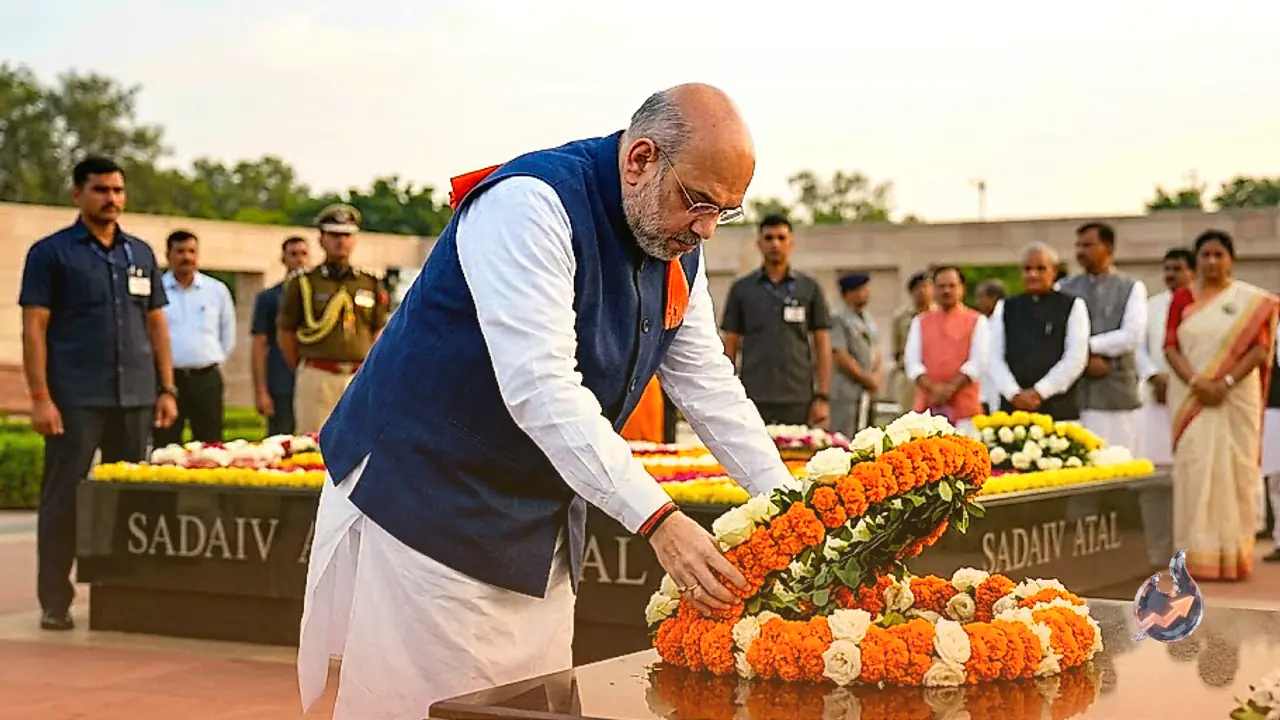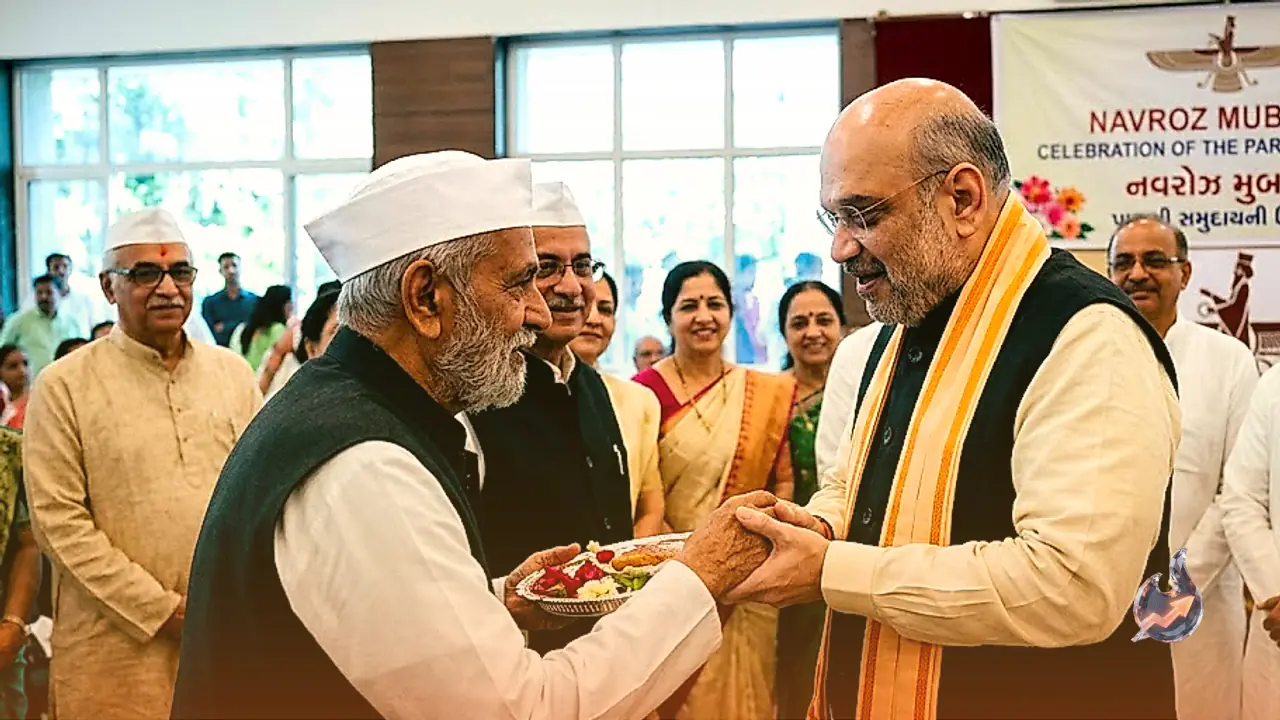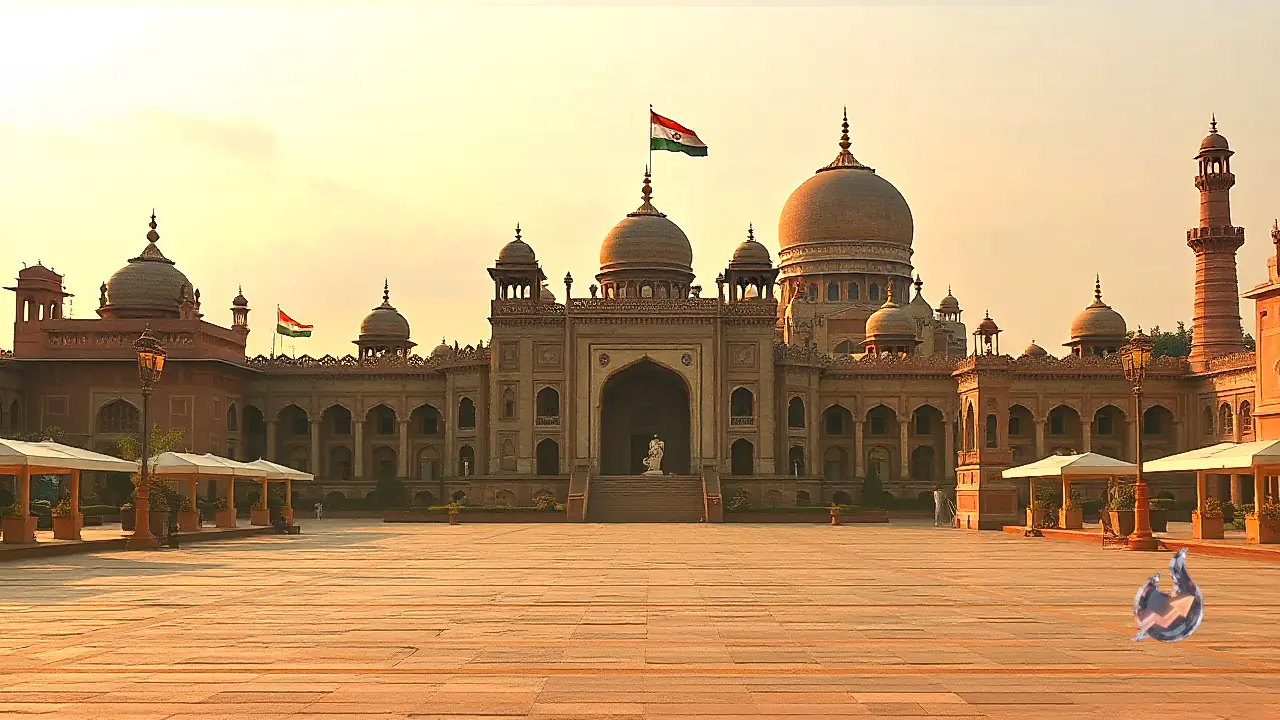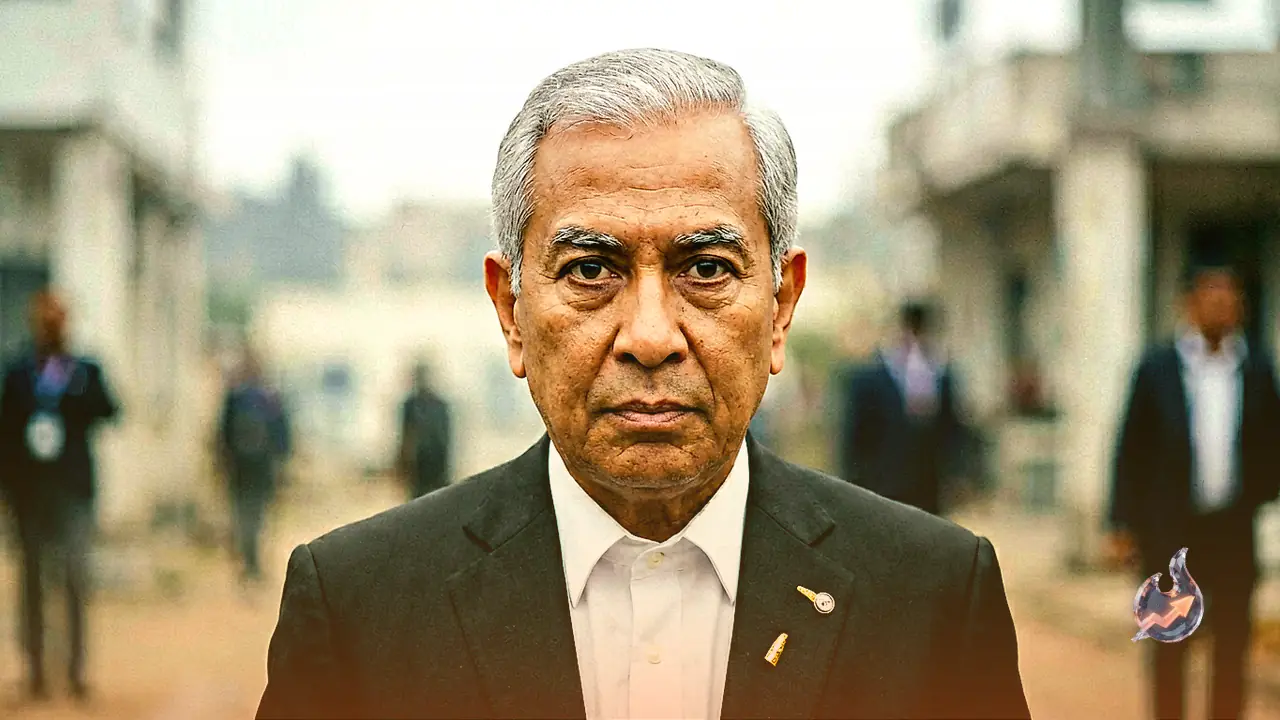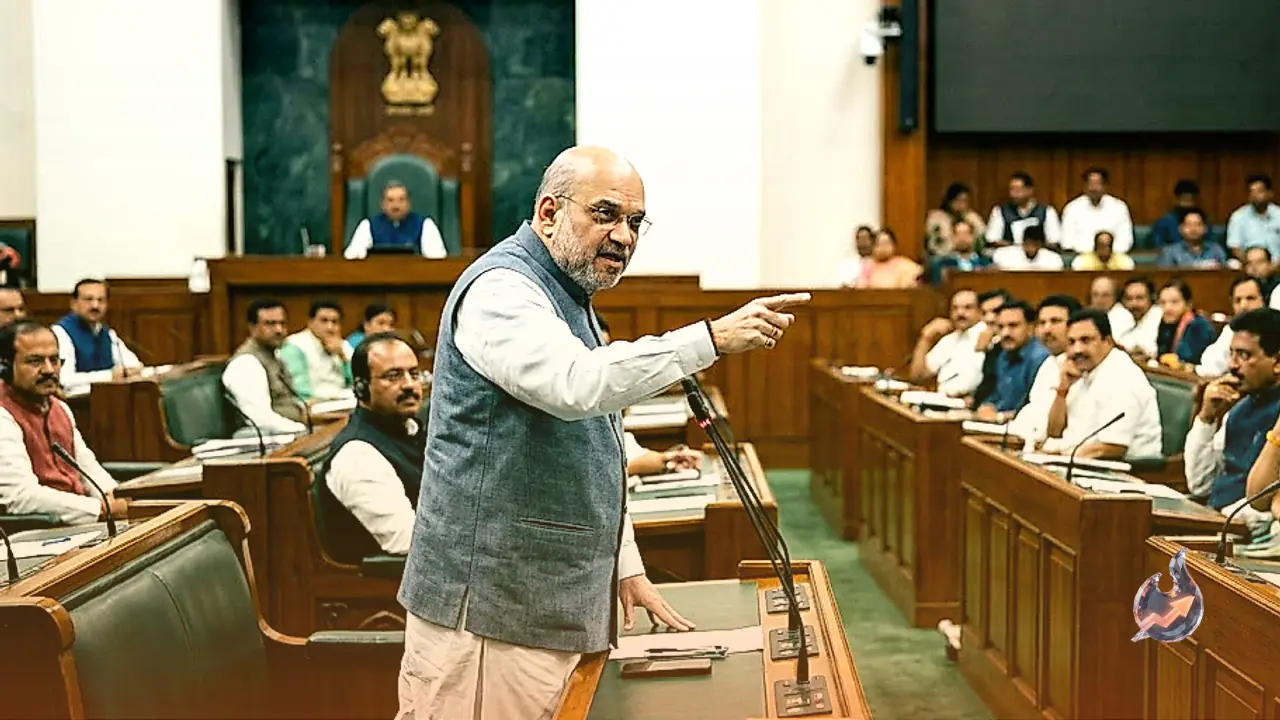

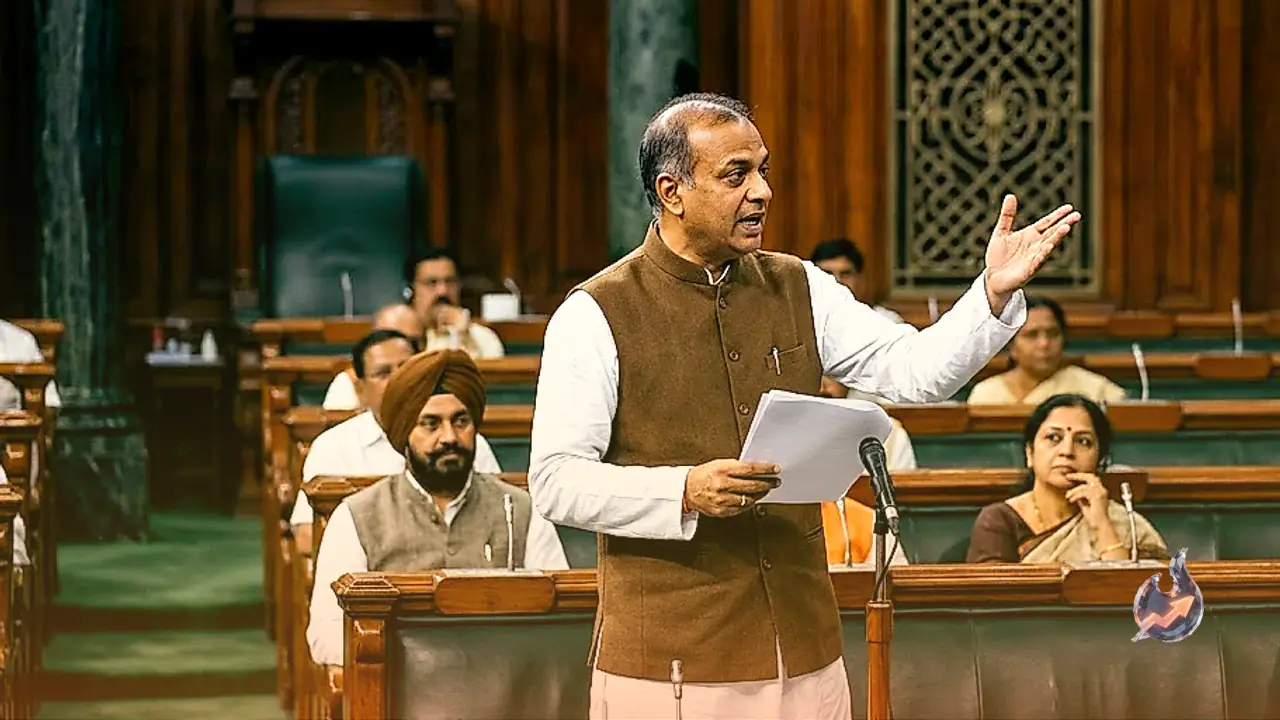


















Accelerating infrastructure growth in Rajasthan, Union Home Minister Amit Shah and Chief Minister Bhajan Lal Sharma virtually inaugurated and laid the foundation stones for multi-sectoral development projects valued at ₹5,755 crore across 15 districts. The announcements were made during a public gathering held at Nimbahera on the death anniversary of former Prime Minister Atal Bihari Vajpayee. The developmental push encompasses extensive investments in road networks, electricity generation and distribution, expanded agricultural irrigation channels, and enhanced public welfare facilities.
Unveiling of 21-Foot Statue at Nimbahera
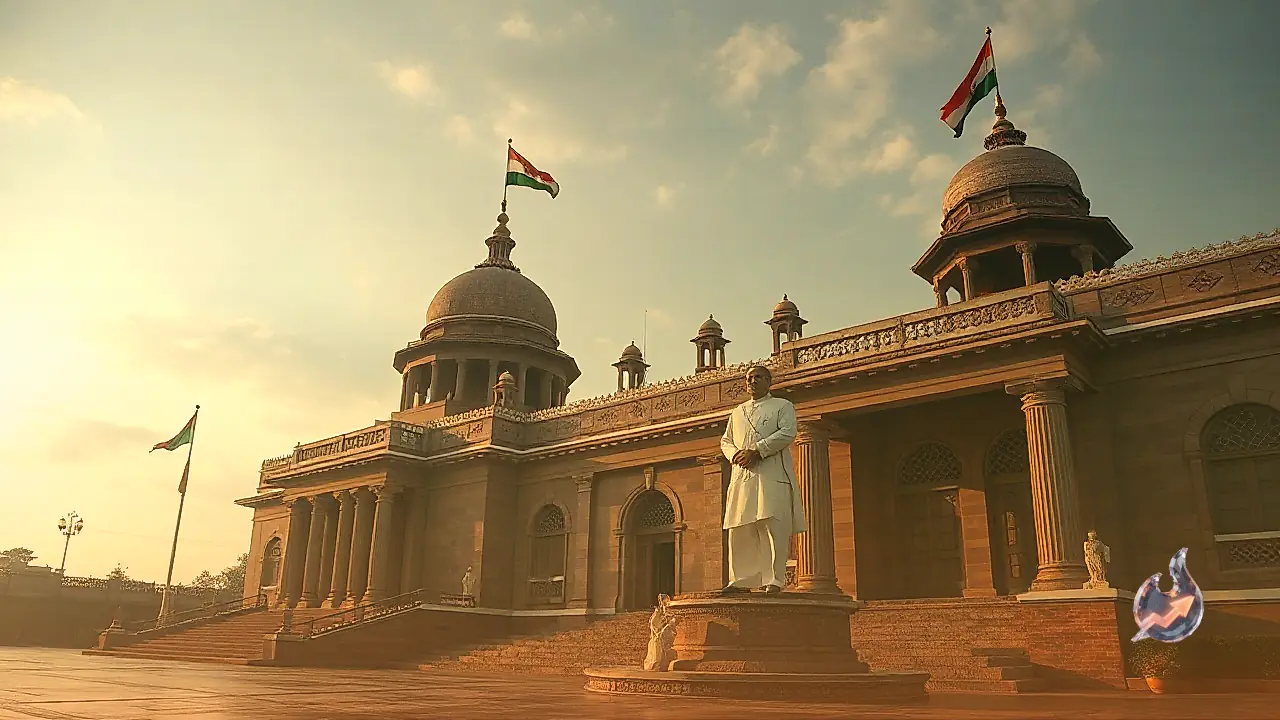
To commemorate the legacy of former Prime Minister Atal Bihari Vajpayee, a 21-foot bronze statue was formally unveiled at Nimbahera as part of the event. Addressing the gathered public, Chief Minister Bhajan Lal Sharma noted that Rajasthan is steadily advancing in cooperative initiatives and transparent administration. He reiterated the state administration's commitment to delivering essential infrastructure and basic services to the remotest areas, ensuring that the benefits of governance reach every citizen.
Amit Shah Praises Governance and Regional Progress
Highlighting the impact of the investment, Union Home Minister Amit Shah remarked that the state government is establishing new standards of trust and development by translating policies into visible action on the ground. The ₹5,755 crore development portfolio covers 15 key districts, aiming to boost local commercial activities and rural connectivity. Improved irrigation facilities are set to assist farmers with reliable water distribution, while strengthened electrical grids will provide steady power supplies to households and industrial units alike.
About Atal Bihari Vajpayee
Atal Bihari Vajpayee served as the 10th Prime Minister of India and remains one of the nation's most respected statesmen and political figures. He was among the founding leaders of the Bharatiya Jana Sangh, serving as its national president from 1968 to 1973. Over his distinguished political career, Vajpayee held the prime ministerial office across three separate terms: first for 13 days from May 16, 1996 to June 1, 1996; second for 13 months from March 19, 1998 to October 13, 1999; and finally for a full five-year term from October 13, 1999 to May 22, 2004. Beyond his governance legacy, Vajpayee was an accomplished Hindi poet, journalist, and orator who edited patriotic publications such as Rashtradharma, Panchjanya, and Veer Arjun.
Public Reaction
The large-scale financial outlay evoked widespread discussions across digital platforms and local communities. While many praised the emphasis on rural roads, power infrastructure, and water resources as a meaningful tribute to Vajpayee, others emphasized the importance of ensuring high construction standards and strict adherence to completion deadlines.