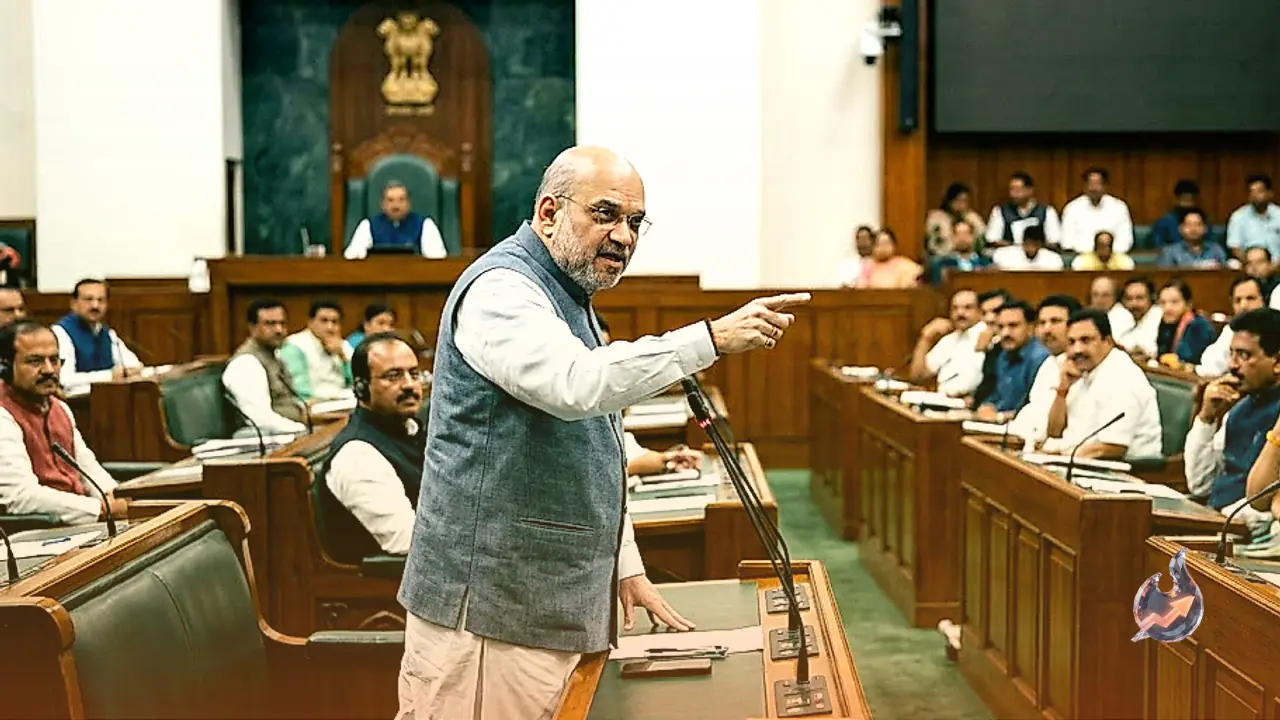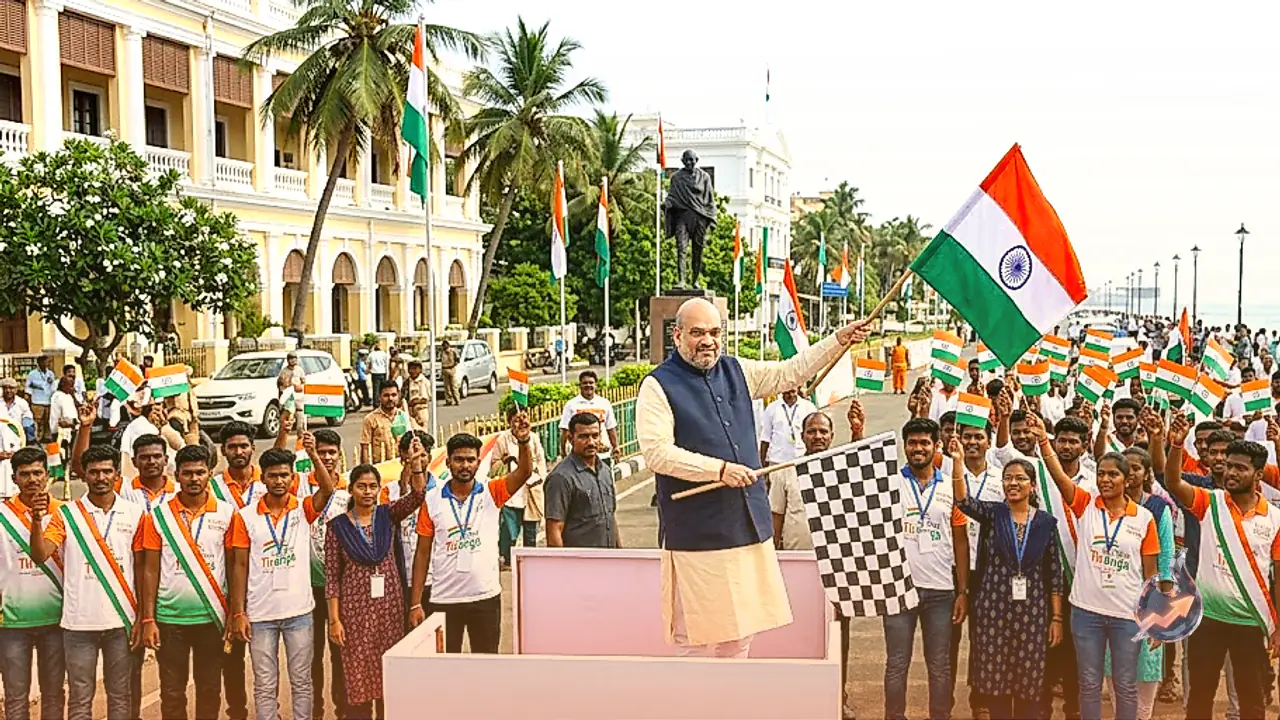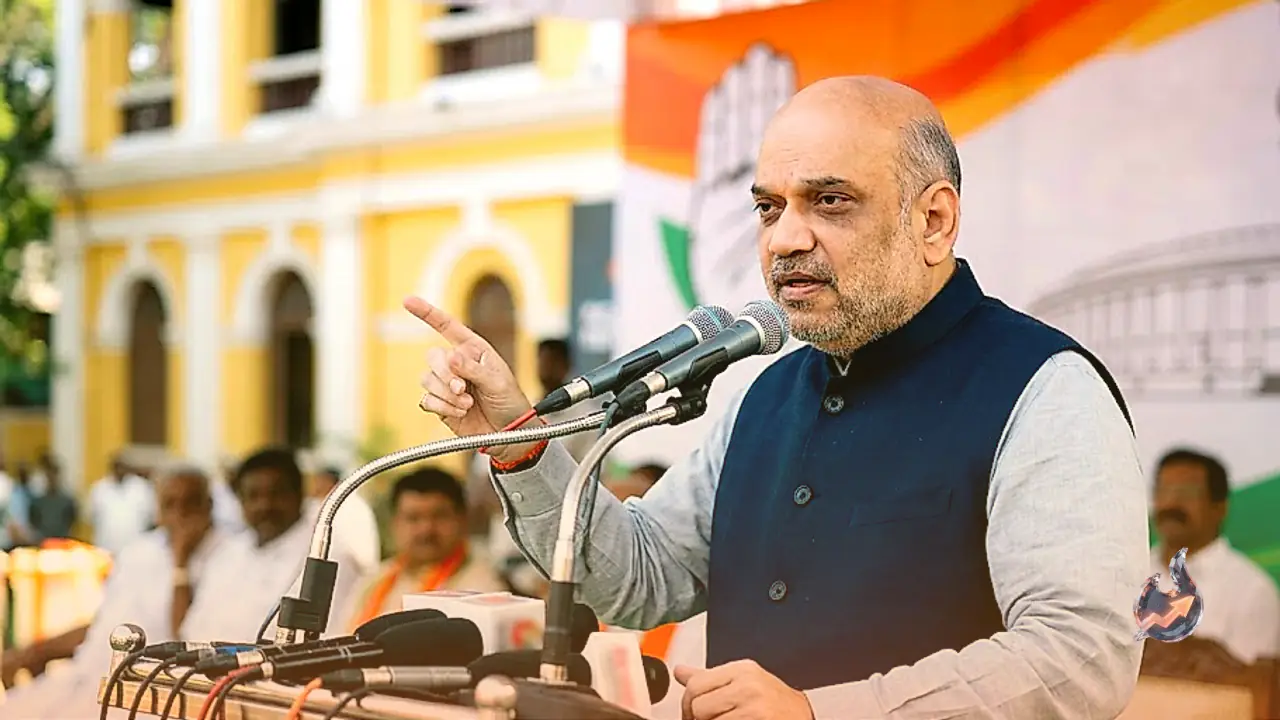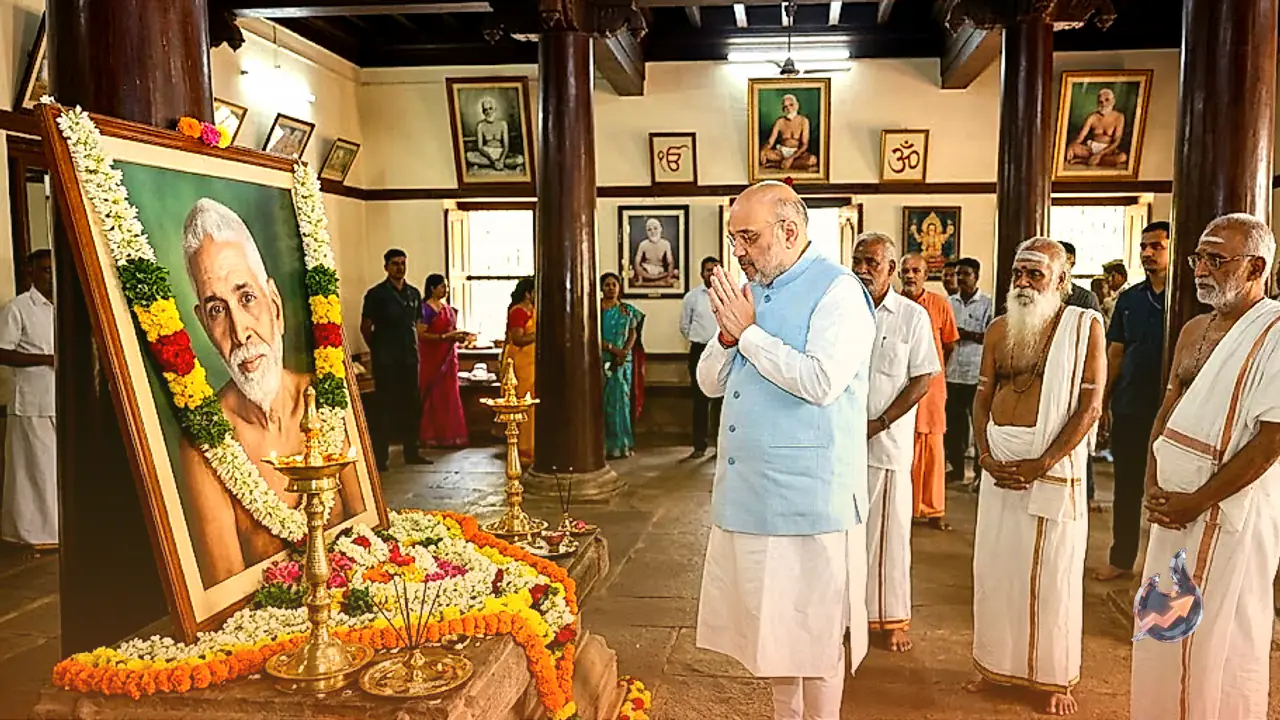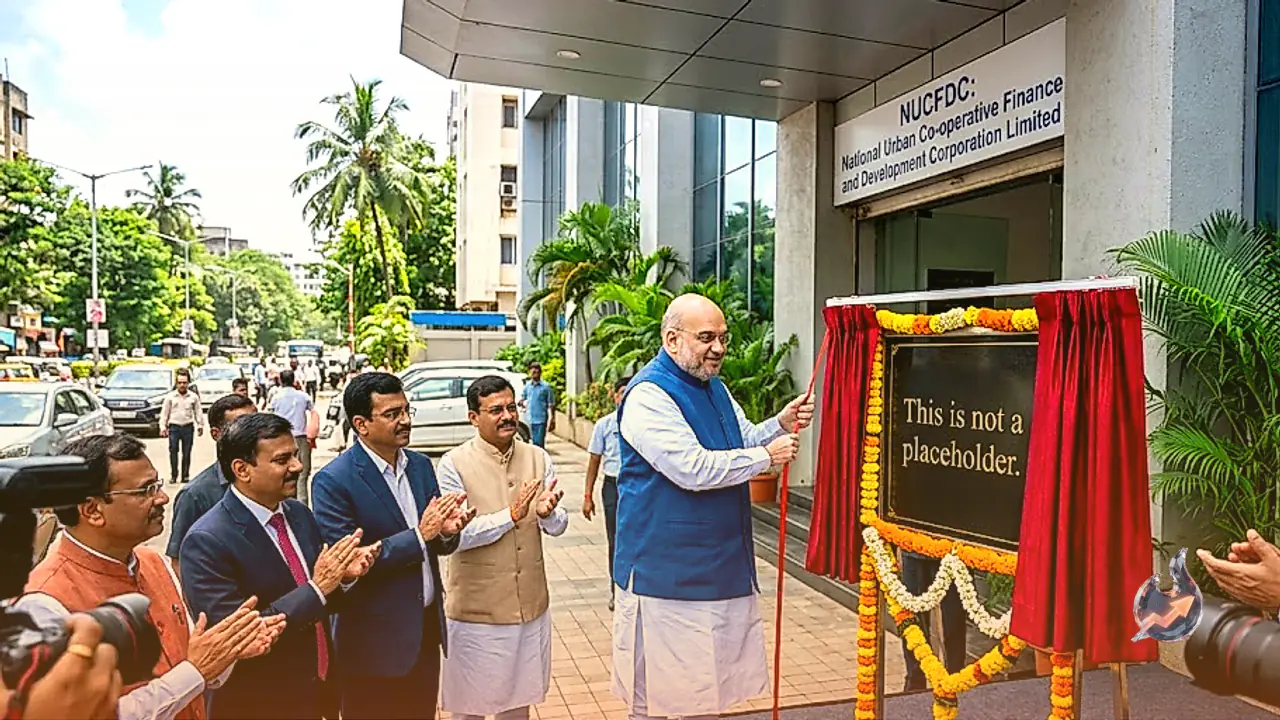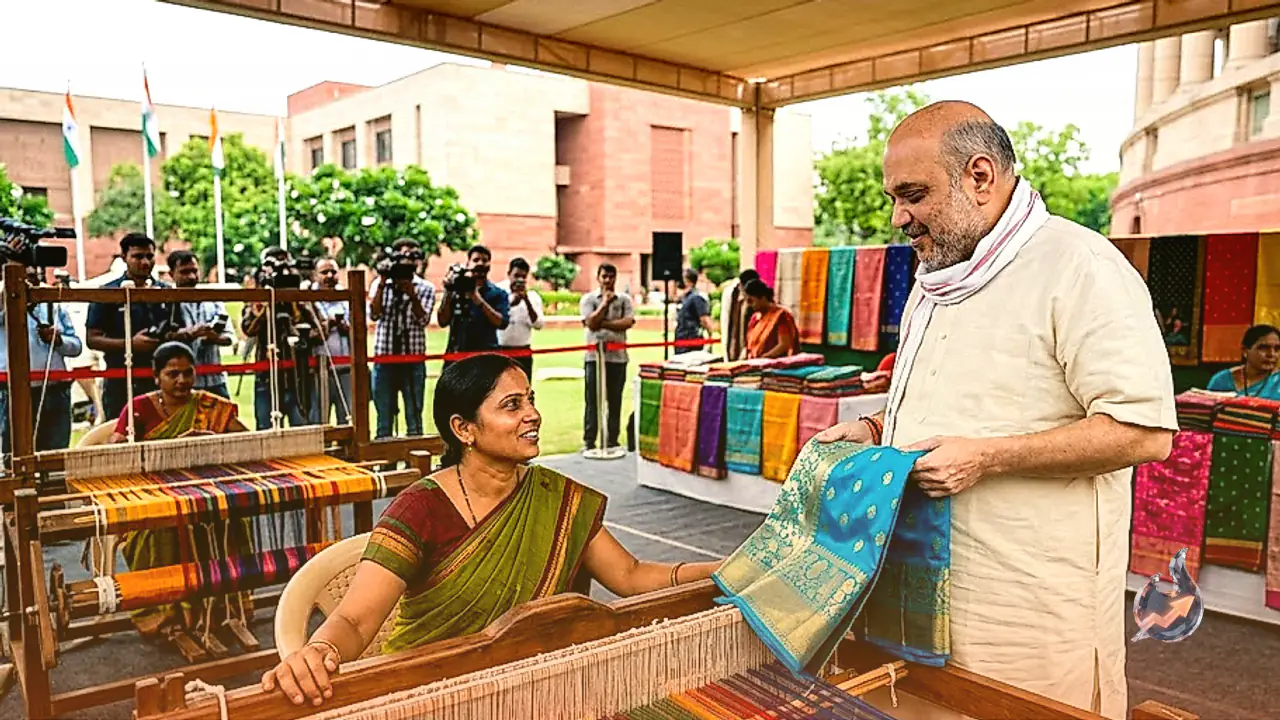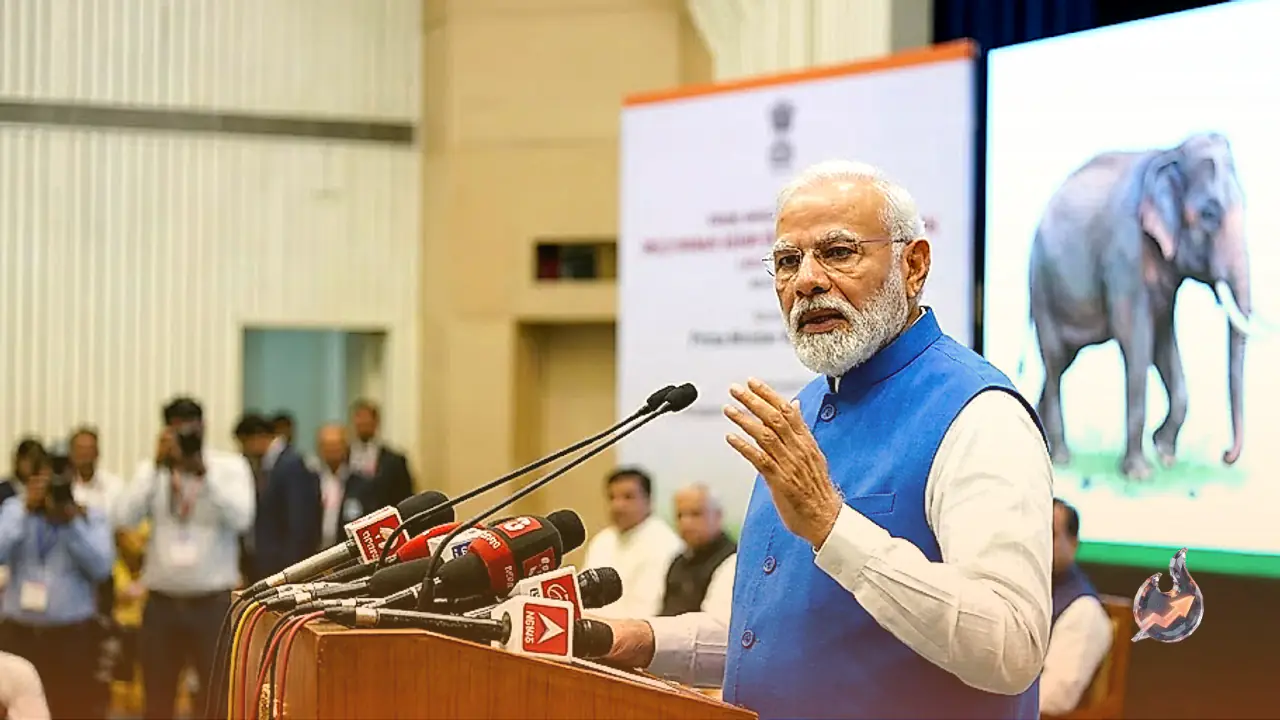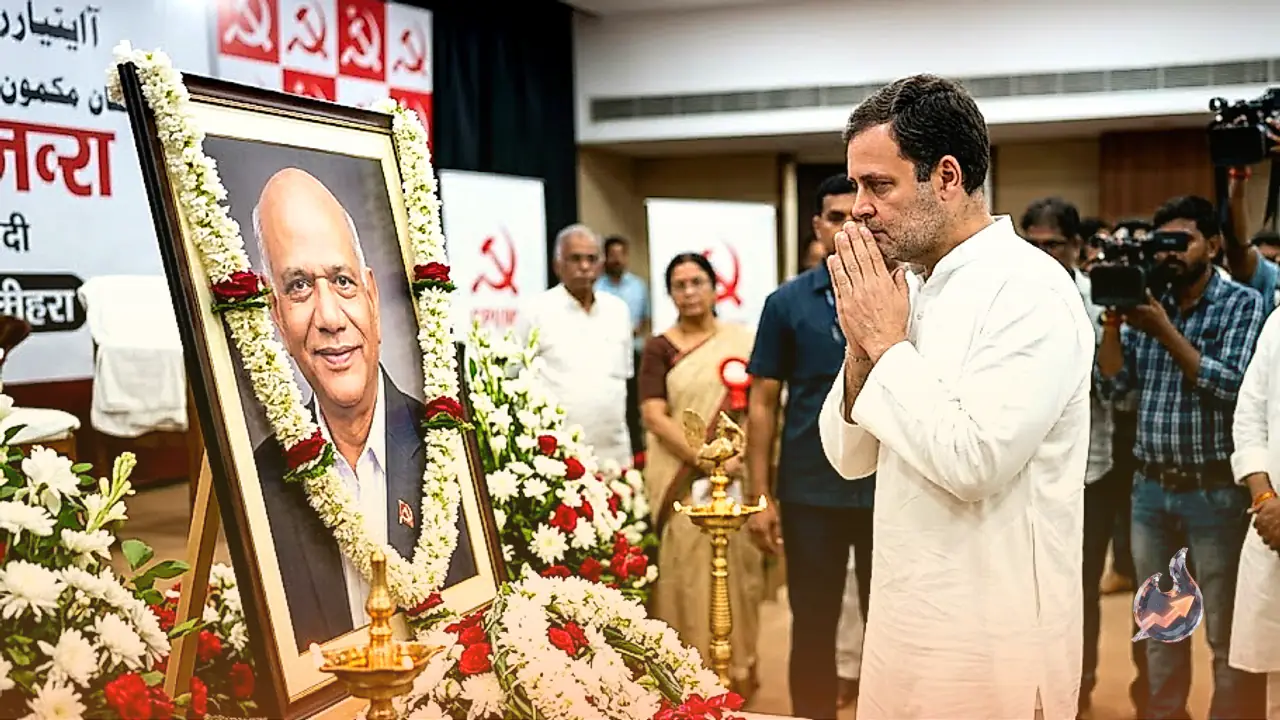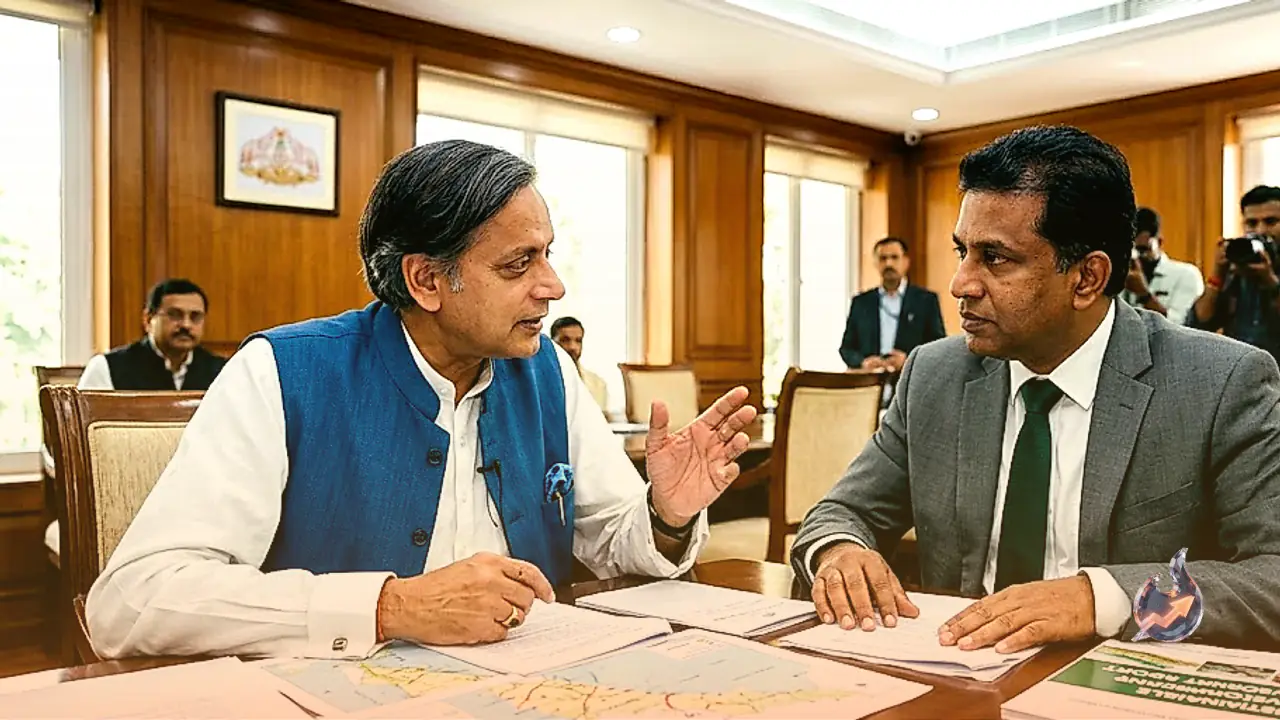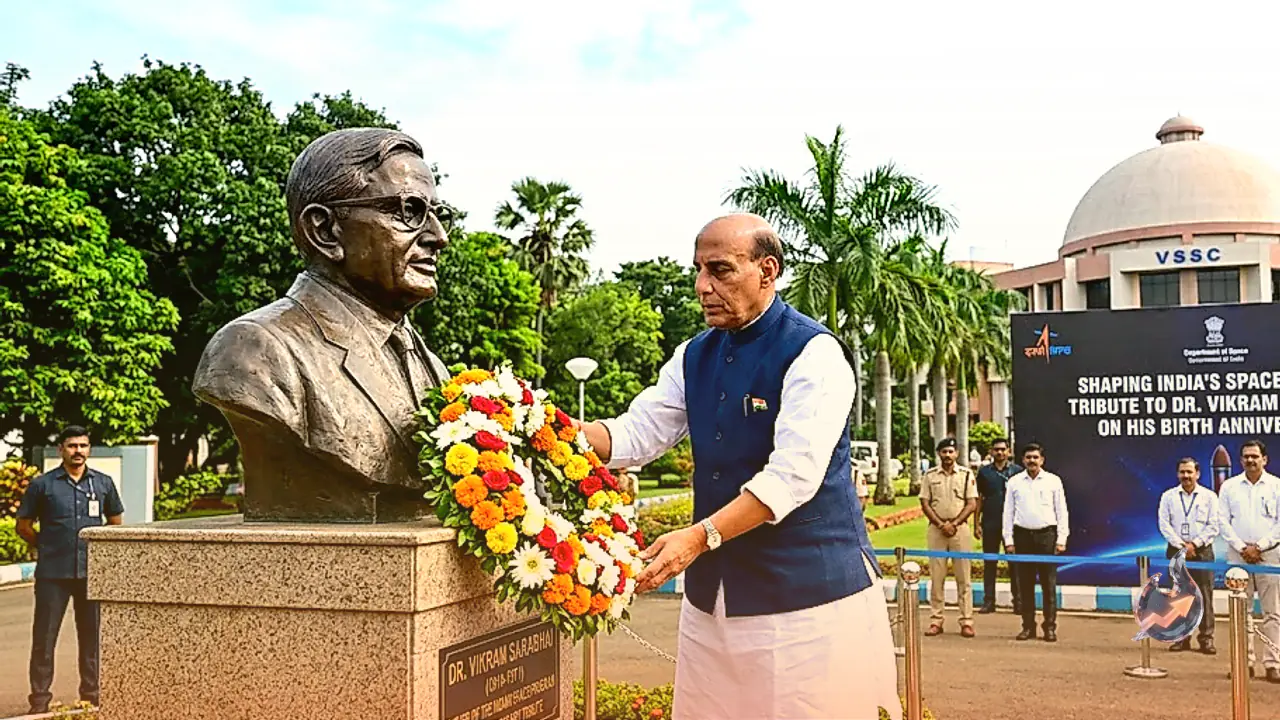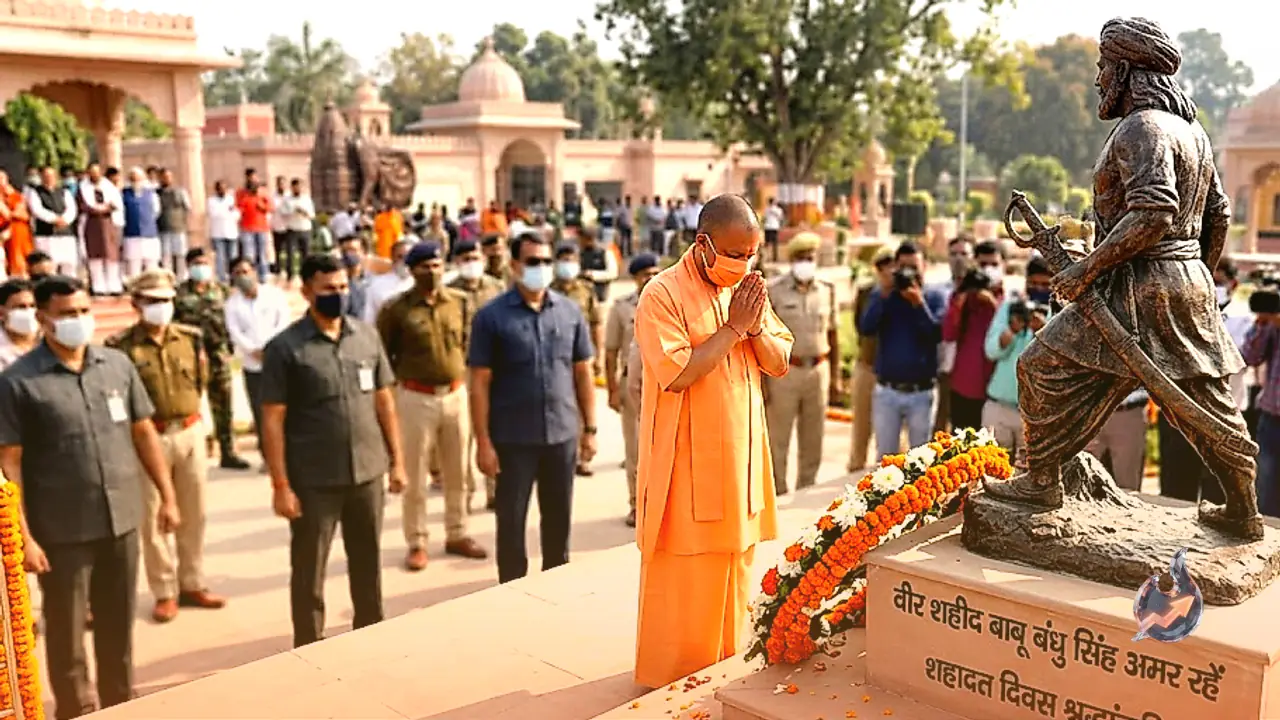




















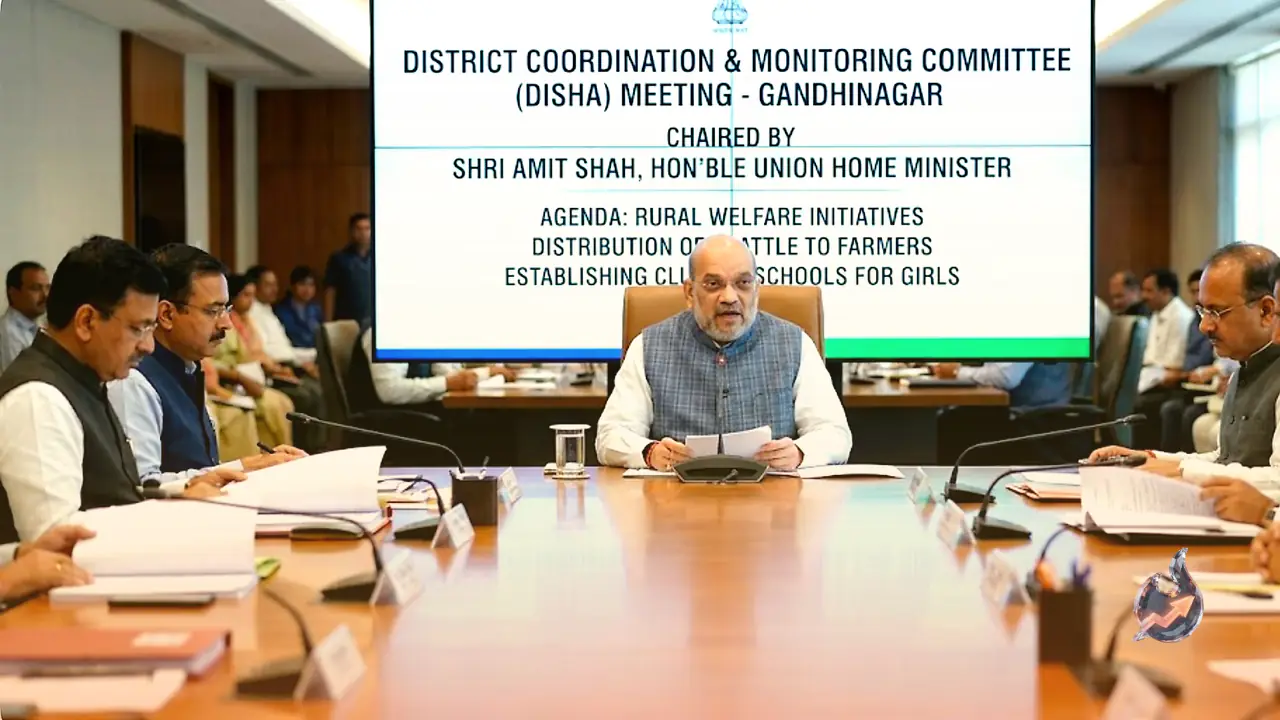

A high-level meeting of the District Development Coordination and Monitoring Committee (DISHA) was convened to assess the progress of various public welfare programs. The session, which took place in Gujarat's administrative hub, emphasized the critical role these review forums play in ensuring that the benefits of government-led initiatives successfully reach the intended beneficiaries at the grassroots level. The primary agenda of the meeting remained focused on reviewing the implementation of key welfare and infrastructure projects across the region.
Key Directives for Agricultural and Educational Reform
The District Development Coordination and Monitoring Committee, transitionally referred to as DISHA, plays a pivotal role in bridging the gap between policy formulation and its actual execution on the ground. During the session, administrators focused heavily on multi-sectoral progress, identifying areas that require immediate operational acceleration to ensure timely delivery of public services.
Special attention was directed towards the agricultural sector, where representatives discussed the logistics of distributing livestock. By ensuring that every farmer receives a minimum of two animals, the initiative aims to create a sustainable economic safety net for rural households. Simultaneously, the committee addressed educational disparities, highlighting that the creation of cluster schools is a critical step toward ensuring girls remain enrolled in formal education systems and reducing school dropout rates. Additionally, the welfare schemes aimed at citizens aged 70 and above were evaluated to make certain that the elderly demographic receives comprehensive support.
About Gandhinagar
Gandhinagar is the capital city of the Indian state of Gujarat, situated in the Gandhinagar district. Located just north of Ahmedabad along the banks of the scenic Sabarmati River, it holds a unique distinction as the second fully planned city in India, following Chandigarh. Widely recognized as a 'Green City' due to its extensive tree cover and eco-friendly urban layout, Gandhinagar serves as the central political hub of the state, housing the official government secretariat and the residential quarters of state ministers.
Background on Scheme Implementation
Across various Indian states, the rigorous tracking of public welfare programs remains a top administrative priority. According to news reports, states like Rajasthan have launched over 150 distinct schemes and more than 30 policy frameworks, which are frequently highlighted in academic and professional milestones such as the 2nd Grade Teacher Exam 2026. Efficient monitoring structures, like the DISHA committee meetings, are vital in managing such extensive governance portfolios and ensuring accountability across state administrations.
Public Reaction
The update generated diverse responses from the public, with some citizens praising the focus on rural development, animal husbandry, and educational reforms. However, others utilized the platform to voice local grievances, raising concerns over regional administrative challenges, farmer welfare issues, and academic system integrity in other parts of the country.