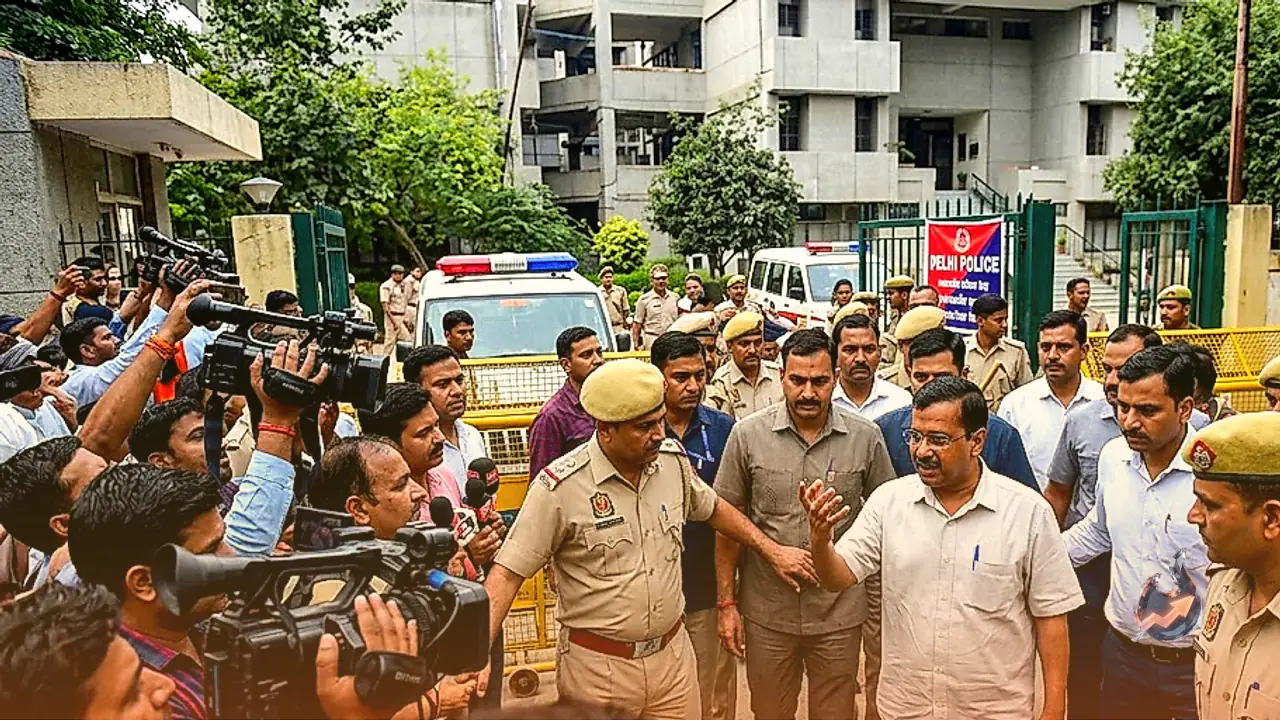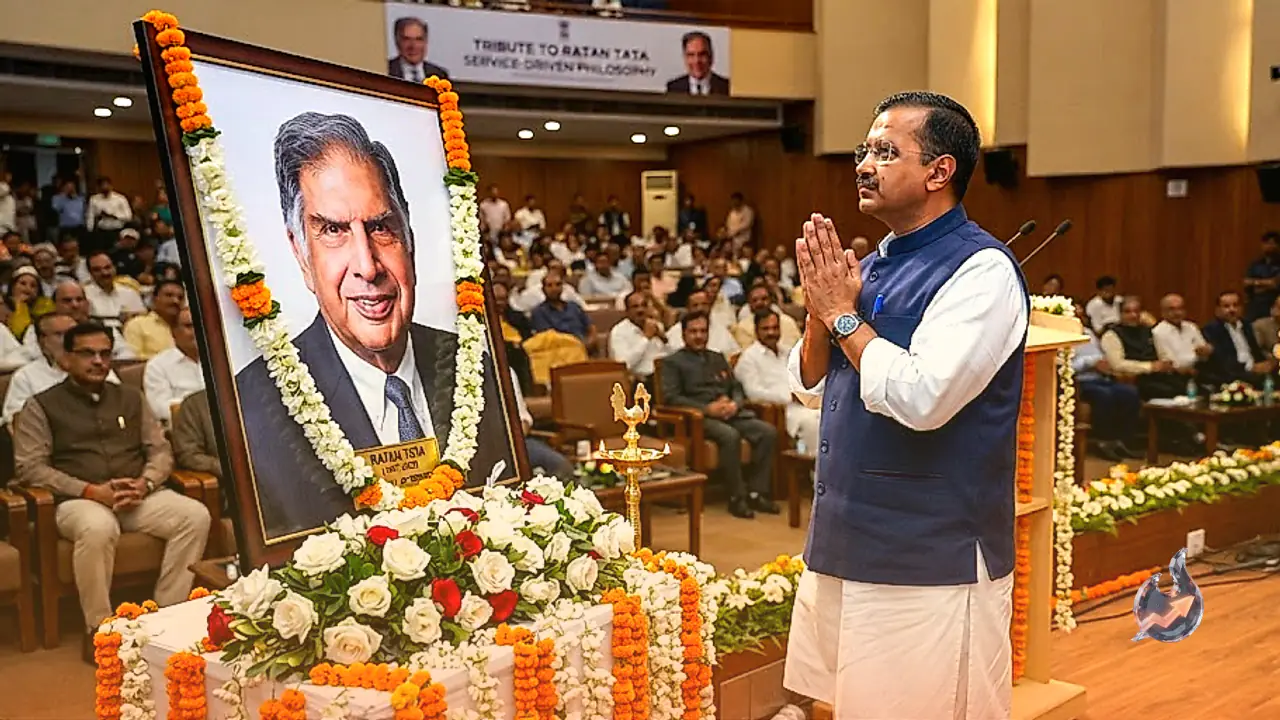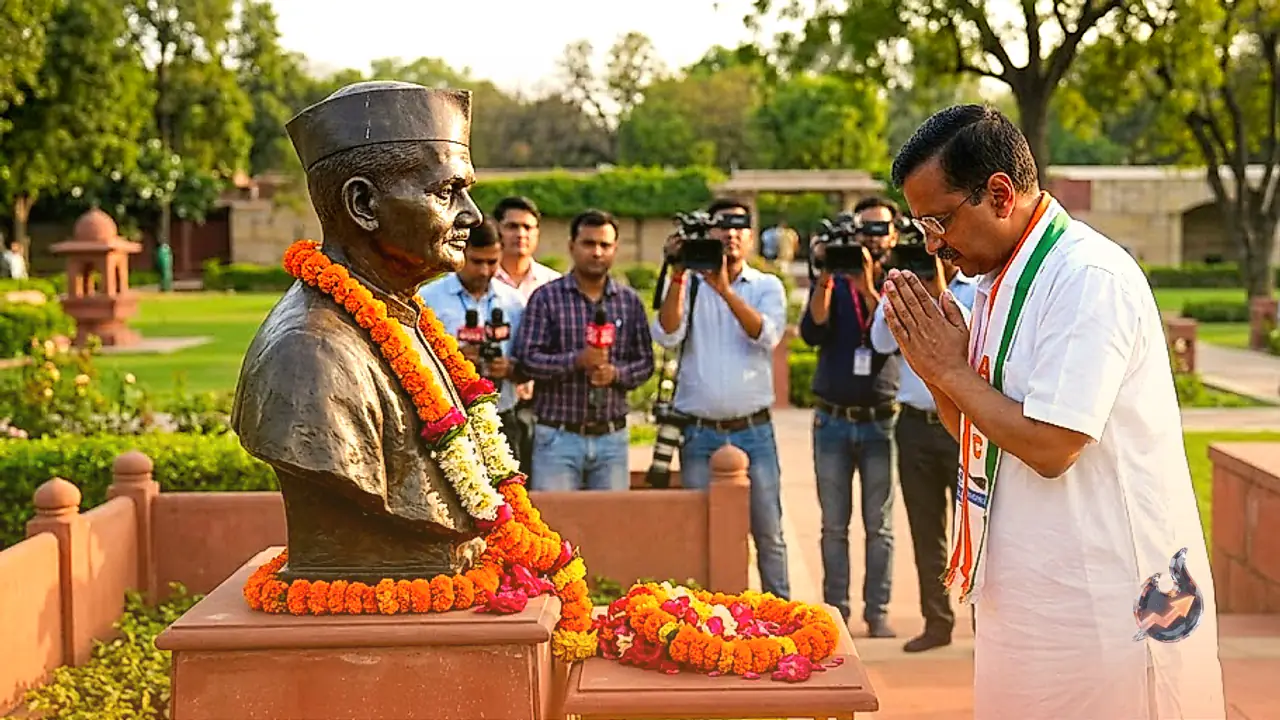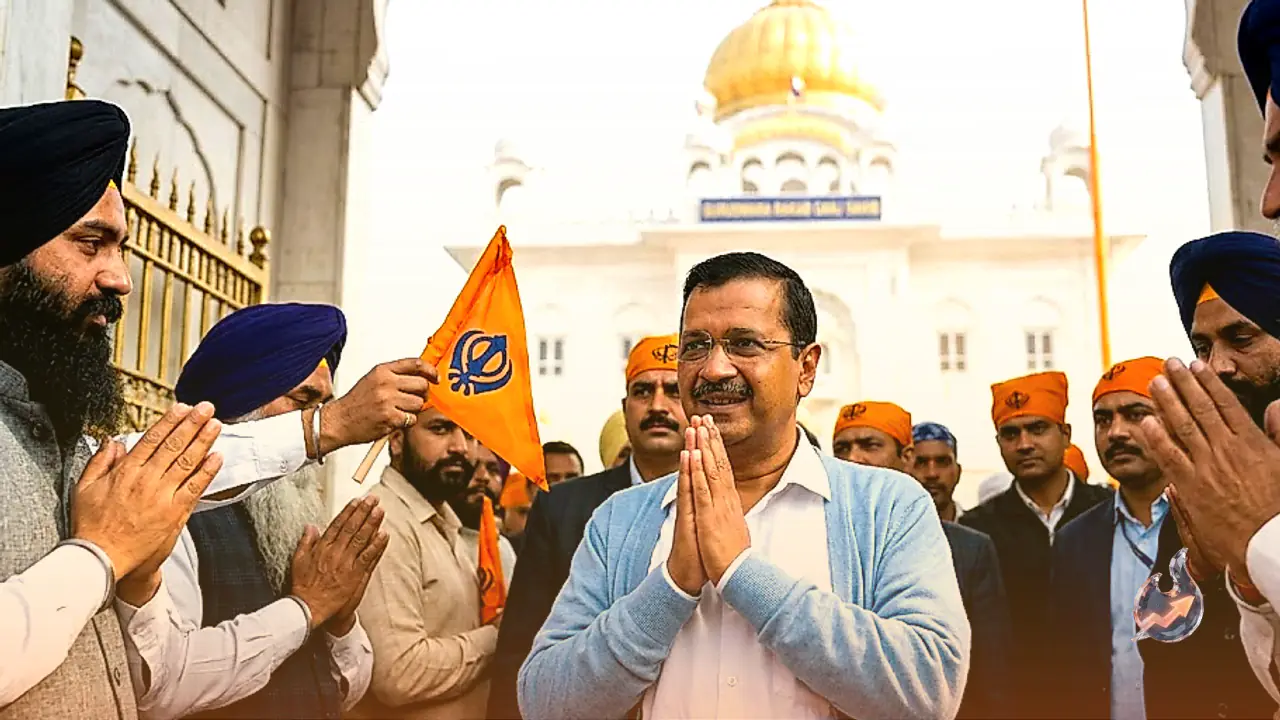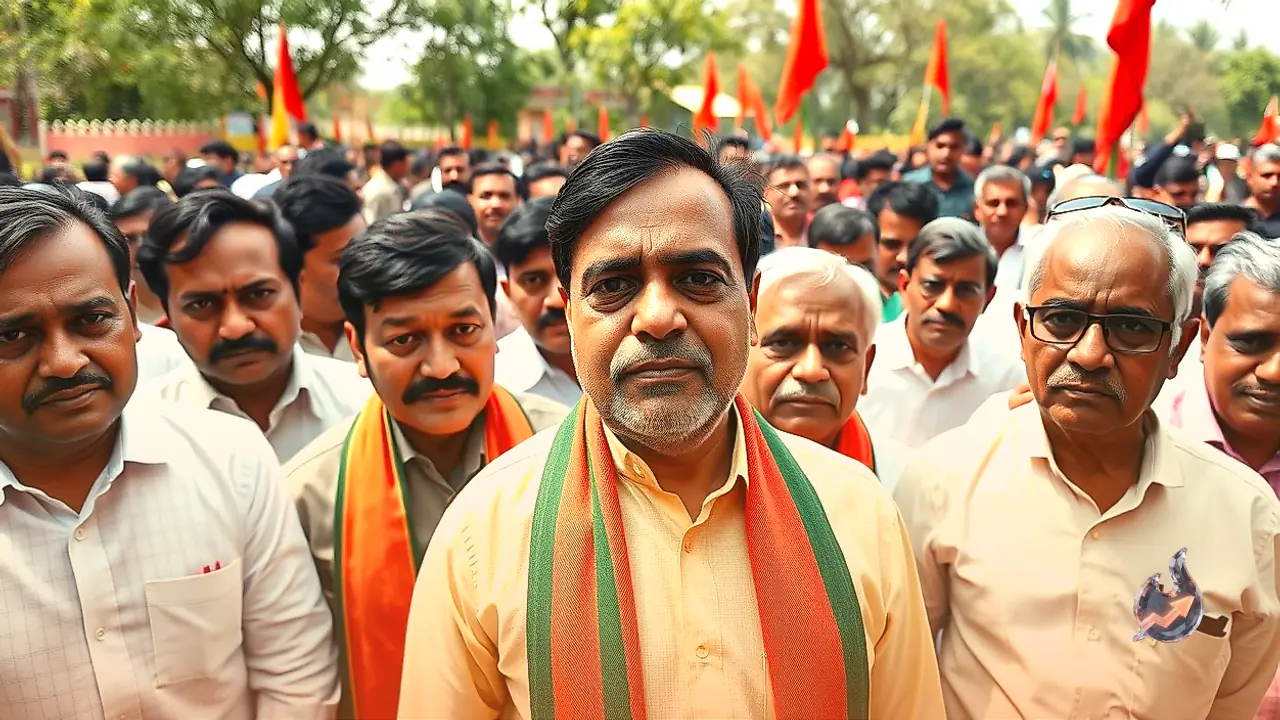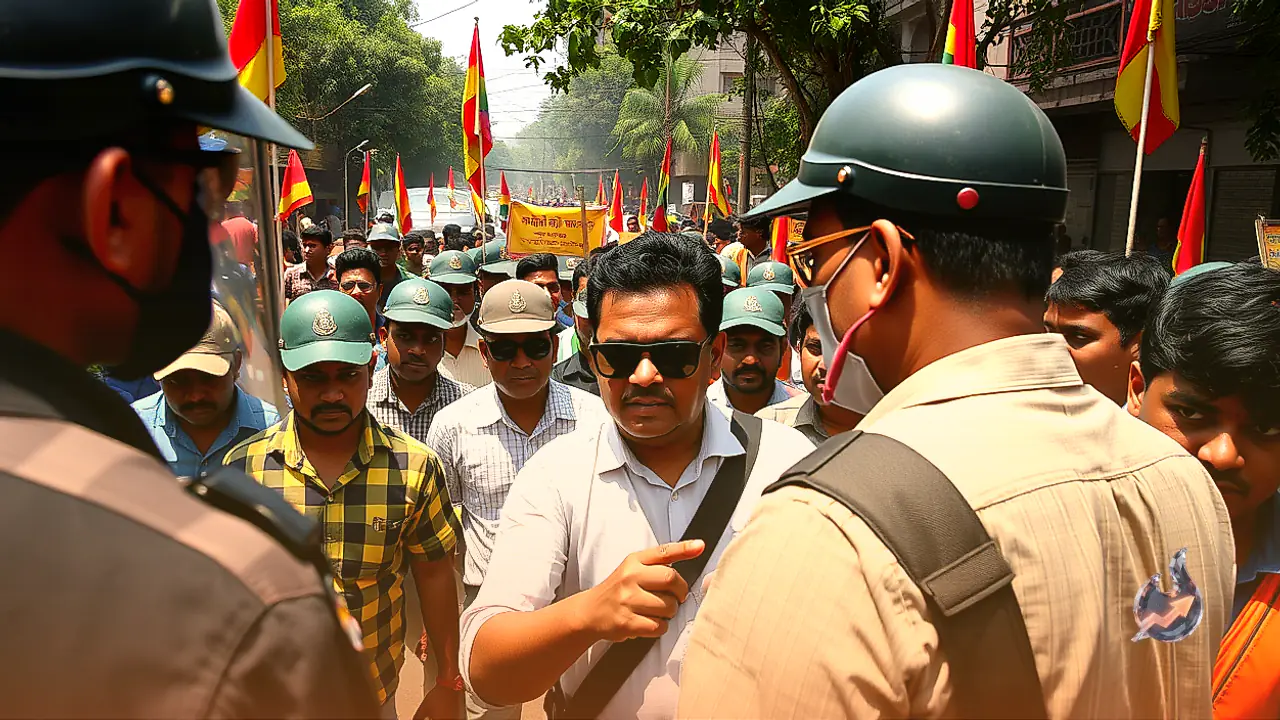















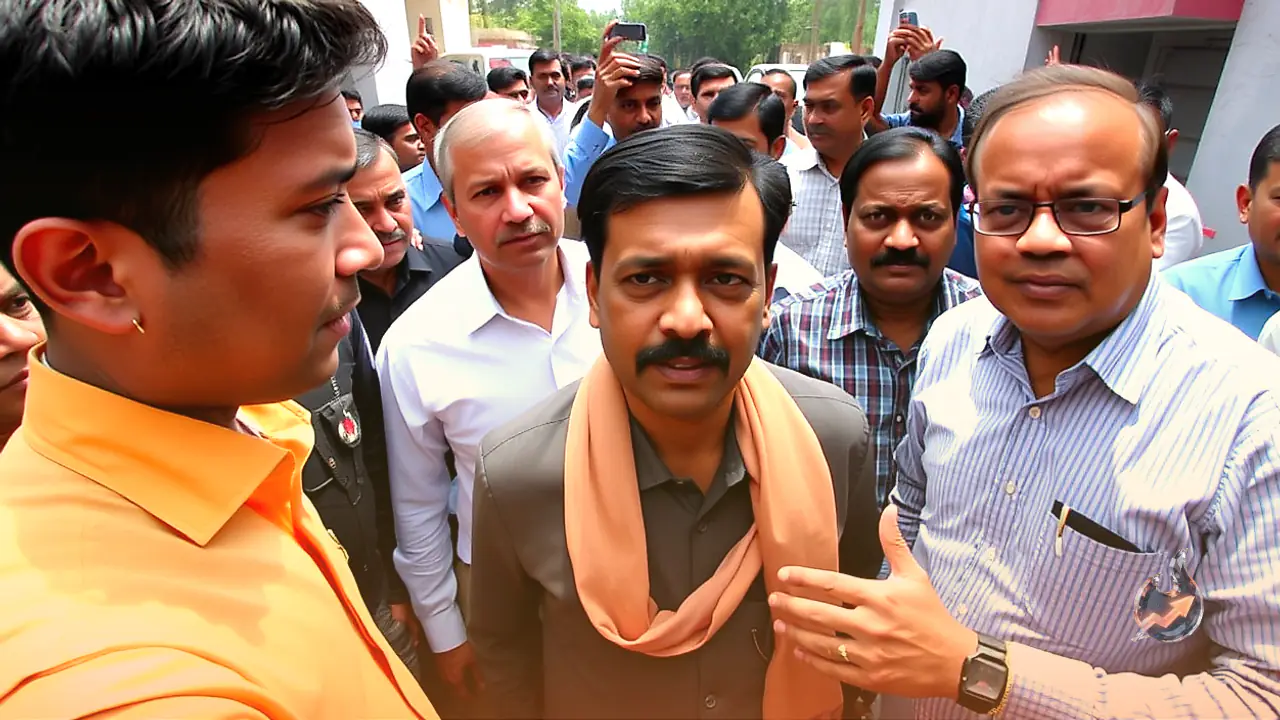

A fresh political confrontation has surfaced following the detention of senior journalist and news organization leader Atul Agarwal. Reacting publicly on the social media platform X, Arvind Kejriwal alleged that the country is witnessing conditions akin to an emergency, asserting that even owners and editors of news establishments are no longer safeguarded from administrative overreach. The episode has triggered intense scrutiny over the state of press freedom and enforcement actions.
Allegations Raised by Arvind Kejriwal
Arvind Kejriwal claimed that Atul Agarwal, who serves as the Editor-in-Chief of Hindi Khabar and the Living India Group, was taken into custody by the Haryana police. According to Kejriwal, the police action was triggered by the channel's sustained investigative coverage on the expanding illicit narcotics trade within Haryana. He asserted that reporters and editorial leaders are facing pressure and detention simply for bringing serious social problems and illegal drug operations into the public spotlight.
The Broader Debate Over Democratic Freedoms
The controversy arrives amidst an ongoing national discourse regarding democratic safeguards and historical parallels. During observances marking 51 years since Indira Gandhi imposed the 1975 Emergency, Prime Minister Narendra Modi described that era as a brutal assault on the Constitution and the darkest period of Indian democracy. Conversely, opposition figures including Rahul Gandhi and Ashok Gehlot have previously alleged that an undeclared emergency and censorship mechanisms prevail in the nation. Arvind Kejriwal's recent claims amplify this long-running political dispute between governing and opposition forces.
About Haryana
Haryana is an economically significant northern Indian state that shares its capital, Chandigarh, with neighboring territory. It is bordered by Punjab and Himachal Pradesh toward the north, and by Rajasthan across its southern and western boundaries. The Yamuna River defines its eastern frontier alongside Uttar Pradesh, while the national capital, Delhi, remains bordered by Haryana on three sides, linking the state's southern region deeply with National Capital Region planning initiatives.
Public Reaction
The online statement sparked contrasting viewpoints among the public across social platforms. While some individuals voiced concern over administrative actions against journalists and curbs on independent reporting, others challenged political motivations and defended standard police procedures and institutional accountability.