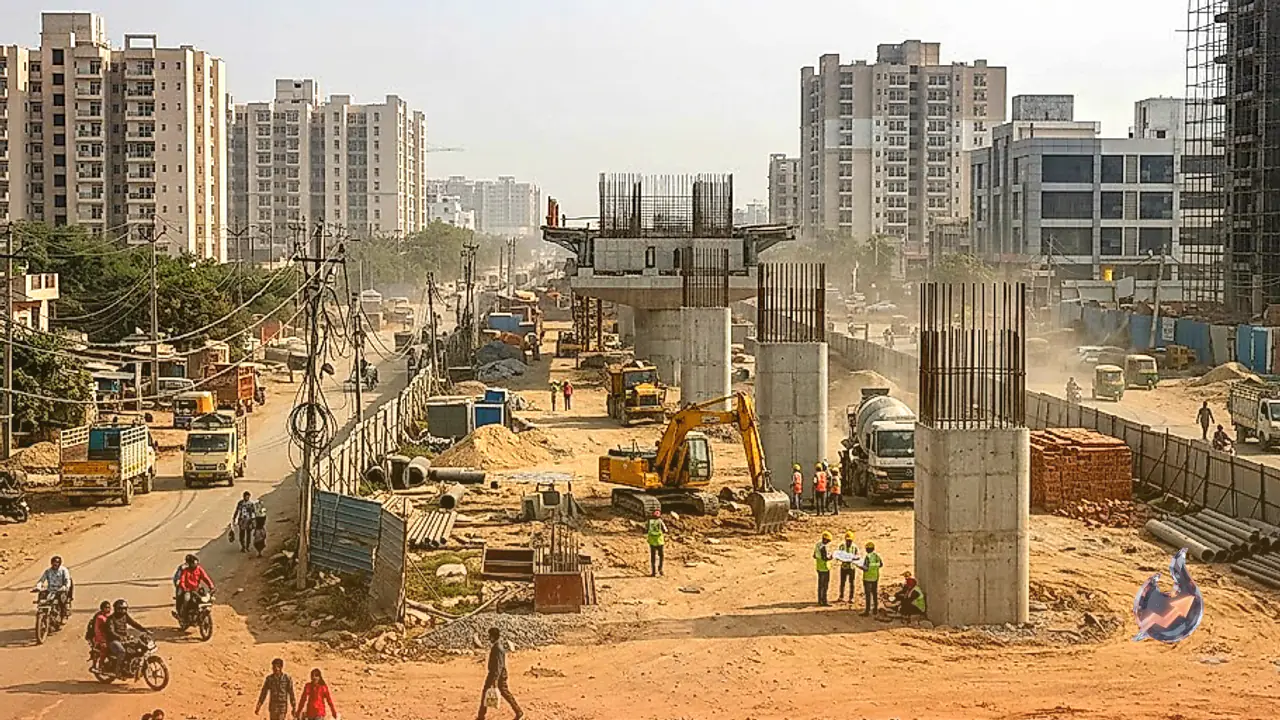






















Purchasing a home in an under-construction development remains an attractive proposition due to flexible installment plans, yet it entails distinct financial and legal liabilities. Buyers drawn purely by glossy promotional campaigns frequently encounter significant hurdles when projects face unexpected standstills or escalating ancillary expenses. Before disbursing booking sums or executing sale agreements, conducting systematic due diligence across several critical checkpoints is essential to safeguarding hard-earned capital.
Verify the Project Listing on the Official Regulatory Portal
The initial and most crucial procedural step is locating the property registration on the official portal of the Real Estate Regulatory Authority. This statutory database outlines vital parameters regarding the undertaking, including developer credentials, sanctioned floor plans, land encumbrance certificates, and designated handover deadlines. Regulatory guidelines mandate that builders deposit 70 percent of all buyer collections into a separate escrow account. Capital parked within this designated reserve can strictly be deployed toward land acquisition costs and actual on-site structural works. Nevertheless, prospective buyers must recognize that an active regulatory registration does not function as an absolute assurance of on-time physical possession.
Examine Historical Track Record and Prior Disputes
Investigating the builder's past operational history offers deep insight into their commercial integrity. A prospective purchaser should ascertain whether previous residential towers by the firm were delivered within stated timelines or suffered prolonged operational interruptions. Digging into public records regarding consumer litigation or pending regulatory disputes helps clarify whether your financial commitments are entrusted to a dependable entity. A developer's past performance indicates their institutional reliability and reveals their real capability to execute construction schedules without default.
Demand Written Breakdown of the Complete Acquisition Cost
Advertised base sale figures rarely reflect the true outflow required to secure physical possession of an apartment. Buyers must request a detailed, written cost breakdown from the builder well ahead of time. Beyond the structural square footage price, this itemized statement must detail charges for reserved parking spots, floor rise premiums, clubhouse and community facility fees, and initial maintenance deposits. Crucially, the applicable GST liability should also be integrated into this calculation. Without a comprehensive balance sheet accounting for every overhead component, evaluating overall affordability remains incomplete.
Align Installment Milestones with Cash Flow Realities
The protracted construction cycle of an ongoing development allows buyers to spread payments across distinct construction milestones. Committing an excessively large upfront installment can deplete ready liquidity, leaving household finances strained for subsequent obligations. Establishing a balanced schedule where outflows correspond strictly with verified structural progress prevents overexposure. For those securing housing loans, harmonizing personal salary inflows with banking disbursement schedules becomes even more vital before cementing contractual terms.
Factor in the Compounded Burden of Simultaneous EMIs and Rent
Carrying the financial weight of an under-construction acquisition involves an often overlooked dual expenditure. While awaiting the keys to a newly constructed flat, buyers must continue paying monthly rent on their current residence while loan servicing kicks in. For instance, paying 25 thousand rupees in monthly residential rent alongside a 35 thousand rupees home loan EMI amounts to a combined recurring outflow of 60 thousand rupees every month. While manageable over a fixed window, persistent project delays inflate this drain to an additional 7.2 lakh rupees each year. Factoring this secondary exposure into the financial model is imperative before taking the plunge.
Maintain an Independent Contingency Reserve
A frequent error among aspiring homeowners is exhausting personal savings entirely to cover initial down payments. Diverting all liquid assets toward an ongoing property purchase leaves individuals vulnerable to routine economic turbulence. Maintaining a standalone emergency fund is critical throughout the construction phase to absorb shocks such as career disruptions, sudden medical bills, or unplanned domestic expenses. Having this buffer in place also prevents the need to seek high-interest unsecured borrowing during unforeseen emergencies.
Scrutinize Cancellation Clauses and Forfeiture Penalties
Purchasing an under-construction flat is an extended engagement that demands prolonged patience. Unanticipated emergencies or altered life plans can sometimes force a buyer to withdraw from a purchase after paying initial deposits. For this reason, reviewing the specific refund mechanisms, deduction percentages, applicable interest calculations, and penalty ceilings stated in the agreement is vital before committing your signature. One should never operate under the misconception that a developer will immediately reimburse deposited amounts upon cancellation without procedural friction.
Evaluate Delay Safeguards and Contractual Remedies
Statutory real estate laws provide buyers with specific protections against protracted developer defaults. Under the provisions of Section 18, an allottee holds the legal right to claim a full refund of invested sums along with statutory interest should the builder fail to deliver possession within the committed timeline. Prospective purchasers should compile a complete ledger outlining flat costs, GST liabilities, ancillary infrastructure dues, initial equity down payments, loan installments, and interim rental obligations on paper. Only after evaluating these figures against accessible liquid balances can a buyer confirm whether sufficient breathing room remains for future household stability.