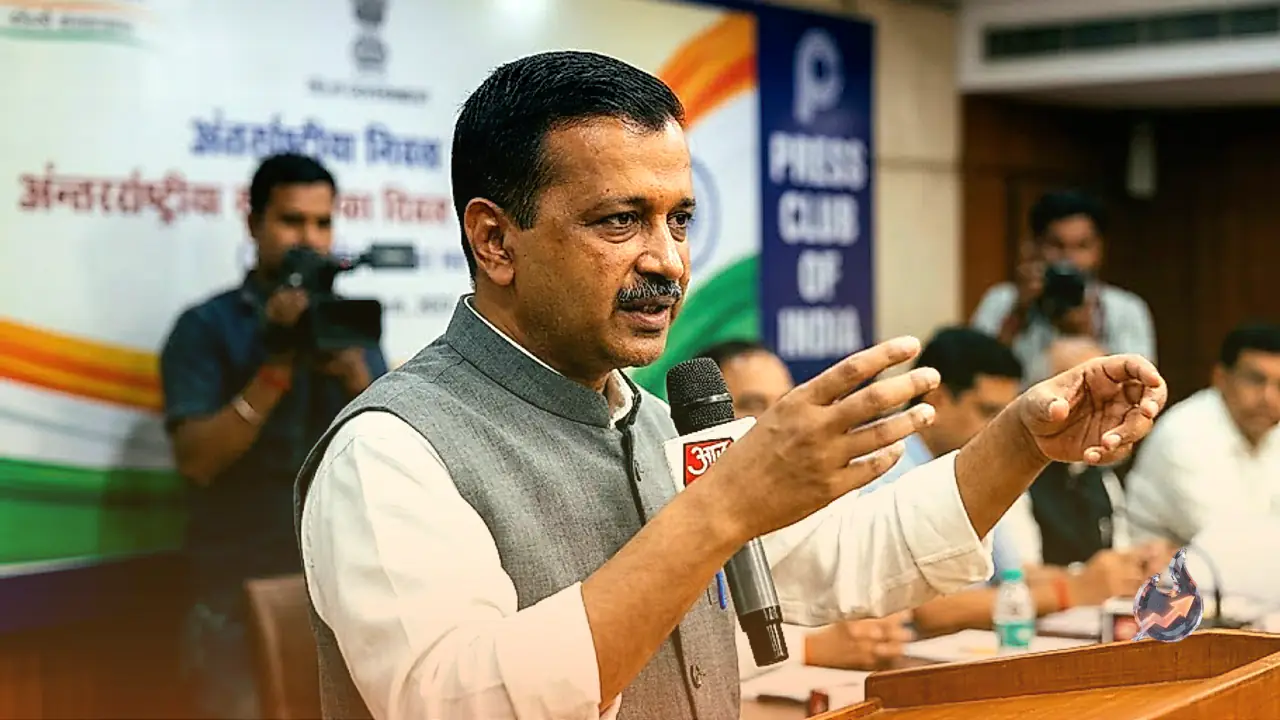























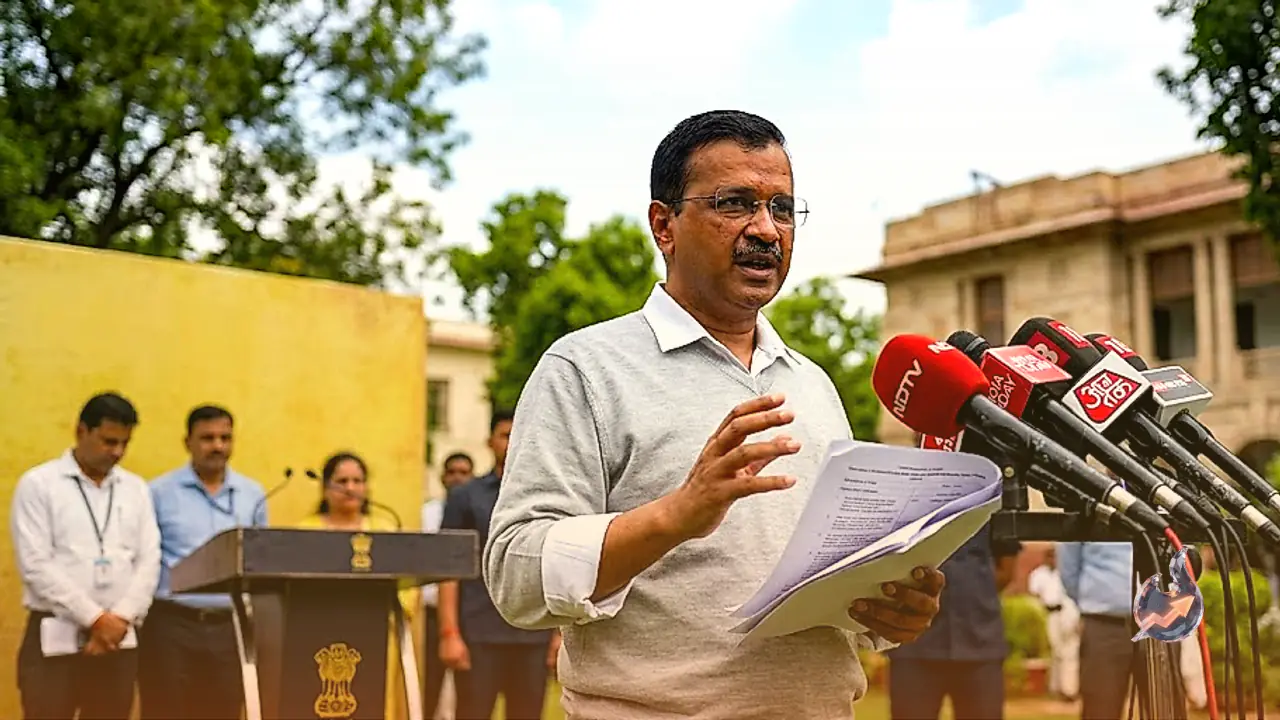

Political and technical scrutiny surrounding the quality of E20 ethanol-blended petrol has intensified across the country. Arvind Kejriwal has raised serious allegations on social media, claiming that high levels of impurities in E20 petrol are causing widespread vehicle breakdowns. He further alleged that a key industry report detailing these vehicle compatibility issues was forcefully suppressed by the government.
Allegations Over E20 Fuel Quality and Suppressed SIAM Report
Arvind Kejriwal stated that an analytical report prepared by the Society of Indian Automobile Manufacturers (SIAM) explicitly highlighted alarming levels of chloride and moisture in E20 petrol blends. According to his statement, these specific chemical components are directly responsible for causing severe internal damage to vehicle engines. Kejriwal accused the Modi government of exercising undue pressure on SIAM to withdraw the document from the public domain. He questioned the rationale behind ignoring established scientific and engineering principles regarding fuel formulation and vehicle safety.
Historical Concerns Over E20 Transition and NITI Aayog Findings
The technical debate regarding ethanol blending ratios has a long history in India's automotive sector. Concerns expressed by SIAM were previously documented in the 2021 NITI Aayog report, which examined the roadmap for ethanol blending. During those policy discussions, automobile manufacturers had strongly advocated for the continued availability of E10 petrol alongside the rollout of E20. The primary reason was that older vehicle models, representing a massive portion of existing commuter transport, were not engineered to withstand higher ethanol concentrations. Excessive moisture absorption and chloride contamination inherent in higher ethanol blends can corrode fuel lines and impair engine components over extended usage.
Government Actions and Automotive Market Context
Following reports of engine malfunctions and rising consumer dissatisfaction, administrative interventions have been initiated to investigate fuel standards and vehicle compatibility. As the apex industry body, SIAM regularly tracks passenger and commercial vehicle sales figures nationwide. Previous data released by SIAM indicated robust sales performance across various vehicle segments in December 2024, as well as significant growth in September 2025 driven by festive demand and GST 2.0 policy shifts. However, industry analysts note that maintaining long-term consumer trust requires stringent quality control over fuel supplies to protect vehicle durability.
Public Reaction
The allegations have sparked widespread discussion among vehicle owners and public observers. A significant section of commuters expressed frustration over engine maintenance troubles and demanded clear transparent testing of E20 fuel, while others defended the government's biofuel strategy and questioned the timing of the political criticisms.