
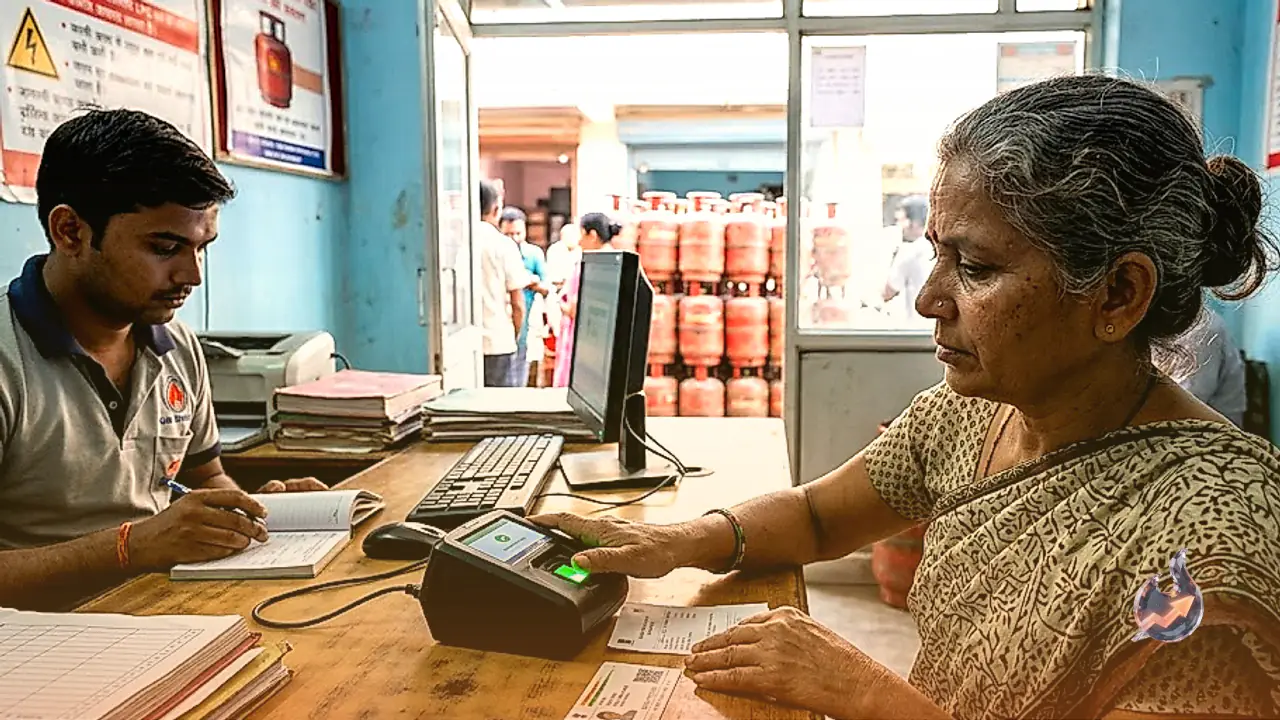

















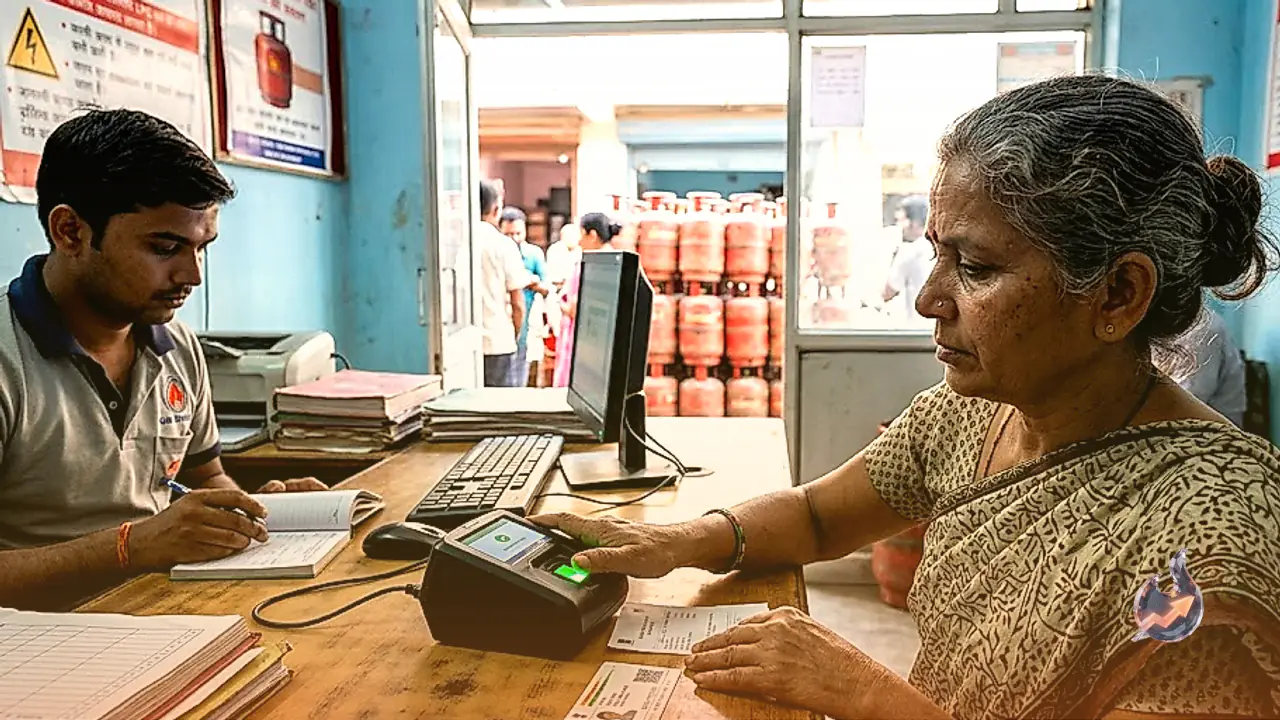

A series of recent administrative modifications governing the distribution of domestic cooking gas cylinders has triggered widespread operational concerns among households across the country. While authorities have introduced these procedural shifts to improve system transparency, the practical rollout has created significant obstacles for everyday consumers. The central friction point involves the directive requiring consumers to undergo biometric verification linked to their Aadhaar details at the time of placing a cylinder refill order. Faced with rising difficulties under this mechanism, affected citizens approached the Delhi High Court, prompting the judicial bench to admit the plea and formally solicit answers from the central government and state-run oil marketing enterprises.
Judicial Scrutiny of the October 1 Refill Directive
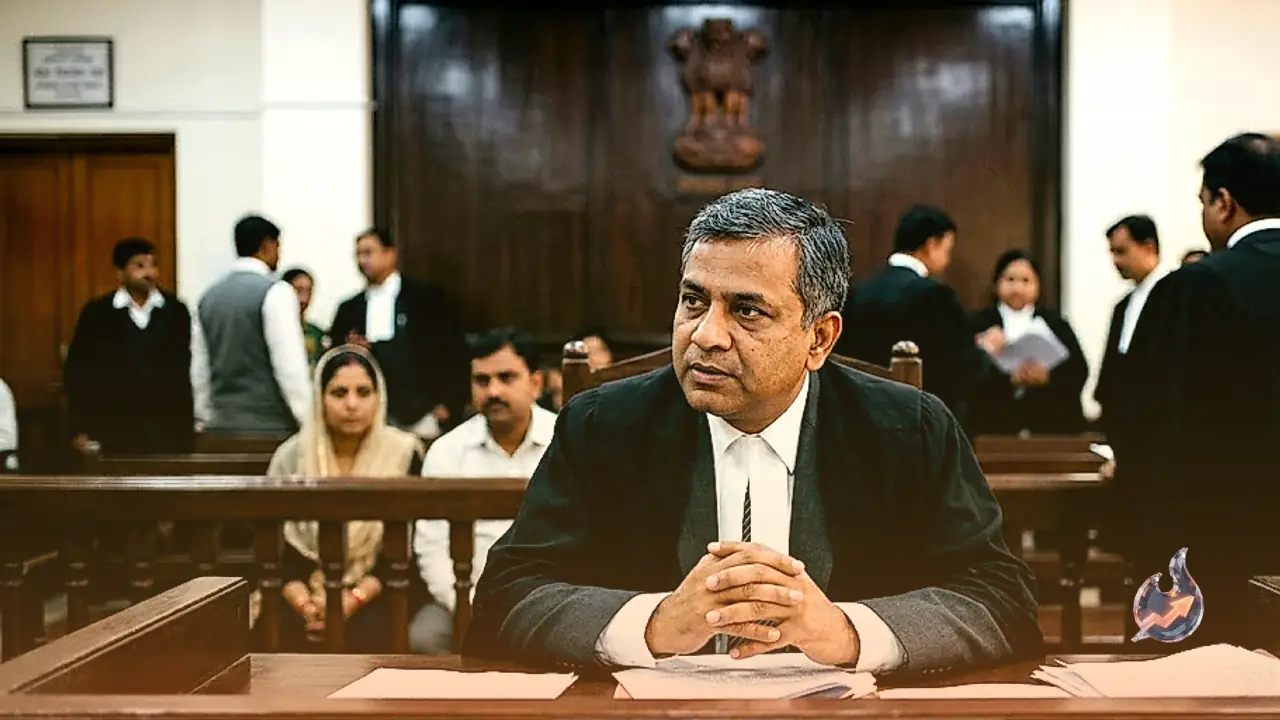
The legal challenge specifically targets the decision to make biometric Aadhaar authentication mandatory for LPG cylinder refills beginning October 1. A division bench comprising Chief Justice Devendra Kumar Upadhyaya and Justice Tejas Karia has formally initiated proceedings on the petition and scheduled the subsequent hearing for October 5. During the initial hearing, the bench observed that an unyielding biometric enforcement framework is capable of inflicting genuine hardship on specific segments of the population. The court underscored that a complete judicial assessment would follow once the official submissions from the Union government and the fuel distribution corporations are placed on record.
Disabilities, Alternative Cylinders, and Price Protections
Emphasizing the ground reality of access, the High Court observed that every individual in the country does not possess an Aadhaar card, yet their reliance on LPG fuel for daily cooking remains universal. The petition was brought before the court by Pulkit Luthra, who is 75 percent visually impaired. The petitioner pointed out that biometric authentication protocols, particularly iris scanning procedures, present immense physical barriers for persons with disabilities. The plea contends that offering unauthenticated consumers the choice to buy 5 kg or 10 kg cylinders at prevailing commercial market rates fails to address the injustice. Such a workaround effectively denies vulnerable consumers their rightful access to standard 14.2 kg domestic cylinders at regulated and subsidized government rates.
Authentication Roadblocks and the Search for Viable Alternatives
Under the mechanism put in place by oil marketing firms, an essential step in reserving an LPG cylinder requires inputting an OTP transmitted to the mobile phone number connected to the customer's Aadhaar account, without which the booking cannot proceed. This workflow creates an immediate roadblock for households lacking active Aadhaar credentials or encountering database mapping failures. Highlighting these systemic hurdles, the petitioner urged the court to establish protective safeguards. Consequently, the Delhi High Court has demanded that the administrative authorities and petroleum suppliers explain what supportive and alternative frameworks will be instituted to ensure domestic fuel supplies remain accessible to every consumer.