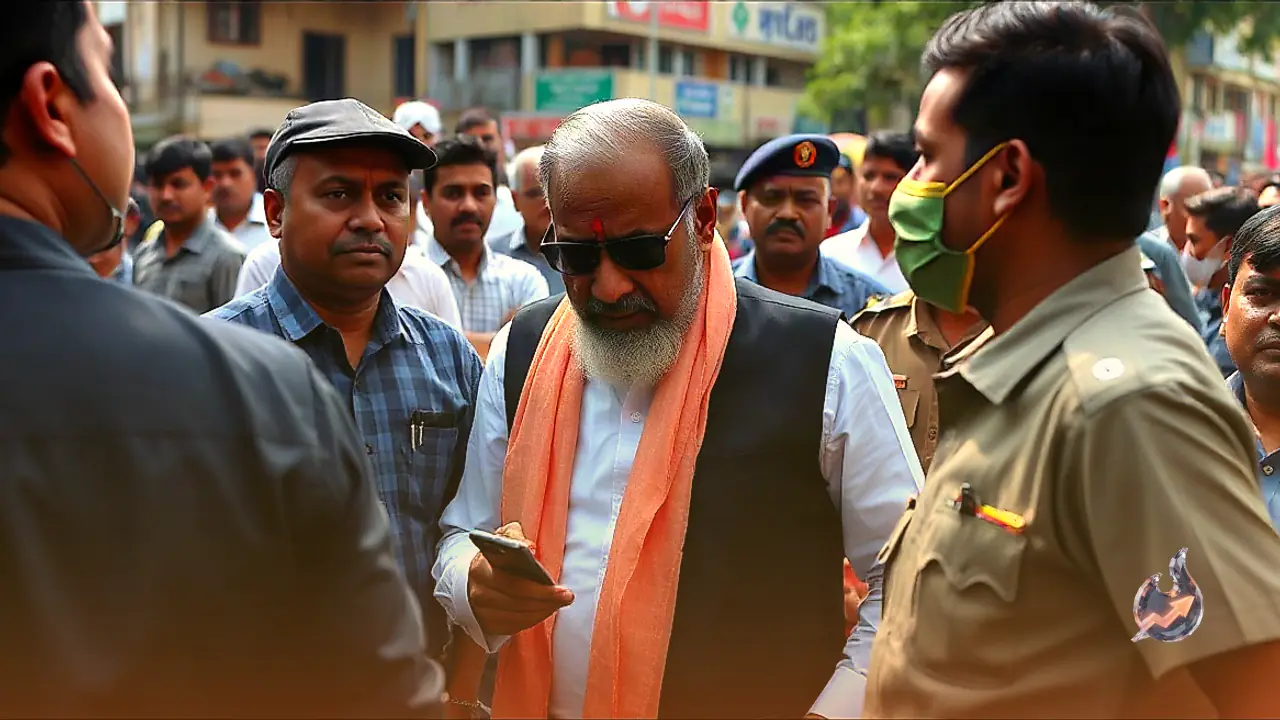
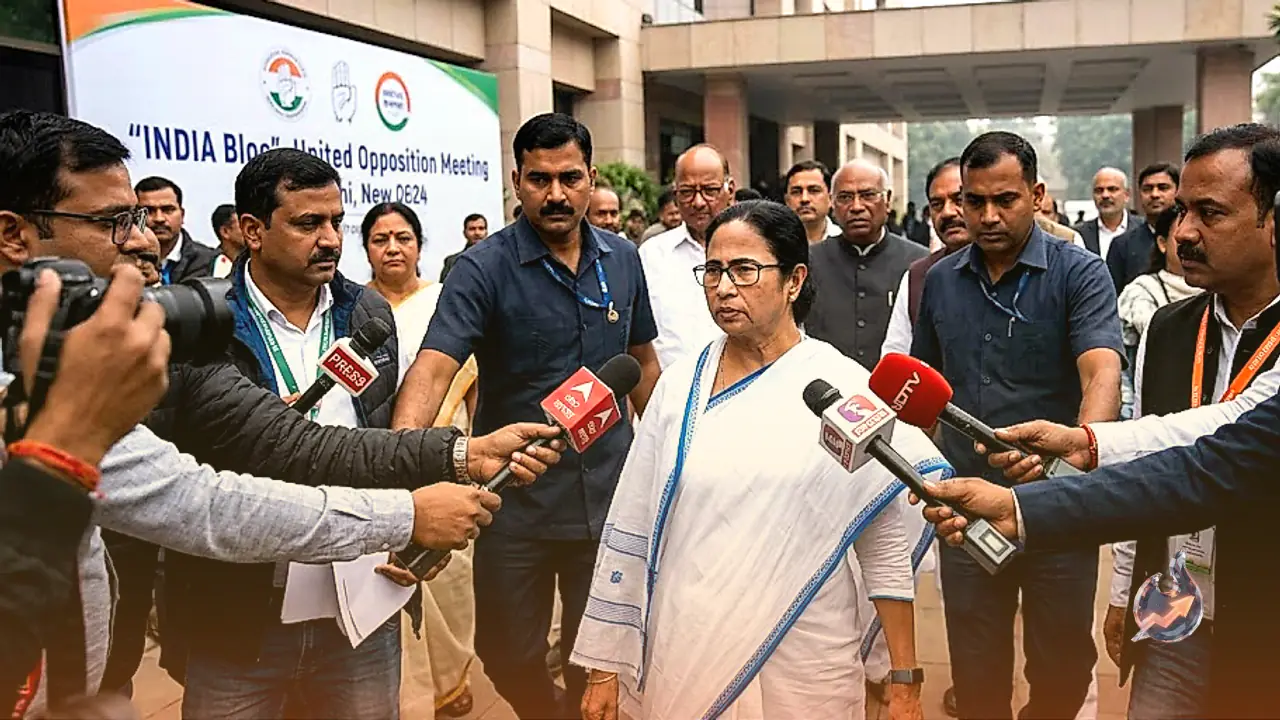
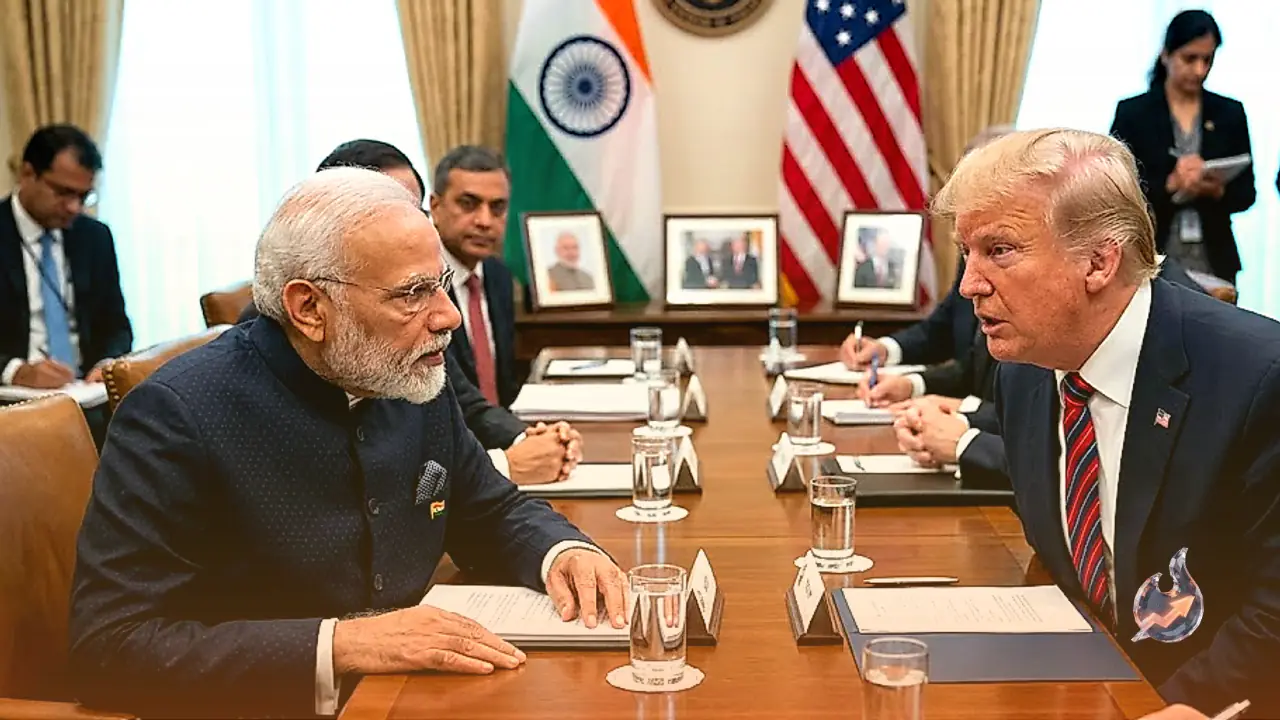














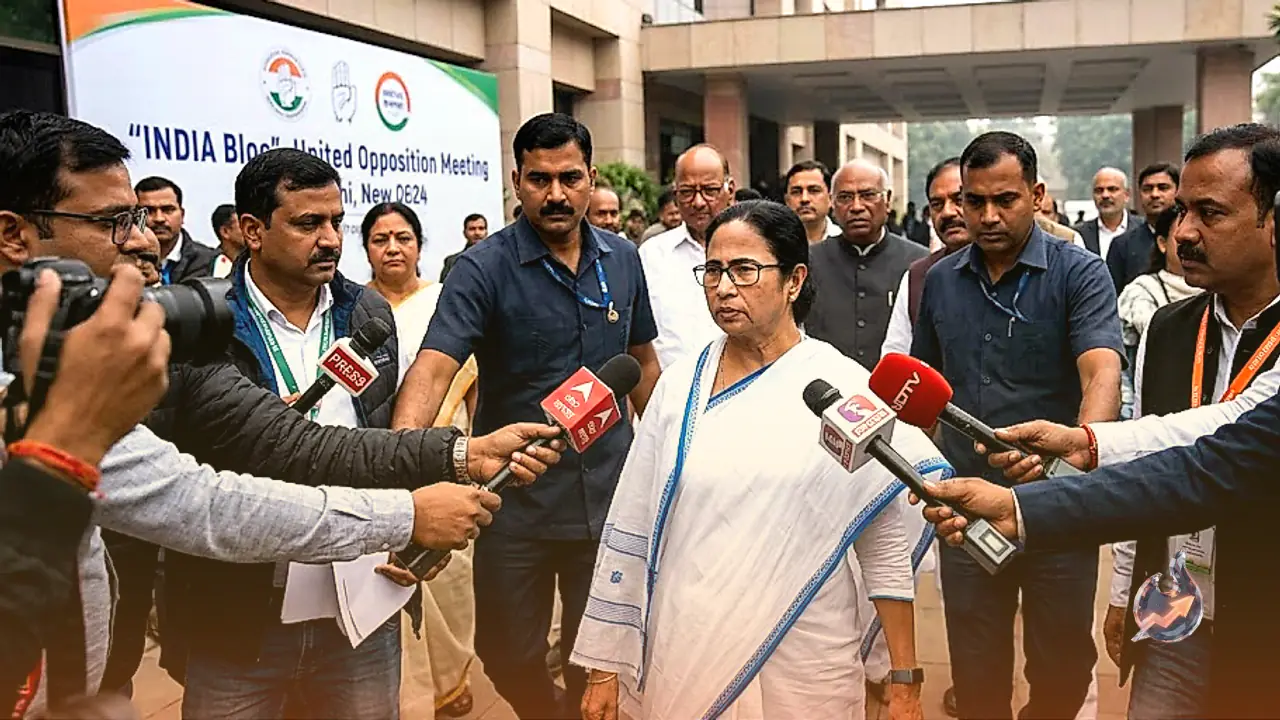

A high-level assembly of the opposition bloc held in the capital on Wednesday concluded with public displays of solidarity, yet underlying rivalries over future leadership quickly stole the spotlight. The principal agenda of the meeting centered on formulating a unified stance regarding the Election Commission and specific concerns surrounding the Chief Election Commissioner. However, the moment Trinamool Congress chief Mamata Banerjee exited the venue, direct questions from reporters regarding who would lead the opposition in the 2029 general election caused visible unease.
When reporters pointedly asked whether Rahul Gandhi would stand as the collective prime ministerial candidate in 2029 or whether she intended to take up that mantle herself, Banerjee entirely bypassed a substantive response. She initially deflected the query with a sharp remark, saying that the reporter might be the candidate, before stepping back from the topic and stating only that details would be shared at an upcoming press conference the following day. Her refusal to endorse Gandhi on the spot underscored the persisting absence of consensus within the bloc regarding top-tier leadership.
The Longstanding Impasse Over Coalition Leadership
Since the very inception of the opposition alliance, establishing an agreeable figurehead to take on the Bharatiya Janata Party and Narendra Modi has presented a persistent dilemma. The Congress has consistently promoted Rahul Gandhi as the natural representative and foremost voice of the collective opposition. In contrast, prominent regional powers such as the Trinamool Congress, Aam Aadmi Party, and Samajwadi Party have routinely hesitated to rally behind a single persona ahead of national contests.
On numerous earlier occasions, Banerjee maintained that constituent parties ought to contest elections collaboratively rather than pre-announcing a designated prime ministerial nominee. At an earlier stage, she had similarly shown reluctance toward viewing Rahul Gandhi as the designated leader of the opposition. As the Congress adopts a more assertive political posture alongside heightened visibility for Rahul Gandhi, the Trinamool Congress maintains a calculated distance, signaling that regional organizations remain wary of conceding organizational dominance to a single national partner.
Bharatiya Janata Party Launches Sharp Political Attack
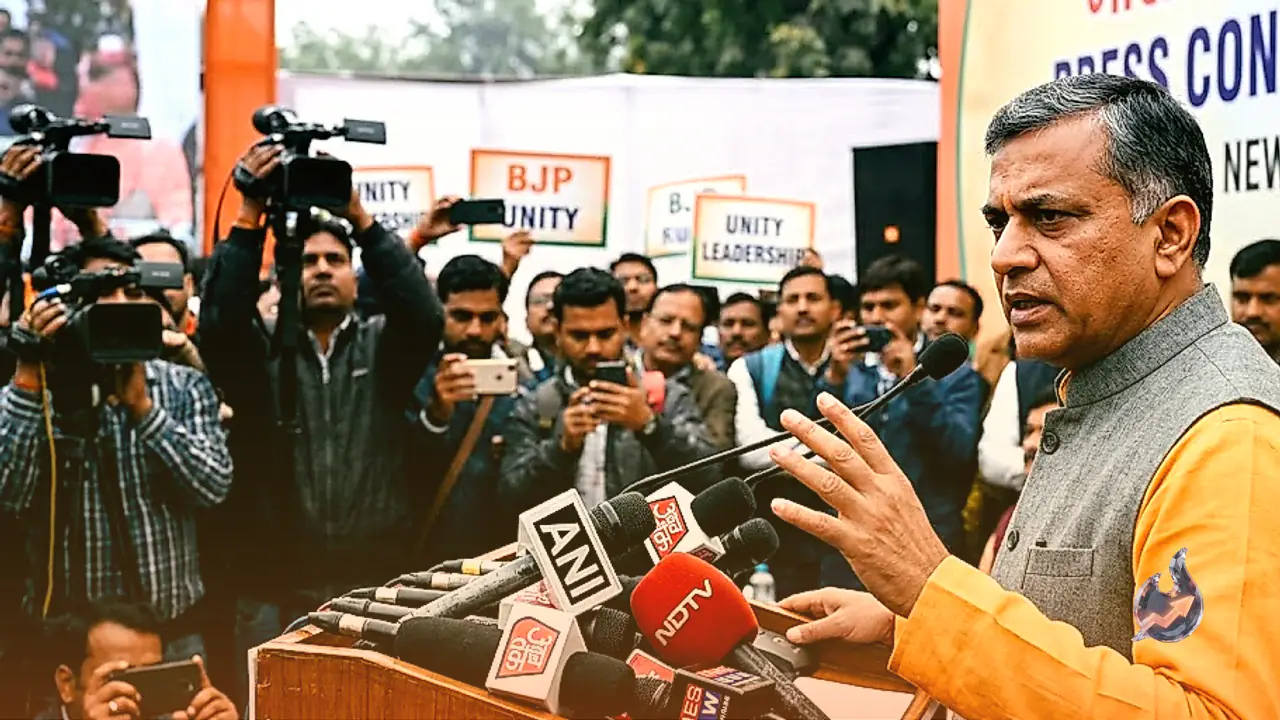
Seizing on the incident outside the meeting venue, the Bharatiya Janata Party launched a swift offensive against the coalition. Union Minister Shivraj Singh Chouhan remarked sarcastically that the alliance members themselves clearly refuse to embrace Rahul Gandhi as their undisputed national leader. He asserted that if partner parties display open reluctance to validate Gandhi's standing and resort to evasive silence when questioned, the broader electorate cannot be expected to place faith in such a formation. The party argued that the alliance continues to operate as a disjointed front devoid of a coherent policy or an agreed-upon helmsman.
Internal Rivalries Cloud Joint Mobilisation Plans
Despite the discord surrounding leadership, the attending parties did reach agreement on specific tactical programs, including a planned protest march to the Election Commission scheduled for October 6 alongside joint nation-wide demonstrations. Nevertheless, observers point out that the durability of the alliance hinges far more critically on resolving personal and political ambitions than on organizing temporary joint protests. Regional stalwarts contend that their deep local voter bases are the primary force capable of defeating the ruling party in the states, making any formal submission to centralized Congress dominance a strategic hazard for their regional authority. Banerjee's noncommittal posture makes it clear that the coalition must resolve deep internal frictions before formulating an effective roadmap for 2029.