
















Gorakhpur district in Uttar Pradesh has undertaken major civic infrastructure works aimed at enhancing urban drainage and wastewater management. Urban areas across the district have historically grappled with heavy waterlogging and inadequate sewer connectivity, prompting large-scale civic interventions centered on the Goddhoiya Nullah initiative. These infrastructure steps seek to furnish local residents with a modernized sanitation grid while curbing annual monsoon overflow.
Expansion of Goddhoiya Nullah and Sewerage Works
Addressing persistent civic drainage challenges, Phase 1 of the Goddhoiya Nullah project was formally inaugurated following an investment exceeding ₹495 crore. Alongside this milestone, an additional portfolio of civic works valued at over ₹880 crore was sanctioned to advance municipal sanitation. This expanded allocation covers the construction of Goddhoiya Nullah Phase-2 as well as the implementation of the Gorakhpur Sewerage Scheme Zone A-3. Once operational, these extensive drainage networks are expected to resolve prolonged stagnation issues across key residential zones.
Statements from Chief Minister Yogi Adityanath
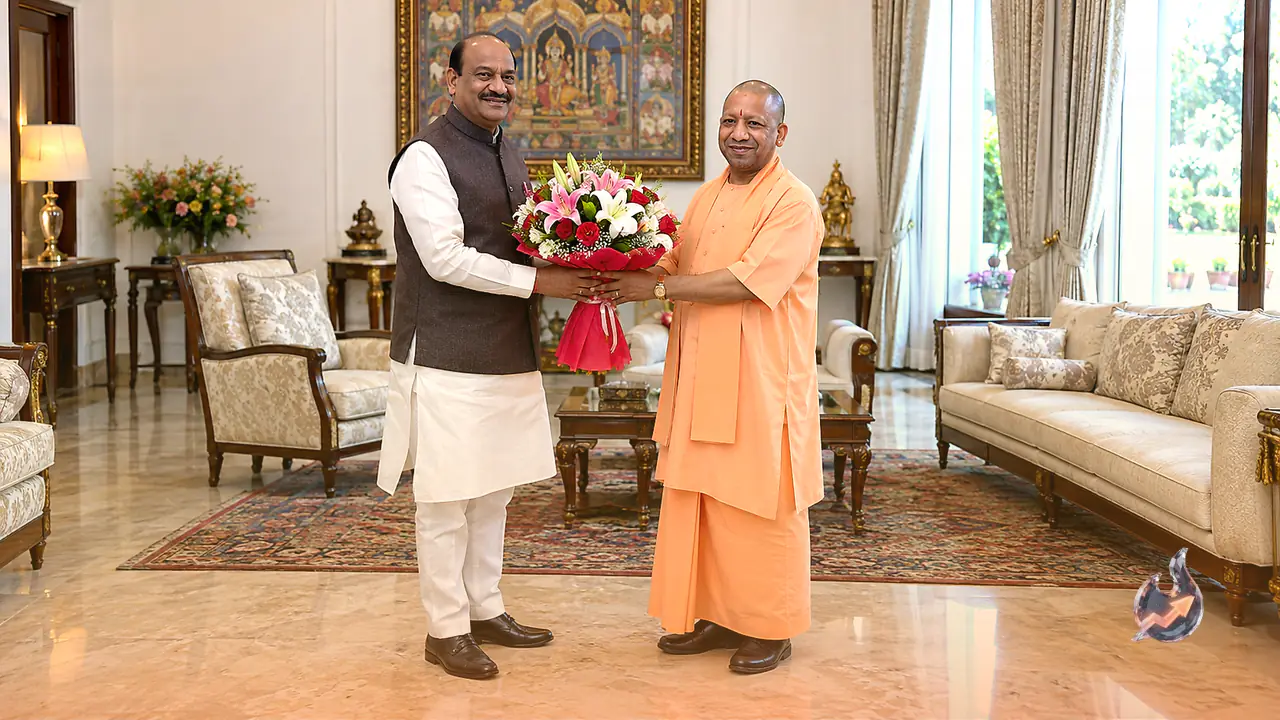
Highlighting the state administration's governance agenda, Chief Minister Yogi Adityanath remarked that the state's contemporary trajectory is defined by a focus on security, sanitation, and sustained development. He noted that comprehensive municipal initiatives are accelerating regional growth and elevating baseline living conditions. Furthermore, during administrative reviews concerning public gatherings and festival periods, he placed special emphasis on stringent cleanliness, heightened vigilance, and systematic security protocols to preserve civil order.
Political Discourse and Criticism of the Opposition
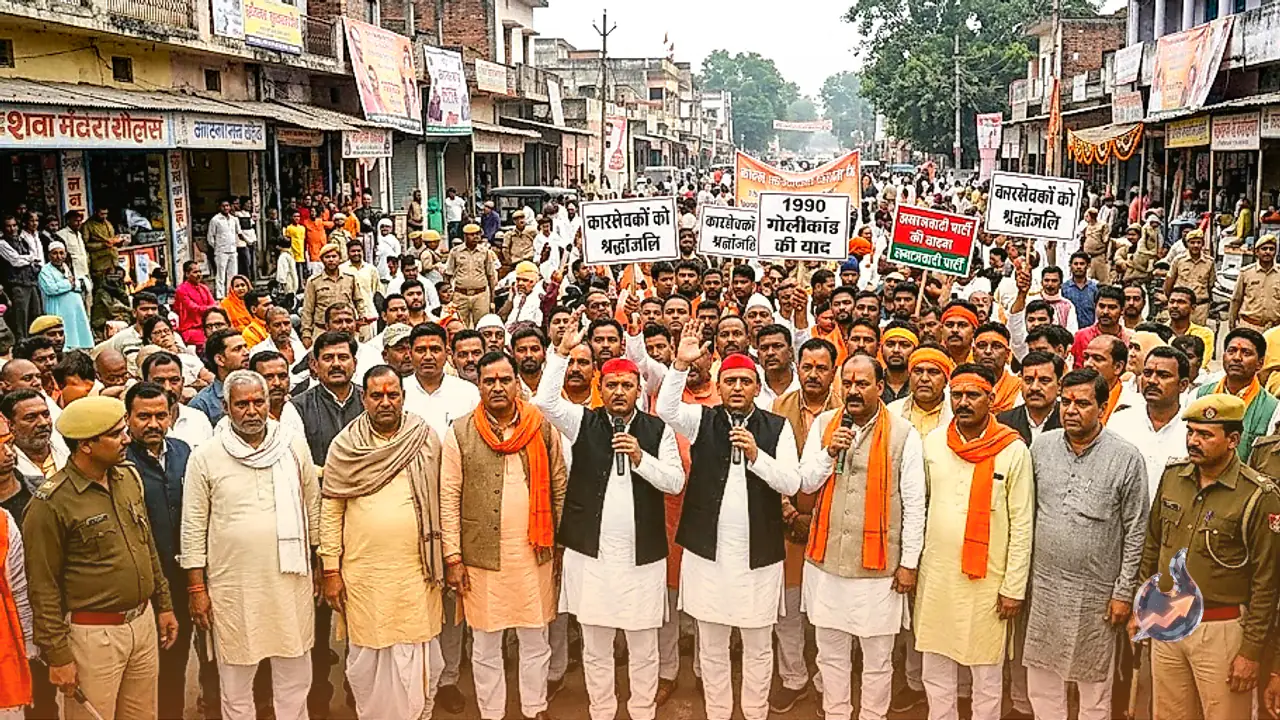
The inauguration of these urban initiatives also served as a backdrop for sharp political commentary. Presenting the governance record before the public, Chief Minister Yogi Adityanath targeted the Samajwadi Party, characterizing it as an organization aligned with mafia elements. He contrasted earlier governance practices with the current administrative framework, asserting that transparent resource deployment has enabled direct public funding to reach vital structural projects rather than illicit channels.
About Uttar Pradesh
Uttar Pradesh stands as the most populous state in India and ranks fourth nationwide in terms of geographic area. Lucknow serves as its administrative and legislative capital, whereas Prayagraj functions as its judicial headquarters. Other prominent urban hubs within the state include Gorakhpur, Varanasi, Agra, and Kanpur. Geographically, it shares borders with Uttarakhand, Himachal Pradesh, and the nation of Nepal to the north, Haryana, Delhi, and Rajasthan to the west, Madhya Pradesh and Chhattisgarh to the south, and Bihar and Jharkhand to the east.
Public Reaction
The announcement of these civic allocations drew diverse viewpoints from citizens across digital channels. While many residents welcomed the intervention as a vital boost for city infrastructure and flood prevention, others voiced concerns regarding deteriorating road conditions in adjacent areas and urged stricter accountability in local execution.