
















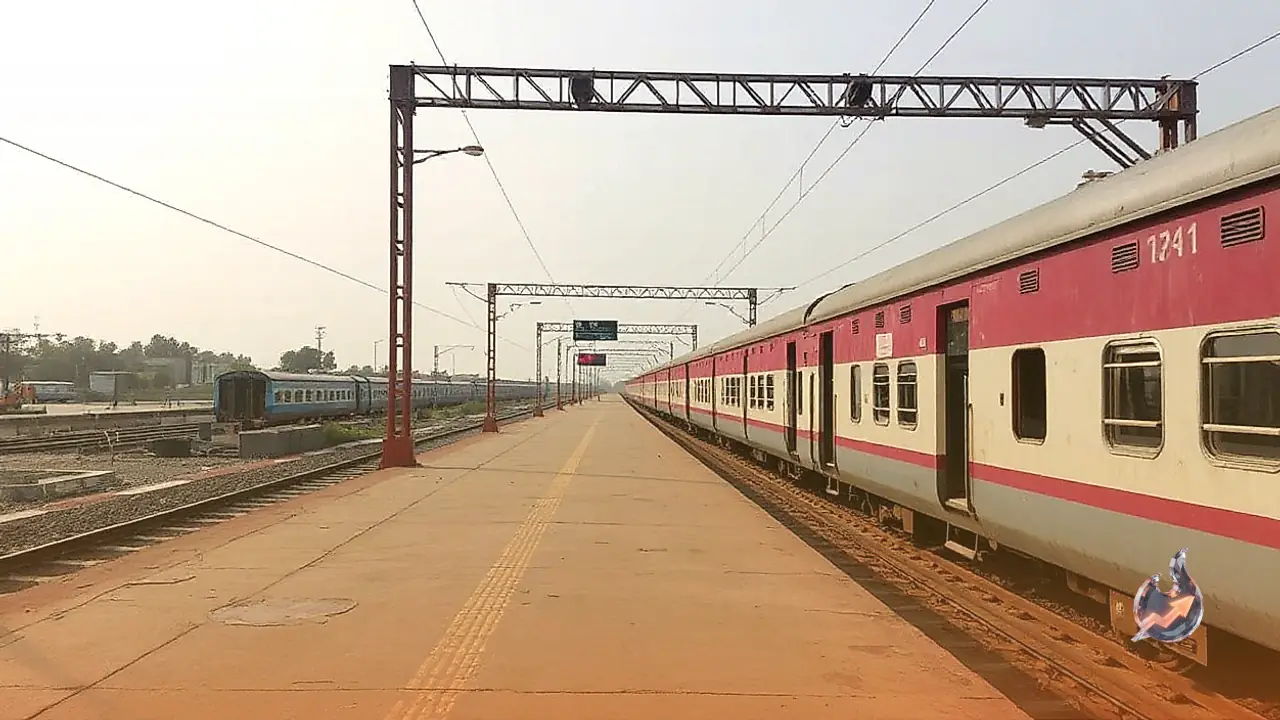

A large-scale overhaul of railway infrastructure is reshaping transit hubs across Uttar Pradesh, with 157 stations selected for comprehensive modernization. The extensive upgrade aims to offer passengers advanced amenities, improved hygiene standards, and smoother travel experiences across high-density routes. While work across several key hubs has already reached completion, construction and technological integration continue steadily at the remaining locations.
Statement by Yogi Adityanath
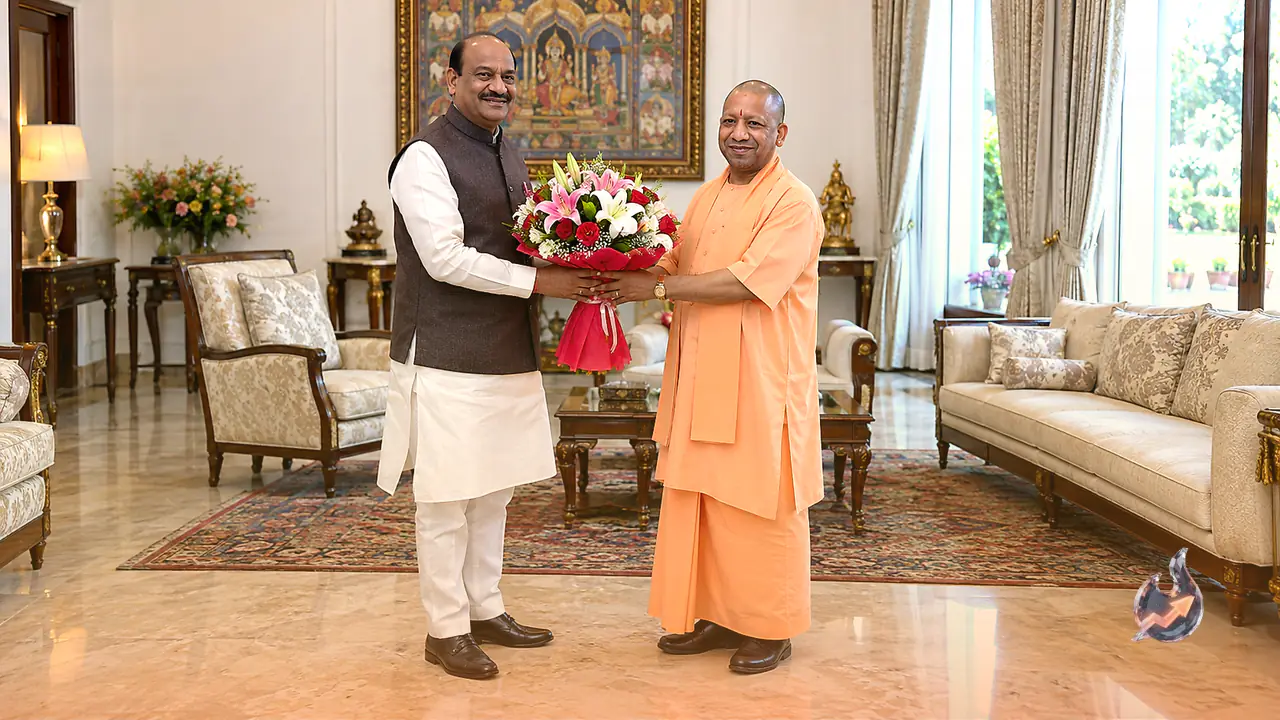
Addressing the infrastructure push, Yogi Adityanath wrote on X that 157 railway stations in Uttar Pradesh have adopted modern facilities. He pointed out that both station premises and train coaches now maintain high standards of cleanliness and hygiene. He emphasized that such systemic turnarounds become possible only when backed by strong determination, honest intent, and transparent policies.
Amrit Bharat Scheme and Network Expansion
On a national scale, the Amrit Bharat Station Scheme covers 1,337 railway stations, with Uttar Pradesh accounting for 157 of them. Upgrades have already concluded at 22 stations within the state. Major urban centers such as Ghaziabad and Meerut are being developed into high-tech railway hubs. A milestone was reached when 103 completed stations, including Siddharthnagar, were inaugurated by Narendra Modi on May 22. The virtual inauguration of the refurbished Karchana railway station in Prayagraj was also carried out by Narendra Modi. Additionally, route development efforts include the doubling of the dedicated corridor between Prayagraj and Ayodhya to bring transit time down to just three hours, backed by targeted allocations in the railway budget.
About Uttar Pradesh
Uttar Pradesh is the most populous state in India and ranks fourth in geographical area across the country. Lucknow serves as its administrative and legislative capital, while Prayagraj stands as the judicial capital. Other prominent cities across the state include Agra, Kanpur, Varanasi, and Gorakhpur. The state shares domestic boundaries with Uttarakhand and Himachal Pradesh to the north, Haryana, Delhi, and Rajasthan to the west, Madhya Pradesh and Chhattisgarh to the south, and Bihar and Jharkhand to the east, alongside an international border with Nepal to the north.
Public Reaction
Citizen responses to the update reflected diverse perspectives. While many observers welcomed the noticeable upgrades in coach cleanliness and station platforms, others voiced concerns regarding project supervision and stressed the need for balanced development across regional transport networks.