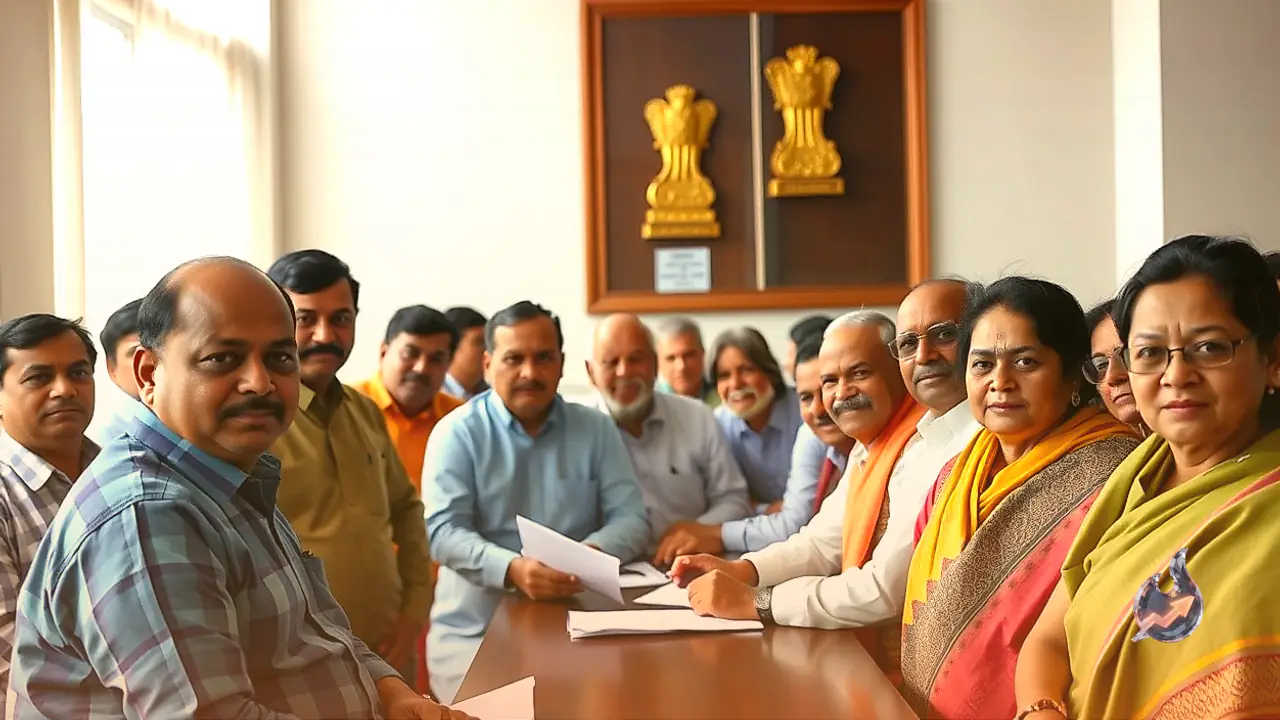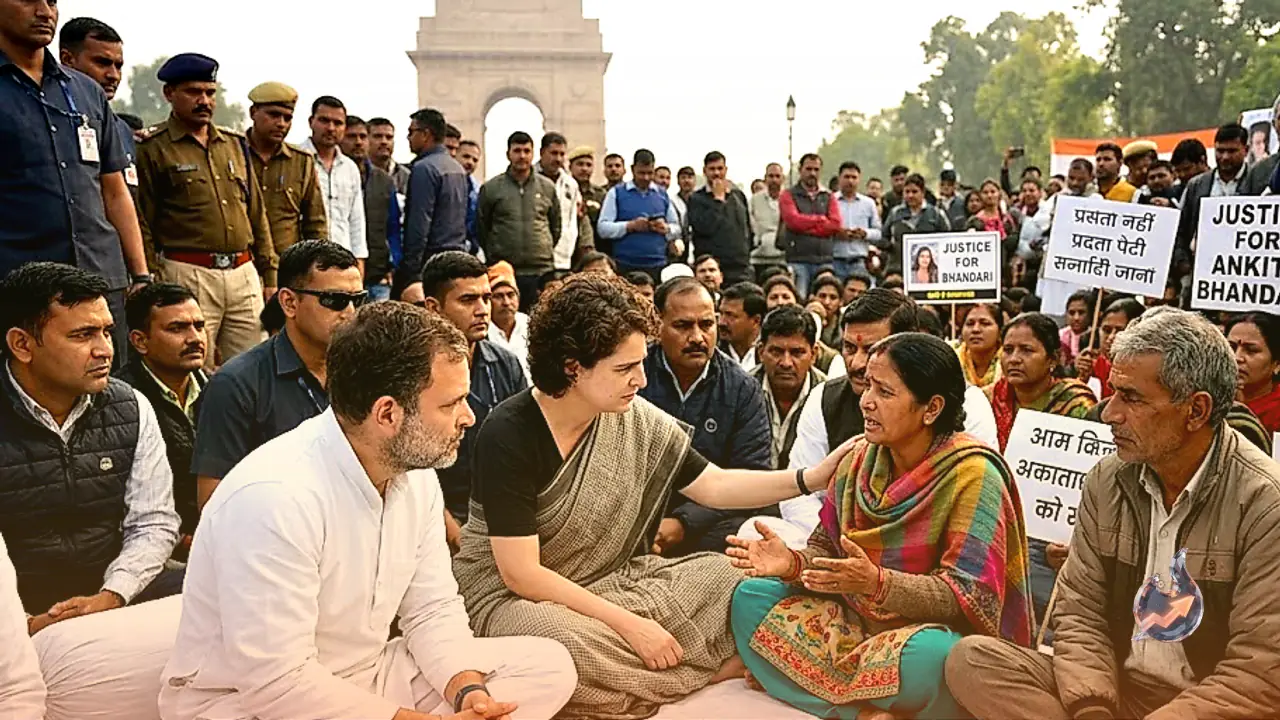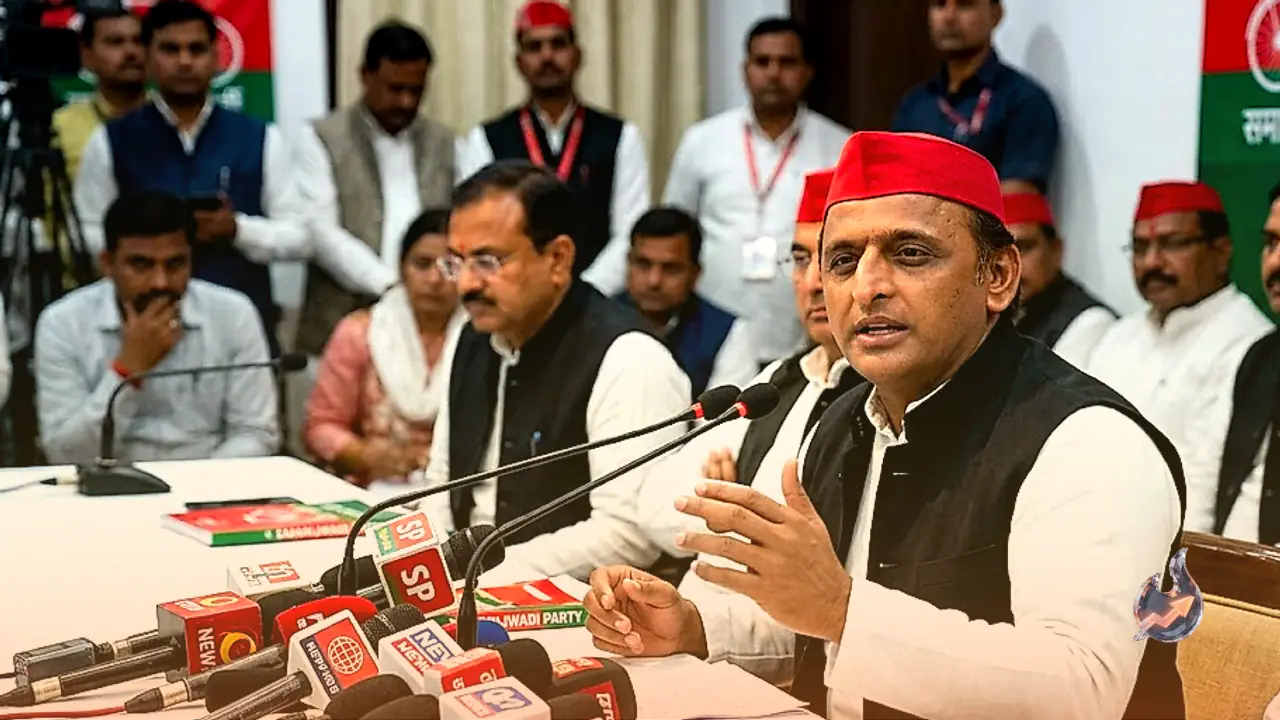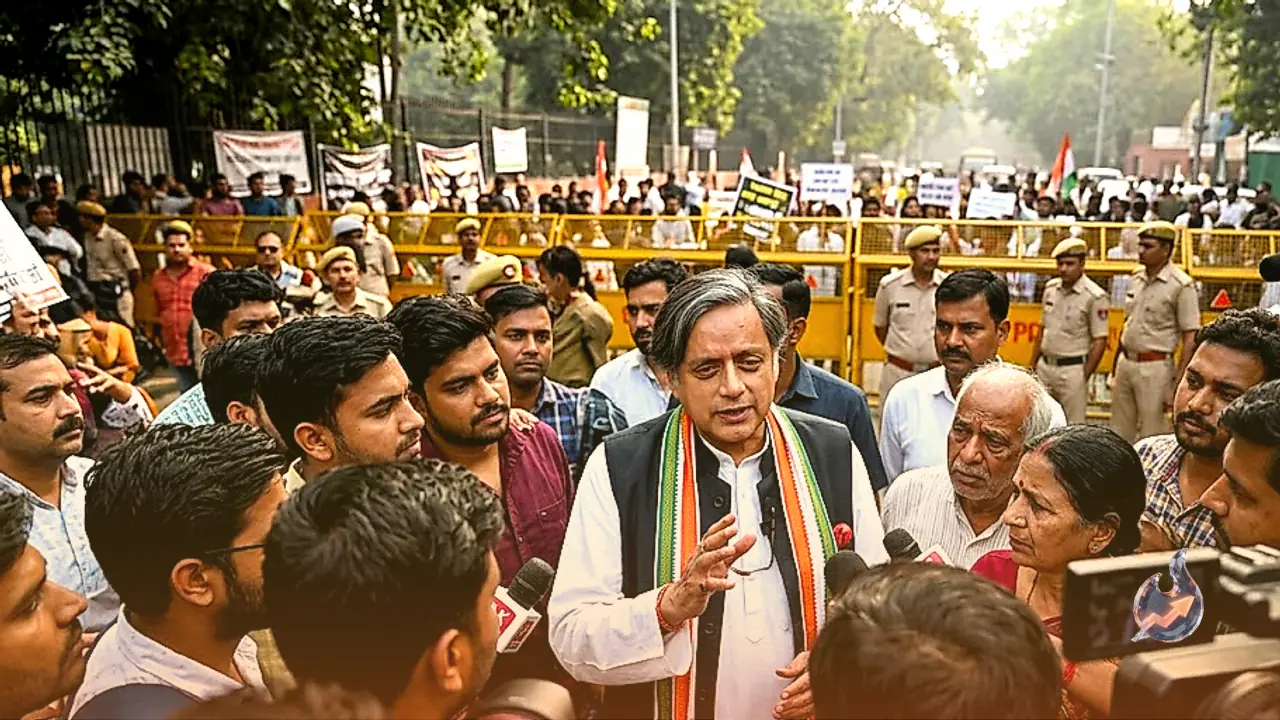

The detention of citizens demonstrating peacefully alongside the parents of Ankita Bhandari at Delhi's prominent protest site, Jantar Mantar, has triggered strong political reactions. Citizens holding the national tricolour and seeking accountability found themselves subjected to police intervention, sparking widespread criticism from opposition leaders. The administrative action against the grieving family and civil demonstrators has reignited national debates regarding civil liberties and the protection of the right to dissent.
Police Intervention at Jantar Mantar
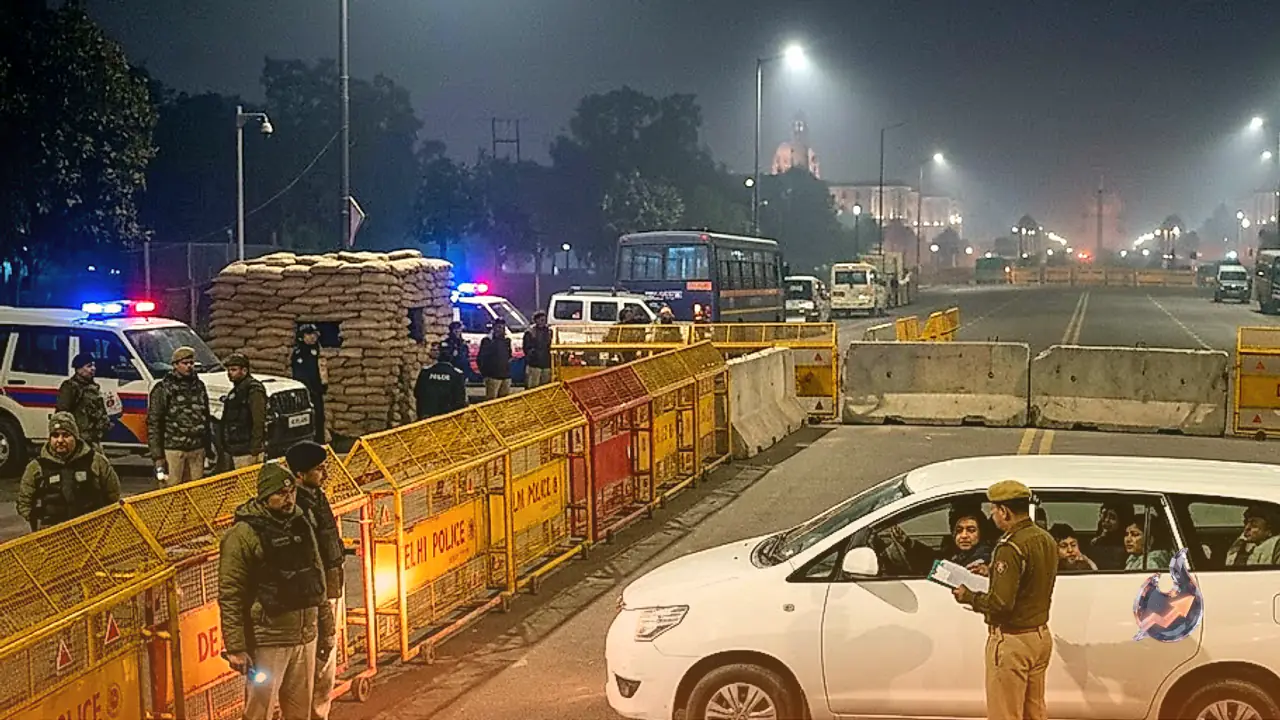
The situation escalated when authorities intervened to halt the assembly of demonstrators who had gathered at Jantar Mantar to demand justice in the Ankita Bhandari case. Demonstrators maintained that their gathering was entirely non-violent, aimed solely at exercising their democratic freedoms under the national flag. Security personnel on the ground cited compliance with venue regulations and administrative protocols to restrict the assembly, subsequently placing several participants, including Bhandari's parents, into custody. The move resulted in immediate friction at the venue and amplified scrutiny over how public protests are managed in the capital.
What Shashi Tharoor Said
Weighing in on the incident, Shashi Tharoor publicly challenged the stance taken by the authorities. Tharoor questioned whether the government had completely discarded its duty of accountability by turning to detention to silence those who seek transparency. He pointed out that young citizens at Jantar Mantar were merely exercising their constitutional right to peaceful demonstration while carrying the national flag, only to be met with official action instead of a constructive hearing.
Accountability and Democratic Rights
The pursuit of justice by Ankita Bhandari's family has remained a matter of intense public concern, drawing regular engagement from civil society and student groups. Observers note that when victims and peaceful demonstrators face administrative detention at a designated site of assembly, it raises broader questions about state tolerance for critical voices. Critics argue that public institutions must maintain open avenues for redress and accountability rather than adopting restrictive measures that curb civic expression.
Public Reaction
The development elicited varied responses from the public across political divides. While many individuals defended the fundamental right to assemble and condemned the detention of grieving parents, others raised procedural arguments regarding protest clearances and questioned the political motives behind sustaining demonstrations at regulated public sites.