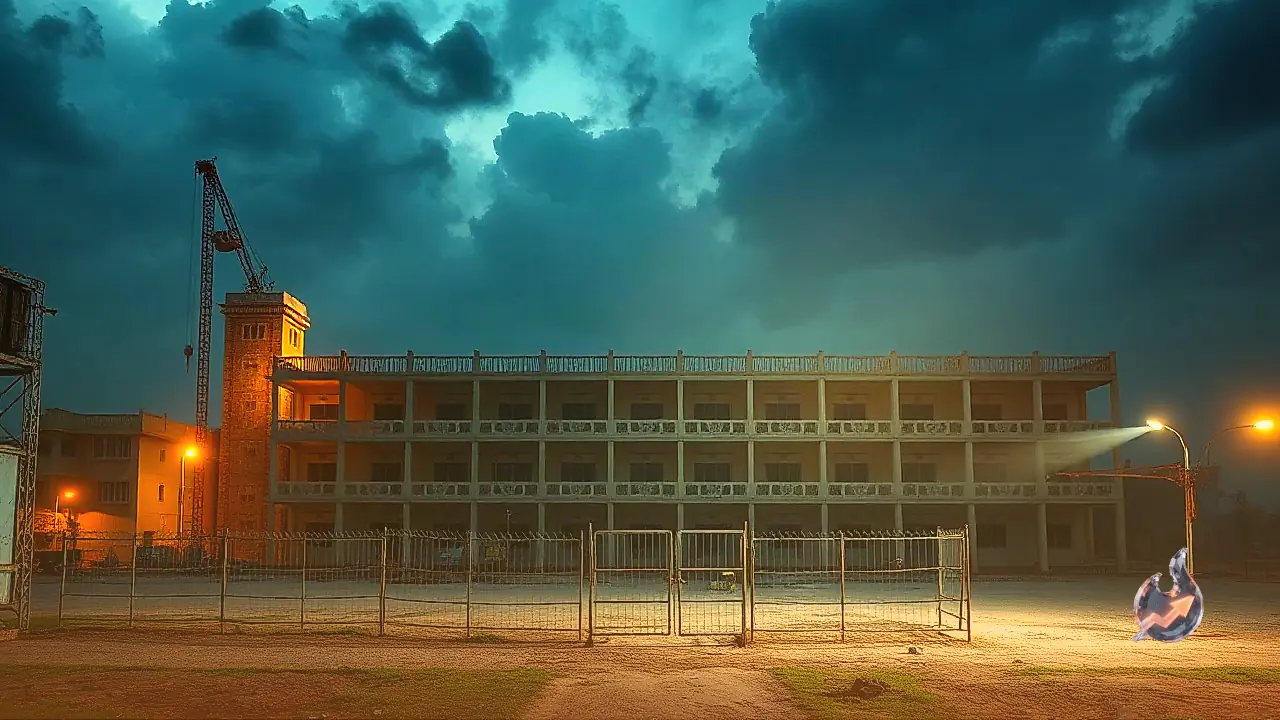






















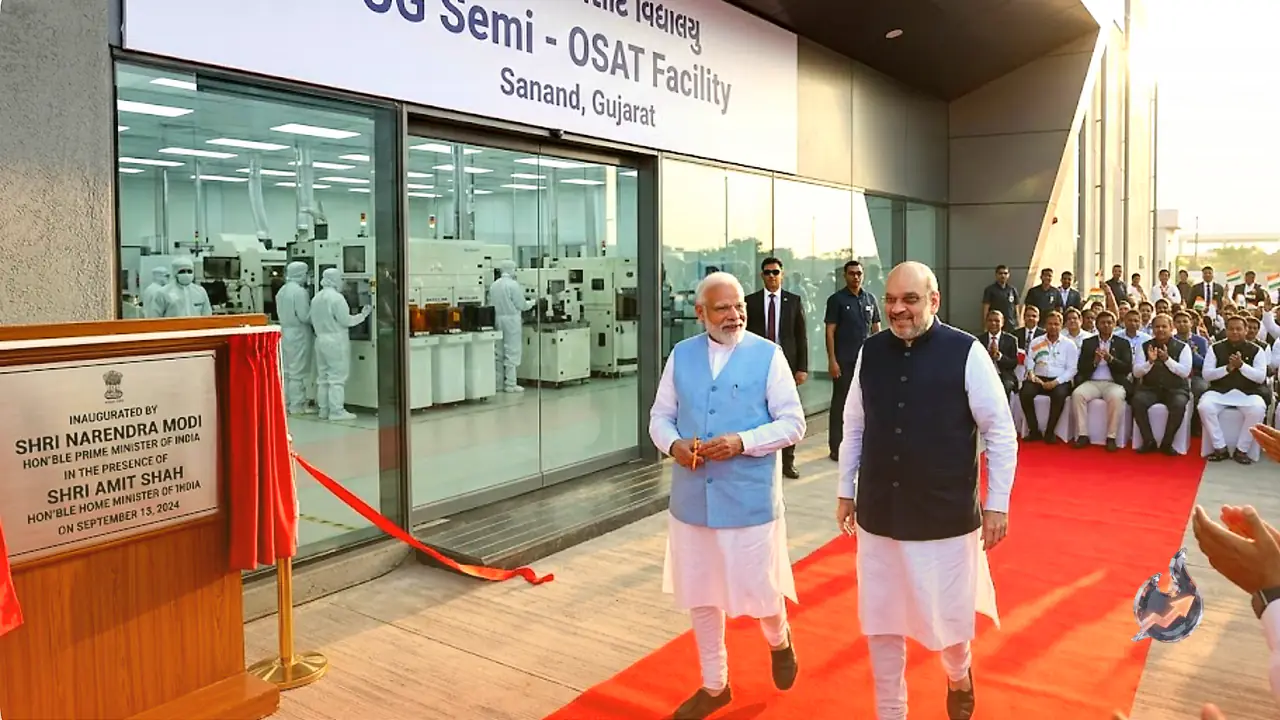

Prime Minister Narendra Modi inaugurated a new CG Semi OSAT semiconductor facility in Sanand, Gujarat, and Union Home Minister Amit Shah called it a new milestone in India's journey as a technology powerhouse. Shah posted on social media that this marks a new leap towards self-reliance in technology, and that the facility will further strengthen Gujarat's role as one of India's growth engines.
What CG Semi's OSAT facility does
OSAT, or Outsourced Semiconductor Assembly and Test, refers to the stage of chipmaking where semiconductors are packaged and tested. India has so far depended heavily on facilities abroad for this step, and the new Sanand plant is part of the effort to reduce that dependence.
Sanand's growing semiconductor footprint
Sanand had already been in the news a few months earlier when it was described as the site of a new era in India's semiconductor journey, following an earlier plant announcement there. That has steadily turned Gujarat into one of the country's semiconductor hubs.
Other recent steps in the chip sector
In Bengaluru, Union Minister Ashwini Vaishnaw recently inaugurated a new office for chip design company Arm, saying the unit would play an important role in India's semiconductor journey. Separately, Prime Minister Modi described the HCL-Foxconn joint venture's OSAT unit as a big leap for chip self-reliance. India's own 32-bit processor, Vikram, has also been cited as another example of progress towards semiconductor self-reliance. STPI recently marked its 35th foundation day by organising Tech Summit 2026, where AI, semiconductors and startups were highlighted as the pillars of India's next technology leap.
Self-reliance push extends to defence and nuclear power
The self-reliance drive is not limited to chips. Prime Minister Modi has praised India's defence achievements over the last 12 years. DRDO has developed indigenous GaN, or Gallium Nitride, radar technology, putting India among the select group of nations with sovereign AESA radar capability. The Prototype Fast Breeder Reactor at Kalpakkam has also attained criticality, adding another milestone to India's nuclear programme. To push self-reliance in defence further, the government plans to spend Rs 65,400 crore on fighter jet engines, with a target of achieving self-sufficiency by 2035. CM Fadnavis had earlier described 4G technology as another leap towards a developed India.
Public reaction
Reactions to Amit Shah's post were mixed. Several users praised the Sanand facility and India's semiconductor progress as a win for Make in India, while others used the moment to raise unrelated concerns and questions directed at the government.