





















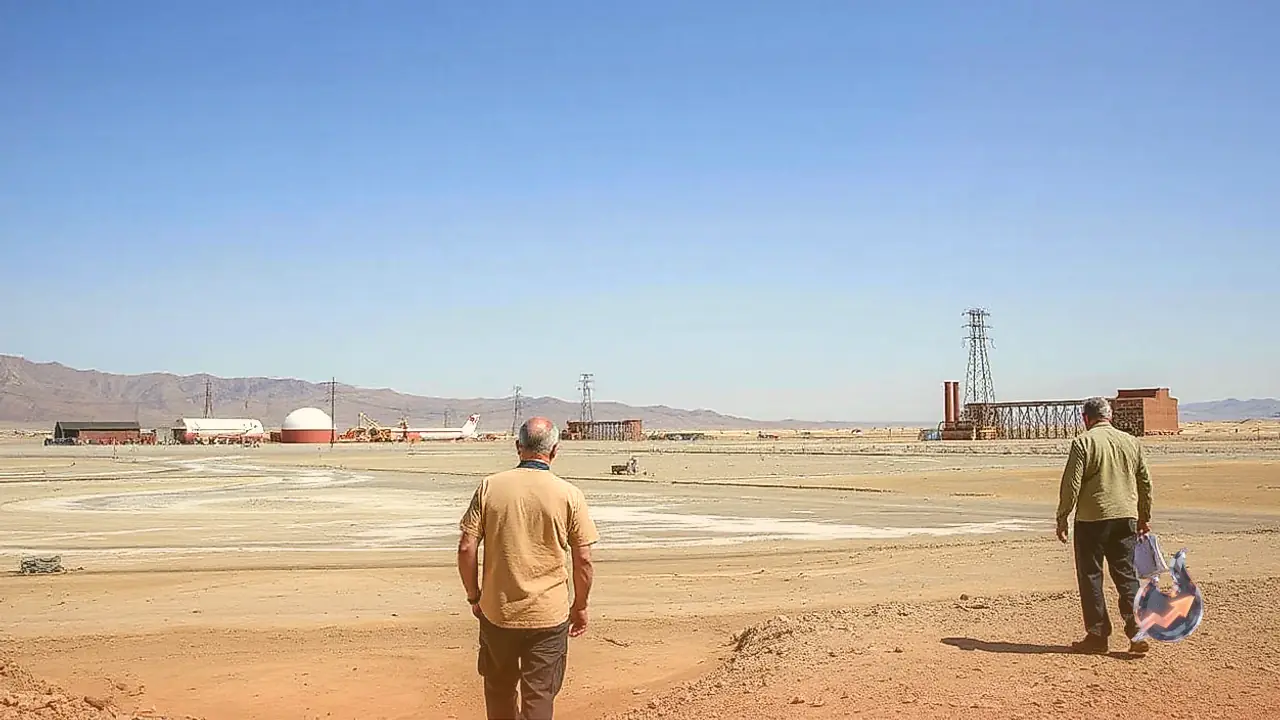

A renewed focus has emerged on India's strategic self-reliance in handling critical minerals essential for emerging technologies. Resources such as lithium, nickel, and cobalt form the bedrock of electric vehicle battery ecosystems, modern consumer electronics, and sensitive defense manufacturing. Establishing domestic refining and chemical processing capacities is increasingly seen as vital for insulating national supply chains from external vulnerabilities.
What Narendra Modi stated on social media
Sharing his perspective on social media platform X, Narendra Modi questioned whether India should continue to rely on other nations for processing key minerals vital to the nation's future. Addressing the issue directly, he stated that he certainly does not support remaining dependent on foreign processing ecosystems.
He pointed out that elements including lithium, nickel, and cobalt remain indispensable for electric vehicles, energy storage batteries, electronics, and defense equipment. Despite their critical importance, significant dependency persists on importing these minerals in their refined and processed forms. The message underscored the urgency of scaling domestic processing infrastructure to support future technological requirements.
Strategic significance of processing capacity
Industrial demand for processed lithium, nickel, and cobalt has surged alongside the worldwide shift toward electric mobility and renewable energy storage. Beyond batteries, these materials are integral components in cutting-edge communications, computing hardware, and defense hardware. Relying entirely on raw exports or processed imports leaves industries exposed to overseas market fluctuations, making local value addition a central priority for long-term supply resilience.
Public reaction
The post drew widespread engagement across digital platforms, reflecting diverse public viewpoints. Many citizens welcomed the stance as an essential step toward industrial self-sufficiency, while others questioned the pace of ground implementation and urged prompt policy execution to build operational refining facilities.