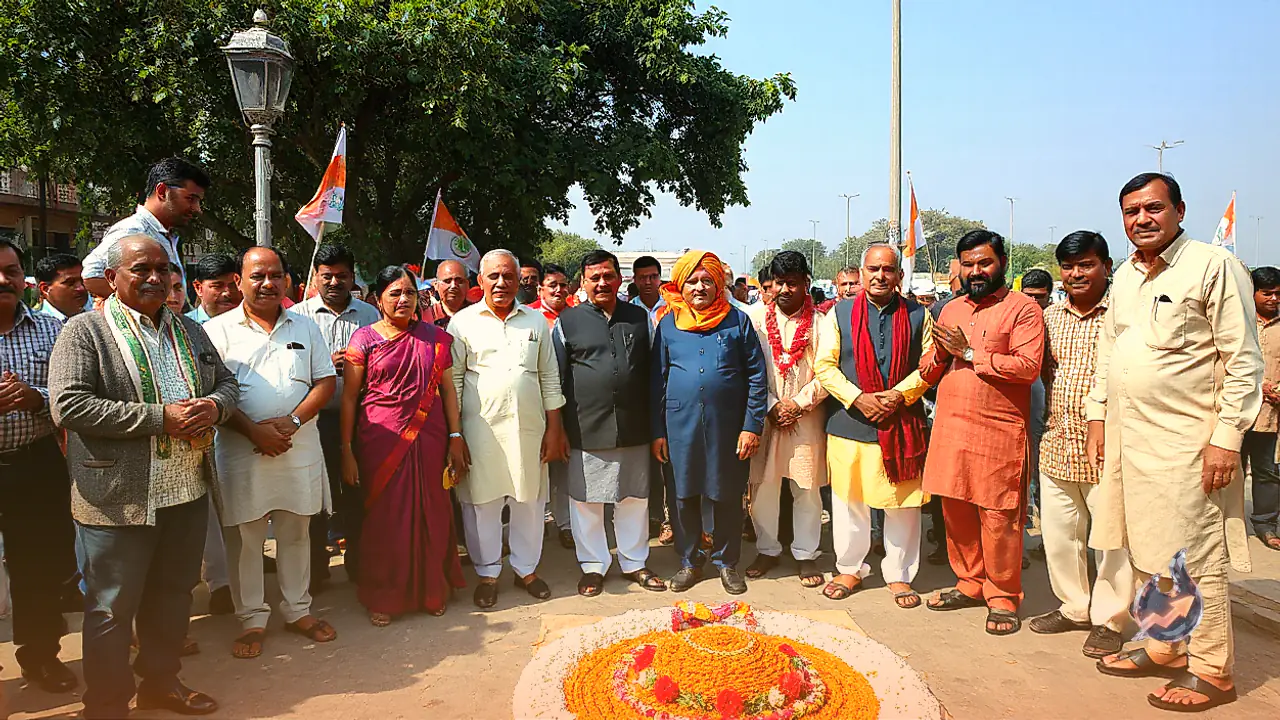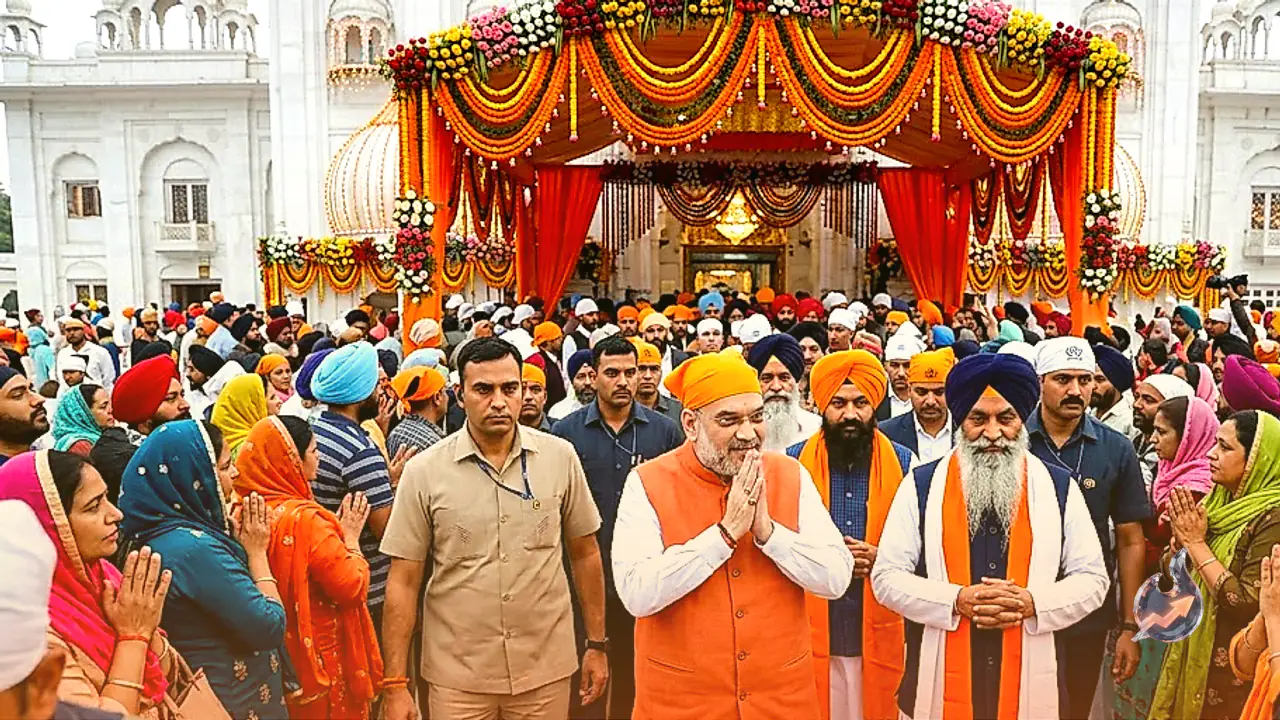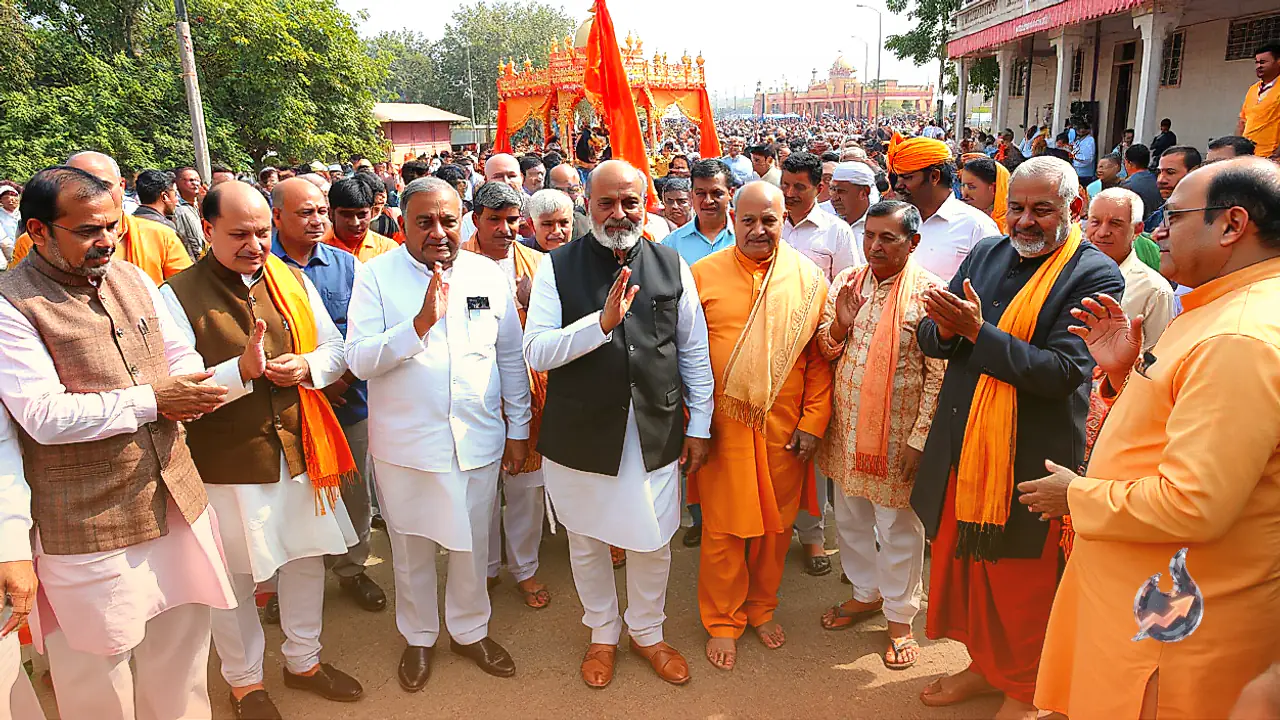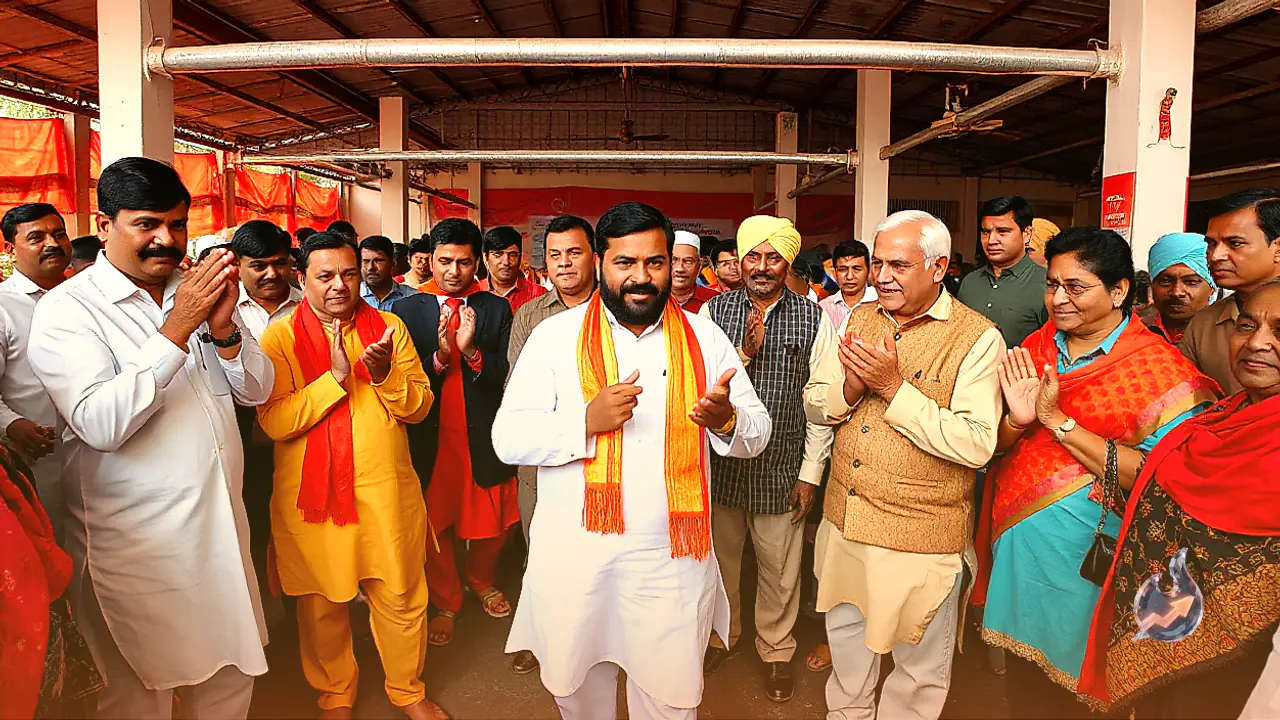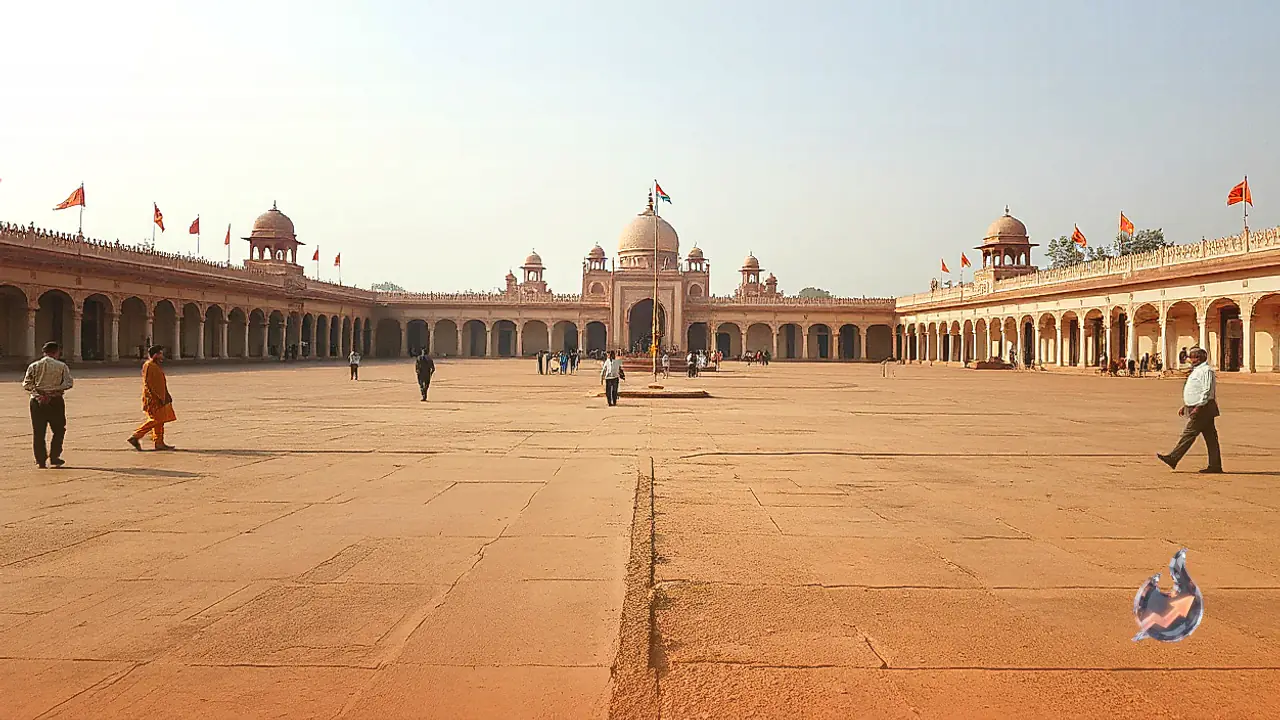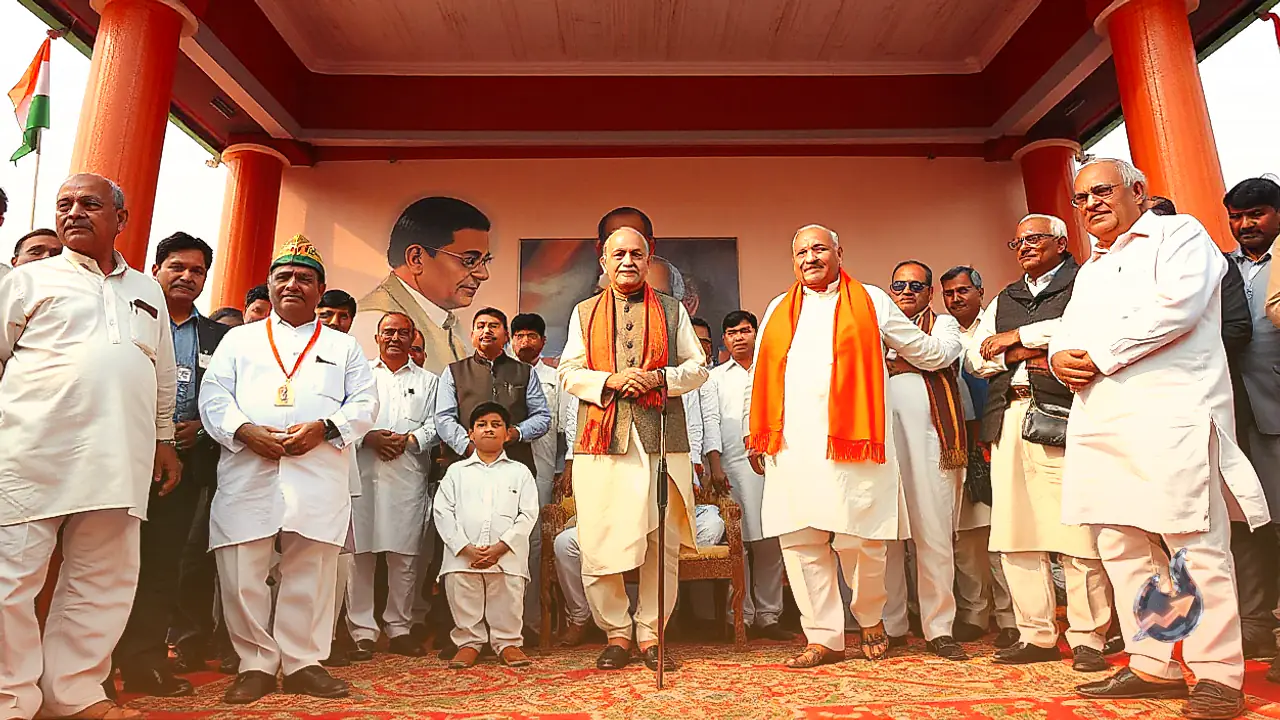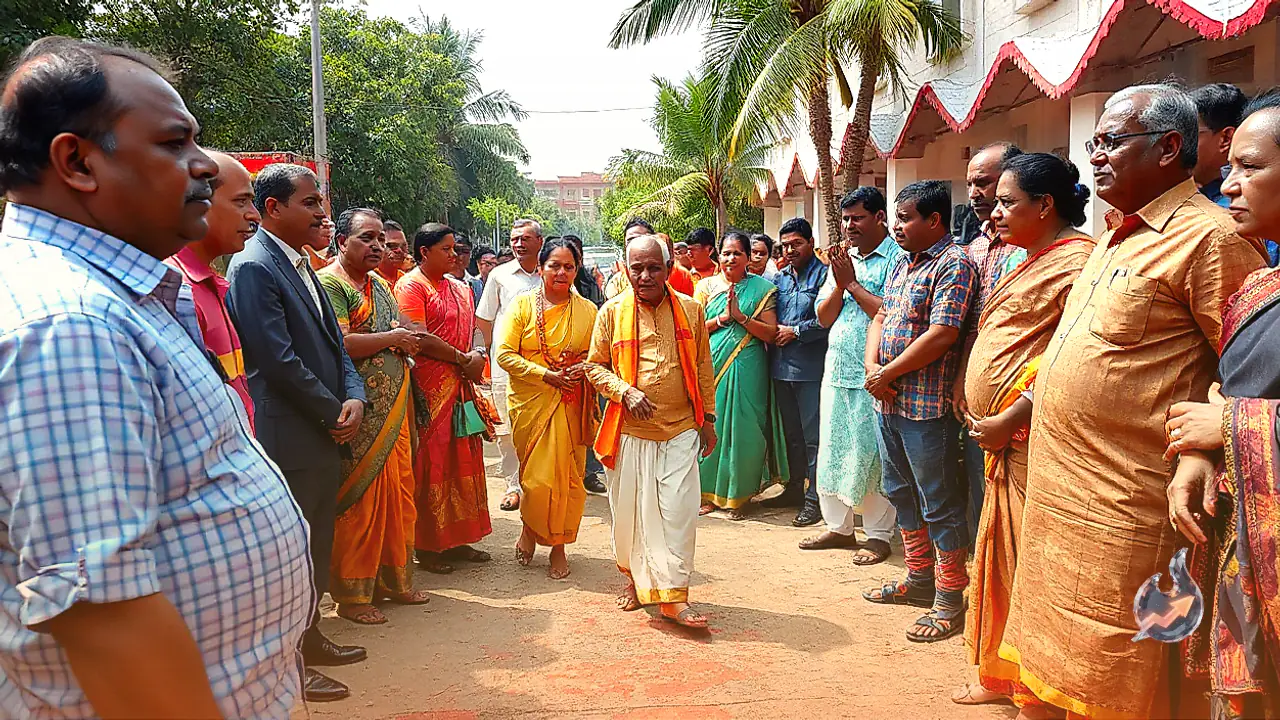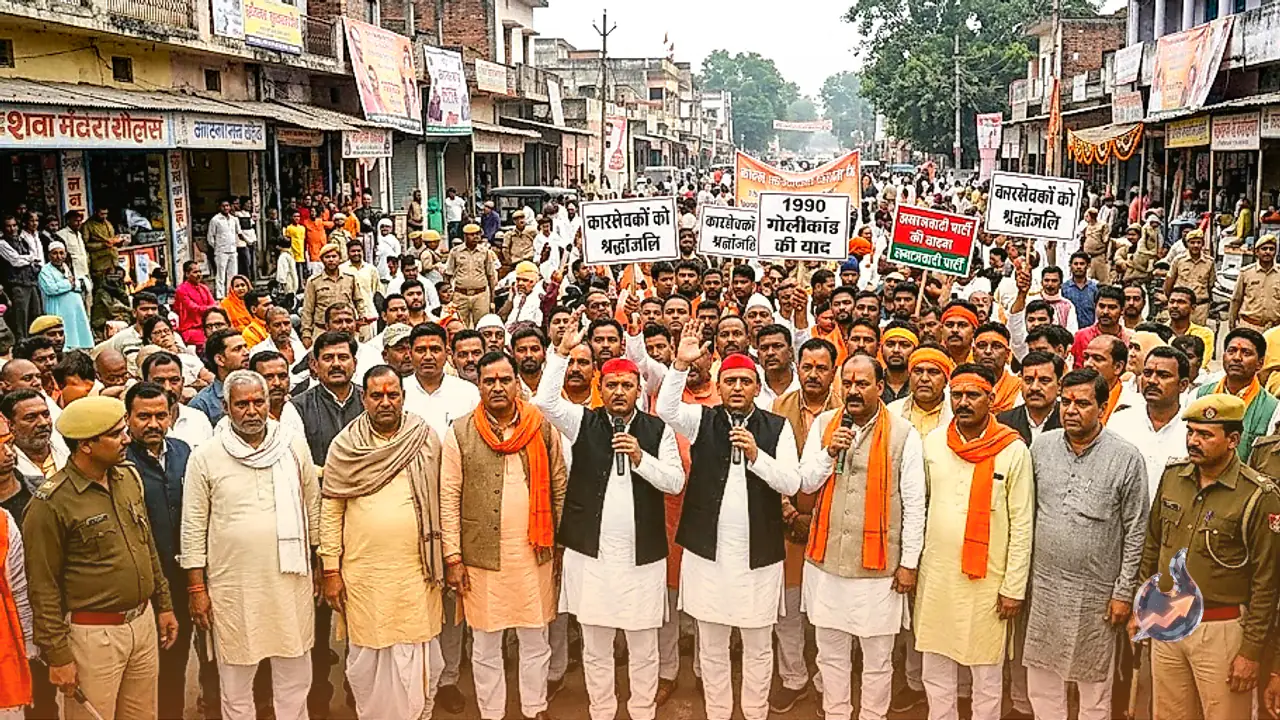



















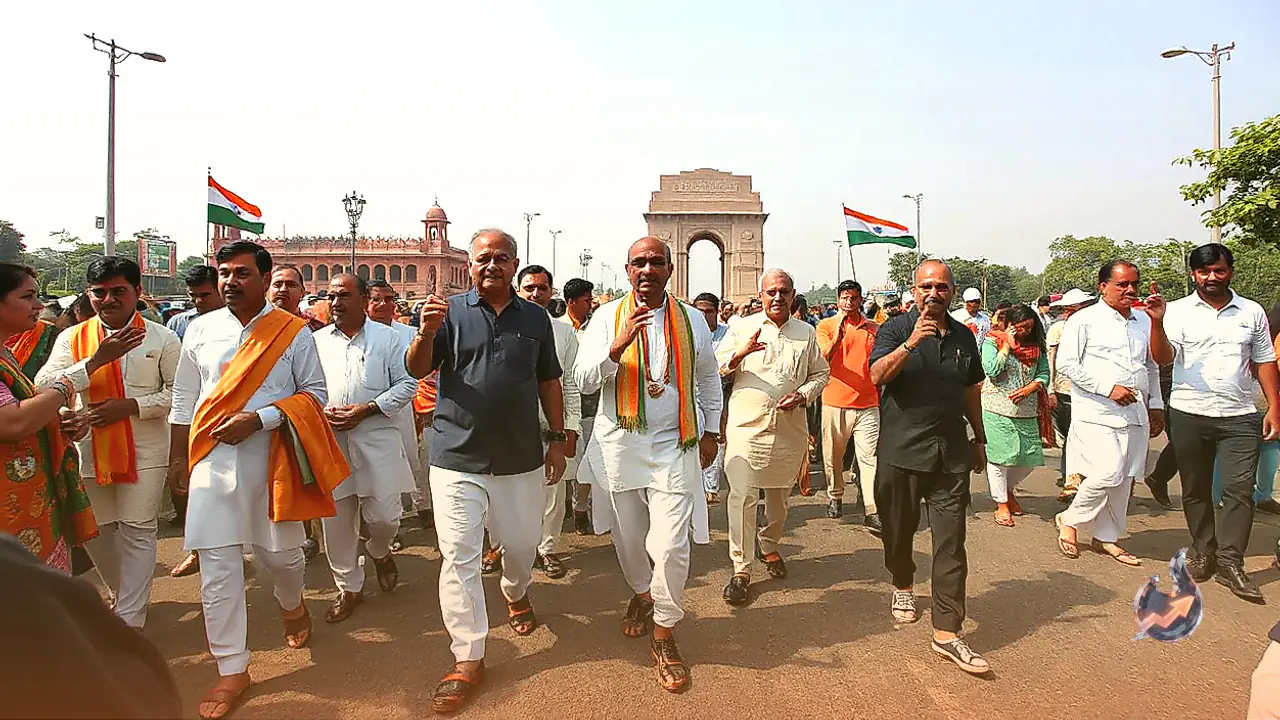

India observed National Unity Day to commemorate the birth anniversary of the Iron Man of India, Sardar Vallabhbhai Patel. The centerpiece of the celebrations was organized in New Delhi, bringing together citizens, public officials, and security personnel to honor the leader who unified the nation immediately after independence. The landmark gathering focused on reinforcing the bonds of national integration, sovereign strength, and communal harmony across the country.
Run for Unity Flagged Off in New Delhi
During the special ceremony held in the national capital, Union Home Minister Amit Shah administered a collective oath of unity and integrity to thousands of participants before flagging off the annual Run for Unity. The event witnessed enthusiastic participation from youths, sports enthusiasts, and administrative dignitaries marching together to symbolize an undivided, resolute nation. Participants took a solemn vow to preserve the internal security, geographic coherence, and collective identity that Sardar Patel painstakingly established.
What Amit Shah Said on Patel's National Contribution
Highlighting the monumental legacy of India's foundational architect, Amit Shah stated that Sardar Patel worked tirelessly to achieve the geographical, political, and cultural integration of the country. He emphasized that October 31 serves as an enduring reminder for every citizen to subordinate personal and parochial differences to the overarching ideal of national integrity. Patel's steadfast leadership, moral clarity, and resolute administration transformed an empire partitioned into hundreds of princely entities into a single, cohesive constitutional republic.
About Sardar Vallabhbhai Patel
Vallabhbhai Jhaverbhai Patel was a pioneering freedom fighter, distinguished barrister, and preeminent statesman popularly revered as Sardar Patel, where the title Sardar signifies leader or chief. As independent India's first Deputy Prime Minister and first Home Minister, he guided the young country through the immediate turmoil of the 1947 India-Pakistan conflict. Operating as a stalwart leader within the Indian National Congress during the independence struggle, his enduring historical triumph was the diplomatic, strategic, and peaceful merger of diverse princely states into the sovereign Union of India. Patel is also celebrated as the patron saint of India's civil services for laying down the structural framework of the modern all-India administrative apparatus.
Nationwide Commemorations and Tributes
Commemorative events were organized across several states in alignment with national celebrations. Marking Sardar Patel's milestone 150th birth anniversary commemorations, the President and Vice President paid rich tributes to the statesman's enduring role in nation building. Regional marathons and youth rallies took place in various state capitals, including Ranchi. Previously, an 11-foot-tall bronze statue of Sardar Vallabhbhai Patel was unveiled in Jodhpur, Rajasthan, by Union Home and Cooperation Minister Amit Shah, reflecting an ongoing national initiative to institutionalize his historic contributions for future generations.
Public Reaction
The public response across social media platforms reflected widespread admiration for Sardar Patel's decisiveness and singular commitment to unifying India's fragmented territories. While many citizens echoed patriotic tributes honoring the architect of modern India, other observers commented on the current political environment, debating how genuine communal harmony and diversity should be protected in contemporary society.