


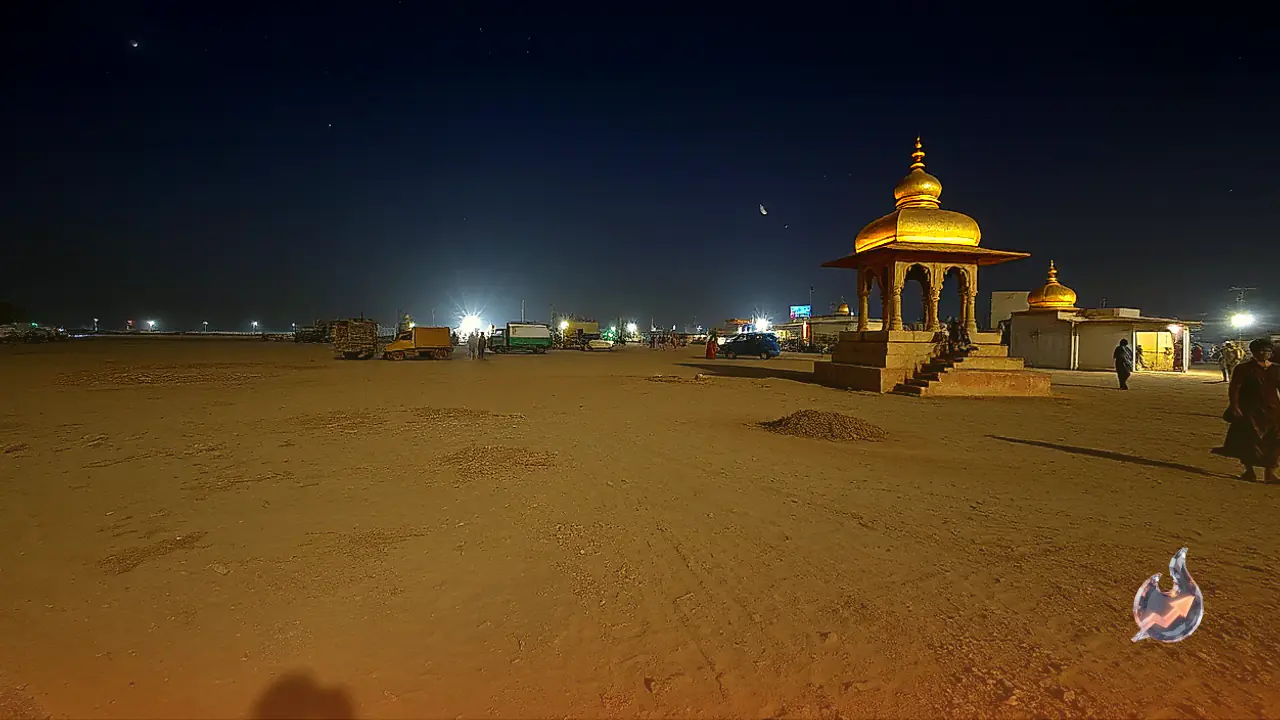














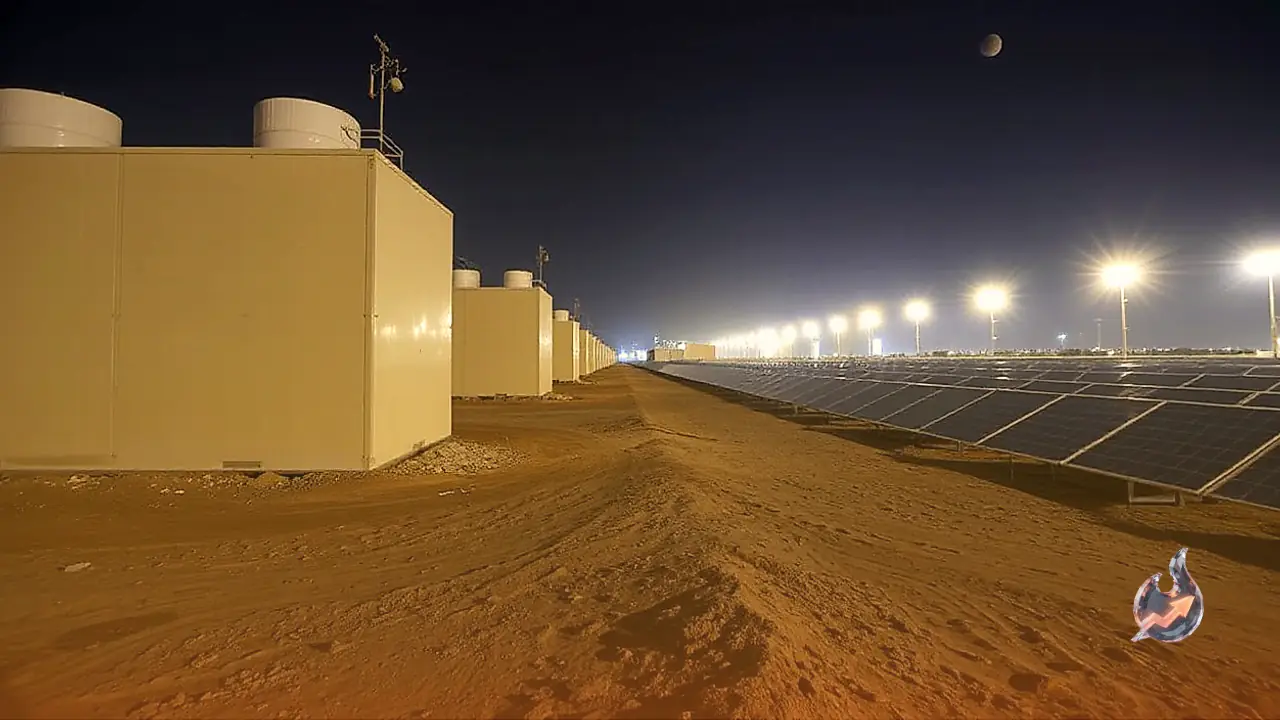

A persistent limitation of solar power has been its abrupt halt once the sun sets, but an ambitious testing initiative in Rajasthan aims to change that dynamic. At the Bhadla Solar Park, Rajasthan Renewable Energy Corporation Limited has officially granted approval to NTPC to deploy a 320 kW pilot concentrated solar power installation. The facility is set to become the first energy venture anywhere in India to operate on ceramic thermal energy storage principles.
Storing Daytime Heat Inside Ceramic Modules to Power Air Turbines
The distinctive feature of this pilot facility lies in its heat retention mechanics. Throughout peak daylight hours, concentrated solar energy will be captured and held in specialized ceramic modules as intense thermal heat. When darkness arrives, this trapped thermal reserve will be directed into an air turbine system. By driving the turbine purely on stored heat, the plant will generate a steady flow of electrical power long after daylight has faded.
Reducing Dependence on Heavy and Expensive Chemical Batteries
Conventional renewable setups generally rely on massive, costly chemical battery banks to supply power through the night, presenting recycling and cost hurdles. The core objective of this trial is to diminish reliance on those expensive chemical battery banks by relying instead on thermal capture. Consequently, clean energy accumulated throughout bright daylight hours can be dispatched flexibly after sunset without incurring steep battery replacement cycles.
Deploying American Storage Innovation for On-Site Auxiliary Needs
The upcoming installation will test specialized ceramic thermal energy storage technology engineered by United States-based firm 247Solar. NTPC will collaborate closely with Rajasthan Renewable Energy Corporation Limited to integrate and evaluate the system under desert operational conditions. With regulatory clearances in place, the path is cleared for comprehensive preliminary feasibility studies, detailed site topographical surveys, and structural evaluations. Power generated by this 320 kW pilot installation will be utilized directly by NTPC to meet its own plant requirements and auxiliary operating loads.
Broader Implications for National Clean Energy and Net-Zero Goals
Nighttime generation has remained the single biggest roadblock preventing solar power from functioning as a true base-load utility. Should the trial at Bhadla yield reliable output, the model can be scaled up and replicated across other sunny regions across the nation. Beyond positioning Rajasthan as a vital testing ground for next-generation clean technologies, the breakthrough promises to accelerate India's pursuit of round-the-clock green power, energy independence, and net-zero commitments.