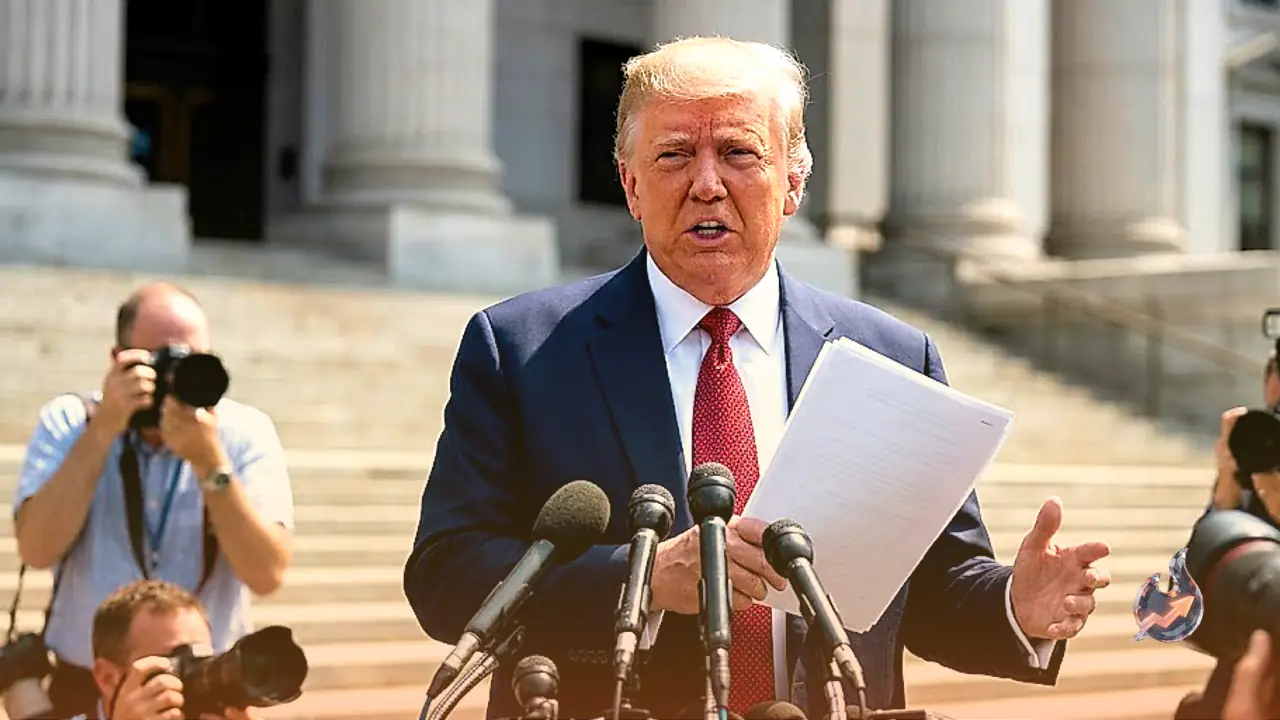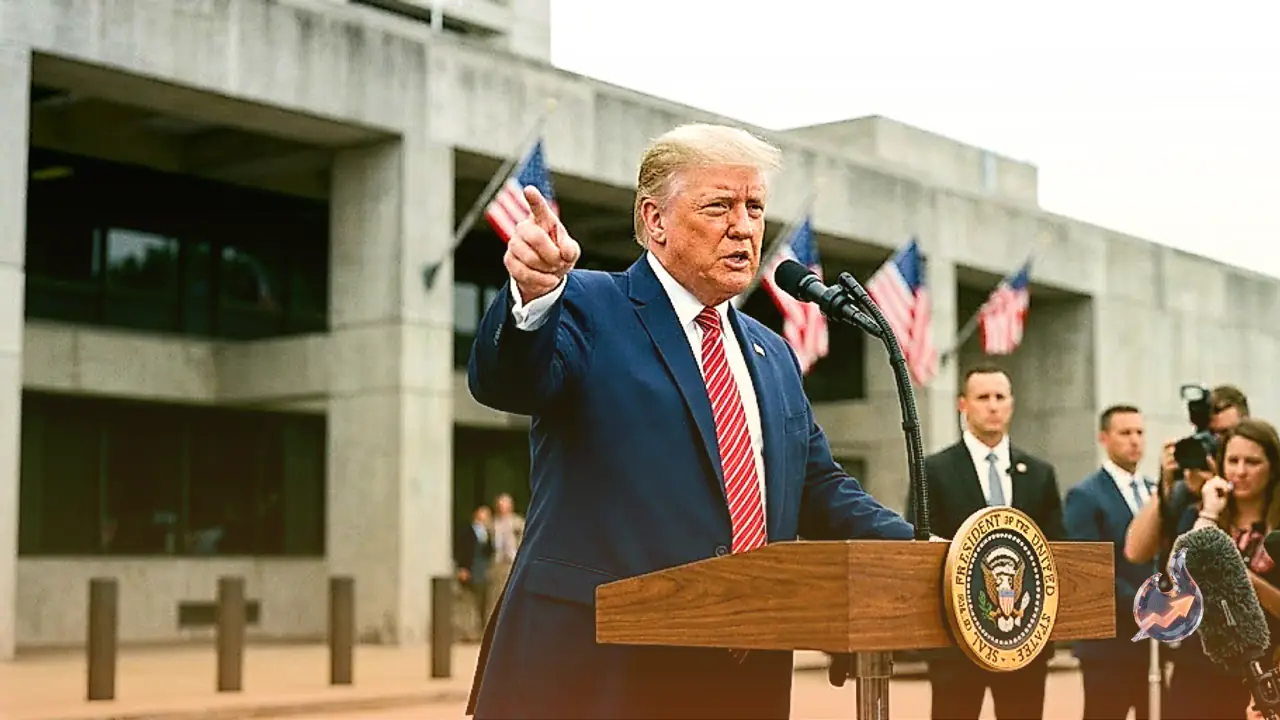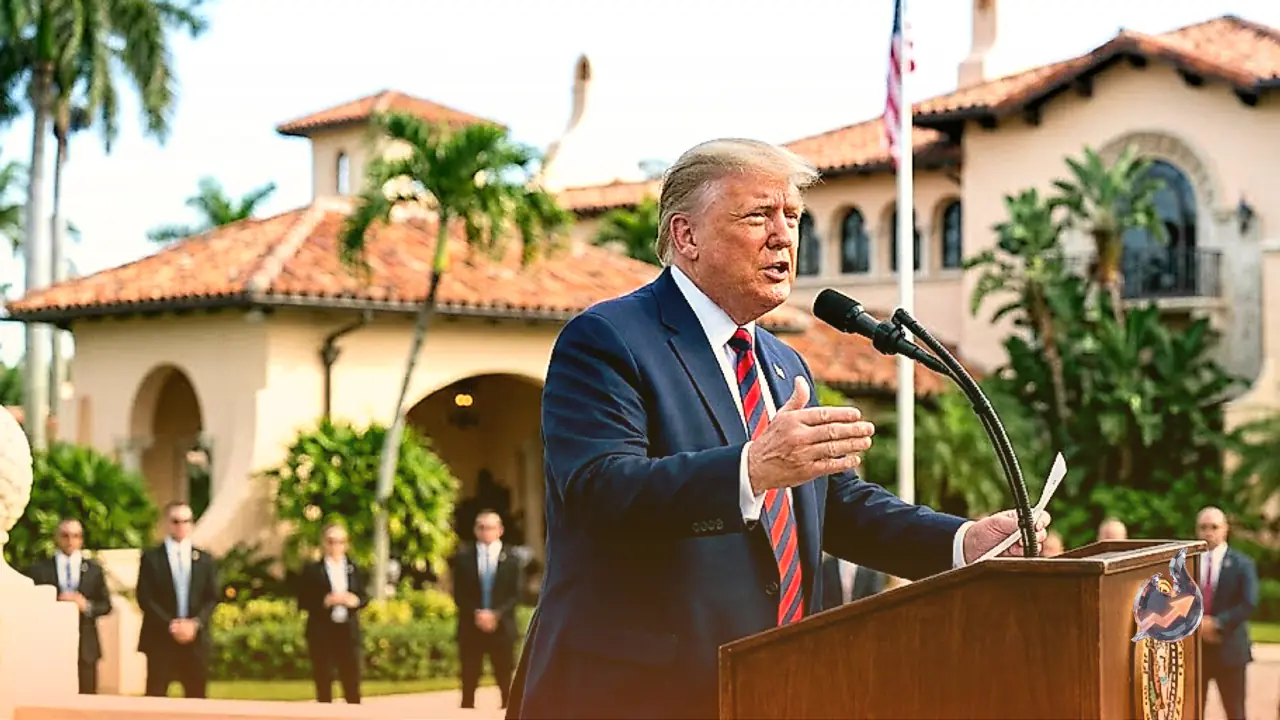























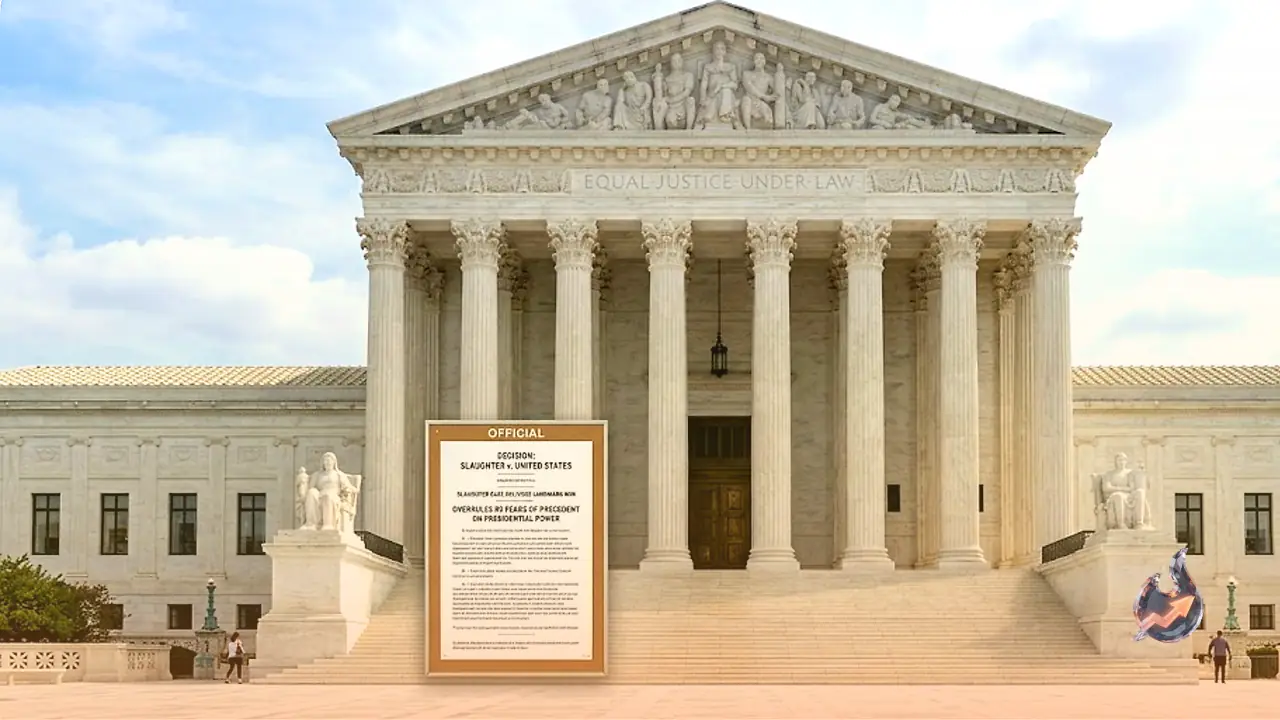

The United States Supreme Court has reshaped the constitutional landscape of executive authority with its ruling in the Slaughter Case, dismantling a legal precedent that had stood for nine decades. Donald Trump responded by posting on Truth Social, where he celebrated the decision in emphatic terms and described it as a sweeping victory for the presidency.
Trump's Post on Truth Social
In a post signed as President DONALD J. TRUMP, he wrote:
To show the importance of the Slaughter Case, 90 years of precedent has been COMPLETELY AND UNEQUIVOCALLY OVERRULED, greatly increasing Presidential Power at a time when it is most needed!
What Precedent Was Overruled
The overturned precedent had been in place for roughly 90 years, and for all that time it had shielded members of independent regulatory commissions from being removed at the president's discretion. Legal experts and advocacy groups had previously warned that dismantling this protection would transfer unprecedented new powers to whoever occupied the White House. The Slaughter Case ruling has now done exactly that, with the court coming down completely in the administration's favor.
What the President Now Controls
According to news reports, the Supreme Court's decision allows the president to fire members of the Federal Trade Commission, an agency that had historically operated with significant independence from direct White House control. Legal commentators have described the ruling as among the most consequential Supreme Court decisions in approximately 91 years, with some noting it makes federal agencies fully accountable to the sitting president.
Background
According to news reports, the outcome in the Slaughter Case had been widely anticipated after the Supreme Court appeared likely as early as December 2025 to side with the administration on the question of presidential removal power over independent agency commissioners. The ruling, delivered on June 29, 2026, was welcomed by Trump's supporters as a landmark restoration of executive authority. Critics had for months sounded alarm, arguing that overturning this precedent would hand the presidency unprecedented new powers over institutions that had long been designed to operate beyond any single official's direct reach.