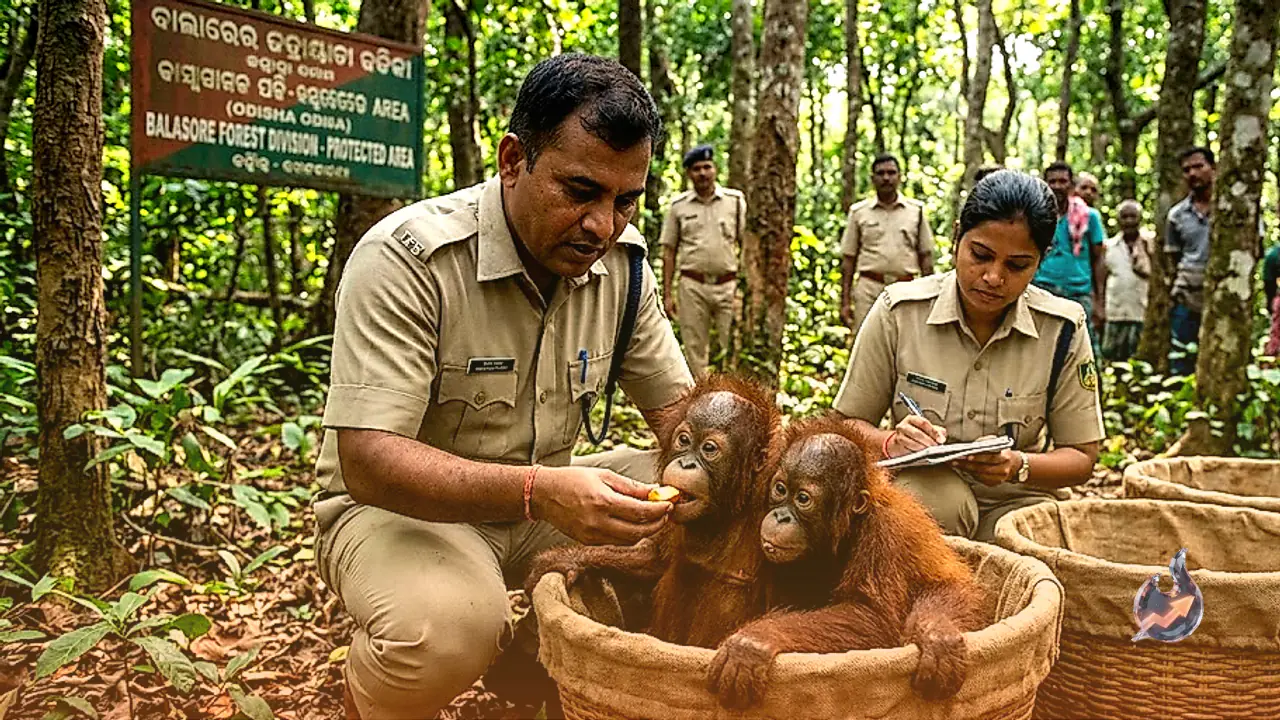





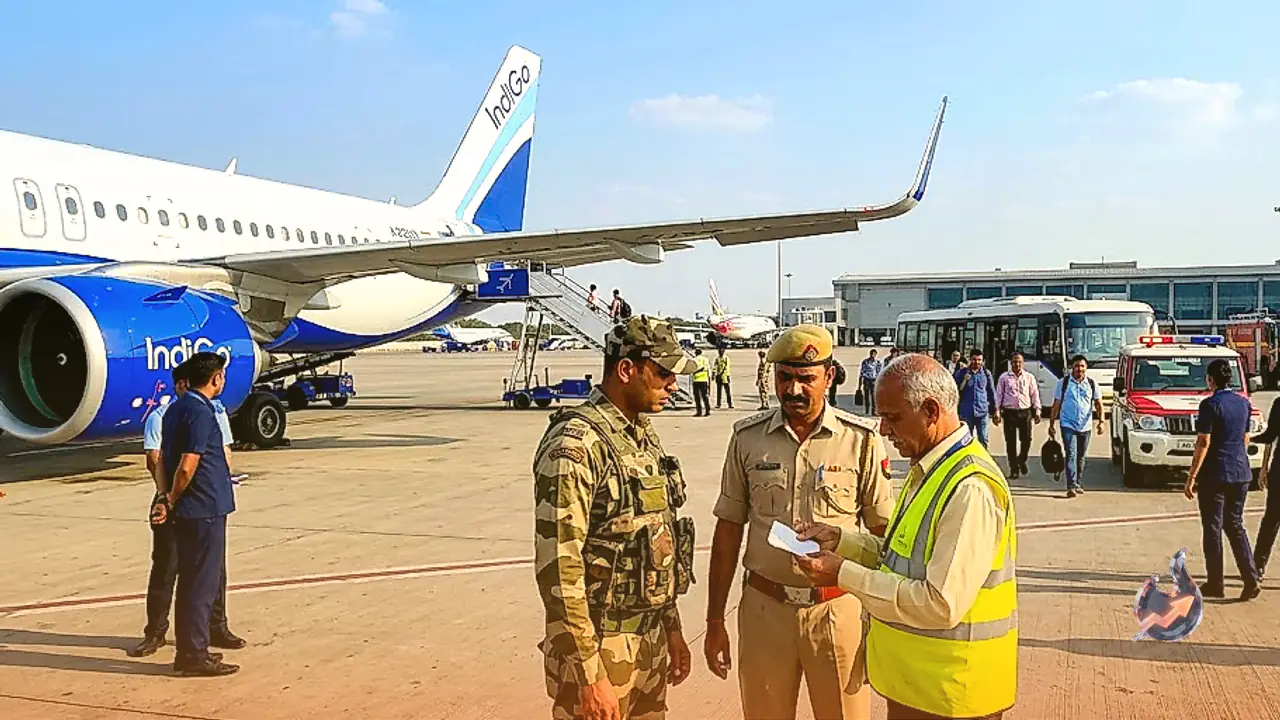

















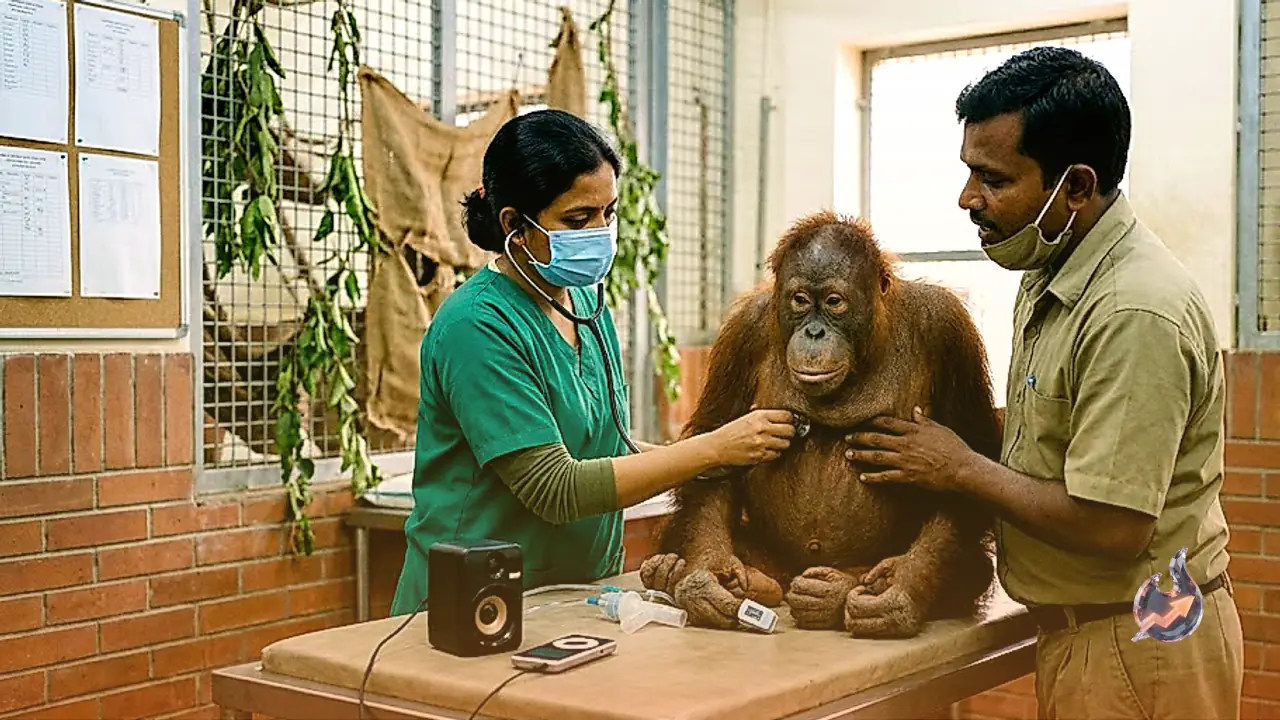

Two rare orangutans recently rescued from illegal wildlife traffickers in Balasore have been placed under round-the-clock expert care at the Nandankanan Zoo in Bhubaneswar. While the primates have been secured in a safe environment, they continue to exhibit severe emotional trauma, stress, and physical discomfort stemming from their ordeal. Veterinary doctors and wildlife specialists monitoring the pair report frequent mood fluctuations and a noticeable lack of playful activity. Instead of engaging with their surroundings or climbing as expected of the species, the orangutans remain subdued and unresponsive, prompting deep concern among animal welfare officials.
Mental Health Assessment and Deferred Sample Collection
At Nandankanan Zoo, medical staff are continuously tracking the health parameters of both orangutans while administering essential supportive care. However, owing to their elevated distress levels, medical specialists have temporarily put off taking physical samples. Acting on recommendations from the Centre for Wildlife Health Committee, experts decided that invasive sample collection at this stage could aggravate their mental trauma and destabilize their physical recovery. Officials plan to allow the animals a stabilization period of roughly 10 days to help them settle into their new surroundings. Once the orangutans show signs of reduced anxiety and greater comfort, veterinary teams will collect blood and diagnostic samples for detailed testing. Specialized teams from the Mysuru Zoo and the Wildlife Institute of India are also slated to arrive and evaluate the psychological and behavioral health of both animals.
Therapeutic Interventions and Environmental Enrichment
Wildlife behaviorists note that orangutans form intense emotional bonds with their maternal units, and being forcefully separated from their mother often triggers profound psychological depression. To alleviate their distress and boost their emotional well-being, the administration at Nandankanan Zoo is deploying several targeted enrichment measures. Caretakers have installed a heavy-duty swing inside the enclosure to encourage physical movement and gentle stimulation. Additionally, experts are evaluating music therapy, which involves playing soothing classical melodies inside the housing area to lower stress hormones and promote relaxation. The primary objective is to create a secure, reassuring environment where the rescued primates can gradually regain their natural instincts and overcome the trauma of captivity.
Respiratory Concerns and Physical Diagnostic Investigations
In addition to psychological stress, medical authorities are investigating potential physical health complications. Veterinary specialists suspect that during their illegal transit over water routes, the orangutans were directly exposed to harsh maritime winds and sea air for an extended duration. Prolonged exposure to salty, humid sea breezes may have induced respiratory tract irritation or underlying lung infections. The grueling conditions of their journey away from their natural habitat have also compromised their immune systems. Doctors at Nandankanan are conducting non-invasive health checks to determine whether their current lethargy stems purely from mental trauma, physical ailments, or a combination of both factors.
Interstate Trafficking Investigation and CCTV Trail
Concurrently, law enforcement agencies have intensified their crackdown on the syndicate responsible for smuggling the exotic animals. A joint investigative operation comprising Odisha Police's Special Task Force (STF) and the Forest Department is tracing the origin and transit corridors used by the traffickers. Investigators are focusing on identifying where the orangutans were originally procured and the specific routes taken to move them into Odisha. As part of the probe, STF personnel scanned footage from approximately 45 CCTV cameras spanning the stretch from Chandaneswar and Udaipur to Digha in West Bengal. Key visual evidence retrieved near the Digha Marine Police Station has provided vital clues, prompting the deployment of two specialized investigative teams moving beyond Digha toward Kolkata.
Multi-Agency Response and National Zoo Authority Oversight
Providing further details on the trafficking operation, Prakash Chandra Gogineni, RCCF of Similipal, indicated that the contraband animals were likely smuggled by road from West Bengal. To evade detection at major highway checkpoints and toll plazas, the traffickers used interior village roads and secondary routes. The Wildlife Crime Control Bureau (WCCB) is assisting state authorities in the investigation, with dedicated units operating from Bhopal and Kolkata to gather intelligence on cross-border wildlife networks. Meanwhile, the Minister of Forest and Environment declared that strict punitive measures will be enforced against everyone involved in the crime. State authorities have also formally contacted the National Zoo Authority to dispatch a specialized team to inspect the orangutans and evaluate whether the climatic conditions in Odisha are suitable for their long-term housing and care.