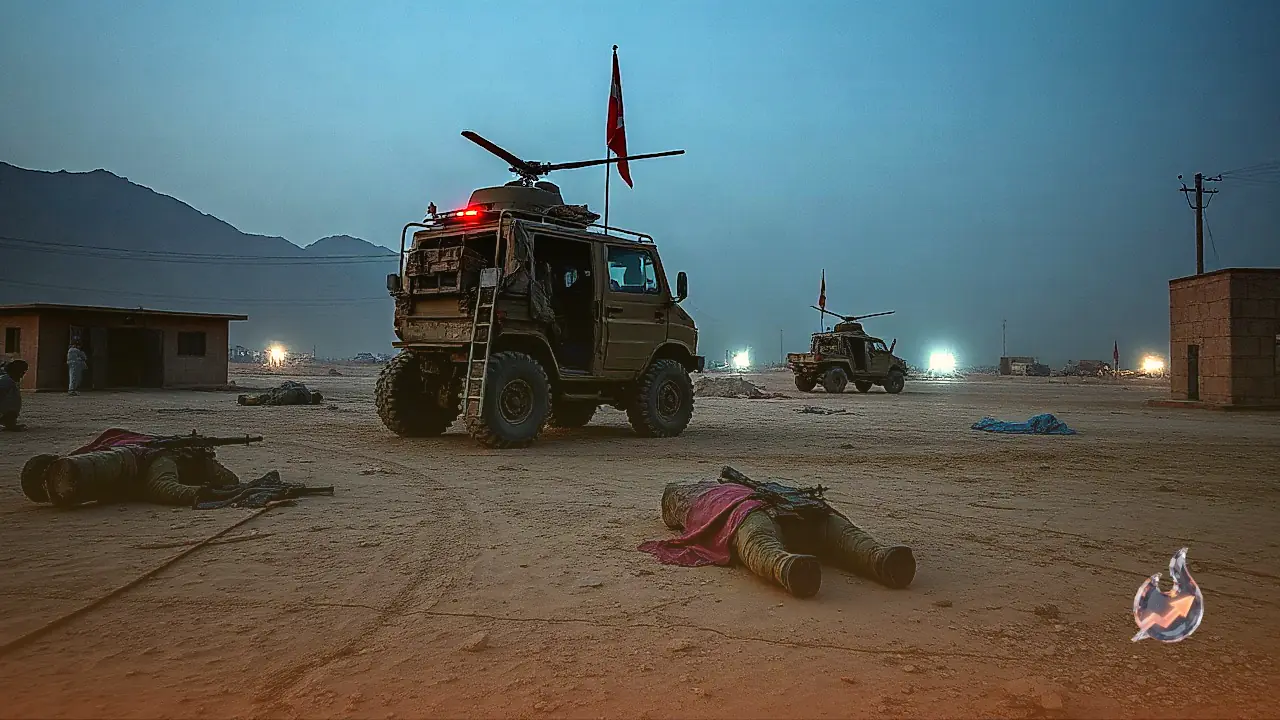






















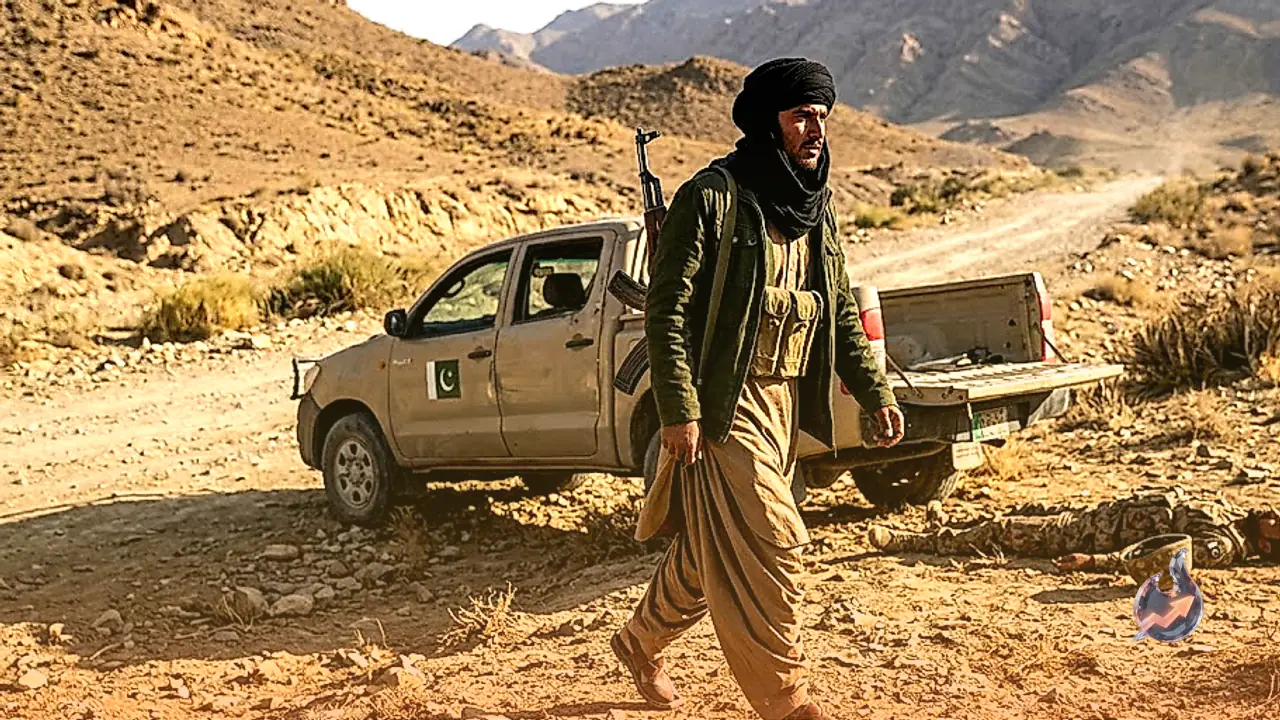

Across the arid and unforgiving terrain of Balochistan, the armed forces of Pakistan are grappling with an escalating operational and psychological crisis. Faced with relentless tactical ambushes executed by the Baloch Liberation Army, retreating military units have repeatedly failed to recover the remains of their fallen comrades, leaving them behind on the desert battlegrounds. This breakdown in basic operational discipline has brought intense scrutiny upon the country's military leadership in Rawalpindi, particularly Army Chief General Asim Munir, who has maintained complete silence over the deteriorating security landscape.
Neglecting the Fundamental Military Code of No Comrade Left Behind
A core ethical pillar upheld by professional armed forces across the globe is the commitment that fallen soldiers must never be abandoned in hostile territory. However, in the remote operating theaters of Balochistan and Khyber Pakhtunkhwa, Pakistani regulars and paramilitary Rangers personnel frequently flout this tenet. Whenever forward bases or mobile patrols come under intense fire from insurgent assault groups, surviving forces routinely retreat in disarray rather than securing and evacuating their wounded or deceased personnel.
This battlefield conduct bears an unmistakable resemblance to historical precedents. During the 1999 Kargil conflict, the Pakistani high command famously disowned hundreds of casualties belonging to its own Northern Light Infantry, refusing to accept their bodies for burial. Demonstrating exemplary professional ethics and humanitarian values, the Indian Army stepped forward to accord those enemy soldiers dignified military burials with full rites. In 2026, a nearly identical pattern is playing out in the badlands of Balochistan, where frontline combatants find themselves forsaken by their own institution.
Tactical Cunning Versus Strategic Fragility
Citing an insightful strategic appraisal originally formulated by defense analyst Abhijit Iyer-Mitra, military expert Major Gaurav Arya underscored the inherent operational flaws plaguing Pakistan's armed forces. The analysis characterizes the military establishment as being tactically clever in orchestrating limited infiltrations and localized surprise strikes, yet fundamentally inept on a broader strategic plane.
When unexpected counteroffensives occur and the battlefield environment intensifies, the force exhibits an inability to withstand structural pressure. Observers frequently compare this operational behavior to the erratic collapses witnessed in Pakistani cricket, where the early loss of two opening wickets triggers a catastrophic batting disintegration. From the major conflicts of 1971 to the high-altitude engagements in Kargil, and down to the present insurgency in Balochistan, the armed force has consistently chosen hasty tactical withdrawals whenever adversary resistance becomes stiff and coordinated.
The Rising Death Toll Across Balochistan in 2026
The operational campaign throughout 2026 has exacted a catastrophic toll on Pakistani ground forces deployed across Balochistan. Sustained ambushes and skirmishes triggered by the Baloch Liberation Army have claimed the lives of approximately three Pakistani soldiers every single day on average. A detailed review of battlefield engagements from the beginning of 2026 through the August and September period reveals that over 700 Pakistani soldiers and Rangers personnel have perished in the regional fighting.
In the month of August 2026 alone, documented casualties exceeded 50 personnel, with final verification figures still pending across several isolated outposts. Despite the magnitude of these operational losses, the senior generals stationed at the General Headquarters in Rawalpindi appear fundamentally unperturbed, taking virtually no tangible measures to stem the casualty rate or address logistical collapse.
Command Indifference and Divergent Administrative Priorities
Insider observations shared by former Pakistani military officer Major Adil Raja shed light on the deep-seated apathy prevailing at the top of the command chain. Raja noted that despite numerous administrative shortcomings during the tenure of former Army Chief Qamar Javed Bajwa, he regularly visited the households of fallen soldiers to offer personal condolences to their surviving families. Conversely, incumbent Army Chief General Asim Munir displays utter detachment toward the frontline troops, demonstrating minimal institutional concern as troop casualties continue to accumulate across the western province.
A corresponding indifference is visible among civilian authorities responsible for state security. Interior Minister Mohsin Naqvi, whose primary institutional mandate is domestic safety, has frequently spent his time attending sporting events like cricket matches in Dubai or undertaking foreign diplomatic visits, including trips to Tehran. While the corpses of enlisted personnel lie unattended in the dust of Balochistan, government functionaries remain occupied with external engagements and domestic political maneuvers.
Administrative Background and Internal Repression
The operational credentials of General Asim Munir have also drawn severe criticism from defense observers. Rather than rising through active combat leadership on frontline battlefields, Munir progressed through bureaucratic staff assignments and administrative desk postings. Analysts point out that this non-combat background explains the absence of soldierly honor typically found in field commanders who identify with their troops.
This leadership model manifests primarily through domestic political subjugation rather than military fortitude. Authorities have directed state power against unarmed civilian figures, arresting Aleema Khan, Noreen Niazi, and Dr Uzma Khan, the three elderly sisters of former Prime Minister Imran Khan, as a demonstration of institutional muscle. Yet when confronted by hardened insurgent fighters operating in Balochistan, that resolve rapidly dissipates. Armed groups have indicated that they would not impede Pakistani units attempting to recover their fallen comrades, yet the military command lacks the will to step into the field and retrieve its dead.